Anti-wrinkle treatment in Islington
Reviewed By
Dr Vishal Patel
BDS Liverpool · MSc Aesthetic & Restorative Dentistry Manchester · GDC 103127 · AACD Member · Invisalign Diamond II Provider · IFAAS (International Fellowship in Advanced Aesthetic Science) · Facial anatomy & cadaver course, Dr Ali Pirayesh, University of Amsterdam · Harley Academy foundation training in injectable aesthetics · IBSA-trained (Profhilo) · NeoStrata-trained (skin peels) · Lynton Lasers trained, incl. ONDA
Last Updated
October 1, 2026
Consultation-led anti-wrinkle treatment at 222 Essex Road, Islington, prescribed and administered by Dr Vishal Patel, with natural results as the aim.
Anti-wrinkle treatment uses small amounts of a prescription medicine, often known by the brand name “Botox”, to relax the muscles that cause expression lines. Results start in a few days, settle by two weeks and last three to four months. At Dental & Wellness London, 222 Essex Road, Islington, it is prescribed and administered by Dr Vishal Patel after a consultation (£65, redeemable). Treatment is from £169, including a two-week refresh.
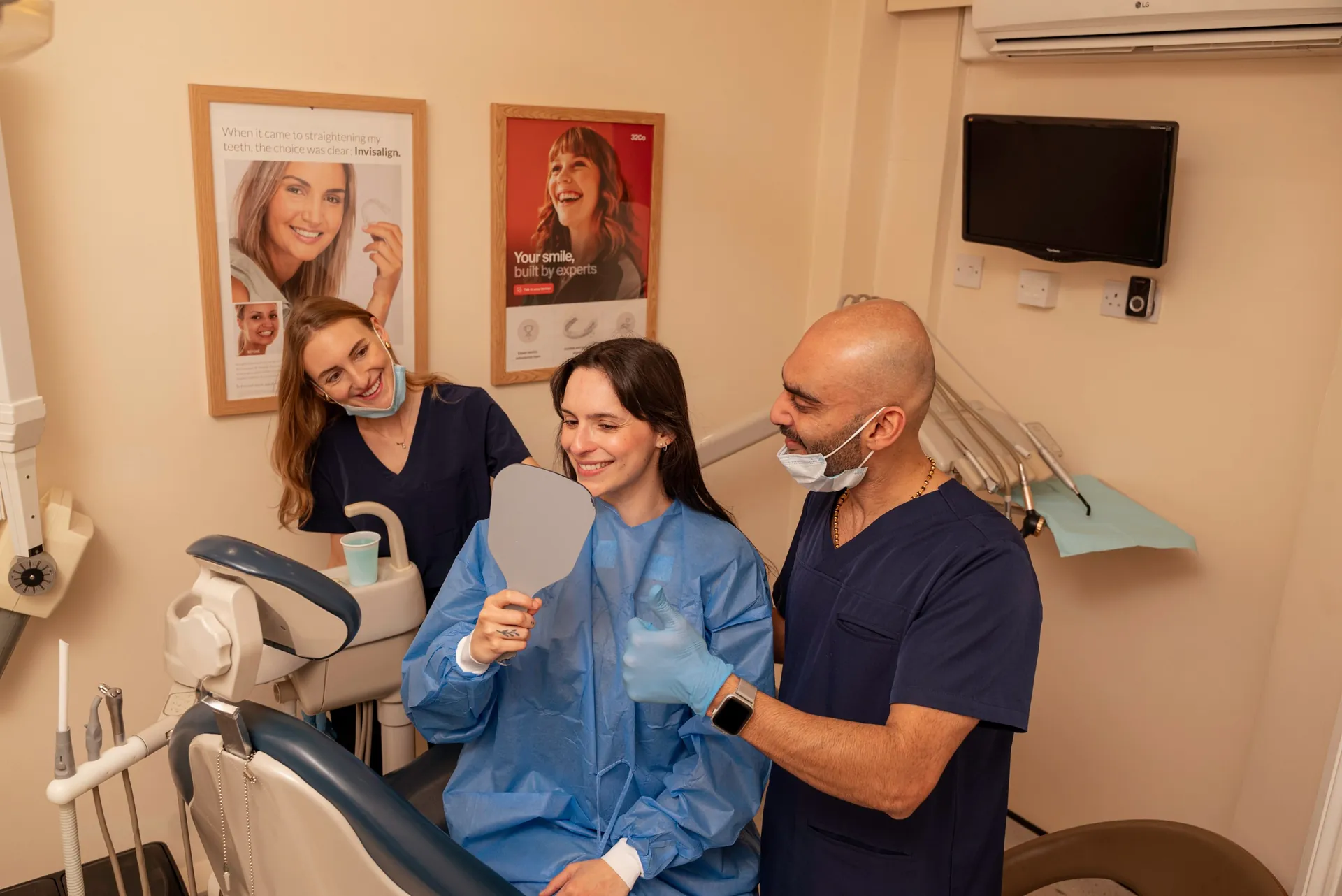
Anti-Wrinkle Treatment
- Softens expression lines; natural movement kept
- Prescription medicine: consultation first
- Results in 3 to 14 days; last 3 to 4 months
- Two-week review with refresh included
- From £169
- Prescribed and administered by Dr Vishal Patel
What anti-wrinkle treatment is
Anti-wrinkle treatment uses small, precise amounts of a prescription medicine to relax the muscles that cause expression lines, most often across the forehead, between the brows and around the eyes. Many people know it by the brand name “Botox”, which is one of several botulinum toxin products. It is a prescription-only medicine, so treatment always follows a face-to-face consultation, and the product used is a prescribing decision made for you as an individual, not something chosen from a menu.
The medicine works by temporarily quietening the nerve signal to a specific muscle. The muscle relaxes, and the line it was folding into the skin each time you frown, squint or raise your brows begins to soften. Nothing is added to the face and nothing is removed. The effect wears off gradually as the nerve signal returns, which is why treatment is repeated rather than permanent.
The treatment itself is one of the most studied procedures in facial aesthetics. The skill lies elsewhere: in deciding whether you are a good candidate, which muscles to treat, how much to use and where to place it. That is what the consultation is for, and it is why we treat the consultation as part of the treatment rather than a formality before it.
Lines and areas we treat
Anti-wrinkle treatment is designed for dynamic lines, the lines that appear with movement. The areas we see most often in Islington are:
- Frown lines between the brows. The vertical lines people sometimes call the “11s”. They can make a face look tired or cross at rest, and they are often the first area patients ask about.
- Forehead lines. Horizontal lines from raising the brows. This area needs care: too much treatment can make the brows feel heavy, so dosing is balanced against the muscles that lift and lower the brow.
- Crow’s feet. The fine lines at the outer corners of the eyes when you smile. Conservative placement softens them without changing the smile itself.
- Bunny lines. Small lines on the side of the nose when you scrunch or laugh. Low doses are usually enough.
- Around the mouth. A very small amount along the upper lip, sometimes called a lip flip, or carefully placed treatment for a gummy smile, where the upper lip lifts higher than you would like. These sit where facial aesthetics meets dentistry, and the dental background is directly relevant.
- The jaw. Larger muscle treatment for clenching, grinding or a square lower face is a separate treatment with its own assessment, described on our masseter treatment page.
What it will not do
We are clear about this at consultation, because it saves people money and disappointment. Anti-wrinkle treatment does not add volume, so hollows under the eyes, flat cheeks or thin lips are filler territory, not muscle work; our dermal fillers page explains the difference. It does not tighten loose skin. It does not improve skin texture, crepiness or dullness, which respond better to treatments such as Profhilo, polynucleotides or microneedling. And it does not work instantly. Deep lines that are etched into the skin at rest may soften but not disappear, and we will tell you that before you commit.
Natural results, not a frozen look
Our approach is proportionate: we aim to soften lines while keeping natural expression. The over-treated, surprised or heavy-browed look that puts many people off is not a property of the medicine. It comes from imprecise dosing, treating muscles in isolation, or using the same pattern of injection points on every face. Muscles differ in strength and position from one person to the next, and from one side of the face to the other. If you prefer a lighter-touch approach, our page on baby Botox in London explains it.
Dr Vishal Patel plans treatment around vital facial structures and your whole face, reading facial symmetry and balance across the brow, eyes and mouth rather than chasing a single line. The aim is that you look rested and like yourself, and that people notice you look well rather than that you have had something done. We will tell you if a lower dose, or a different treatment altogether, would suit you better.
Why a dentist for anti-wrinkle treatment
This is a fair question, and the answer is anatomical. Dentists train in depth on the head, face and neck: the bones, the blood vessels, the nerves and how the muscles of expression and chewing function. Dr Patel has worked in that territory for around twenty years, including oral surgery, and has ten years’ experience in facial aesthetics. His MSc in Aesthetic & Restorative Dentistry from the University of Manchester is, at its core, training in proportion: in treating the face as a whole and in matching the intervention to the clinical need rather than to the request alone.
That background matters most where muscle work meets the mouth and jaw, such as gummy smile treatment, lip-area work and the masseter. It also shapes the high ethical standard we hold ourselves to: we treat when treatment is appropriate, and we say so plainly when it is not.
Your consultation
Every course of treatment starts with a skin and aesthetic consultation, which costs £65 and is redeemable in full against treatment. It covers:
- Facial assessment. We look at your face at rest and in movement, which muscles are most active, how lines form, and how the upper face relates to the lower face and smile. Clinical photographs are taken for your record.
- Medical history. Current medicines, previous aesthetic treatment, pregnancy or breastfeeding, neuromuscular conditions, bleeding problems and allergies.
- What you want. What bothers you, what you have tried, and what a good result would feel like to you. This conversation often matters more than the examination.
- An honest recommendation. Whether anti-wrinkle treatment is the right answer. Sometimes it is not, and sometimes the right answer is to wait or to do nothing.
- A written plan. Areas, expected outcome, cost and review timing, so you can decide in your own time.
What to expect on the day
- A consultation first, with medical history and assessment
- About 15 minutes of treatment, with fine injections
- Results start at 3 to 5 days and settle by two weeks
- Effects usually last three to four months
- A two-week review, with refresh included where needed
On the day of treatment the skin is cleansed and the injection points are marked according to how your muscles actually move, not a standard template. The injections are made with a very fine needle and most people describe each one as a brief pinch. Most patients go straight back to work.
We give you written aftercare before you leave. In general that means staying upright for a few hours, avoiding strenuous exercise for the rest of the day, and not massaging or pressing on the treated areas. If anything concerns you afterwards, you contact the clinic and speak to us directly.
The two-week review and refresh
The effect peaks at around two weeks, and that is when we see you again. We check the result in movement and at rest, compare it with your photographs, and make small adjustments if one area or one side needs a little more. That refresh is included in the price. Many patients need no adjustment at all, but the review is part of doing the work properly, and it also tells us how your face responds, which shapes your next treatment.
Cost of anti-wrinkle treatment
Anti-wrinkle treatment at our Islington clinic is from £169, and that includes the two-week review and refresh. The final figure depends on how many areas are treated and the dose your muscles need, which is why we confirm it in writing at consultation rather than quoting before we have seen you. The £65 consultation fee is redeemable in full against treatment.
Safety and suitability
Not suitable during pregnancy or breastfeeding, or with some neuromuscular conditions. We also postpone treatment if there is infection at the planned sites, if you take certain medicines that affect nerve and muscle function, if recent treatment elsewhere has not yet worn off, or if a major event is less than a few weeks away for a first treatment. Where expectations are not something treatment can meet, we say so.
Mild redness or small bruises can occur and usually settle within days. Less commonly there is a mild headache for a day or temporary heaviness or asymmetry, which we review and manage. Results vary from person to person, and we do not promise a particular outcome.
Treatment is prescribed and administered by Dr Vishal Patel, BDS, MSc Aesthetic & Restorative Dentistry, GDC 103127, the clinic’s sole aesthetic prescriber. His training includes the International Fellowship in Advanced Aesthetic Science, a facial anatomy and cadaver course with Dr Ali Pirayesh at the University of Amsterdam, Harley Academy and IBSA training. You can read more on Dr Patel’s profile. If you are curious about the word “Botox” itself and how treatment fits into a regular routine, our explainer for Islington patients covers that.
Where to find us
The clinic is at 222 Essex Road, Islington, London N1 3AP, two minutes from Essex Road station on the Great Northern line between Moorgate and Highbury & Islington. Buses 38, 56, 73, 341 and 476 stop on Essex Road. We are a short ride from Angel, Highbury, Canonbury, Hackney and Stoke Newington, and Angel is a 15 to 20 minute walk. Many patients cycle or use a Lime or Forest e-bike. Appointments are Monday to Friday, 8am to 7pm (Tuesday from 9am), by appointment only.
Clinically reviewed by Dr Vishal Patel · BDS · MSc Aesthetic & Restorative Dentistry · GDC 103127. Last reviewed 1 October 2026.
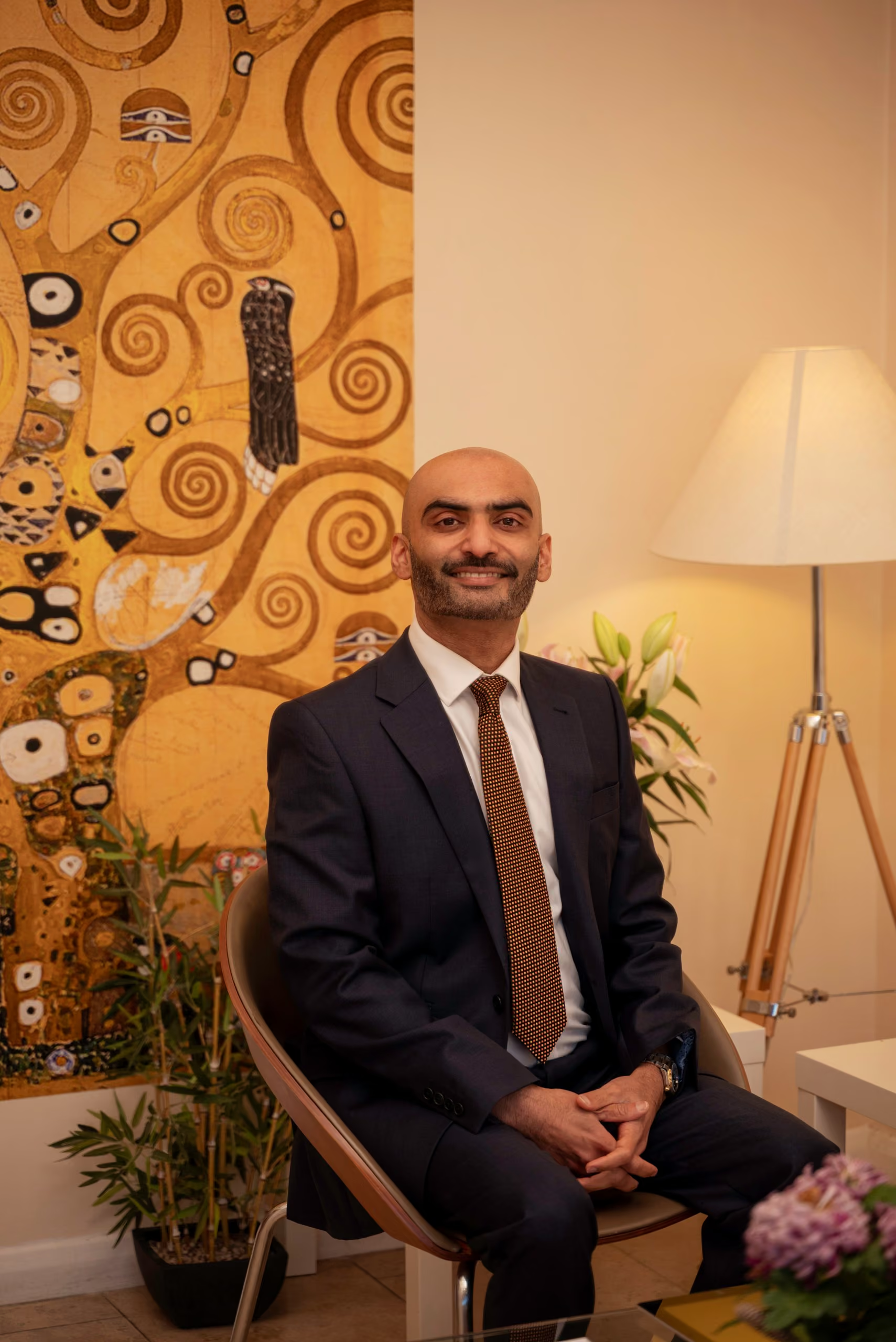
Dr Vishal Patel
Clinical lead · Sole aesthetic prescriber · 10 years in facial aesthetics
BDS Liverpool · MSc Aesthetic & Restorative Dentistry (Manchester) · GDC 103127 · International Fellowship in Advanced Aesthetic Science (IFAAS) · Facial anatomy and cadaver course with Dr Ali Pirayesh, University of Amsterdam · Harley Academy · IBSA and NeoStrata trained
We will tell you when a treatment is not the right answer. That honesty is part of the treatment.
Read Dr Patel’s profile →Anti-wrinkle treatment: more in this group
- Choosing a masseter clinic near you
- Hyperhidrosis treatment
- Fine lines and wrinkles
- Bunny lines
- Gummy smile
Related: dermal fillers, skin boosters.
Further reading
Vital Structures
Surgical Background
Ethical Aesthetics
Anti-wrinkle treatment is a prescription-only medicine, so every plan begins with a face-to-face assessment, and the two-week review with refresh is included in the price.
A consultation, before any prescription.
Consultation — £65
A skin assessment with an honest view of what will help. The fee is redeemable in full against treatment.
Treatment
About 15 minutes.
Two-week review
We check the result; a refresh is included if needed.
Start with a consultation
- £65, redeemable in full against treatment
- Carried out by Dr Vishal Patel
- A written plan before treatment
Or call 020 8127 4567 · WhatsApp +44 7974 910222
222 Essex Road, Islington N1 3AP · Mon–Fri, 8am–7pm (Tue from 9am)
Before and After
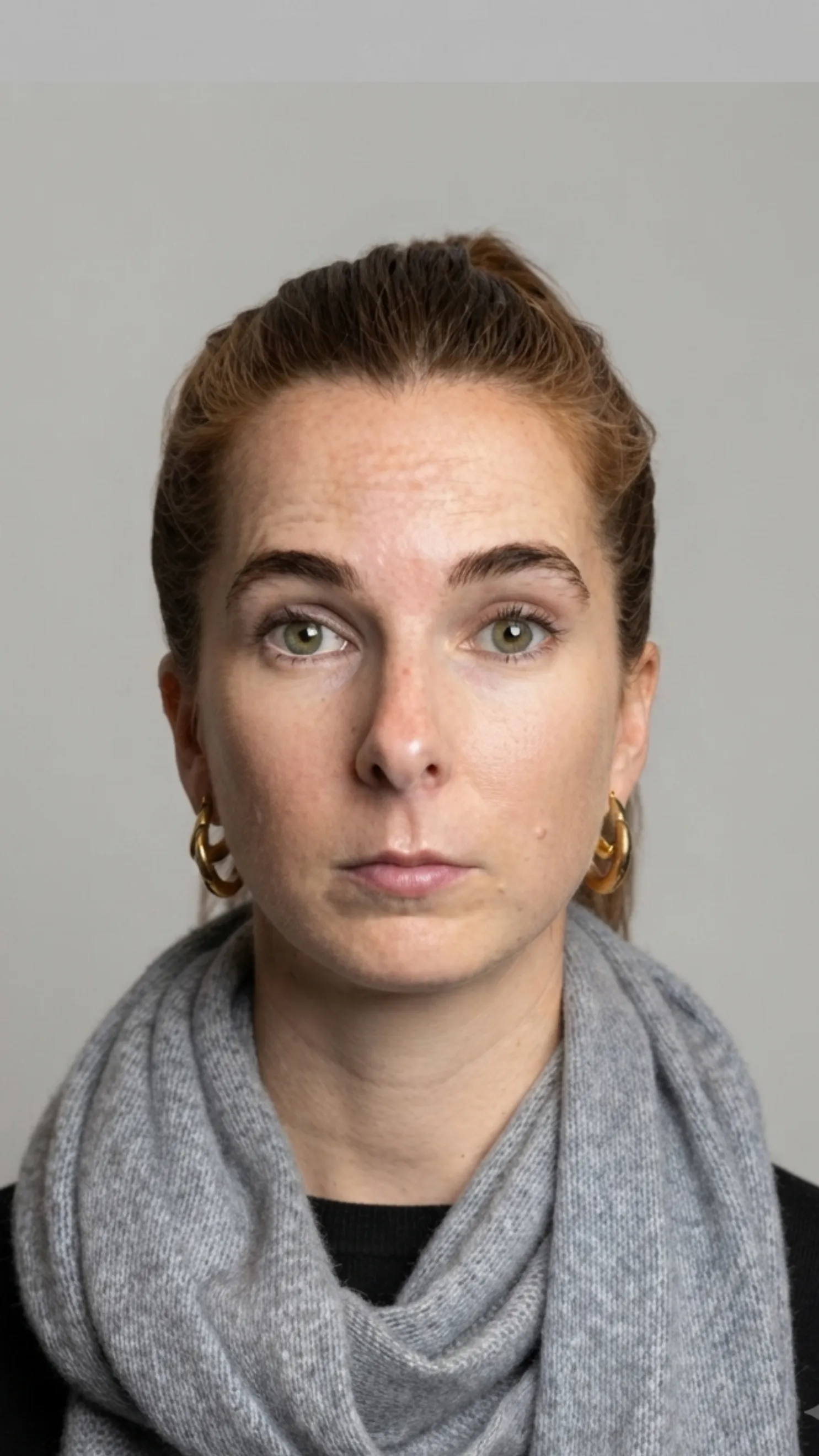
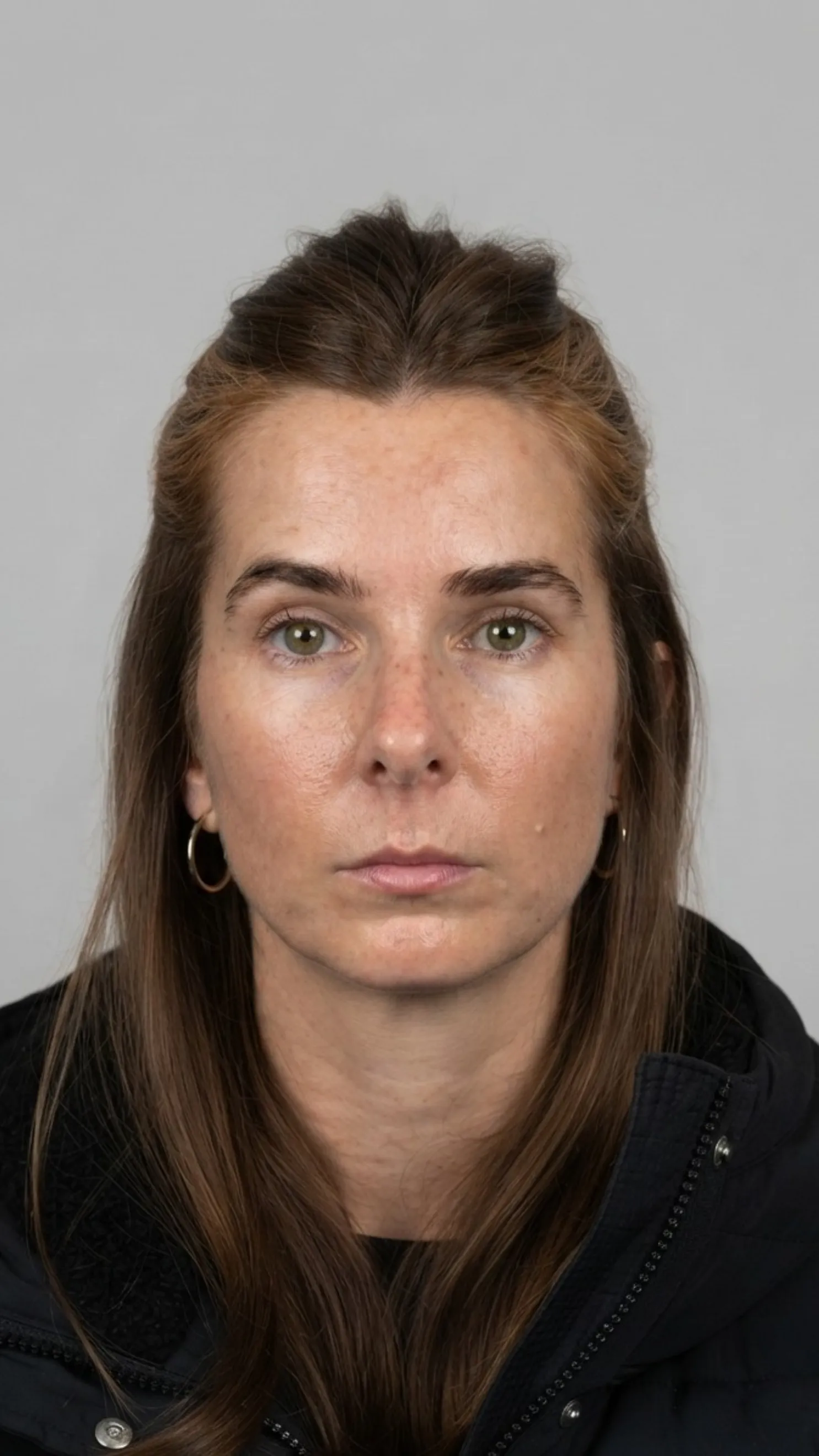
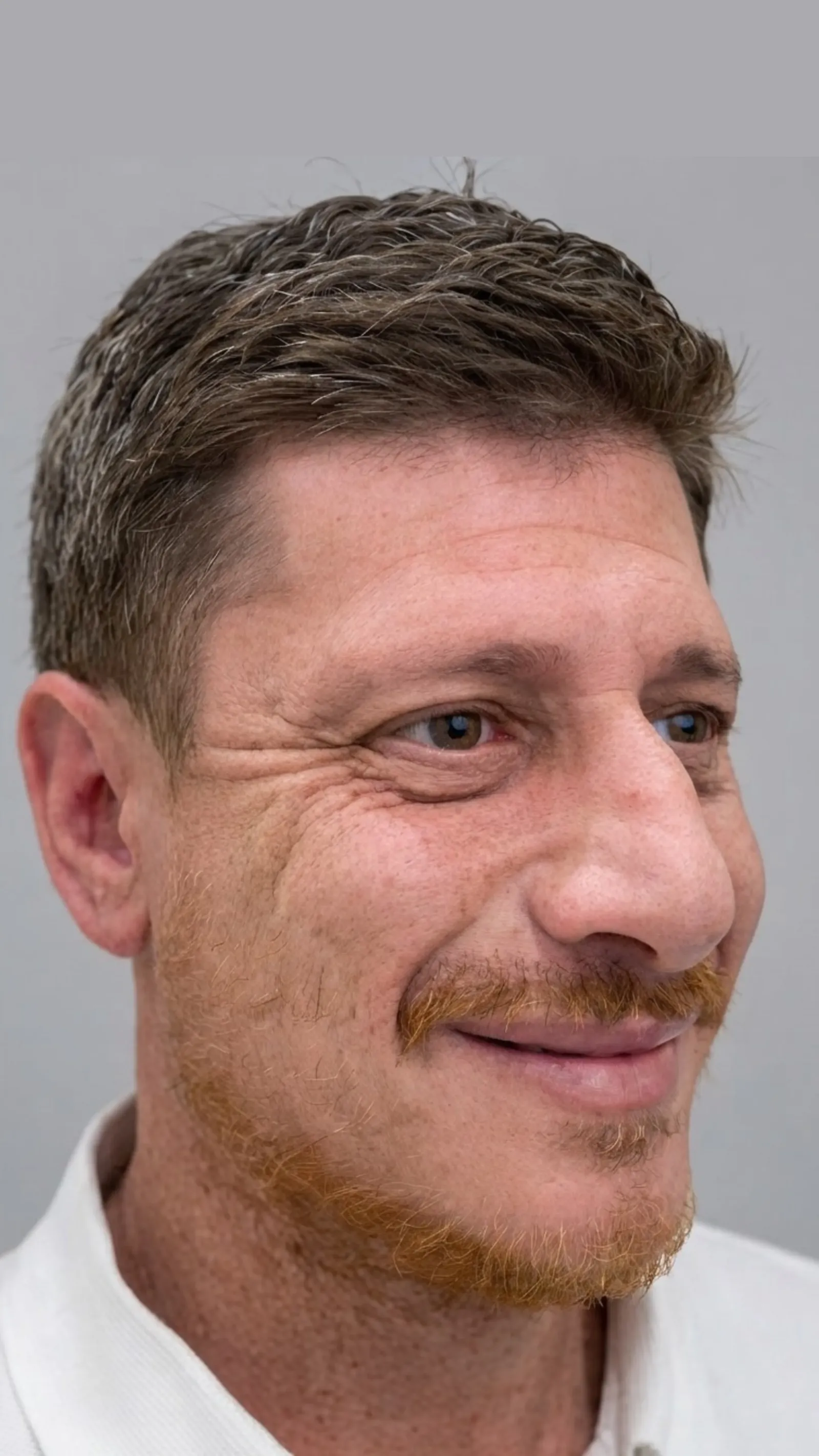
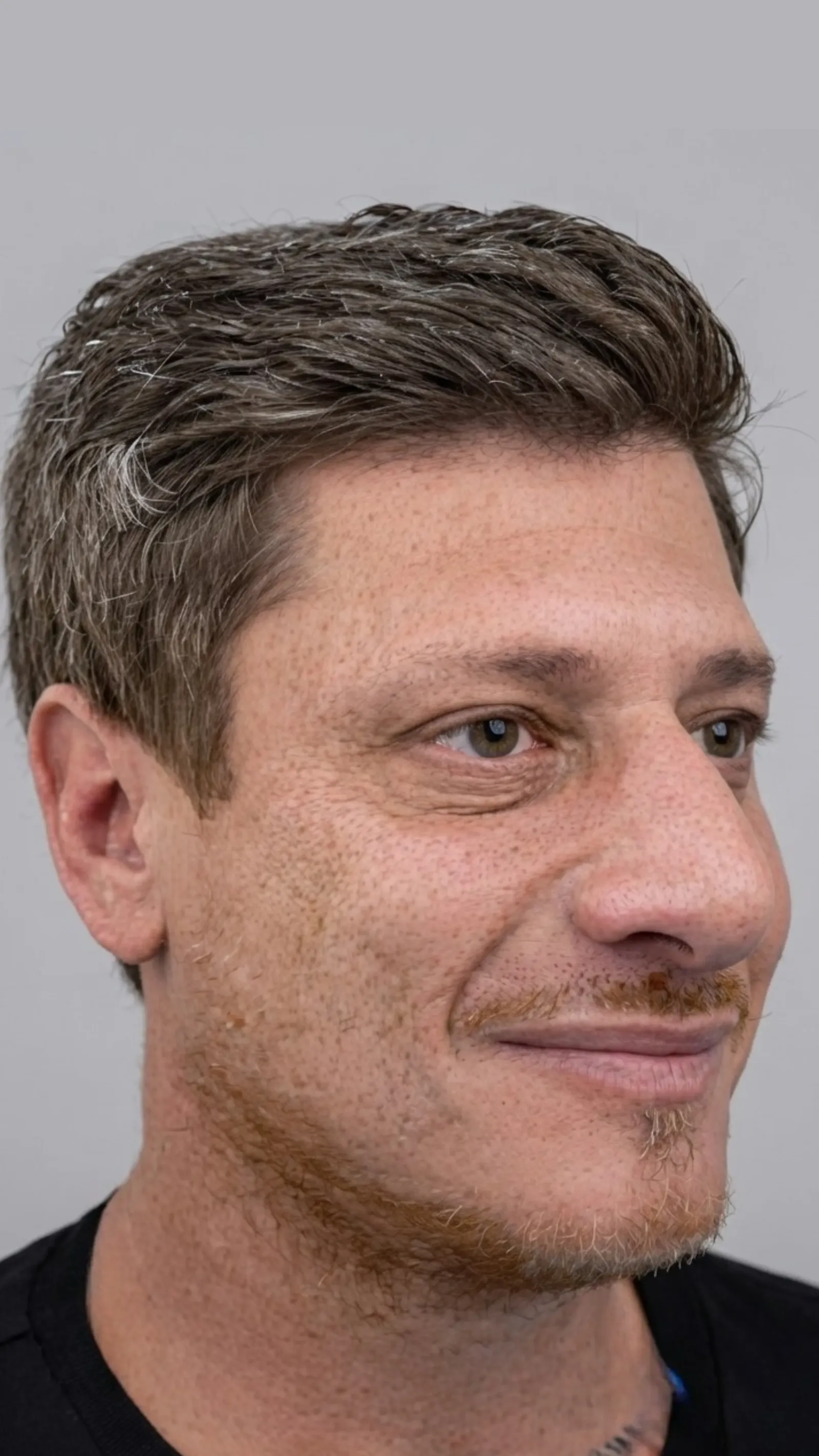
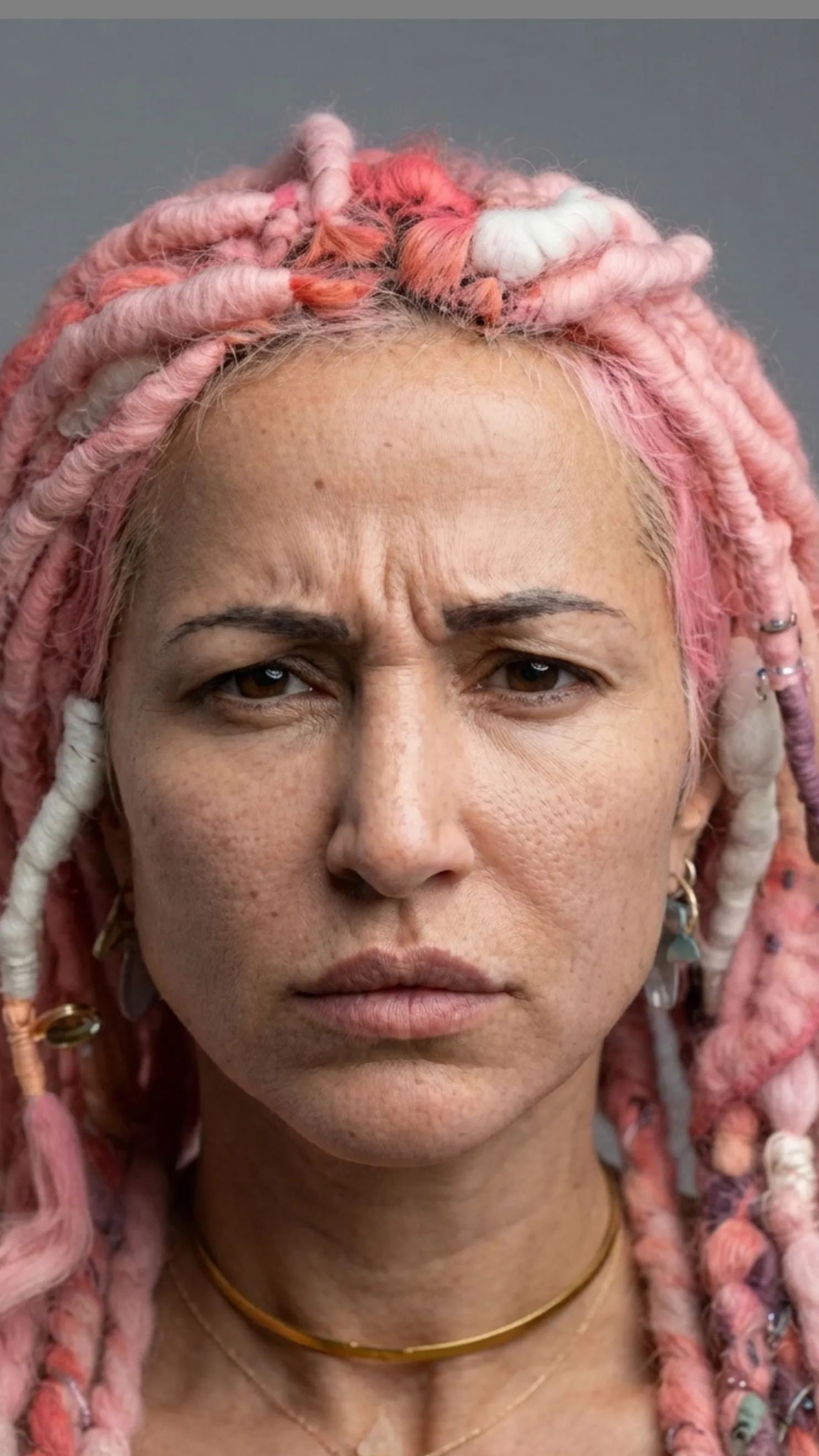
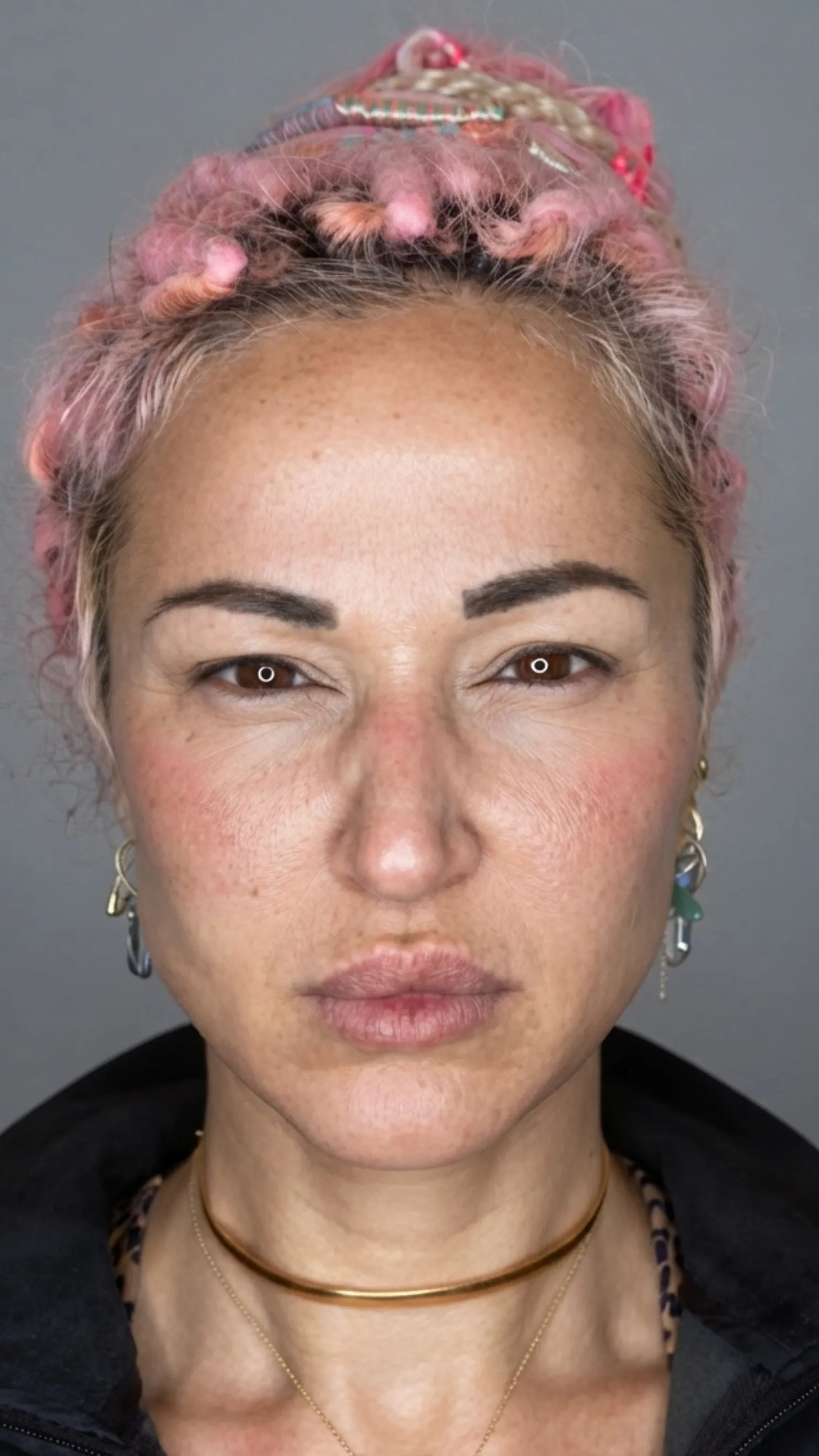
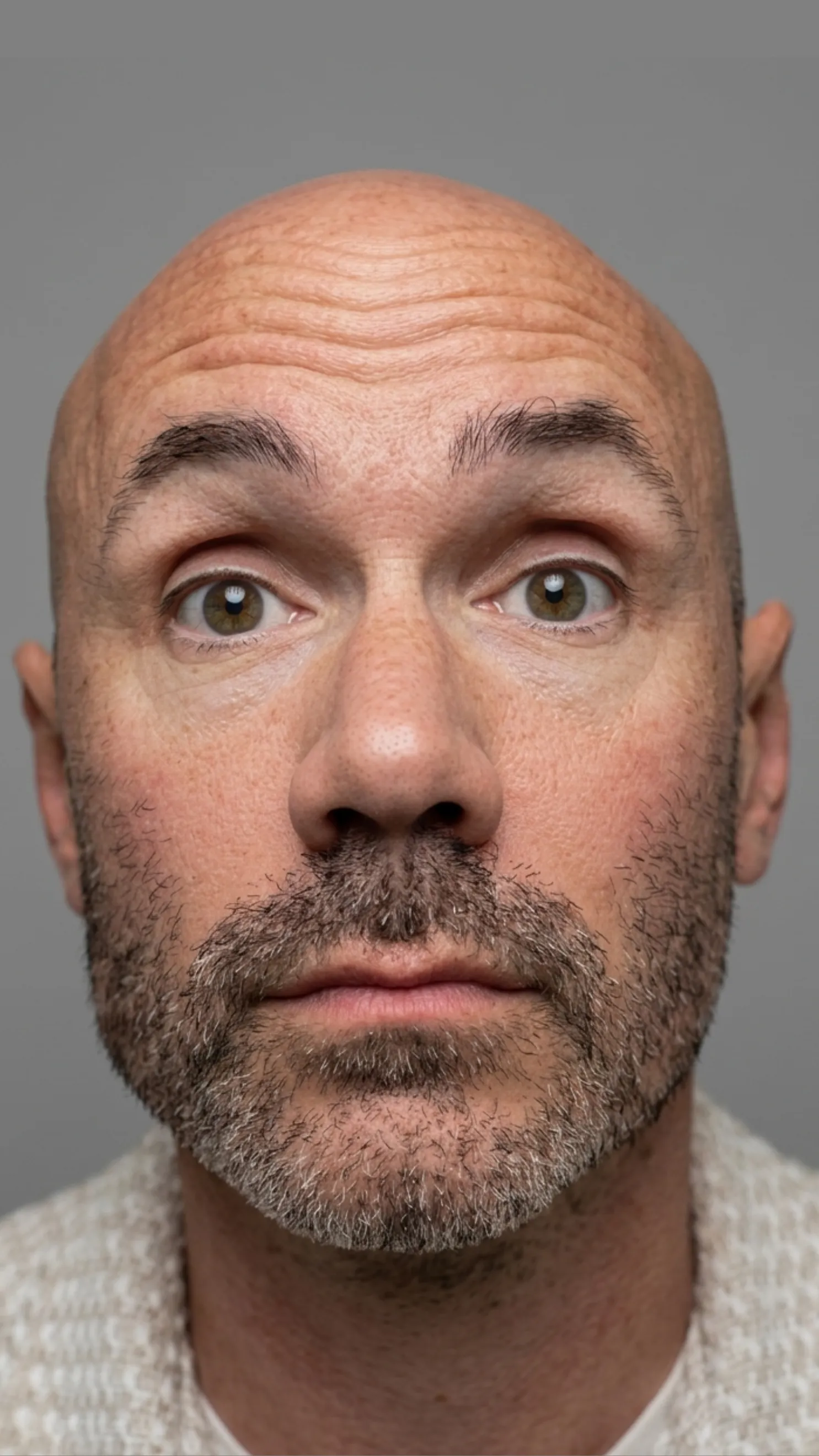
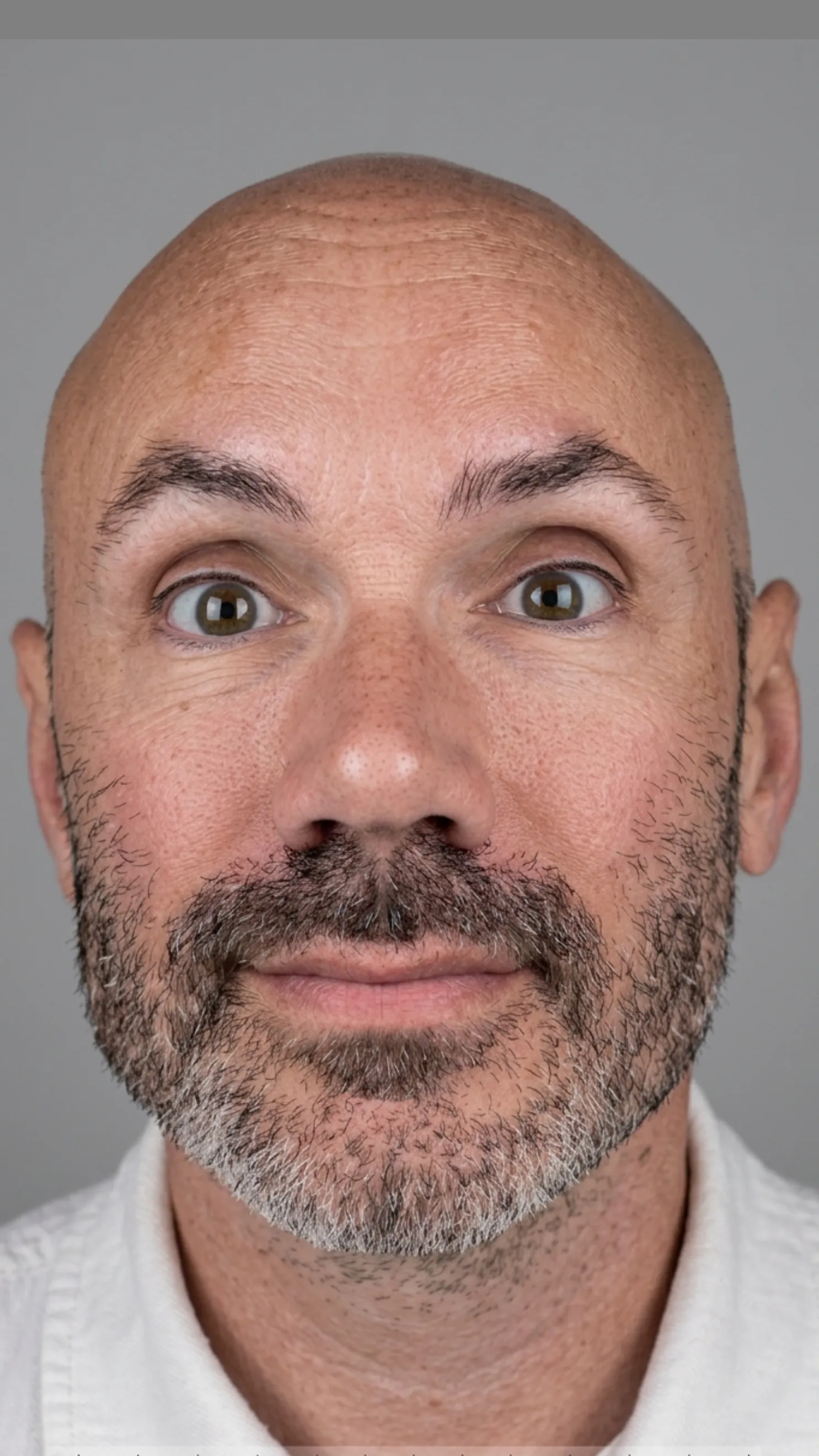
Our happy patients,
in their own words
Transparent pricing
Prices are set out below. Your written plan confirms the fee before any treatment begins.
Clear prices, set out before you start.
Redeemable in full against treatment
Including a two-week refresh
Included
- Consultation and medical assessment
- Two-week review
Quoted separately
- Other treatments, priced separately
0% APR finance over 12 months via Tabeo, subject to status.
Questions
people ask
If your question isn't answered here, call reception on 020 8127 4567 or email reception.
Is anti-wrinkle treatment the same as “Botox”?
“Botox” is one brand of botulinum toxin. Anti-wrinkle treatment is the general term; the product chosen is a prescription decision made at consultation.
How long does anti-wrinkle treatment last?
Usually three to four months.
Is anti-wrinkle treatment safe?
It is well established when prescribed and administered by a trained clinician after assessment. Side effects are usually mild and temporary.
What if I do not want a frozen forehead?
We use proportionate doses to soften lines while keeping natural expression.
Can I have it while pregnant or breastfeeding?
No. We postpone treatment during pregnancy and breastfeeding.
How much does anti-wrinkle treatment cost?
At Dental & Wellness London, Islington, from £169, including a two-week refresh. A consultation (£65, redeemable) comes first.
Do you offer a free consultation?
The aesthetic consultation is £65, and it is redeemable in full against treatment.