Dental crowns in Islington, with onlays and inlays where possible
Reviewed By
Dr Vishal Patel
BDS Liverpool · MSc Aesthetic & Restorative Dentistry Manchester · GDC 103127 · AACD Member · Invisalign Diamond II Provider · IFAAS (International Fellowship in Advanced Aesthetic Science) · Facial anatomy & cadaver course, Dr Ali Pirayesh, University of Amsterdam · Harley Academy foundation training in injectable aesthetics · IBSA-trained (Profhilo) · NeoStrata-trained (skin peels) · Lynton Lasers trained, incl. ONDA
Last Updated
October 3, 2026
Ceramic crowns, onlays and inlays for damaged teeth. We protect the tooth with the least intervention that will reliably last.
Dental crowns at Dental & Wellness London in Islington are ceramic restorations that cover and protect a weakened tooth; onlays and inlays repair part of it. They are planned and fitted by Dr Vishal Patel, MSc Aesthetic & Restorative Dentistry. Fees run from £750 for a ceramic inlay to £1,200 for a full-ceramic Emax crown, over two visits about two to three weeks apart.
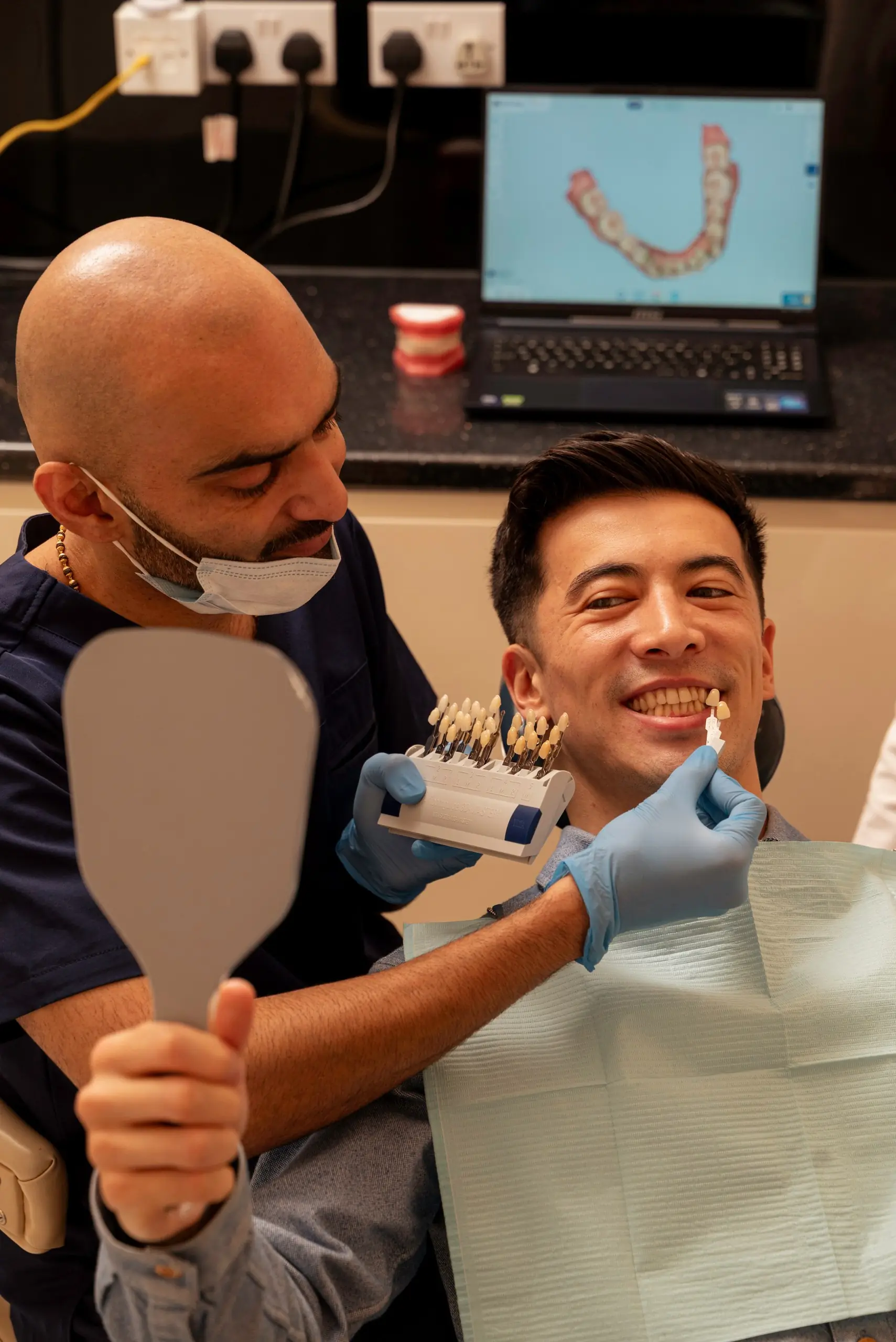
Heading
- Ceramic inlays and onlays; porcelain-bonded or full-ceramic (Emax) crowns
- Onlay/inlay first where structurally possible (conservative)
- Full crown only where structurally necessary
- Digital impression workflow, lab-made restorations
- Inlay £750 · onlay £850 · porcelain-bonded crown £950 · Emax crown up to £1,200
- Commonly 10–15 years with good care (results vary)
- 0% APR finance over 12 months via Tabeo, subject to status
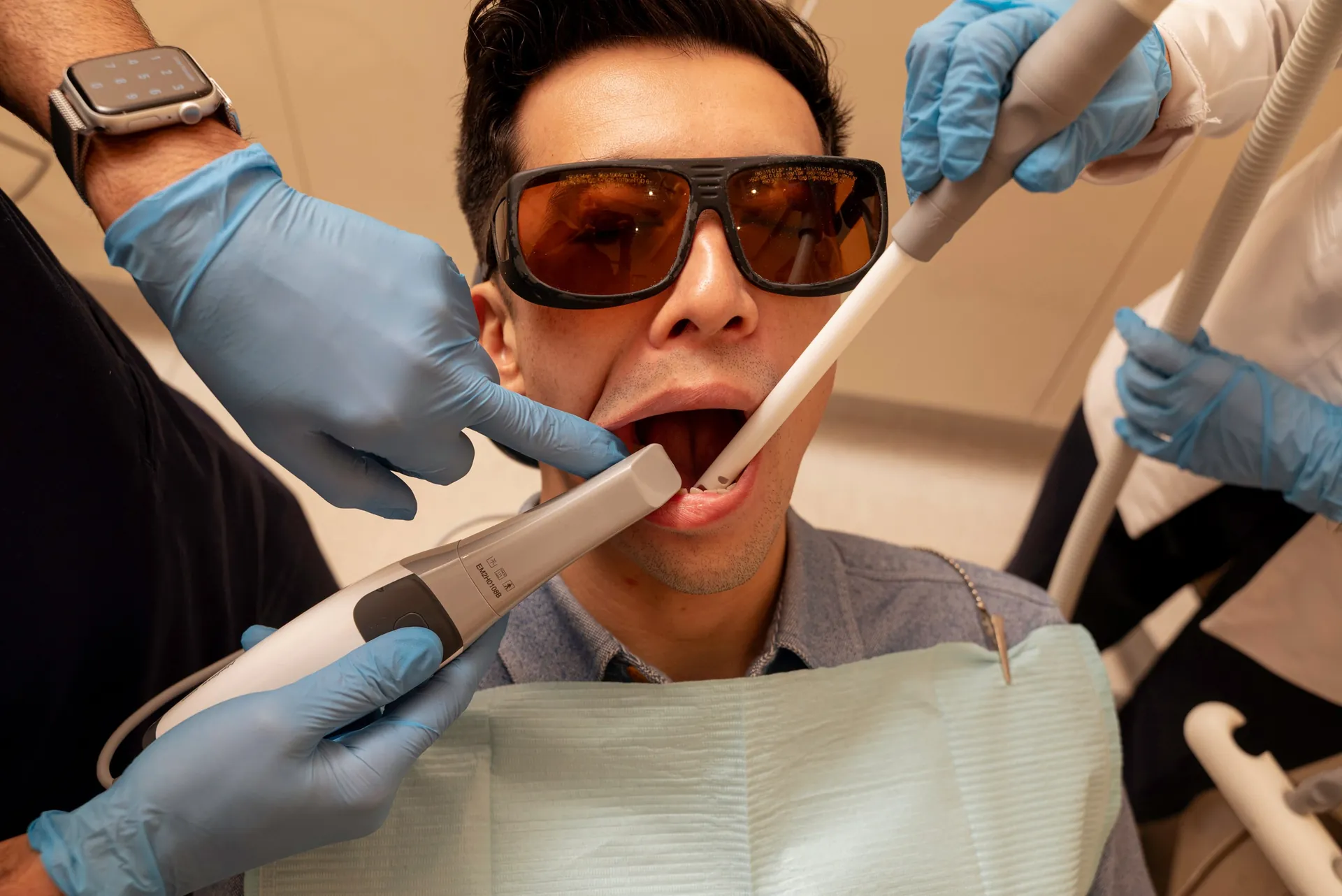
Most of the dental crowns Islington patients ask us about begin the same way: a back tooth has cracked, or a large filling has failed, and someone has said the word "crown". Our first question is whether a full crown is really necessary. Very often a smaller onlay or inlay will protect the tooth just as well while keeping more of it. This page explains how we decide, what each restoration involves, what it costs at our N1 clinic and how to look after it.
What are crowns, onlays and inlays?
All three are custom restorations made in a dental laboratory from a digital scan of your tooth, then bonded or cemented into place. The difference is how much of the tooth they cover.
- Inlay: fits inside the tooth, within the cusps, replacing a cavity or old filling. It is the most conservative of the three.
- Onlay: replaces part of the biting surface, including one or more cusps, and is sometimes called a partial crown. It reinforces a tooth that is weakened but still has healthy walls.
- Crown: covers the entire visible part of the tooth down to the gum line. It is used where so much tooth has been lost, or the tooth is so compromised, that only full coverage will protect it.
A laboratory-made ceramic restoration is stronger and more durable than a large direct filling. Where a cavity is small, a white filling remains the simpler answer. Where it is large, a filling can act as a wedge and split the tooth, and that is when an inlay, onlay or crown earns its place.
Who needs a crown, and who doesn't
Crowns, onlays and inlays tend to suit patients with:
- A large filling that has failed, leaked or fractured, and is beyond what composite can reliably restore.
- A cracked or fractured tooth, often a molar, that is sore on biting or sensitive to cold.
- A back tooth that has had root canal treatment and now needs protecting from fracture.
- Worn teeth, often from grinding or clenching, where the bite needs rebuilding.
- Heavily restored teeth whose appearance you would like to improve with natural-looking ceramic.
A crown is usually not the right choice when the cavity is small enough for a filling, when an onlay would protect the tooth equally well, or when the tooth cannot be saved. If the root is fractured or there is too little tooth left, we will discuss replacing it instead, for example with a dental implant or a bridge.
Dental crowns Islington: comparing your options
Choosing between restorations is really a question of how much healthy tooth remains and what forces it must withstand.
Ceramic inlays
An inlay replaces a moderate cavity between the cusps. Because the cusps stay intact, very little additional tooth is removed. It is a strong, precise alternative to a large filling and is often our choice for replacing old amalgam fillings in otherwise sound teeth.
Ceramic onlays
An onlay caps one or more cusps while preserving the healthy sides of the tooth. Because it is bonded rather than relying on a tight mechanical fit, it can reinforce a weakened tooth with far less preparation than a crown. For many cracked molars and post-root-canal teeth with sound walls, an onlay is the conservative first choice.
Porcelain-bonded crowns
A porcelain-bonded crown has a metal substructure with porcelain layered over it. It is a long-established, strong option, particularly for back teeth under heavy load, although a thin grey line can sometimes show at the gum margin over time.
Full-ceramic (Emax) crowns
Emax is a lithium disilicate ceramic that combines strength with natural translucency and contains no metal. We use it widely for front and back teeth where appearance and strength both matter. It can be bonded to the tooth, which helps retention where the tooth is short.
Crown or onlay: how we decide
We assess the remaining walls, any cracks, the bite, whether the tooth has been root treated and how the gum sits around it. The aim throughout is the least intervention that will reliably protect the tooth over the long term.
The process, step by step
- Assessment. A dental examination or problem assessment, with X-rays where needed, to confirm the tooth is healthy enough to restore and that the nerve is not compromised. We discuss whether an inlay, onlay or crown is appropriate and give you a written, costed plan.
- Preparation. Under local anaesthetic, old filling material and decay are removed and the tooth is shaped. We take a digital scan rather than traditional putty impressions, and match the shade to your neighbouring teeth.
- Temporary restoration. A temporary is fitted the same day to protect the tooth while the laboratory makes the final restoration, usually over two to three weeks.
- Fitting. The temporary is removed, the final restoration is tried in, checked for fit, contact and colour, adjusted to your bite, then bonded or cemented and polished.
- Review. We check the bite and the gum around the new restoration at your next routine examination.
Results, longevity and aftercare
A well-made ceramic crown, onlay or inlay commonly lasts ten to fifteen years, and many last considerably longer. Longevity depends on the tooth underneath, your bite, grinding habits, diet and home care. Results vary, and no restoration is permanent.
- Brush twice daily and clean between the teeth every day; the junction between restoration and tooth is where new decay can start.
- Keep regular examinations and 30-minute hygiene appointments so we can check the margins.
- Avoid using your teeth to open packaging or bite very hard objects.
- If you grind, wear a protective night splint. We may recommend a Davies splint (£495) to protect new ceramic work.
After the anaesthetic wears off, a little sensitivity to temperature for a few days is normal. If the bite feels high, contact us so we can adjust it.
Risks, and how we reduce them
- Loss of tooth structure. A crown removes more tooth than an onlay or inlay. We reduce this by choosing partial coverage wherever it will protect the tooth reliably.
- Nerve inflammation. Occasionally a heavily restored tooth becomes inflamed after preparation and may later need root canal treatment. Careful preparation, cooling and a well-sealed temporary lower the risk.
- Fracture or chipping of ceramic. More likely with heavy grinding. We assess your bite, choose the appropriate material and protect it with a splint where indicated.
- Decay at the margin. Precise fit, careful bonding and good hygiene keep the margin sealed.
- Gum irritation. We place margins carefully and check the gum at review.
Crown costs in Islington and London
Our fees for crowns, onlays and inlays at our Islington clinic are:
- Ceramic inlay: £750.
- Ceramic onlay: £850.
- Porcelain-bonded crown: £950.
- Full-ceramic (Emax) crown: up to £1,200.
The fee includes the temporary restoration between visits. If the tooth needs root canal treatment first, that is £550–£950 depending on the tooth. A dental examination is £65 (30 minutes), or a problem assessment for a specific tooth is £75. Everything is set out in writing before treatment begins, and 0% APR finance over 12 months via Tabeo, subject to status, is available. For a broader view of the options across London, see our main crowns, onlays and inlays page.
Why choose Dr Vishal Patel for your crown
Your restoration is planned and fitted by Dr Vishal Patel, BDS (Liverpool) and MSc in Aesthetic & Restorative Dentistry (Manchester), GDC 103127, and a member of the American Academy of Cosmetic Dentistry. He has around 20 years in dentistry and over 15,000 cases behind him. His restorative training shapes the conservative approach on this page: protect the tooth, keep as much of it as possible, and make the result look like a natural tooth.
The practice has been on Essex Road since 2009 and is rated 4.7 stars from over 300 Google reviews. Patients who might otherwise travel to central London or Harley Street for onlays and ceramic crowns can have the same standard of laboratory work close to home, with a dentist they will see again at every check-up.
Questions patients ask about crowns
How much does a dental crown cost in Islington?
At Dental & Wellness London a porcelain-bonded crown is £950 and a full-ceramic Emax crown is up to £1,200. A ceramic onlay is £850 and an inlay £750. The temporary between visits is included. You receive a written plan before treatment, and 0% APR finance over 12 months via Tabeo is available, subject to status.
Is an onlay better than a crown?
When a tooth still has healthy walls, an onlay is often the better choice because it removes less tooth and is bonded for strength. A crown is better when too little tooth remains, or when the tooth is badly cracked around its circumference. We examine the tooth and explain which will protect it more reliably.
Do I need a crown after root canal treatment?
Back teeth usually need cusp coverage after root canal treatment, because they become more brittle and can fracture under chewing forces. That coverage may be an onlay or a crown, depending on how much tooth remains. Front teeth with little damage can sometimes be restored with a filling alone.
Does getting a crown hurt?
Preparation is done under local anaesthetic, so most patients feel pressure rather than pain. Some sensitivity to hot and cold for a few days afterwards is common. If discomfort persists, or the bite feels high, we ask you to contact us so we can check and adjust it.
How long does it take to get a crown?
Usually two appointments about two to three weeks apart. The first prepares the tooth, takes a digital scan and fits a temporary; the second fits the final crown, onlay or inlay. Teeth that need root canal treatment or gum treatment first will take longer, and we explain the timeline in your plan.
This page is part of our wider guide to emergency dentist in Islington, which sets out every option we offer side by side.
Getting here
Dental & Wellness London is at 222 Essex Road, Islington, London N1 3AP. Essex Road station is two minutes' walk, and Highbury & Islington is one stop by train. Buses 38, 56, 73, 341 and 476 stop on Essex Road. From Angel it is a 15–20 minute walk, and Canonbury is close by. Many patients cycle or use Lime or Forest e-bikes; from Dalston it is about ten minutes by bike. We are open Monday to Friday, 8am to 7pm, by appointment; please contact us or call 020 8127 4567 to book.
Beyond composite repair
Full-coverage protection
Sealing and natural look
Most cases complete across 2 appointments, with the final restoration lab-fabricated in between.
| Assessment & planning | Dental examination (£65, 30 minutes) or problem assessment (£75), with X-rays and photographs where needed, and a discussion of whether an onlay, inlay or full crown is appropriate. You receive a written, costed plan. |
| Preparation & temporary | Tooth preparation under local anaesthesia and immediate temporary placement, while the final restoration is lab-fabricated over 2–3 weeks. |
| Fitting | Temporary removed, final restoration tried in, adjusted for bite, bonded into place, and polished. |
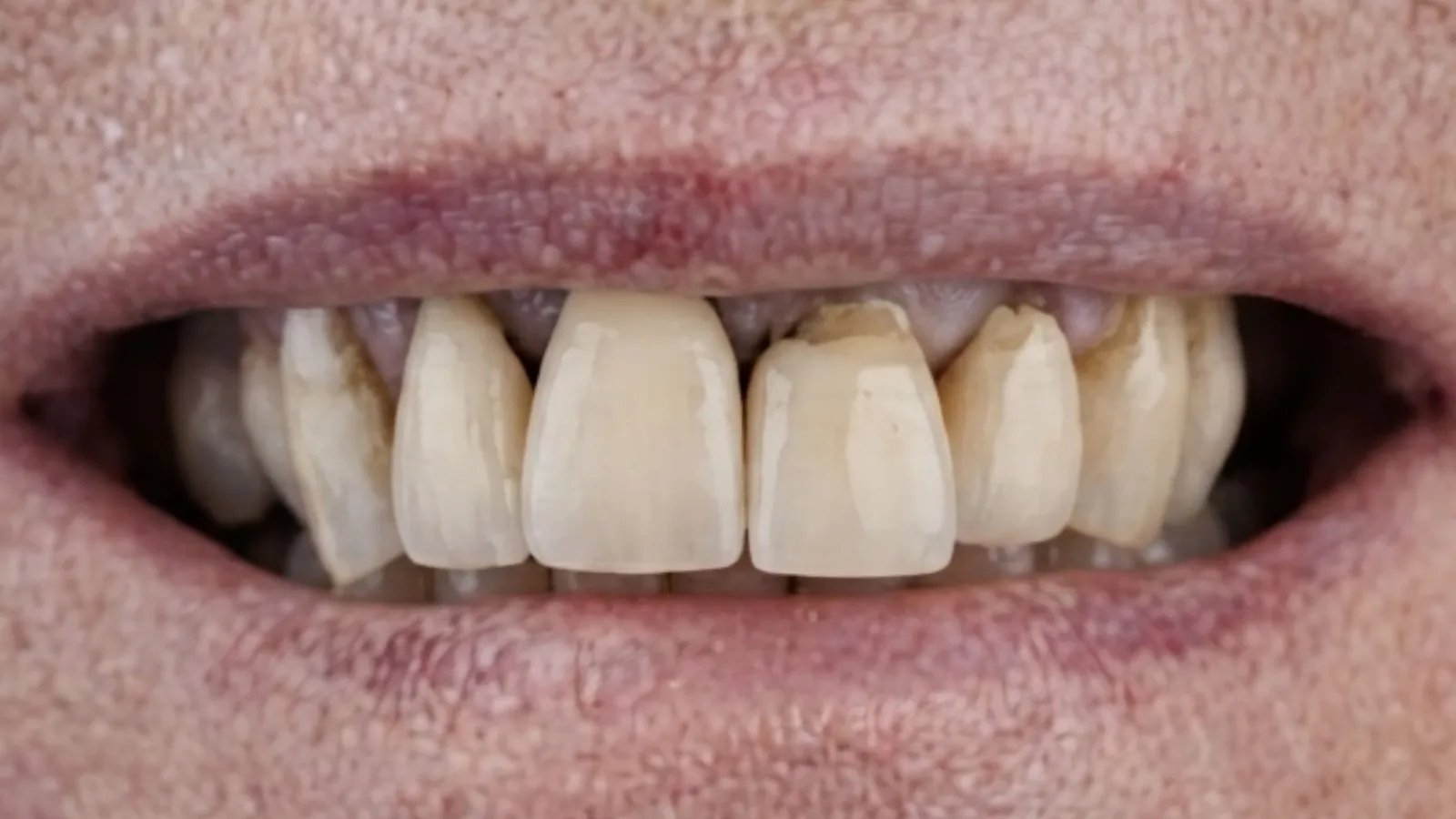
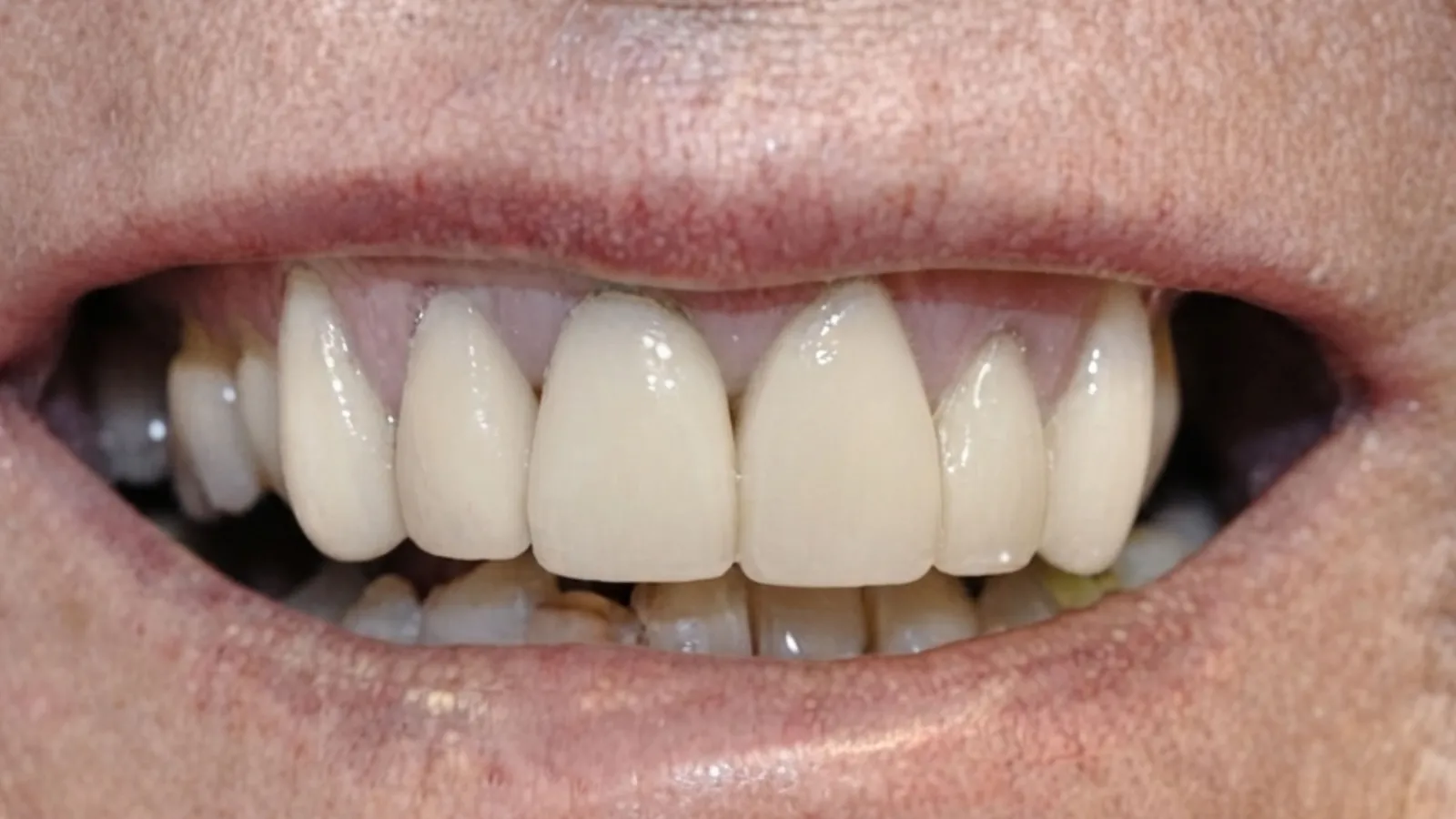
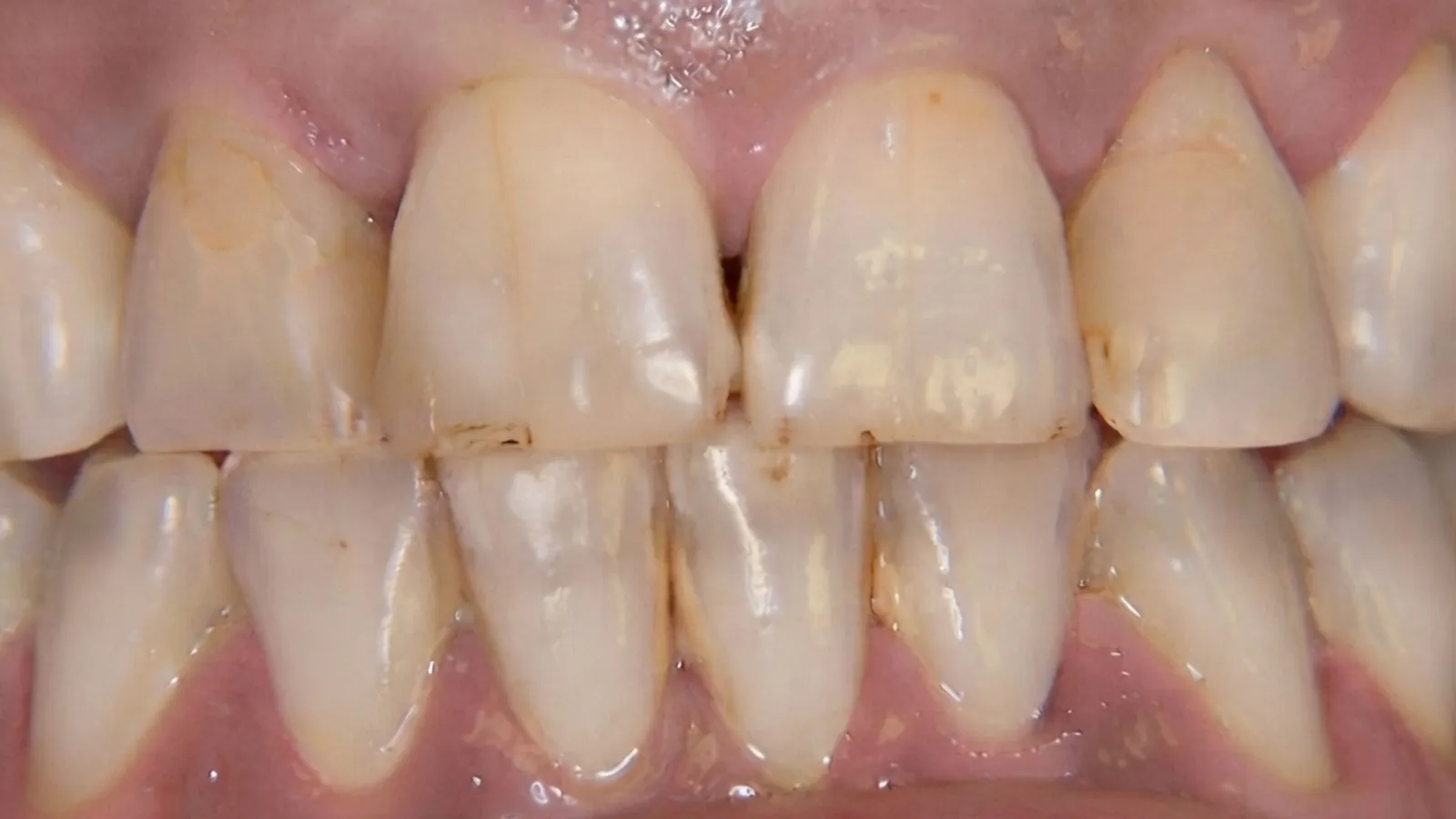
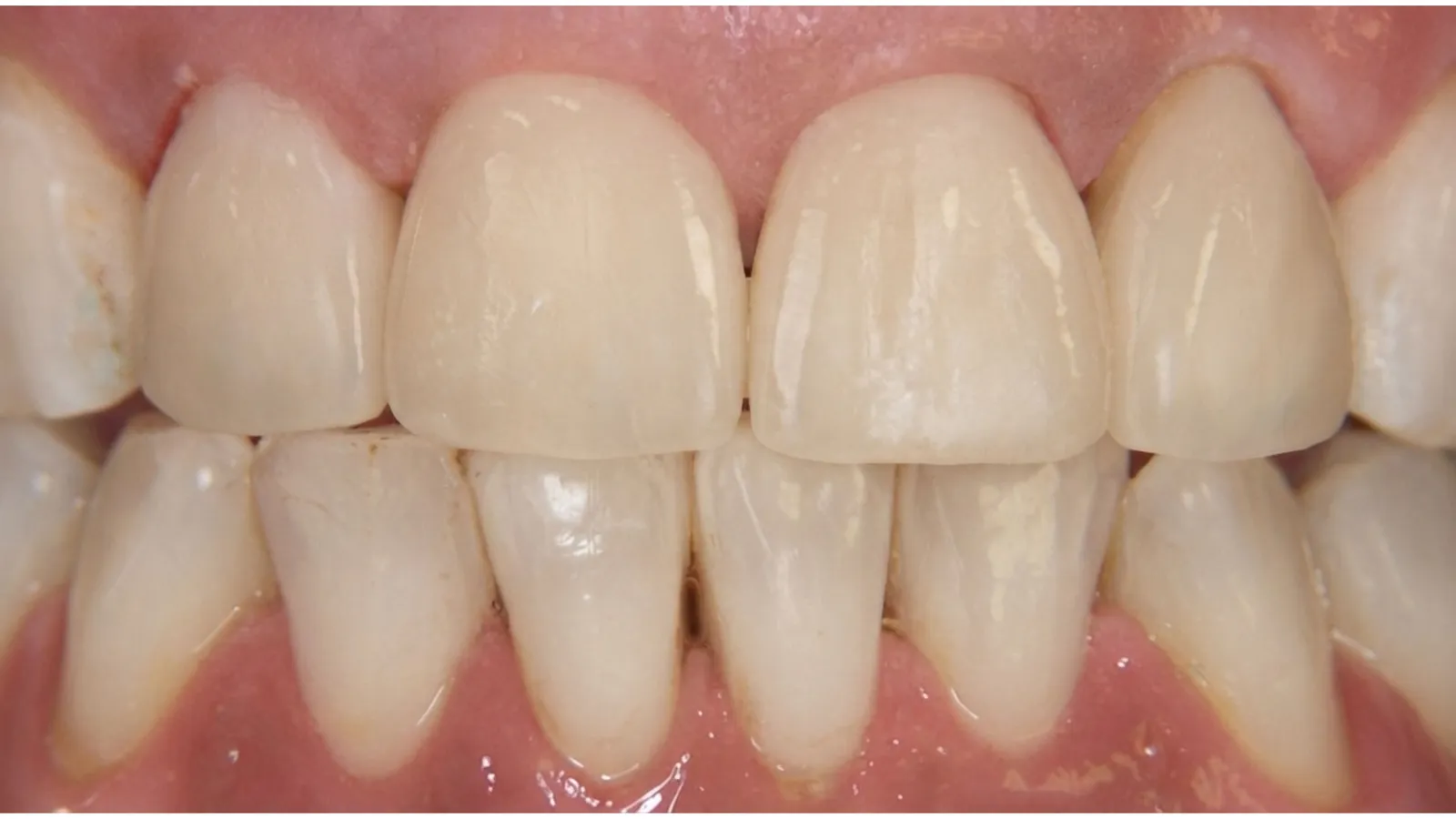
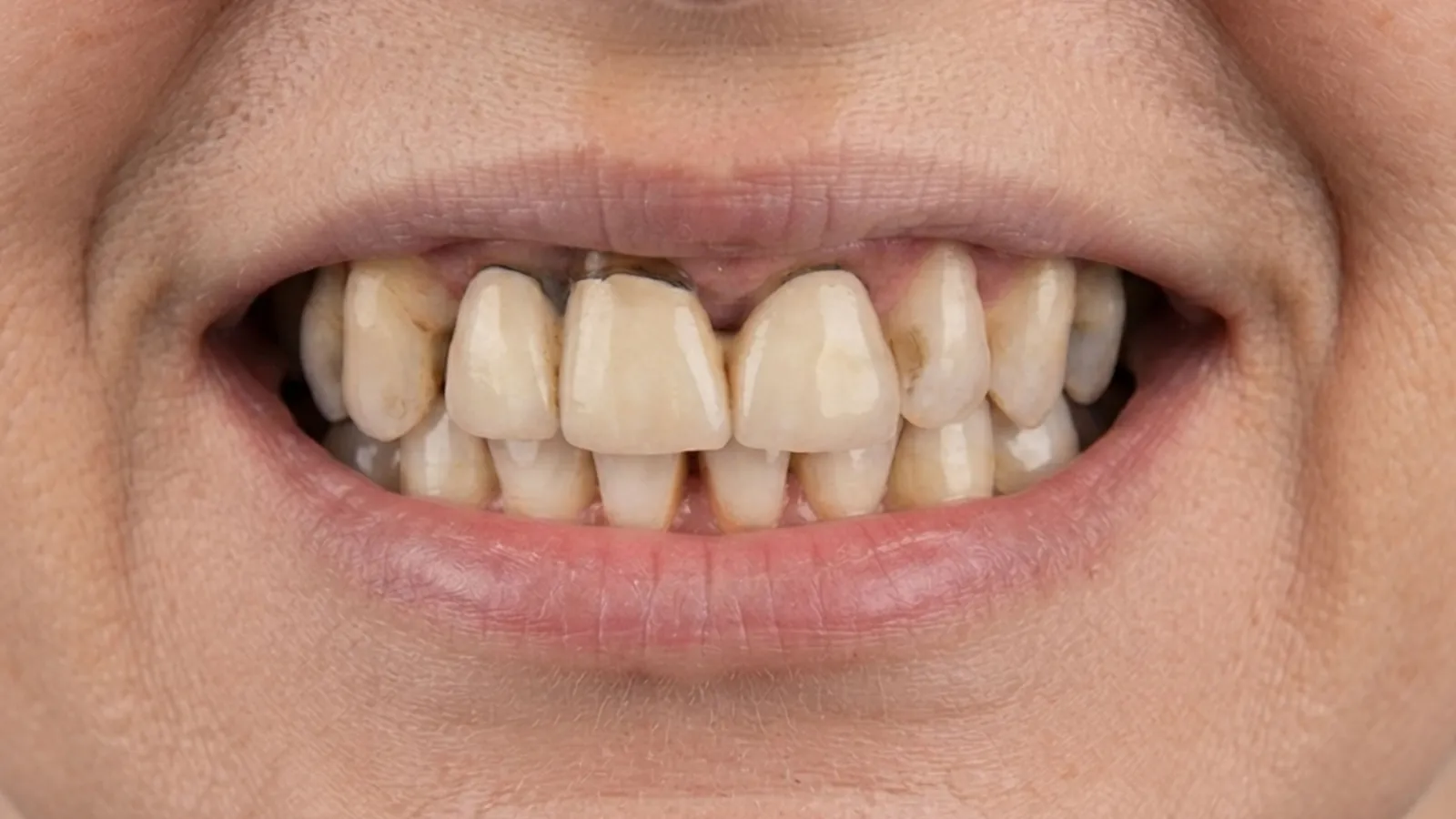
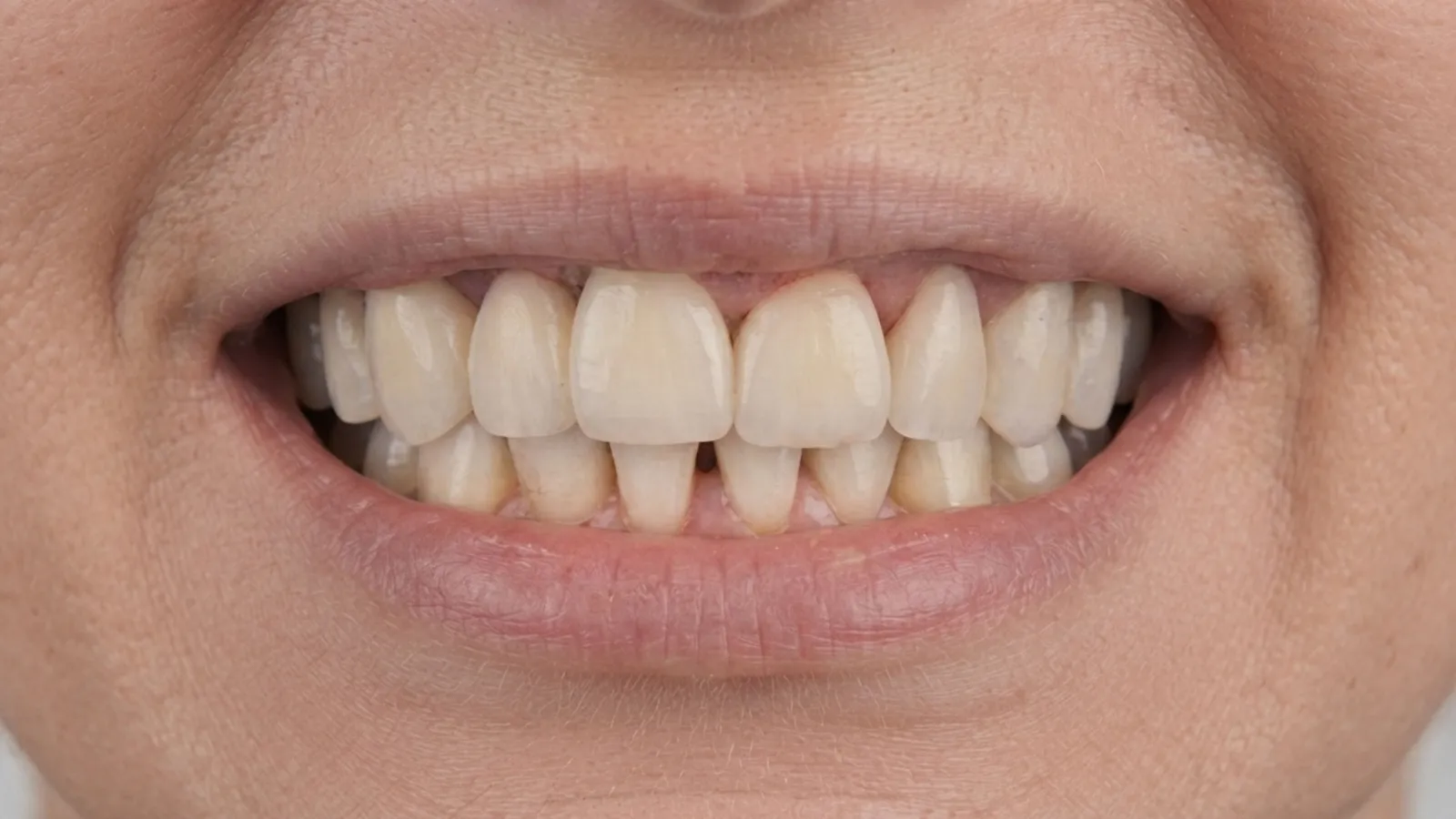
Before and After
Our happy patients,
in their own words
Transparent pricing
Prices are set out below. Your written plan confirms the fee before any treatment begins.
| Restoration | Dental & Wellness London (Price) |
|---|---|
| Ceramic inlay (cavity within the cusps) | £750 |
| Ceramic onlay (chewing surface + cusps) | £850 |
| Porcelain-bonded crown | £950 |
| Full-ceramic (Emax) crown | up to £1,200 |
| Included | Temporary restoration between visits |
| Finance | 0% APR finance over 12 months via Tabeo, subject to status |
0% APR finance over 12 months via Tabeo, subject to status.
Questions
people ask
If your question isn't answered here, call reception on 020 8127 4567 or email reception.
How much is a dental crown in Islington?
At Dental & Wellness London on Essex Road, a porcelain-bonded crown is £950 and a full-ceramic Emax crown is up to £1,200. Ceramic onlays are £850 and inlays £750. The temporary restoration between visits is included. We give you a written plan after assessment, and 0% APR finance over 12 months via Tabeo is available, subject to status.
What is the difference between an inlay, an onlay and a crown?
An inlay sits inside the tooth between the cusps, replacing a cavity. An onlay replaces part of the biting surface, including one or more cusps. A crown covers the whole visible tooth. The more of the tooth that is damaged, the more coverage it needs; we choose the smallest restoration that will reliably protect it.
How long do crowns and onlays last?
Well-made ceramic crowns, onlays and inlays commonly last ten to fifteen years, and many last longer. How long yours lasts depends on the health of the tooth underneath, your bite, any grinding, your diet and how well the margins are kept clean. Results vary, and regular examinations help us spot problems early.
Which is better, an Emax crown or a porcelain-bonded crown?
Both are reliable. An Emax crown is all ceramic, with natural translucency and no metal, so it suits front teeth and visible back teeth. A porcelain-bonded crown has a metal core and remains a strong option under heavy biting forces, although a thin dark line can sometimes show at the gum. We recommend one based on the tooth and your bite.
Can a cracked tooth be saved with an onlay?
Often, yes. If the crack has not reached the root, an onlay can hold the cusps together and protect the tooth from splitting further, with less preparation than a crown. If the crack is extensive, a full crown may be needed. A crack extending into the root usually means the tooth cannot be saved.
Do you replace old metal fillings with inlays or onlays?
Yes, where an old amalgam filling has failed, cracked or is undermining the tooth, we can replace it with a ceramic inlay or onlay. We assess each filling individually; a sound filling with no decay beneath it does not always need replacing. Your options and fees are set out in a written plan.
Where can I get a crown fitted near Angel or Highbury?
Our clinic is at 222 Essex Road, Islington N1 3AP, two minutes from Essex Road station, one stop from Highbury & Islington, and a 15–20 minute walk from Angel. Buses 38, 56, 73, 341 and 476 stop nearby. We are open Monday to Friday, 8am to 7pm (Tuesday from 9am), by appointment.
Book a restorative consultation
Start with a dental examination (£65) and a written plan. We will not crown a tooth that an onlay would protect as well. Call 020 8127 4567.
Contact US