Polynucleotides in London: what the treatment actually does, and who it suits
Reviewed By
Dr Vishal Patel
BDS Liverpool · MSc Aesthetic & Restorative Dentistry Manchester · GDC 103127 · AACD Member · Invisalign Diamond II Provider · IFAAS (International Fellowship in Advanced Aesthetic Science) · Facial anatomy & cadaver course, Dr Ali Pirayesh, University of Amsterdam · Harley Academy foundation training in injectable aesthetics · IBSA-trained (Profhilo) · NeoStrata-trained (skin peels) · Lynton Lasers trained, incl. ONDA
Last Updated
October 1, 2026
A dentist-injector's view of a regenerative treatment that is being oversold almost everywhere you read about it
Polynucleotides are injectable DNA fragments that prompt skin cells to repair, hydrate and rebuild collagen, helping thin, crepey skin, especially under the eyes. A course is usually three sessions, two to four weeks apart. At Dental & Wellness London, Islington, polynucleotides are from £250 per session, prescribed and administered by Dr Vishal Patel.
- DNA-fragment skin repair signal
- For crepey under-eyes, thin and tired skin
- Usually 3 sessions, 2 to 4 weeks apart
- Improvement builds over 2 to 3 months
- From £250 per session
- Administered by Dr Vishal Patel
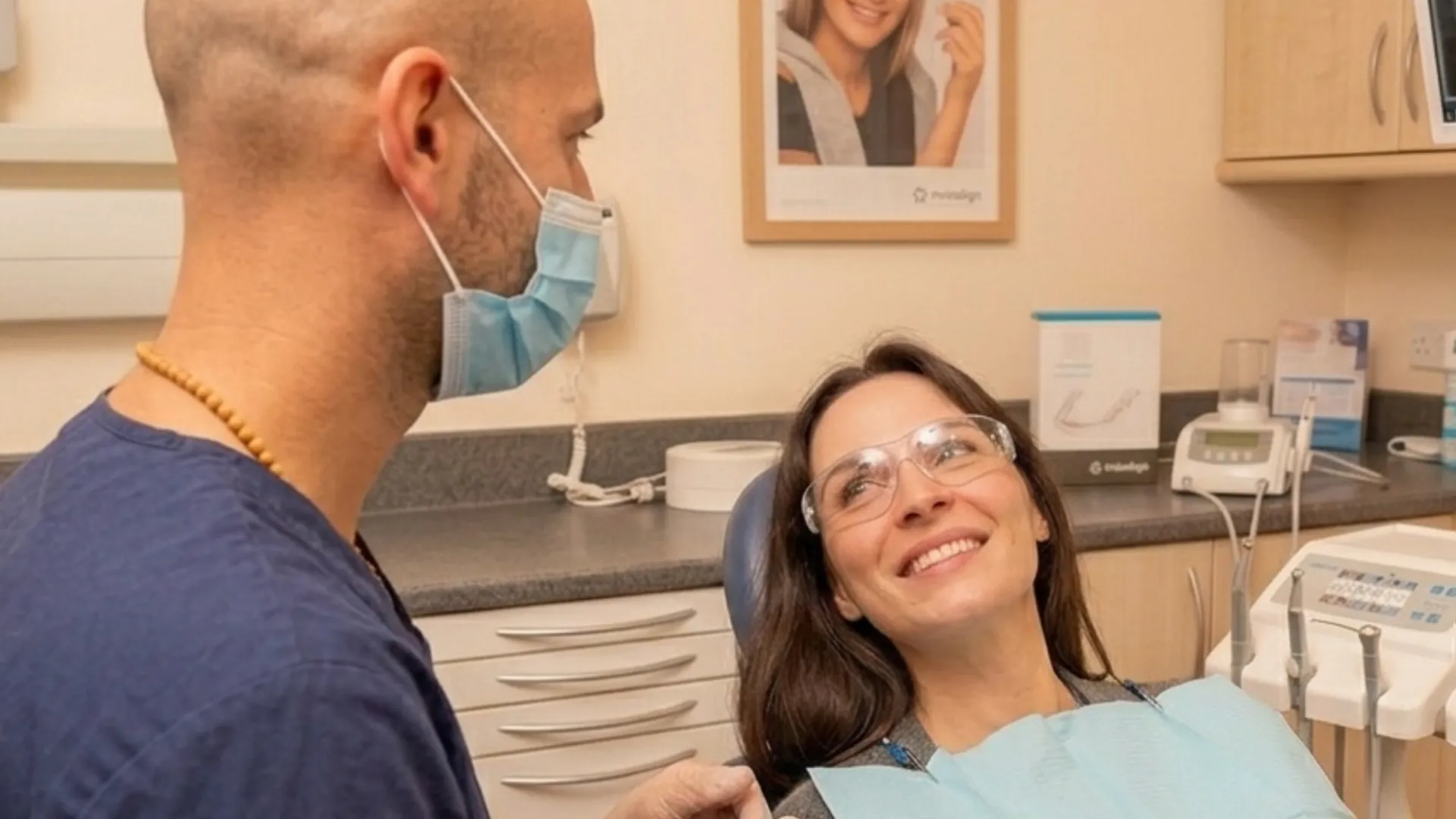
Polynucleotides at our Islington clinic
What polynucleotides are
Polynucleotides are injectable chains of purified DNA fragments, usually from salmon or trout. Rather than filling or freezing, they act as a signal that prompts skin cells to repair, hydrate and rebuild collagen over the following weeks. They are especially useful for thin, crepey skin, including under the eyes.
The material is purified, fragmented to a useful length and sterilised. It comes from cold-water fish because that material is biologically close to human DNA, which is why it carries a low risk of immune reaction. At our Islington clinic we think of polynucleotides as one of the more scientifically grounded injectables to reach aesthetic practice in the last decade. They are also not for everyone, and they will not do several of the things that much of the online marketing implies. The honest position sits between those two extremes, and it is the one we take in consultation.
What polynucleotide treatment actually does in the skin
Once placed in the skin, polynucleotides do three things that are worth separating, because they are often blurred together.
- They hydrate. Polynucleotides hold water in the tissue, so the first impression in the opening fortnight is a better-hydrated, slightly plumper surface.
- They calm the tissue. There is reasonable evidence of an antioxidant, anti-inflammatory effect, settling the low-grade inflammation that drives some skin ageing and some redness.
- They signal repair. This is the part that sets them apart. Polynucleotides appear to encourage fibroblasts, the cells that make collagen and elastin, to become more active. It is a regenerative signal rather than a filling action, which is why results build over weeks rather than appearing on the day.
Notice what is missing. There is no volumising. Polynucleotides do not lift a cheek or project a chin. If your concern is lost volume, this is the wrong treatment, and we would rather say so at the start than sell it for a purpose it cannot serve.
Who they suit
- Crepey under-eye skin and fine lines around the eyes
- Thin, tired or sun-damaged skin
- Early neck and décolletage crepiness
- Not suitable with a fish allergy, in pregnancy, or with active skin infection
Polynucleotides earn their place when the problem is skin quality: crepey texture, dullness, fine crinkling, thin under-eye skin and early laxity. They are poor value when the problem is volume, deep static lines or pigmentation, and in those cases we will point you to a better-matched treatment.
Who should not have polynucleotides
We do not treat anyone with a known allergy to fish or to the product components, during pregnancy or breastfeeding, or over active skin infection or inflammation in the area. Certain autoimmune or bleeding conditions are assessed individually, and where a medical question needs answering first we will ask you to speak to your GP or a dermatologist. If your real concern is structural volume or deep lines, the honest answer is a different treatment.
How we decide whether polynucleotides are right for you
Rather than asking whether you want polynucleotides, which invites a marketing answer, we work through three questions at consultation.
What is the actual concern?
If it is the quality of the skin, polynucleotides may well suit. If it is shape or volume, a dermal filler conversation is more appropriate. If it is pigmentation, other treatments do that job better.
What is the skin's starting point?
Younger skin with good reserves tends to respond quickly and needs little. Older or sun-damaged skin can still respond, but more slowly and sometimes across more sessions. Smokers and people with significant sun damage should expect a longer, gentler curve. Setting that expectation honestly at the beginning avoids disappointment halfway through a course.
Does it sit inside a sensible plan?
Regenerative treatment works best as part of a considered routine rather than a single event. Often the right answer is polynucleotides combined with good skincare and daily sun protection, sometimes alongside microneedling, and occasionally instead of a filler the patient thought they needed. The aim is natural aesthetics that age well, not a treated look.
Where polynucleotides are placed, and why the under-eye needs care
The most requested area, by some distance, is the under-eye. The skin there is the thinnest on the face, it shows fatigue first, and it responds visibly to better hydration and collagen support. We cover this area in more detail on our polynucleotides for under-eyes page. It is also the area where placement carries the most risk, because the blood supply around the eye is unforgiving.
This is where a dental surgical background matters. Dentists work every day around vital facial structures, and the tear-trough and lower-orbital region is dense with blood vessels, nerves and muscle that must be understood in three dimensions. We would encourage you to be wary of any clinic offering under-eye injectables that cannot speak plainly about the anatomy it is working around.
Other common areas include the neck and décolletage (see neck rejuvenation), where crepey texture responds well, the lower face for early laxity, and the backs of the hands. Each has its own depth, product choice and session count, and the consultation is where that is mapped out.
Polynucleotides compared with other injectables
Patients often arrive having read about three or four injectables and assuming they are interchangeable. They are not. Polynucleotides are also used on the scalp; see polynucleotides for hair loss.
- Dermal fillers use hyaluronic acid gel to add volume and structure. They work immediately and they reshape. Polynucleotides improve the quality of the skin over an area, not its shape. The two can be complementary: filler restores architecture, polynucleotides improve the skin over it.
- Profhilo and other skin boosters lead with hydration. Profhilo is a stabilised hyaluronic acid that spreads through the tissue and gives a subtle lift; polynucleotides lead with a repair signal. We set out the full comparison on our polynucleotides vs Profhilo page. For a single-session alternative, see Volite.
- Microneedling creates controlled micro-injury to provoke repair from the surface, whereas polynucleotides deliver the repair signal by injection. The two pair well and are sometimes staged together.
Product brands such as Plinest are named here for your research rather than as a menu. Product choice is a clinical decision made at consultation, matched to your skin.
What to expect
A course is usually three sessions, two to four weeks apart. Small bumps settle within a day or two, and occasional bruising within a week. Improvement builds gradually over two to three months. Compare options on our polynucleotides vs Profhilo page. Prescribed and administered by Dr Vishal Patel, BDS, MSc Aesthetic & Restorative Dentistry, GDC 103127, the clinic’s sole aesthetic prescriber.
In practice, many people notice better hydration and a fresher surface within the first two weeks. The collagen-driven change, which is the part that matters most, builds across the full course and continues for several weeks after the final session. Maintenance is typically every six to nine months, depending on how your skin responds. There is no general downtime and most people return to work the same day, though we would not schedule under-eye treatment a couple of days before an important photograph or event. Results vary from person to person, and we review progress with you rather than promise a fixed outcome.
Polynucleotides cost in Islington
Polynucleotide treatment at Dental & Wellness London is from £250 per session. The precise figure depends on the area and the amount of product needed, and because a standard protocol is a course rather than a single visit, we give you the full course cost in writing before anything is booked. A skin and aesthetic consultation is £65, redeemable in full against treatment if you go ahead. The fee covers assessment, product, injection and review.
We price the course as what it is: a regenerative protocol that needs several sessions to do its work. Pretending that one session will change your skin is exactly the kind of overselling we try to avoid.
Why have it with us
Every aesthetic treatment at our clinic on Essex Road is prescribed and administered by Dr Vishal Patel, BDS (Liverpool), MSc Aesthetic & Restorative Dentistry (Manchester), GDC 103127. He has around twenty years in dentistry and ten years in facial aesthetics, and is an AACD member. His training includes the International Fellowship in Advanced Aesthetic Science, a facial anatomy and cadaver course with Dr Ali Pirayesh at the University of Amsterdam, Harley Academy, and IBSA training. There is no remote prescribing and no treatment plan signed off without an in-person assessment.
That background shows up as restraint: proportionate treatment, attention to facial balance and symmetry, and a willingness to tell you when a different treatment, or no treatment, is the better answer.
The clinic is at 222 Essex Road, Islington, London N1 3AP, two minutes from Essex Road station and a short ride from Angel, Highbury, Canonbury, Hackney and Stoke Newington. Many patients cycle or use a Lime or Forest e-bike. We are open Monday to Friday, 8am to 7pm, by appointment, and patients rate us 4.7 stars from more than 300 Google reviews.
How this fits a whole-health view of skin
Because we are an integrative clinic, we will say the unfashionable thing: no injectable substitutes for sleep, hydration, sun protection and a settled routine. Skin reflects the body it belongs to. Polynucleotides give the dermis a useful repair signal, but they work better in skin that is being looked after from the inside. Where it is relevant, our nutritional therapy and wellness practitioners can sit alongside an aesthetic plan, supporting rather than replacing the care you receive from your GP.
Clinically reviewed by Dr Vishal Patel · BDS · MSc Aesthetic & Restorative Dentistry · GDC 103127. Last reviewed 1 October 2026.
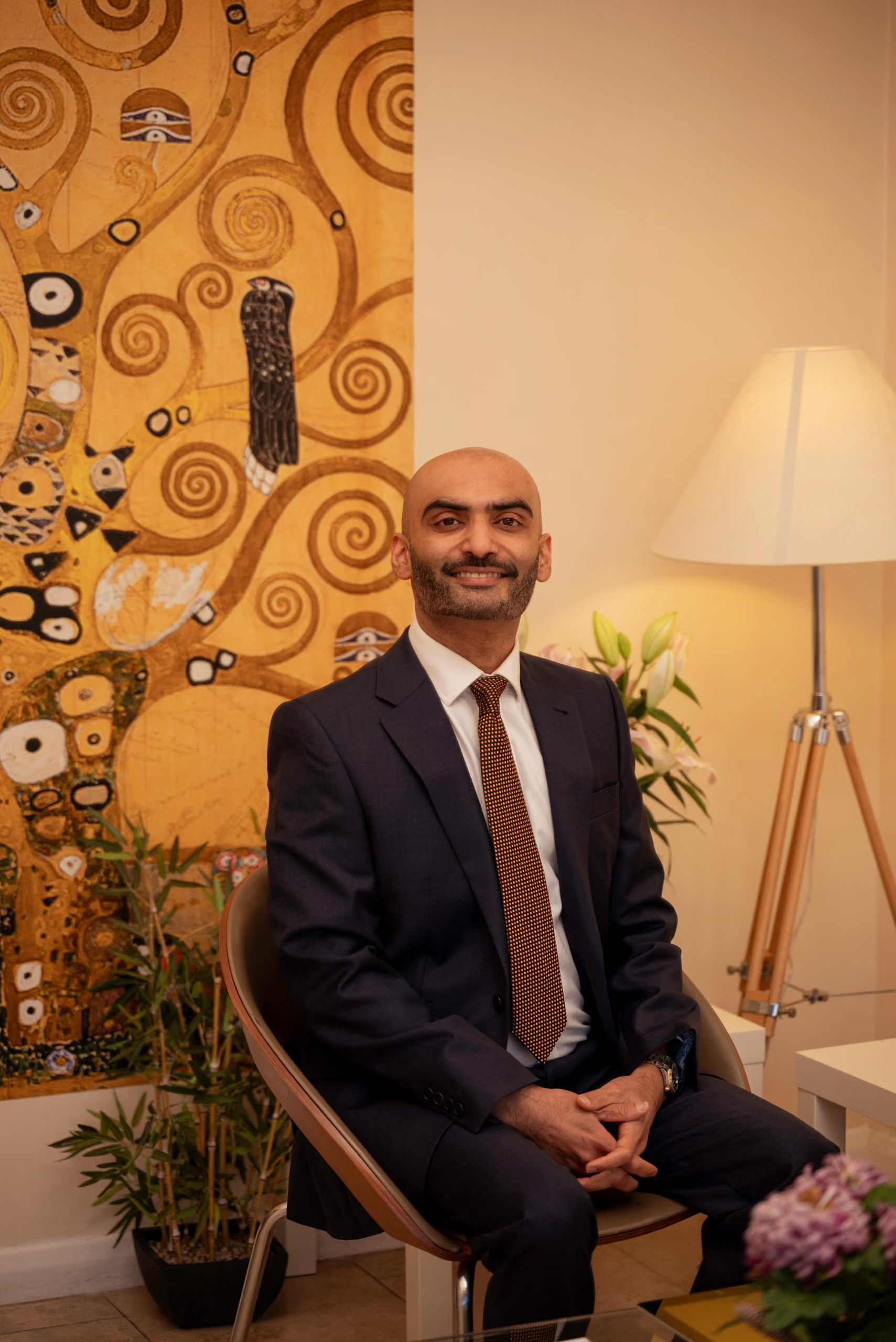
Dr Vishal Patel
Clinical lead · Sole aesthetic prescriber · 10 years in facial aesthetics
BDS Liverpool · MSc Aesthetic & Restorative Dentistry (Manchester) · GDC 103127 · International Fellowship in Advanced Aesthetic Science (IFAAS) · Facial anatomy and cadaver course with Dr Ali Pirayesh, University of Amsterdam · Harley Academy · IBSA and NeoStrata trained
We will tell you when a treatment is not the right answer. That honesty is part of the treatment.
Read Dr Patel’s profile →Further reading
Immediate Plumping
Antioxidant Effect
Collagen Stimulation
Polynucleotides change skin quality gradually, so we review your photographs at around three months rather than judging after the first session.
Repair, not just filling.
Consultation — £65
A skin assessment with an honest view of what will help. The fee is redeemable in full against treatment.
Course
Usually three sessions, two to four weeks apart.
Review
We review your skin and agree maintenance.
Start with a consultation
- £65, redeemable in full against treatment
- Carried out by Dr Vishal Patel
- A written plan before treatment
Or call 020 8127 4567 · WhatsApp +44 7974 910222
222 Essex Road, Islington N1 3AP · Mon–Fri, 8am–7pm
Before and After
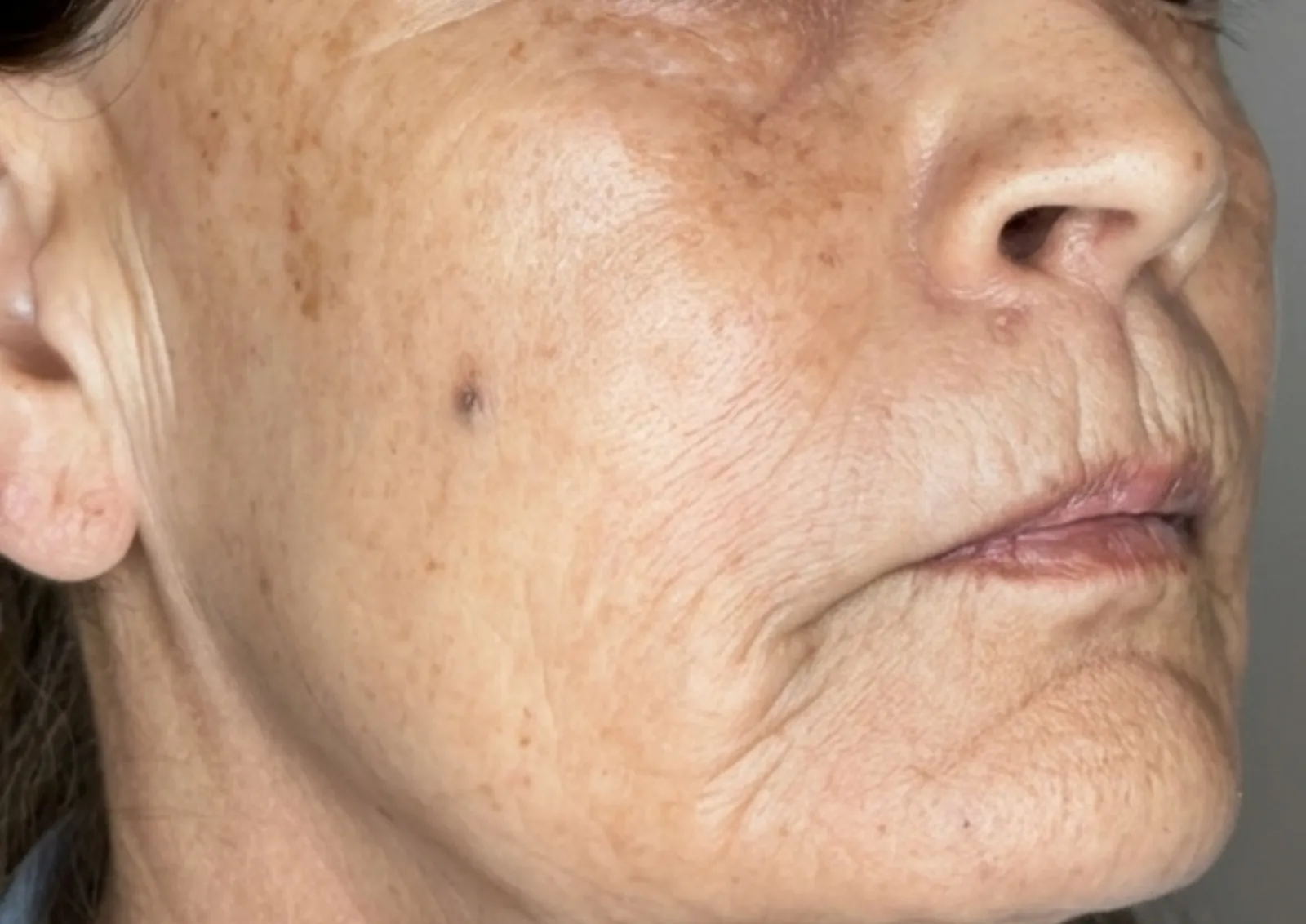
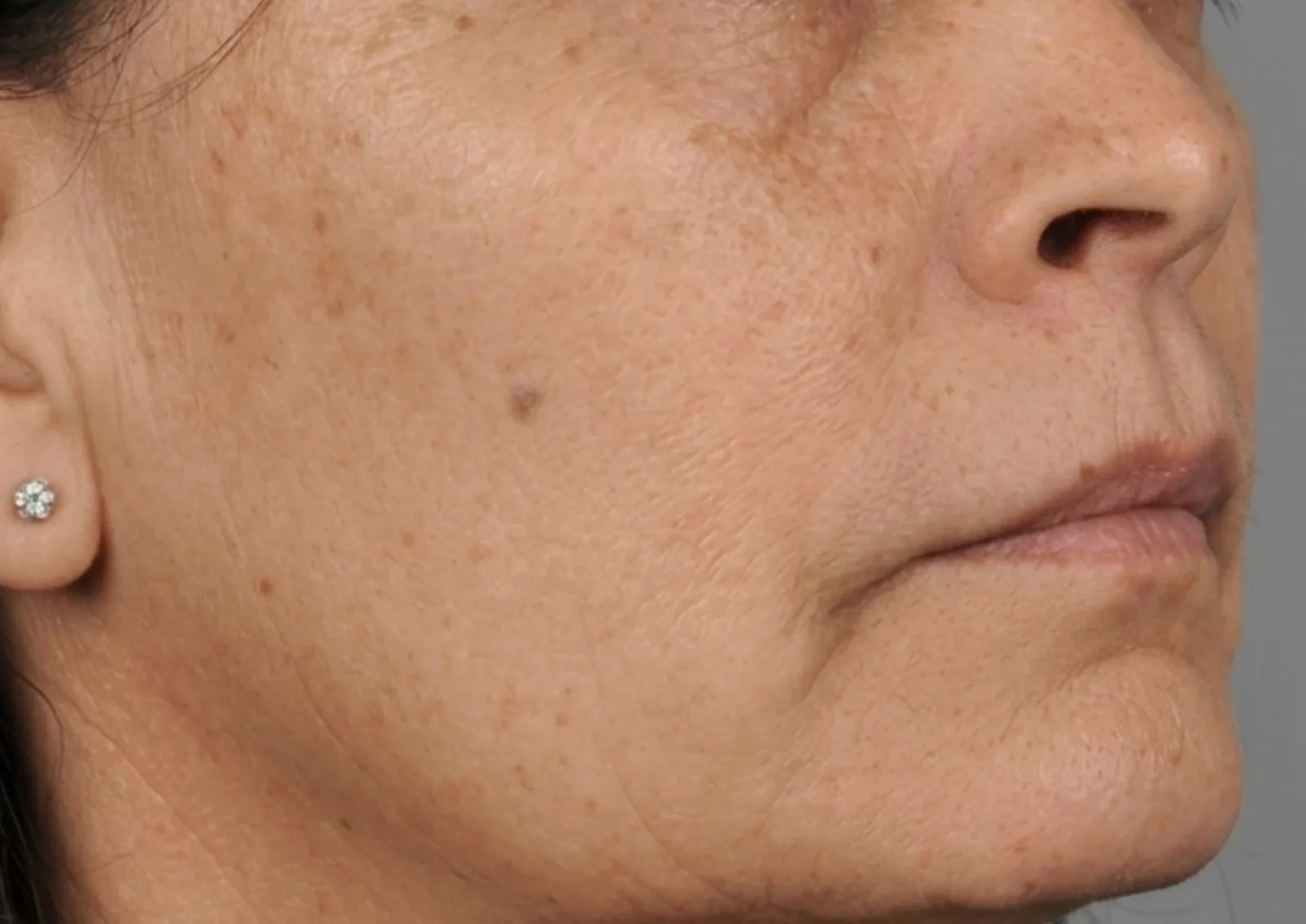
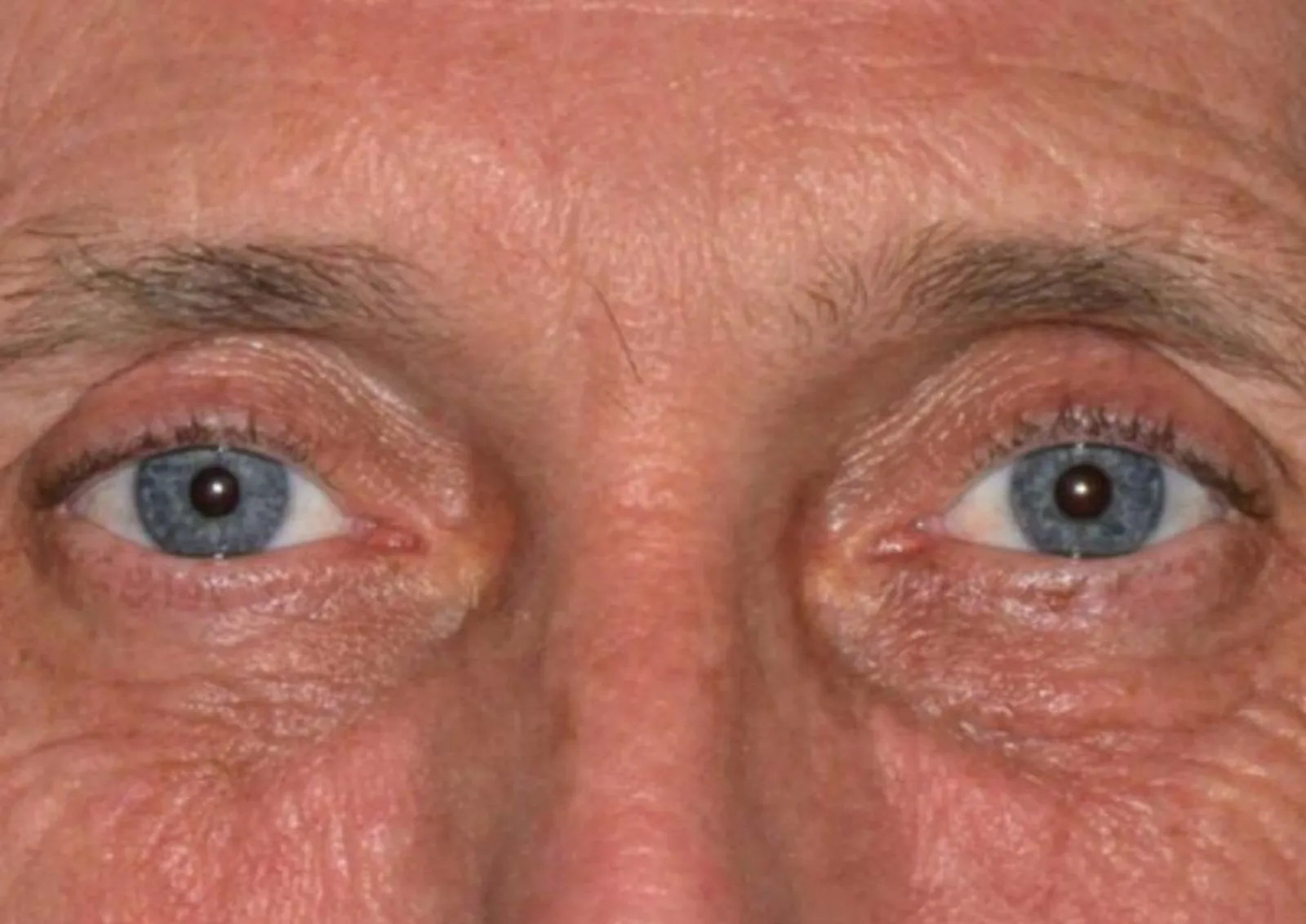
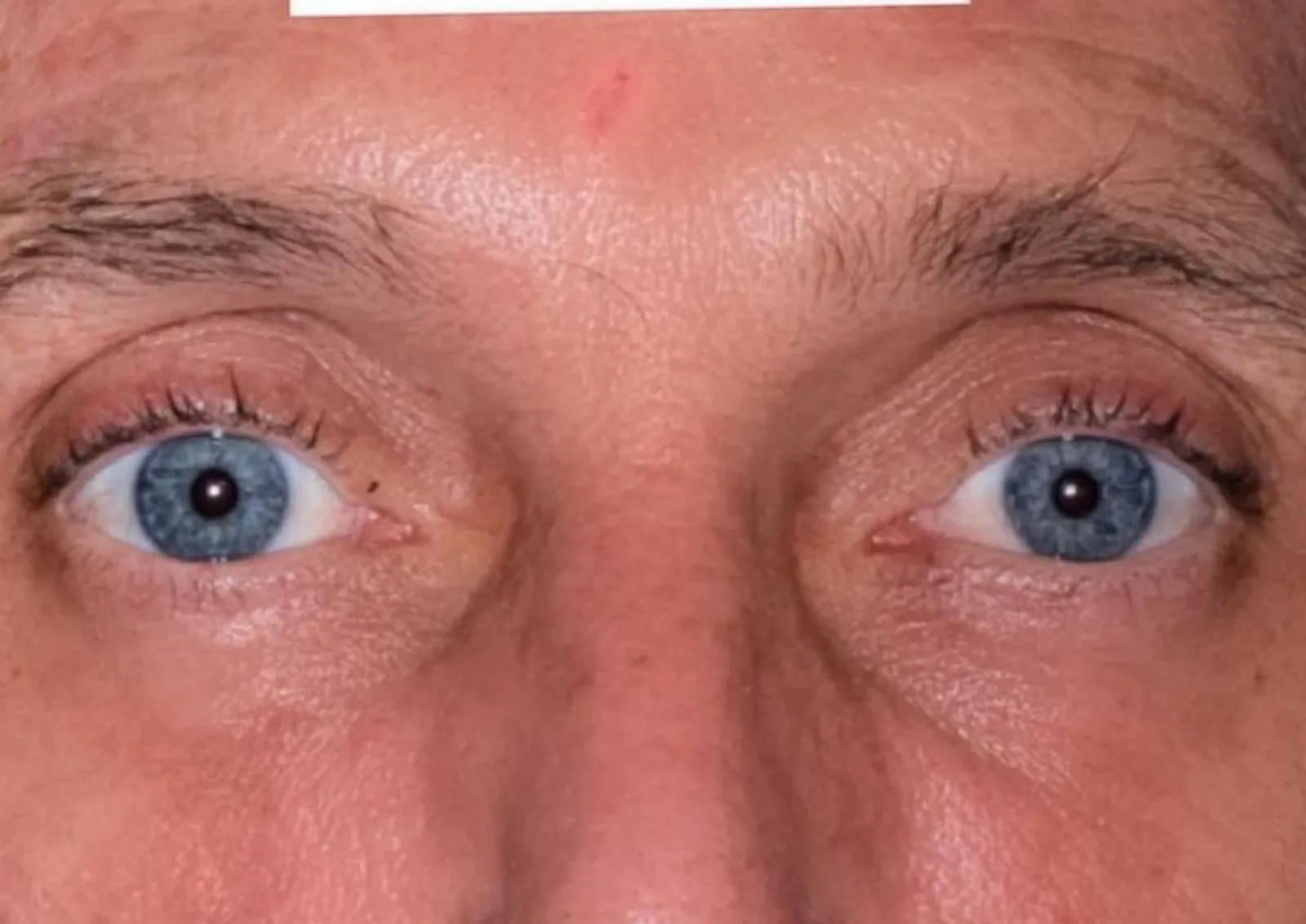
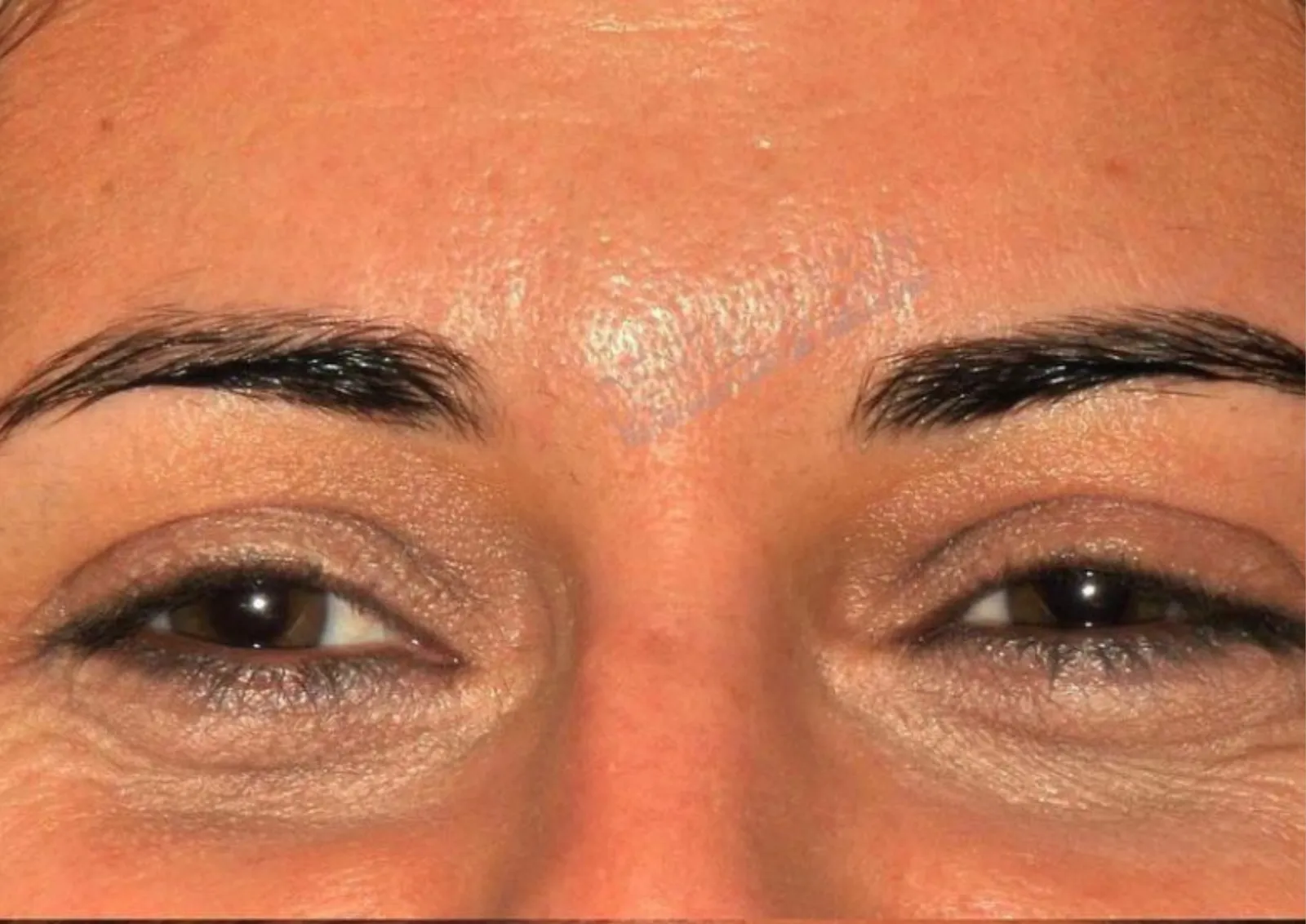
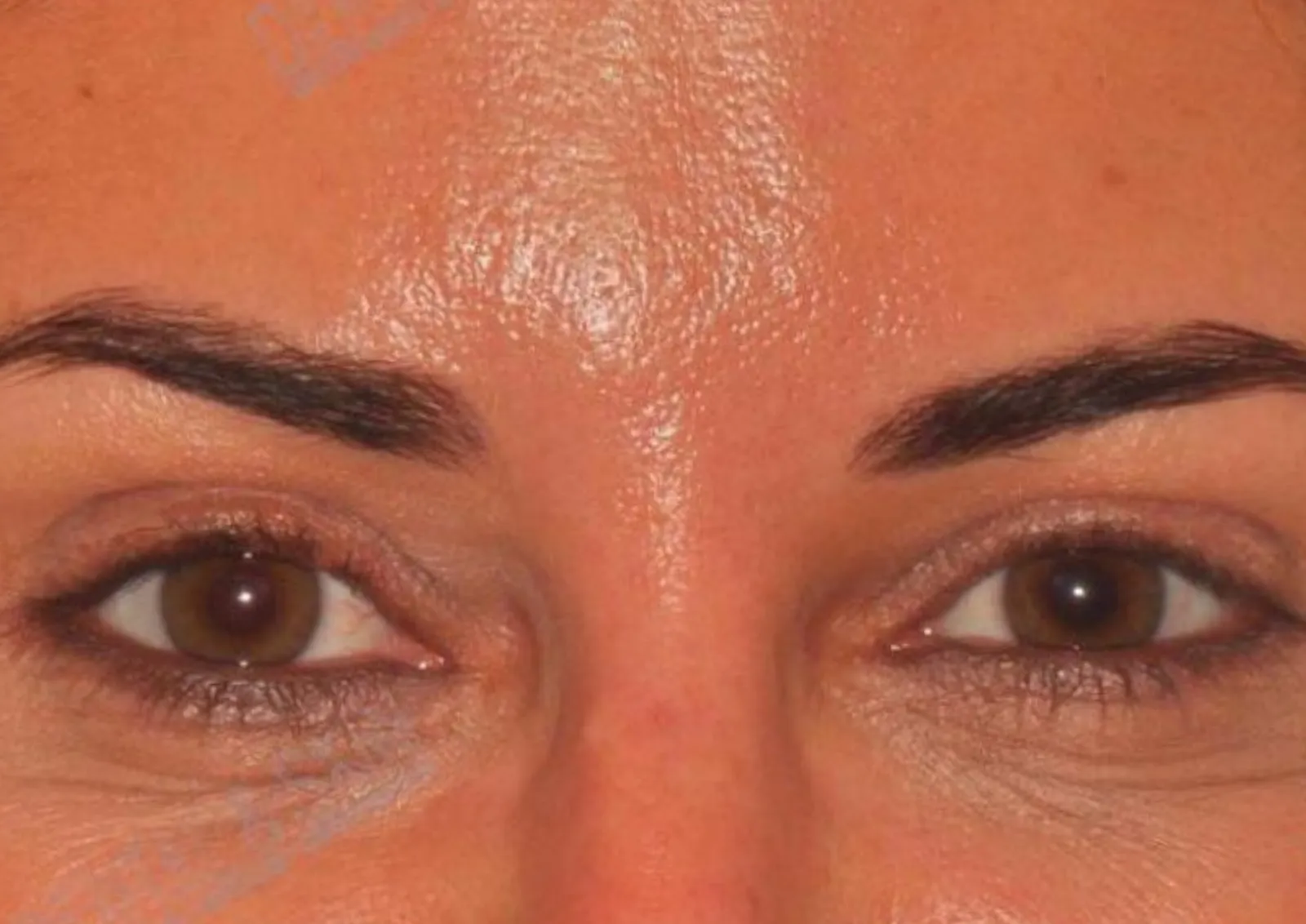
Our happy patients,
in their own words
Transparent pricing
Prices are set out below. Your written plan confirms the fee before any treatment begins.
Clear prices, set out before you start.
Redeemable in full against treatment
Per session; usually a course of three
Included
- Assessment by Dr Patel
- A written plan
Quoted separately
- Maintenance, priced per session
Questions
people ask
If your question isn't answered here, call reception on 020 8127 4567 or email reception.
What are polynucleotides made from?
Purified DNA fragments, usually from salmon or trout.
How are polynucleotides different from Profhilo?
Profhilo hydrates and gives a subtle lift; polynucleotides send a repair signal, especially useful for thin, crepey skin.
How many sessions will I need?
Usually three, two to four weeks apart, then maintenance.
Is there any downtime?
Very little: small bumps for a day or two and occasional bruising.
How much do polynucleotides cost in London?
At Dental & Wellness London, Islington, from £250 per session. The consultation is £65, redeemable in full.
Who carries out polynucleotide treatment?
Prescribed and administered by Dr Vishal Patel, BDS, MSc Aesthetic & Restorative Dentistry, GDC 103127, the clinic’s sole aesthetic prescriber.