Polynucleotides for under-eye hollows: a tear-trough alternative
Reviewed By
Dr Vishal Patel
BDS Liverpool · MSc Aesthetic & Restorative Dentistry Manchester · GDC 103127 · AACD Member · Invisalign Diamond II Provider · IFAAS (International Fellowship in Advanced Aesthetic Science) · Facial anatomy & cadaver course, Dr Ali Pirayesh, University of Amsterdam · Harley Academy foundation training in injectable aesthetics · IBSA-trained (Profhilo) · NeoStrata-trained (skin peels) · Lynton Lasers trained, incl. ONDA
Last Updated
October 1, 2026
Why the most delicate area of the face is the one place where "more filler" is most often the wrong answer
Under-eye polynucleotides improve thin, crepey skin and fine lines without adding volume, and may soften dark circles caused by thin skin. They are an alternative to tear trough filler where volume is not the problem. A course is two to three sessions. At Dental & Wellness London, Islington, treatment is from £250 per session, by Dr Vishal Patel.
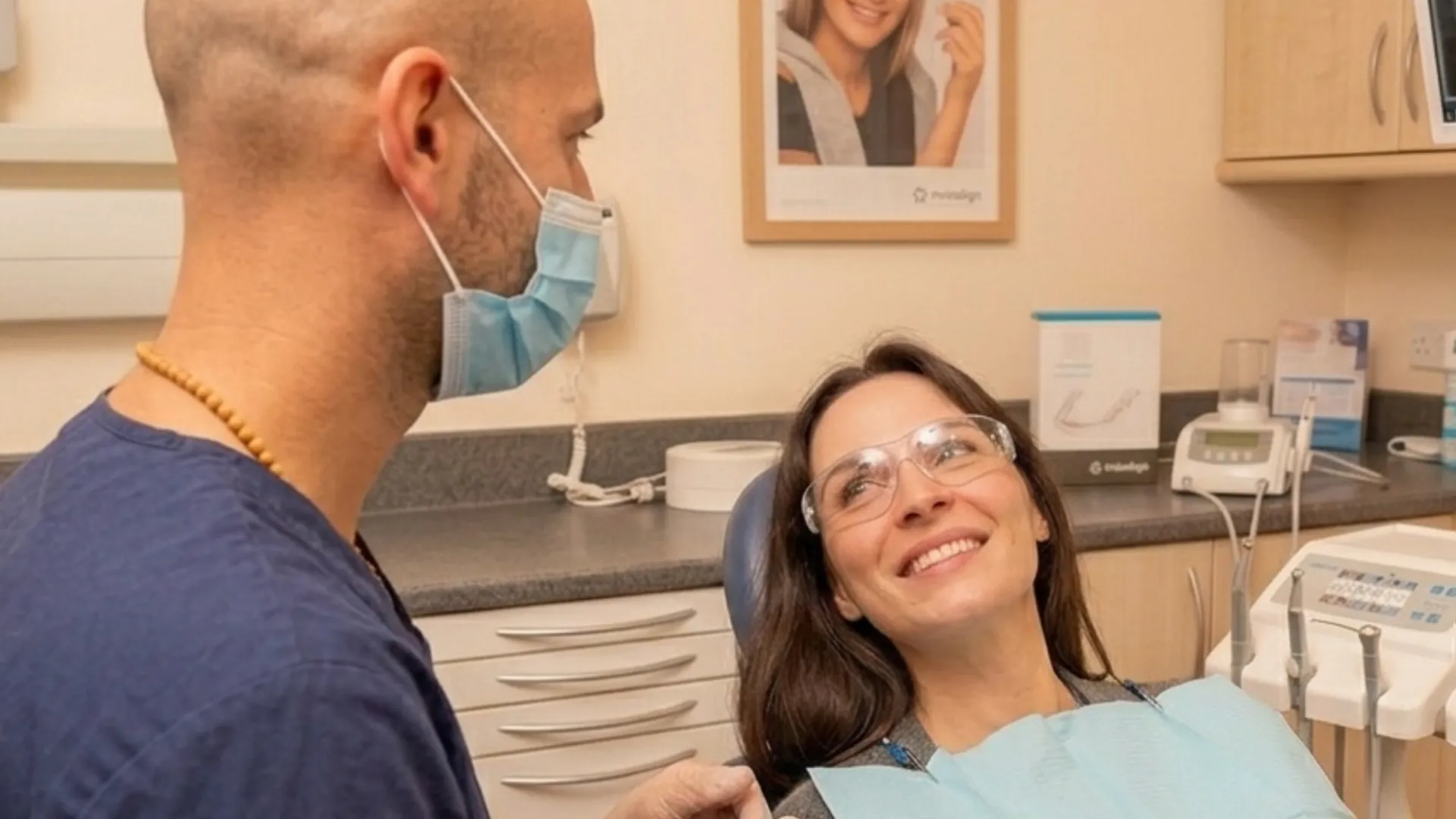
Treatment at a glance
- Improves thin, crepey under-eye skin
- No added volume
- Course of 2 to 3 sessions
- Lasts about 6 to 9 months
- From £250 per session
Under-eye polynucleotides at our Islington clinic
A tear trough alternative
Under the eyes, more filler is often the wrong answer. Where the problem is thin, crepey skin rather than a hollow, polynucleotides can improve skin quality and texture without adding volume, and may soften dark circles caused by thin skin. Where there is a true hollow, tear trough filler may help, sometimes after polynucleotides. At our clinic on Essex Road in Islington, the decision between the two is made at a face-to-face consultation, not from a treatment menu.
Many people who come to us worried about tired-looking under-eyes have already been offered filler. Some have already had it. A meaningful number of them should not have been, because their problem was never volume. It was the skin itself. We see the results of that mistake in consultation regularly, and we will decline to repeat it when we think it is the wrong treatment.
Why under-eyes look tired
Tired-looking under-eyes usually have one or more of three causes:
- A genuine hollow: lost volume in the tear trough, so a shadow forms where the lower lid meets the cheek.
- Thin, crepey skin: lost quality, so the skin creases, looks papery and lets the colour of the vessels beneath show through.
- Colour: inherited pigment or shadowing that no injectable fully corrects.
Filler addresses only the first. Placed into thin under-eye skin for the wrong reason, it can make things worse: puffiness, a bluish tint through the skin, and swelling that comes and goes with salt and sleep. Polynucleotides exist for the second cause. They are not a softer filler and they will not fill a deep hollow. They act as a repair signal for the thin, fragile skin of the lower eyelid, and for the right patient that is what was needed all along.
What polynucleotides are
Polynucleotides are purified DNA fragments, usually derived from salmon or trout, processed to be compatible with human tissue. Injected into the skin they hydrate, have a calming antioxidant effect, and encourage fibroblasts, the cells that make collagen and elastin, to become more active. The change is gradual: firmer, thicker, less crepey skin over a number of weeks. Nothing is lifted, frozen or volumised. Brands include Plinest and others in the same class; our main polynucleotides page explains the category in more detail. In the UK, polynucleotides are prescribed after a face-to-face consultation, which is why treatment always begins with an assessment.
Who it suits
- Crepey, thin under-eye skin and fine lines
- Mild darkness from thin skin
- People who have had under-eye filler dissolved and want a more conservative approach
- People who are wary of filler near the eyes, since no volume is placed and so nothing can migrate or be overfilled
- Not true bags or deep hollows, which need a different approach
- Not with a fish allergy or in pregnancy
How we assess your under-eyes
Rather than a generic consultation, our under-eye assessment in Islington comes down to three questions.
Is it a hollow?
We look at you upright, in natural light, and gently support the cheek. If the trough disappears when support is restored from below, the honest conversation is about volume, and tear trough filler may be the better treatment.
Is it the skin?
Fine crepe lines, a papery texture, skin that creases when you smile and stays creased. This is the polynucleotide patient. No filler improves skin quality; a repair signal can.
Is it colour?
True pigment and inherited dark circles respond only partially to any injectable. We say so before you spend anything, because a treatment that half-works on the wrong diagnosis is a poor purchase, however well it is delivered.
Many people are a blend of two answers, which is why the assessment comes first and the product second.
Polynucleotides or tear trough filler?
Polynucleotides are usually the better choice when the skin is the problem: thin, crepey, dull under-eye skin, early fine lines, and mild darkness driven by skin quality rather than pigment. A genuinely hollowed trough in good-quality skin is a volume problem, and a volume problem usually wants a volume answer. For those patients tear trough filler, £250 for 0.5ml or £395 for 1ml at our clinic, is often the more effective treatment, and we will say so rather than recommend the newer product. Our page on dermal fillers in Islington covers filler more broadly.
For blended cases, combining the two is often the strongest plan. The order we use is quality first: a polynucleotide course to strengthen the skin, then reassessment, then a conservative amount of filler only if a true hollow remains. Treating in that order often means less filler than the patient expected to need, and sometimes none. We do not place both in the same appointment in this area.
What to expect
A course of two to three sessions, a few weeks apart. Small bumps settle within a day or two; bruising is possible. Improvement builds gradually and usually lasts six to nine months. Prescribed and administered by Dr Vishal Patel, BDS, MSc Aesthetic & Restorative Dentistry, GDC 103127, the clinic’s sole aesthetic prescriber.
The appointment
After assessment and consent, the area is cleansed and a series of very small, shallow injections places the product along the lower eyelid region. The injecting itself takes a few minutes per side. Expect small raised bumps where the product sits, and accept a real possibility of a small bruise, because this is some of the most vascular skin on the face. We would not treat you in the week before an important event, and we tell you that before booking rather than after.
The results timeline
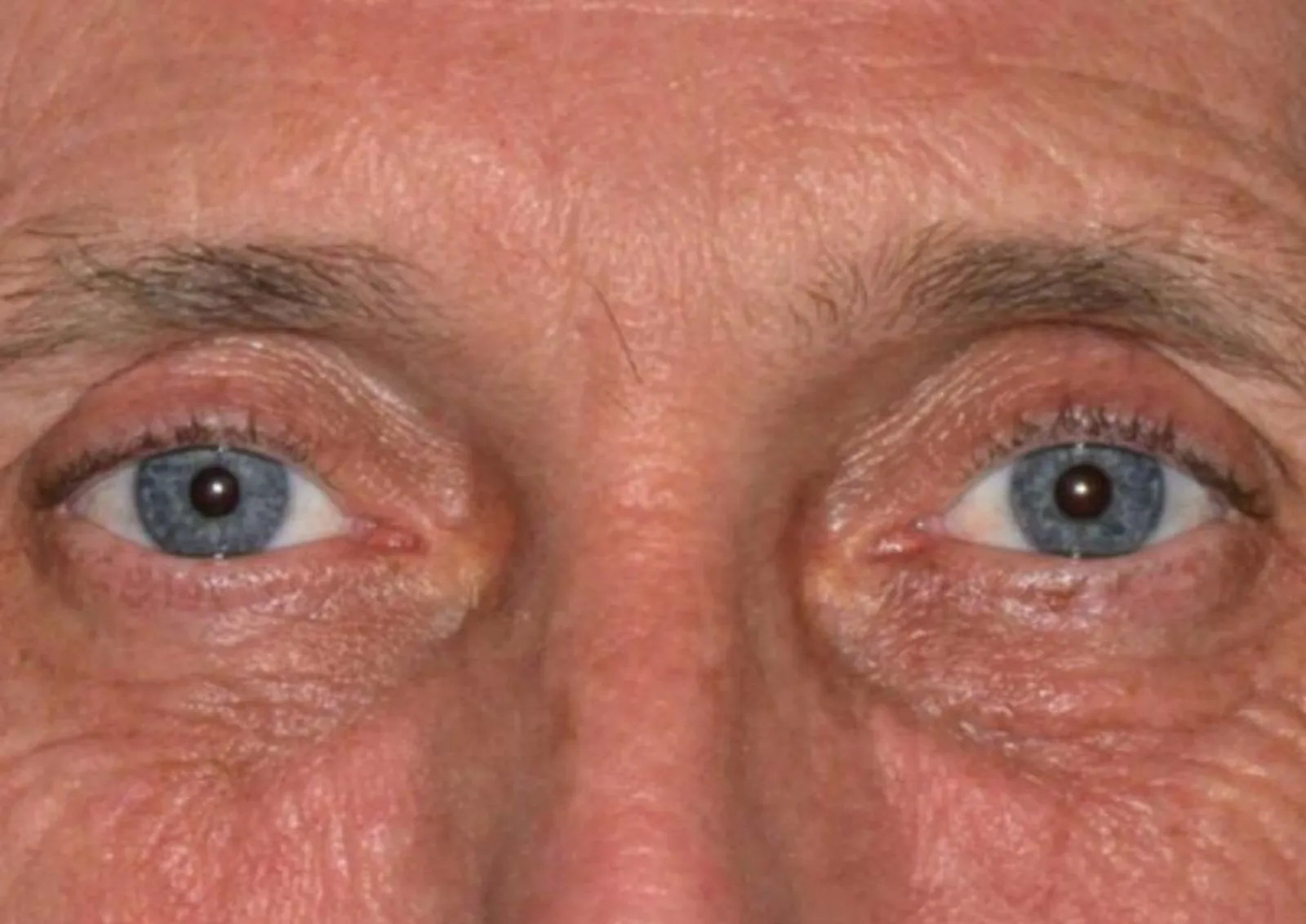
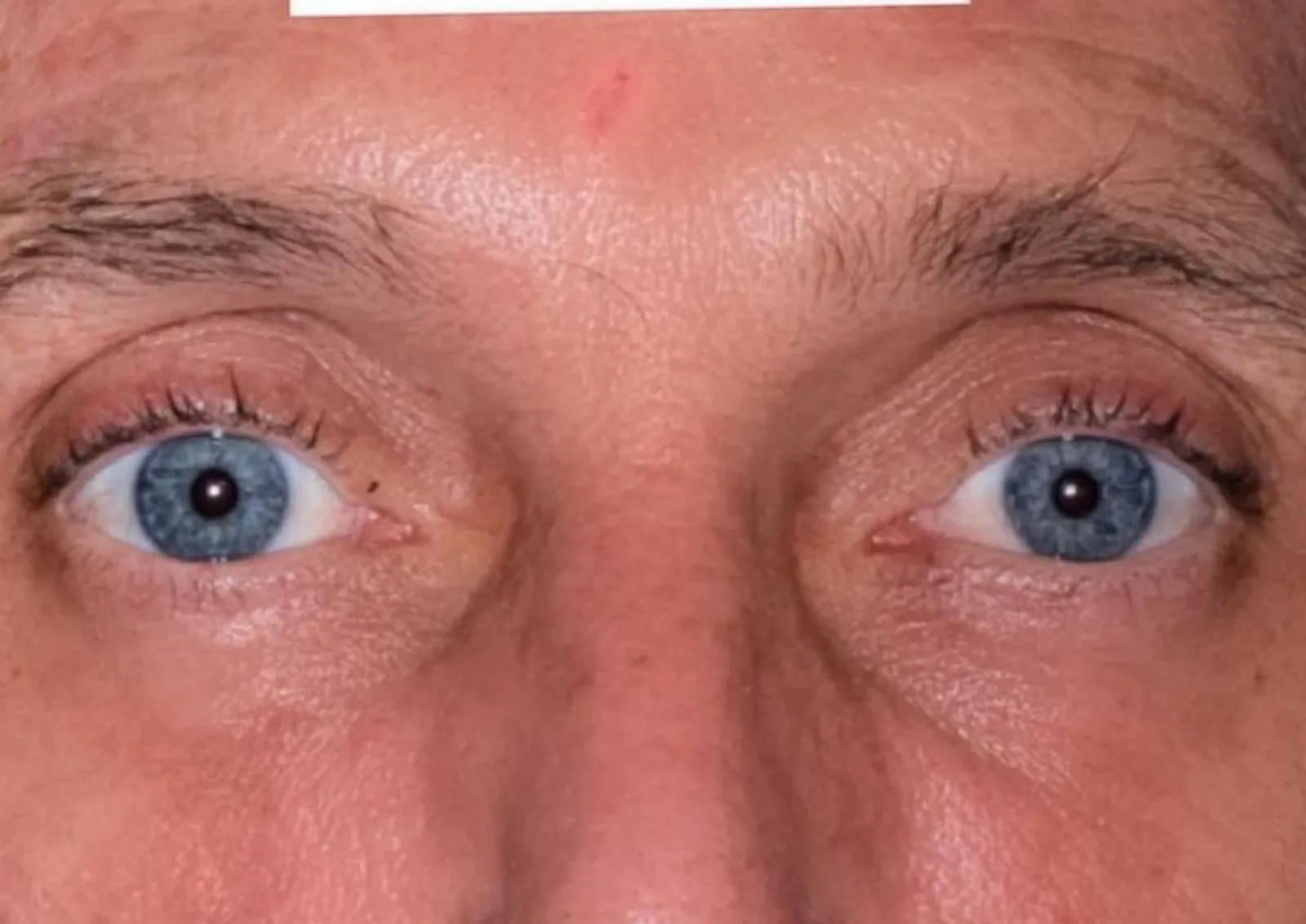
This is a regenerative treatment, not an instant one. Hydration improves within the first couple of weeks. The collagen-led change builds from around week four and is usually at its best two to three months after the course. Photographs taken the day after a session show very little; photographs at three months are where the treatment is judged. Maintenance, where wanted, is typically a single session every six to nine months. Results vary from person to person, and we use the word may deliberately: polynucleotides may soften dark circles where skin quality is the driver. Where pigment or anatomy dominate, improvement will be partial, and we will have told you so at consultation.
Aftercare
Aftercare is simple and short. For twenty-four hours, avoid rubbing the area, make-up over the injection points, alcohol and hard exercise. Avoid saunas and extreme heat for a few days. Sleep slightly elevated the first night if you are prone to puffiness. Bumps settle quickly, and a bruise, if one appears, behaves like any other bruise. You can contact the clinical team directly if anything concerns you.
Safety and side effects
The side effects worth naming are temporary swelling and visible bumps, which are common and short-lived; bruising, which is more likely here than elsewhere on the face; and transient puffiness in people who tend to retain fluid. Allergy is rare but possible in people with a fish allergy, which we screen for. The serious vascular complications associated with volumising filler belong to a different risk profile, because polynucleotides add a signal rather than volume. Even so, no injection near the eye is trivial, and safety here depends mostly on the person holding the needle.
We do not treat during pregnancy or breastfeeding, over active infection or inflammation around the eyes, or where the medical history suggests another approach. Where a concern needs medical rather than cosmetic care, we will suggest you see your GP or a dermatologist.
Cost of under-eye polynucleotides in Islington
Skin boosters, including polynucleotides, start from £250 per session. Because a typical under-eye course is two to three sessions, it is worth thinking about the course as a whole rather than the single-session figure, and your written plan sets out the number of sessions before you commit. A skin and aesthetic consultation is £65 and is redeemable in full against treatment. If we conclude the treatment is wrong for you, the consultation has still done its job. The choice between polynucleotides and filler should be made on diagnosis, never on price.
Why have it with us
The lower eyelid carries the thinnest skin on the face, over a dense network of vessels, with the eye itself millimetres away. There is no area where injector anatomy matters more. Dr Vishal Patel has around twenty years in dentistry and ten years in facial aesthetics, and a dental surgical background means daily work around the blood vessels, nerves and muscles of the face. He holds an MSc in Aesthetic & Restorative Dentistry from the University of Manchester and is our sole aesthetic prescriber and injector, so the person who assesses you is the person who treats you.
His training includes the International Fellowship in Advanced Aesthetic Science, a facial anatomy and cadaver course with Dr Ali Pirayesh at the University of Amsterdam, Harley Academy, and IBSA training. Our approach is proportionate and conservative: natural results that age well, and the advice to do nothing when that is the honest answer. You can read more on Dr Patel’s profile.
The clinic is at 222 Essex Road, Islington, London N1 3AP, two minutes from Essex Road station on the Great Northern line between Moorgate and Highbury & Islington, and on the 38, 56, 73, 341 and 476 bus routes. It is a short ride from Angel, Highbury, Canonbury, Hackney and Stoke Newington. Many patients cycle or use a Lime or Forest e-bike; Dalston is around ten minutes by bike. We have cared for patients in N1 since 2009 and are rated 4.7 stars from more than 300 Google reviews. Appointments are Monday to Friday, 8am to 7pm, by appointment only.
Clinically reviewed by Dr Vishal Patel · BDS · MSc Aesthetic & Restorative Dentistry · GDC 103127. Last reviewed 1 October 2026.
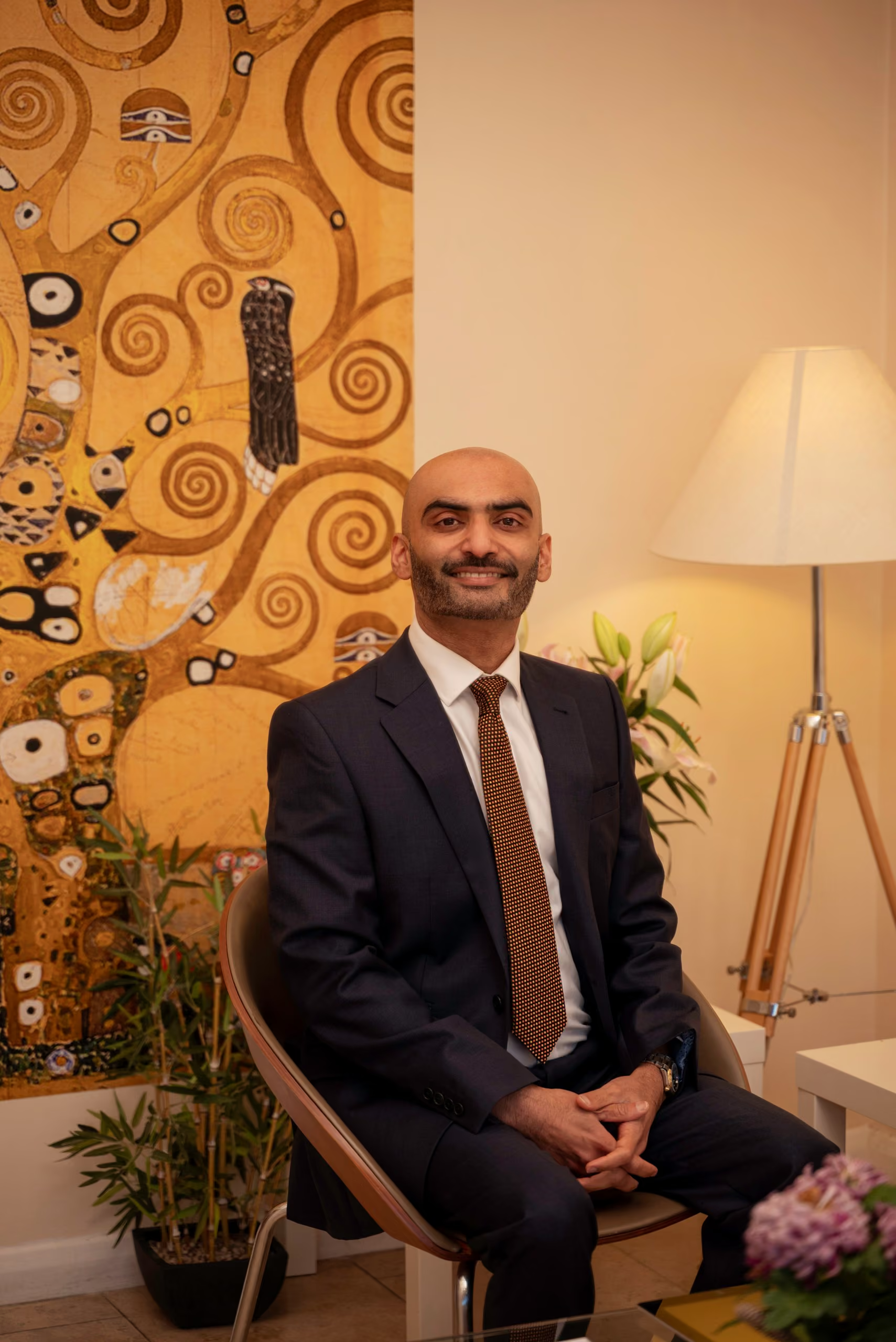
Dr Vishal Patel
Clinical lead · Sole aesthetic prescriber · 10 years in facial aesthetics
BDS Liverpool · MSc Aesthetic & Restorative Dentistry (Manchester) · GDC 103127 · International Fellowship in Advanced Aesthetic Science (IFAAS) · Facial anatomy and cadaver course with Dr Ali Pirayesh, University of Amsterdam · Harley Academy · IBSA and NeoStrata trained
We will tell you when a treatment is not the right answer. That honesty is part of the treatment.
Read Dr Patel’s profile →This page is part of our wider guide to skin boosters, which sets out every option we offer side by side. For another established option, see Restylane Skinboosters.
Further reading
Hollow · Skin · Colour
Skin Repair, Not Volume
Procedure · Aftercare · Combination
Hollowing from volume loss is a different problem from thin skin; if it is your main concern, we discuss tear trough options instead.
Better skin, not more filler.
Consultation — £65
A skin assessment with an honest view of what will help. The fee is redeemable in full against treatment.
Course
Two to three sessions, a few weeks apart.
Review
We reassess, and discuss filler only if a hollow remains.
Start with a consultation
- £65, redeemable in full against treatment
- Carried out by Dr Vishal Patel
- A written plan before treatment
Or call 020 8127 4567 · WhatsApp +44 7974 910222
222 Essex Road, Islington N1 3AP · Mon–Fri, 8am–7pm
Before and After
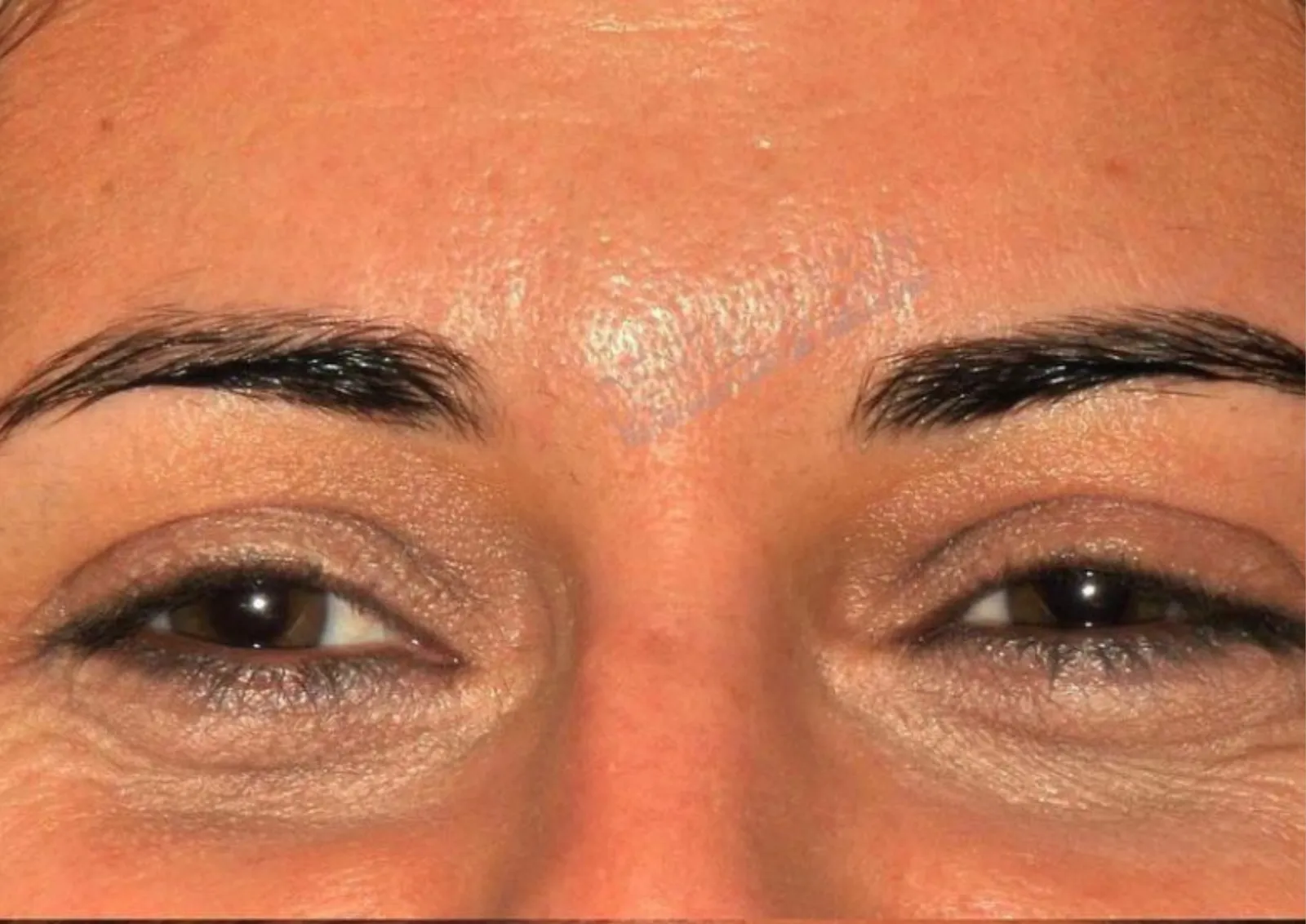
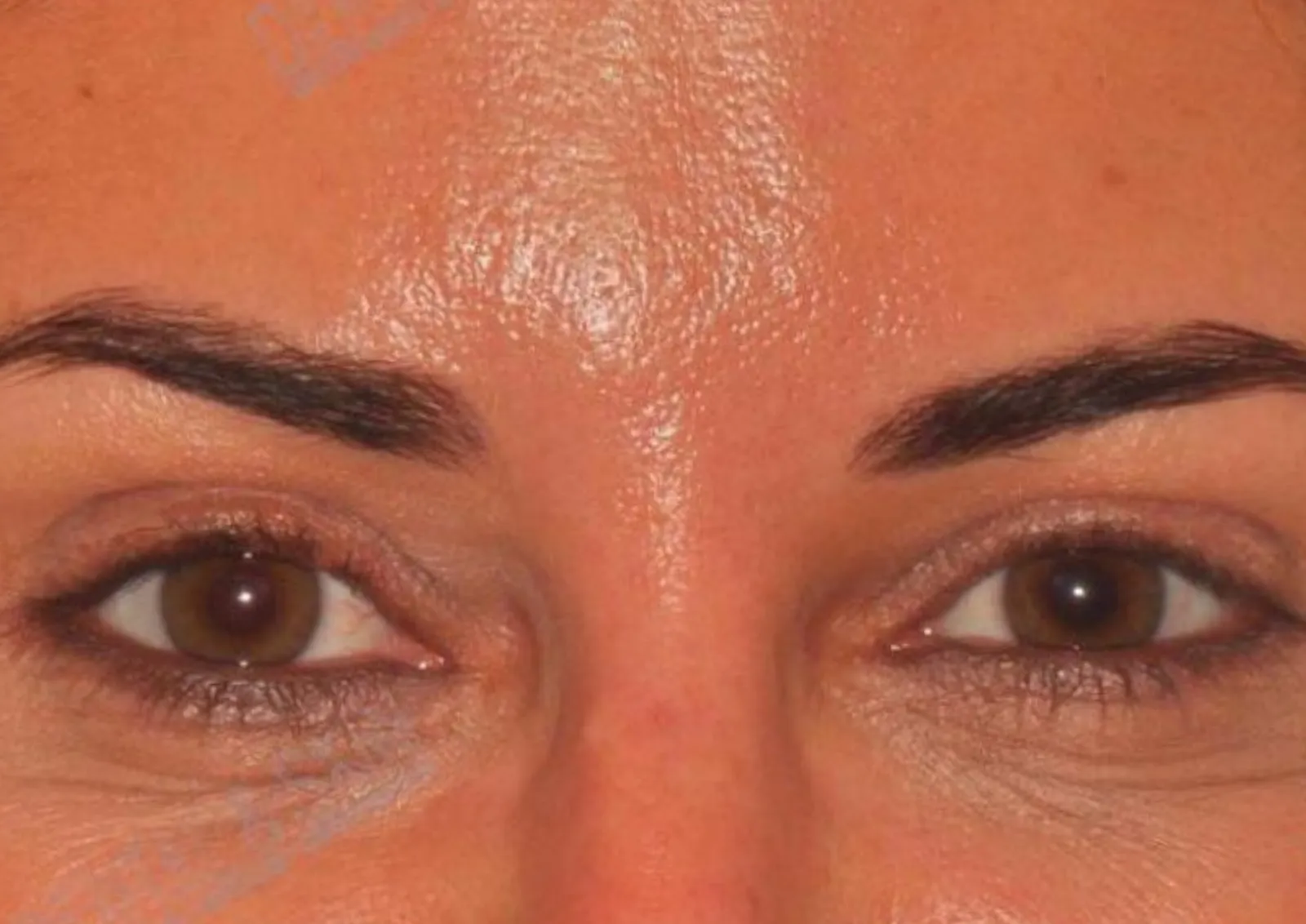
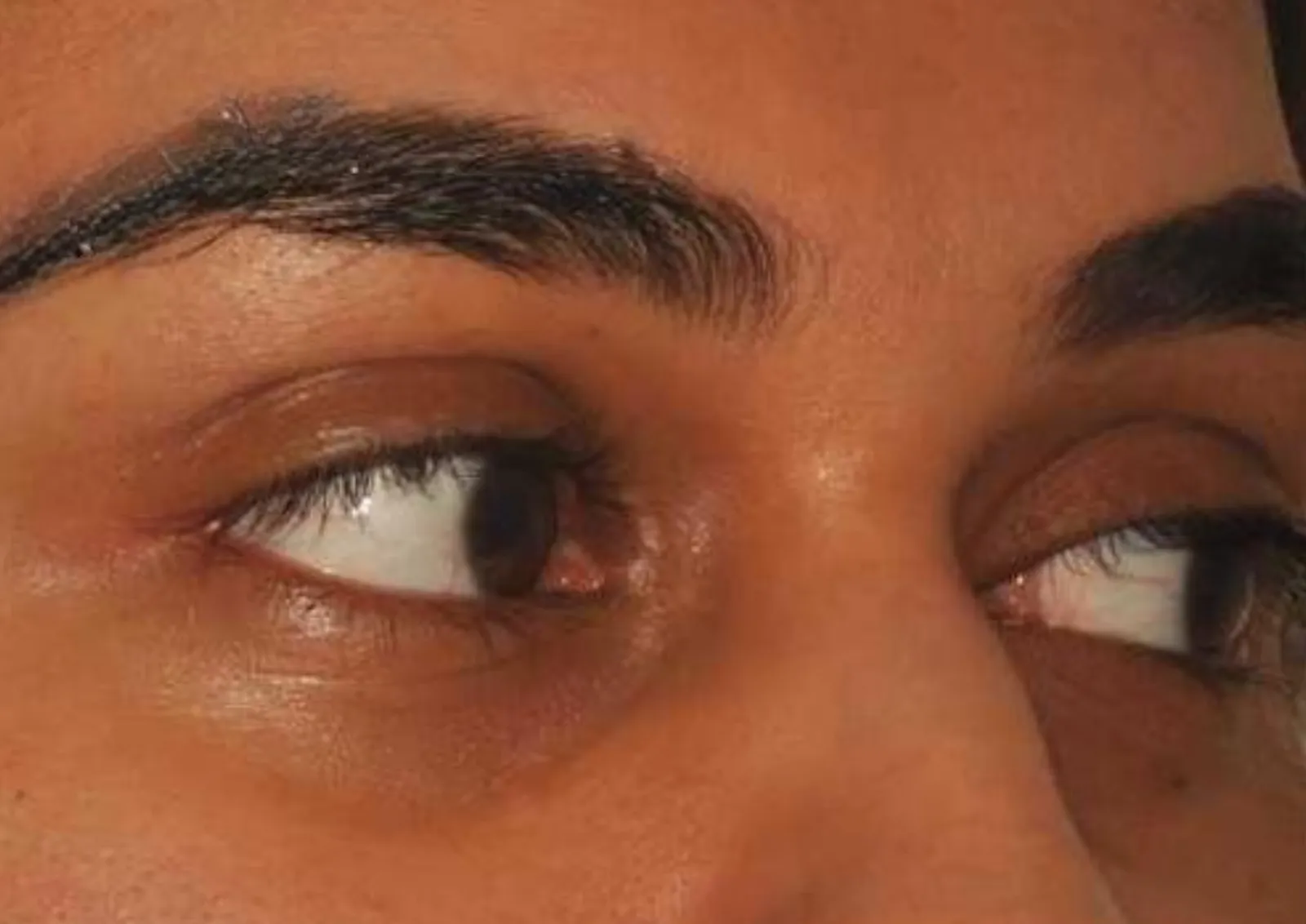
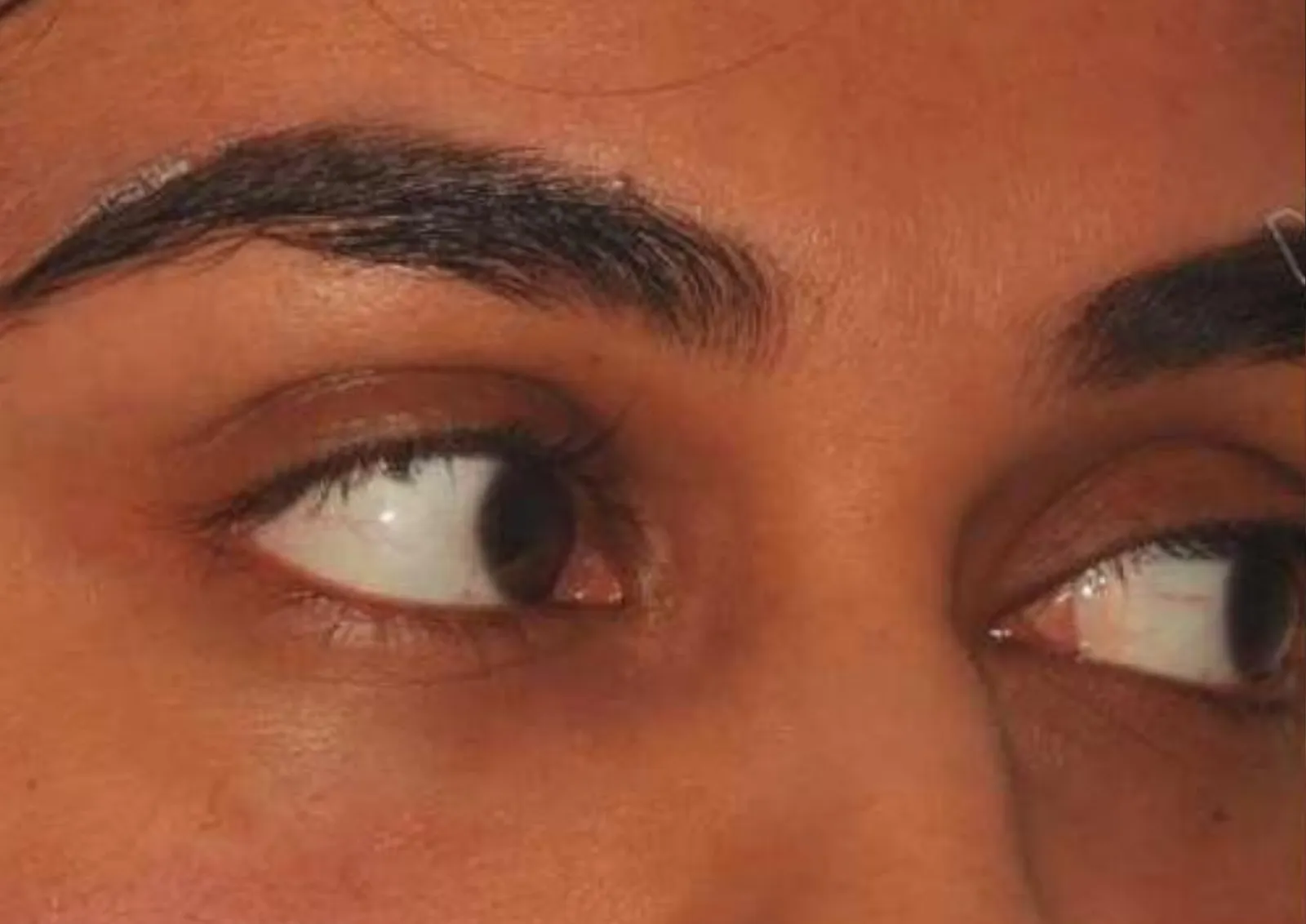
Our happy patients,
in their own words
Transparent pricing
Prices are set out below. Your written plan confirms the fee before any treatment begins.
Clear prices, set out before you start.
Redeemable in full against treatment
Per session
Included
- Assessment by Dr Patel
- A written plan
Quoted separately
- Maintenance, priced per session
Questions
people ask
If your question isn't answered here, call reception on 020 8127 4567 or email reception.
Will polynucleotides remove my dark circles?
They may soften darkness caused by thin skin, but not pigment or shadows from hollows or bags.
How long do under-eye polynucleotides last?
Usually six to nine months after a course.
Are they safe so close to the eye?
In trained hands, yes. Injections are shallow and the product is well tolerated.
Can they fix under-eye bags?
No. Bags and deep hollows are structural and need a different approach.
Can I have polynucleotides and tear trough filler?
Often yes, in sequence: skin quality first, then filler if a hollow remains.
How much does under-eye polynucleotide treatment cost?
From £250 per session at Dental & Wellness London, with a course of two to three.