Tear trough filler in London
Reviewed By
Dr Vishal Patel
BDS Liverpool · MSc Aesthetic & Restorative Dentistry Manchester · GDC 103127 · AACD Member · Invisalign Diamond II Provider · IFAAS (International Fellowship in Advanced Aesthetic Science) · Facial anatomy & cadaver course, Dr Ali Pirayesh, University of Amsterdam · Harley Academy foundation training in injectable aesthetics · IBSA-trained (Profhilo) · NeoStrata-trained (skin peels) · Lynton Lasers trained, incl. ONDA
Last Updated
October 1, 2026
Under-eye hollows are the most technically demanding filler treatment in aesthetic medicine. Done carefully, completely natural-looking; done badly, very obvious. We treat conservatively, using cannula technique, with careful patient selection.
Tear trough filler uses a small amount of soft hyaluronic acid filler to soften the hollow under the eye and the tired-looking shadow it casts. It does not treat pigment-based dark circles or under-eye bags. Results usually last 9 to 18 months and can be reversed. At Dental & Wellness London, Islington, it is carried out by Dr Vishal Patel and costs £250 for 0.5ml or £395 for 1ml.

- Softens under-eye hollows and shadow
- Not for pigment-based dark circles or bags
- Small amounts of soft hyaluronic acid filler
- Lasts 9 to 18 months; reversible
- £250 (0.5ml) · £395 (1ml)
- Carried out by Dr Vishal Patel
Tear trough filler at our Islington clinic
What tear trough filler treats
The tear trough is the groove that runs from the inner corner of the eye towards the cheek. With age, volume loss and thinning skin can deepen it and cast a shadow, so you look tired even when you are rested. Tear trough filler uses a soft hyaluronic acid filler, placed in small amounts, to soften that hollow and the shadow it creates.
It does not treat dark circles caused by pigment or visible blood vessels, or puffy under-eye bags; in those cases filler can make things look worse. Careful assessment is the most important part of the treatment.
The under-eye is the area where the gap between marketing and clinical reality is widest. Under-eye filler is often presented as a quick, near-universal fix for tired eyes. The honest position is narrower and more useful: tear trough filler corrects one specific thing, a hollow that casts a shadow, and it does that well in the right face and poorly in the wrong one. The skill lies less in the injecting than in knowing whose face it suits, and being willing to say when it does not.
How the hollow forms
As the cheek’s deeper fat pads descend and volume is lost beneath the eye, the groove between the lower eyelid and the cheek deepens. Light falls into that hollow and casts a shadow, and the shadow is what reads as tired or dark-circled, even on a well-rested face. For some people the groove is largely inherited and visible from their twenties; for others it develops gradually with age.
Hyaluronic acid, a clear gel similar to a substance the body already makes, is placed deep in the hollow to support it and break up the shadow. It does not lighten pigment, remove a bag or tighten loose skin. It changes one thing: the way light sits under the eye.
Is tear trough filler risky?
The under-eye area is one of the more demanding areas of the face to treat. The skin is thin, there are important blood vessels nearby, and too much product can cause swelling or a bluish tinge. Safe treatment depends on careful patient selection, conservative amounts and, where appropriate, a fine cannula. Dr Vishal Patel carries out every treatment. His training includes the International Fellowship in Advanced Aesthetic Science and a facial anatomy and cadaver course with Dr Ali Pirayesh at the University of Amsterdam.
The possible problems are worth knowing before you decide. Common, short-lived effects include bruising, swelling and tenderness. Less commonly, product placed too superficially or in too great a quantity can show as lumps, a visible ridge or the bluish tint known as the Tyndall effect, or can hold fluid and leave a puffy look. Rarely, filler can affect blood flow in a nearby vessel, which is a serious complication needing immediate treatment. The under-eye also tends to break down hyaluronic acid slowly, so a poorly judged result can persist for longer than people expect. That asymmetry of risk is the reason for our conservatism here: we would rather under-treat and review than over-fill an area that is not easily undone.
Three questions we ask first
In consultation we work through three questions in order. Each one can rule the treatment out on its own.
Is the darkness a shadow, or pigment?
Gently drawing the skin taut across the trough often tells us. If the darkness lifts as the hollow flattens, the cause is mainly anatomical and filler may help. If it stays, the cause is pigment or fine vessels showing through thin skin, and filler will not change it. Pigment-led darkness needs skin treatment, not volume.
Is there a hollow, or a bag?
A hollow is a recession; a bag is a protrusion of fat from around the eye. Filling around a true bag increases the contrast and can make the bag look larger. Significant bagging is a surgical question, and the honest route is a referral for a surgical opinion rather than an injection.
Will the skin hold the filler discreetly?
Very thin lower-lid skin can let filler show through. Assessing the skin’s thickness and quality tells us how it is likely to behave. Where the skin is too thin, the better plan is often to improve skin quality first and revisit volume later, if at all.
A good number of people who come to us asking for tear trough filler leave with a different recommendation: a skin treatment, a surgical referral, or simply reassurance that their eyes do not need treatment. That conversation is the consultation doing its job.
Who it suits, and who it does not
- A visible hollow or groove under the eye, with reasonably good skin quality
- Not for under-eye bags, significant puffiness or very thin, crepey skin
- For crepey skin, polynucleotides or a skin booster may be a better choice
We also do not treat during pregnancy or breastfeeding, where there is active infection or inflammation around the eye, or where there is a history of significant reactions to filler. Some medical conditions and medicines, including those that affect bleeding, need discussing first. If you have a big event coming up, allow at least two to three weeks for any bruising and swelling to settle.
The treatment itself
Your consultation covers your medical history, a careful look at the under-eye in different lights, the three questions above, photographs and a clear, costed plan. If tear trough filler is not right for you, this is where you hear it, with the reasoning.
On treatment day the skin is cleansed and a numbing cream applied. Where appropriate, a fine blunt-tipped cannula is used, as it tends to move vessels aside rather than pierce them. The filler is placed deep, in small amounts, one side at a time, with checks for symmetry as we go. The appointment usually takes thirty to forty-five minutes.
Afterwards we suggest cool compresses through the first day, avoiding rubbing or pressing the area, sleeping slightly propped up for a night or two, and avoiding make-up over the area for the rest of the day and strenuous exercise for around 24 hours. Bruising is more common under the eye than elsewhere on the face and usually fades within a week to ten days. The settled result shows at around two to three weeks, so the appearance on the day is not the final verdict. We review you once things have settled.
Is it worth it?
For the right person, the change can be subtle but meaningful: a fresher, less tired look. Results usually last 9 to 18 months, and hyaluronic acid filler can be dissolved if needed. We will tell you honestly if another treatment would suit you better. If the deeper line is the one running from nose to mouth, see nasolabial fold filler.
A well-judged result softens the hollow without erasing it and lifts the shadow off the upper cheek. At conversational distance it should not read as treatment at all; people notice that you look rested, not that you have had filler. Results vary between individuals, and no outcome can be guaranteed. If your wider concern is balance across the face, including the nose, see our non-surgical nose job page.
When the answer is not filler
For pigment-led darkness, skin treatments are more useful than volume. For thin, crepey lower-lid skin, skin-quality work such as polynucleotides or Profhilo often comes first. For genuine bagging, the honest route is a surgical opinion. Sometimes the hollow sits within a wider loss of mid-face volume, and supporting the cheek with cheek filler softens the under-eye more naturally than filling the groove directly. And for many people, particularly younger patients, the right answer is no treatment at all; sleep, hydration and managing fatigue do more for a tired eye than any injection.
Tear trough filler cost in Islington
At our Islington clinic, tear trough filler is £250 for 0.5ml or £395 for 1ml. Many suitable candidates need only a small amount, and we start conservatively. If filler ever needs dissolving, hyaluronidase treatment is £180. A skin and aesthetic consultation is £65 and is redeemable in full against treatment.
The under-eye is not an area to choose on price. What matters is the assessment, the product, the technique and the experience of the person injecting. You can read more about filler more broadly on our dermal fillers page.
Why have it with us
Prescribed and administered by Dr Vishal Patel, BDS, MSc Aesthetic & Restorative Dentistry, GDC 103127, the clinic’s sole aesthetic prescriber. With around twenty years in dentistry and ten in facial aesthetics, he works daily around the blood vessels, nerves and muscles of the face, and treats the under-eye as an anatomical question before a cosmetic one. His approach is proportionate treatment with natural aesthetics and facial balance as the standard. You can read more on his profile.
The clinic is at 222 Essex Road, Islington, London N1 3AP, two minutes from Essex Road station and a short ride from Angel, Highbury, Canonbury, Hackney and Stoke Newington. The 38, 56, 73, 341 and 476 buses run along Essex Road. Many patients cycle or use a Lime or Forest e-bike. We are open Monday to Friday, 8am to 7pm, by appointment, and have cared for patients in N1 since 2009.
Clinically reviewed by Dr Vishal Patel · BDS · MSc Aesthetic & Restorative Dentistry · GDC 103127. Last reviewed 1 October 2026.

Dr Vishal Patel
Clinical lead · Sole aesthetic prescriber · 10 years in facial aesthetics
BDS Liverpool · MSc Aesthetic & Restorative Dentistry (Manchester) · GDC 103127 · International Fellowship in Advanced Aesthetic Science (IFAAS) · Facial anatomy and cadaver course with Dr Ali Pirayesh, University of Amsterdam · Harley Academy · IBSA and NeoStrata trained
We will tell you when a treatment is not the right answer. That honesty is part of the treatment.
Read Dr Patel’s profile →If you are still weighing up your options, our overview of dermal fillers brings them together in one place.
Further reading
A careful treatment, for the right person.
Consultation — £65
A skin assessment with an honest view of what will help. The fee is redeemable in full against treatment.
Treatment
About 30 minutes, with numbing. Small amounts of filler, placed with care.
Review at two weeks
We check the result once any swelling has settled.
Start with a consultation
- £65, redeemable in full against treatment
- Carried out by Dr Vishal Patel
- A written plan before treatment
Or call 020 8127 4567 · WhatsApp +44 7974 910222
222 Essex Road, Islington N1 3AP · Mon–Fri, 8am–7pm
Before and After
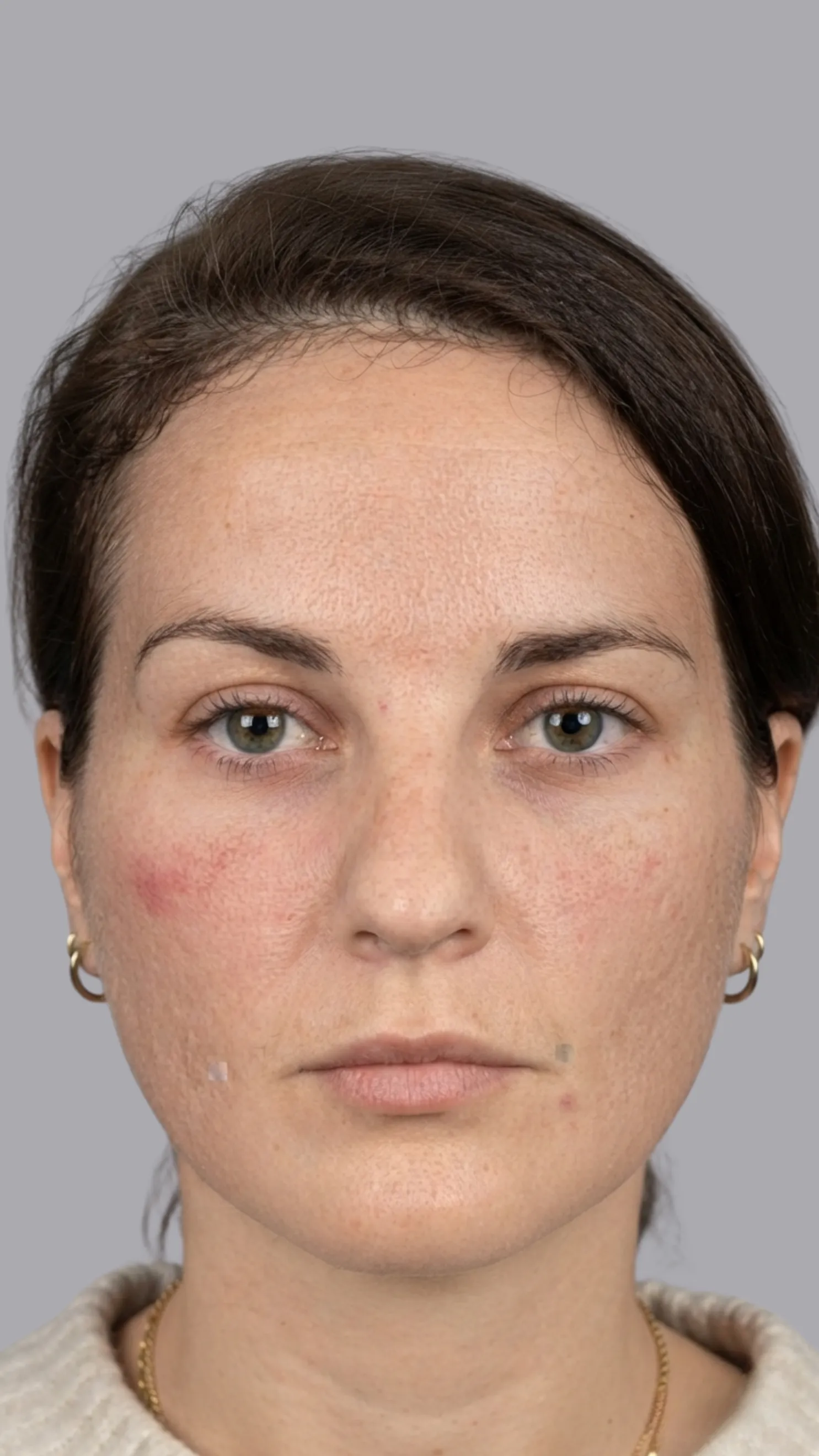
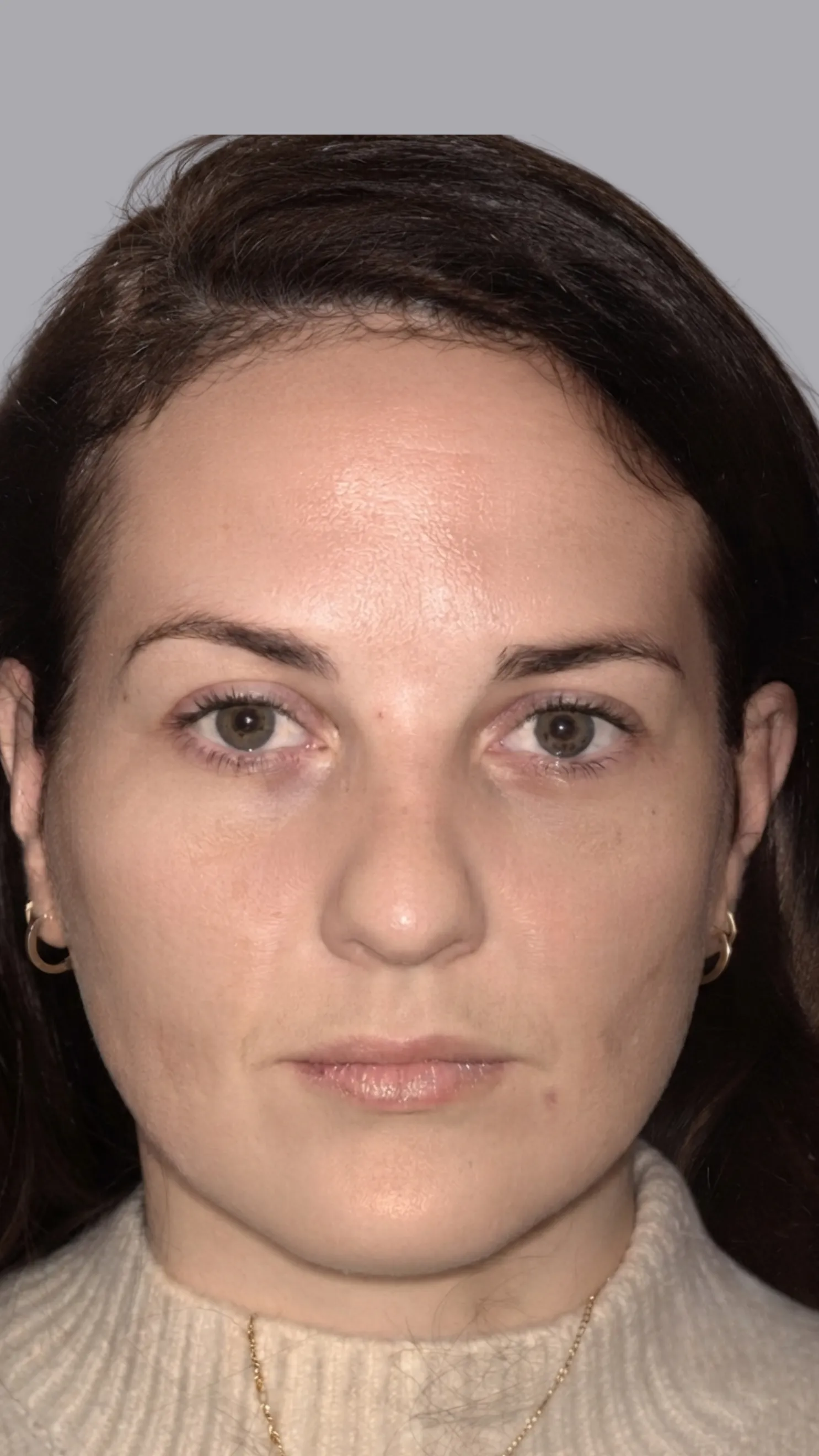
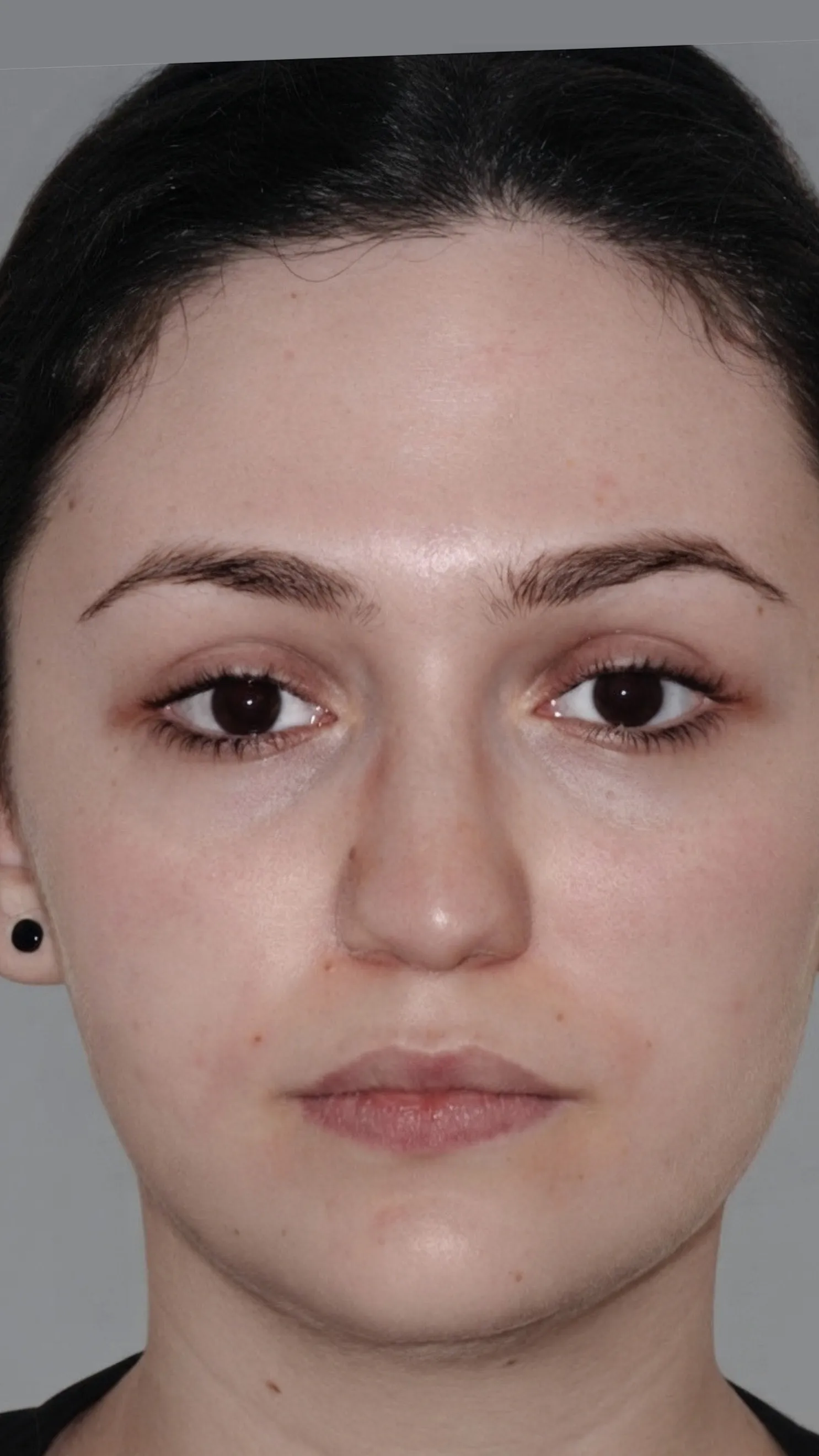
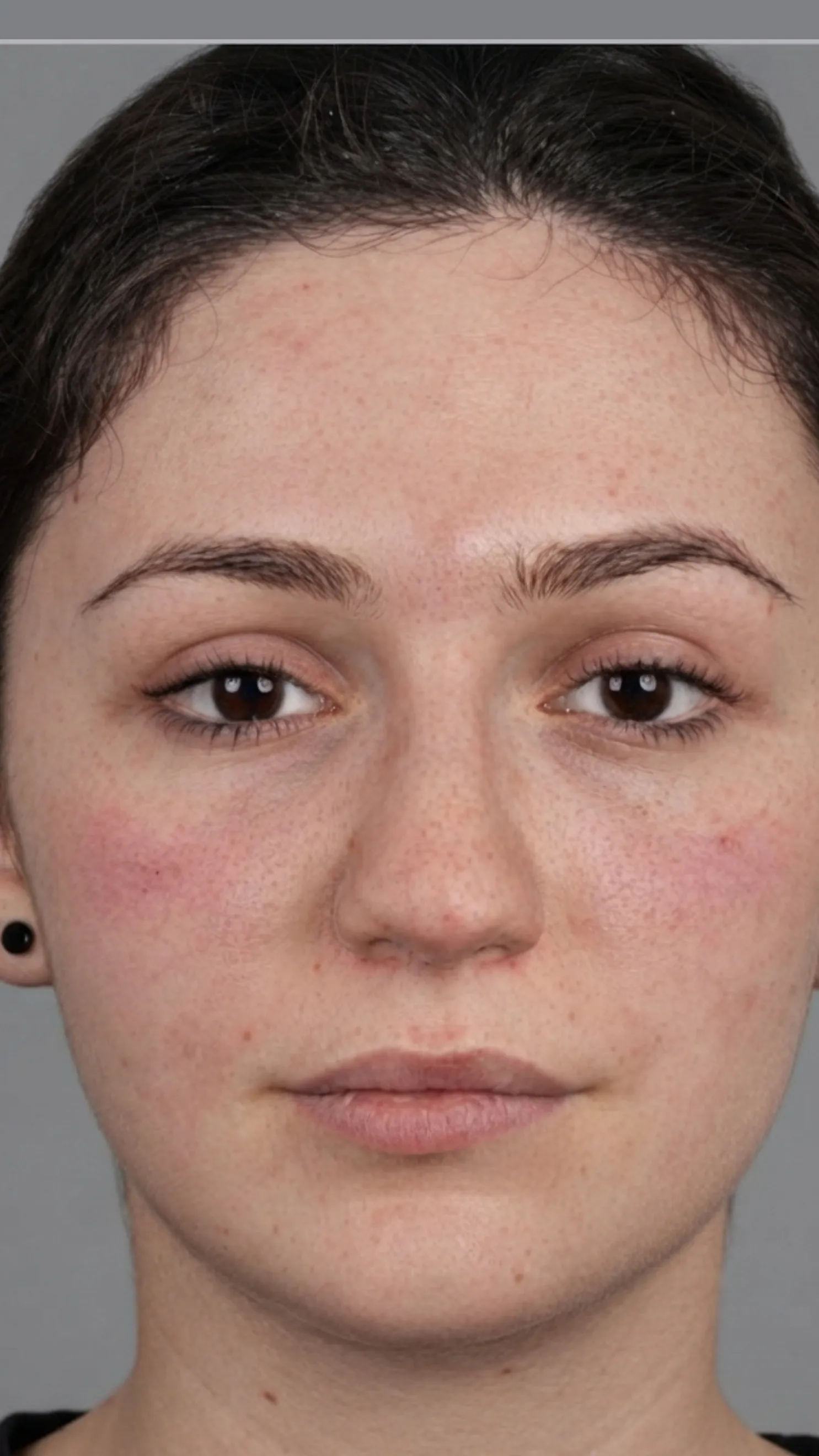
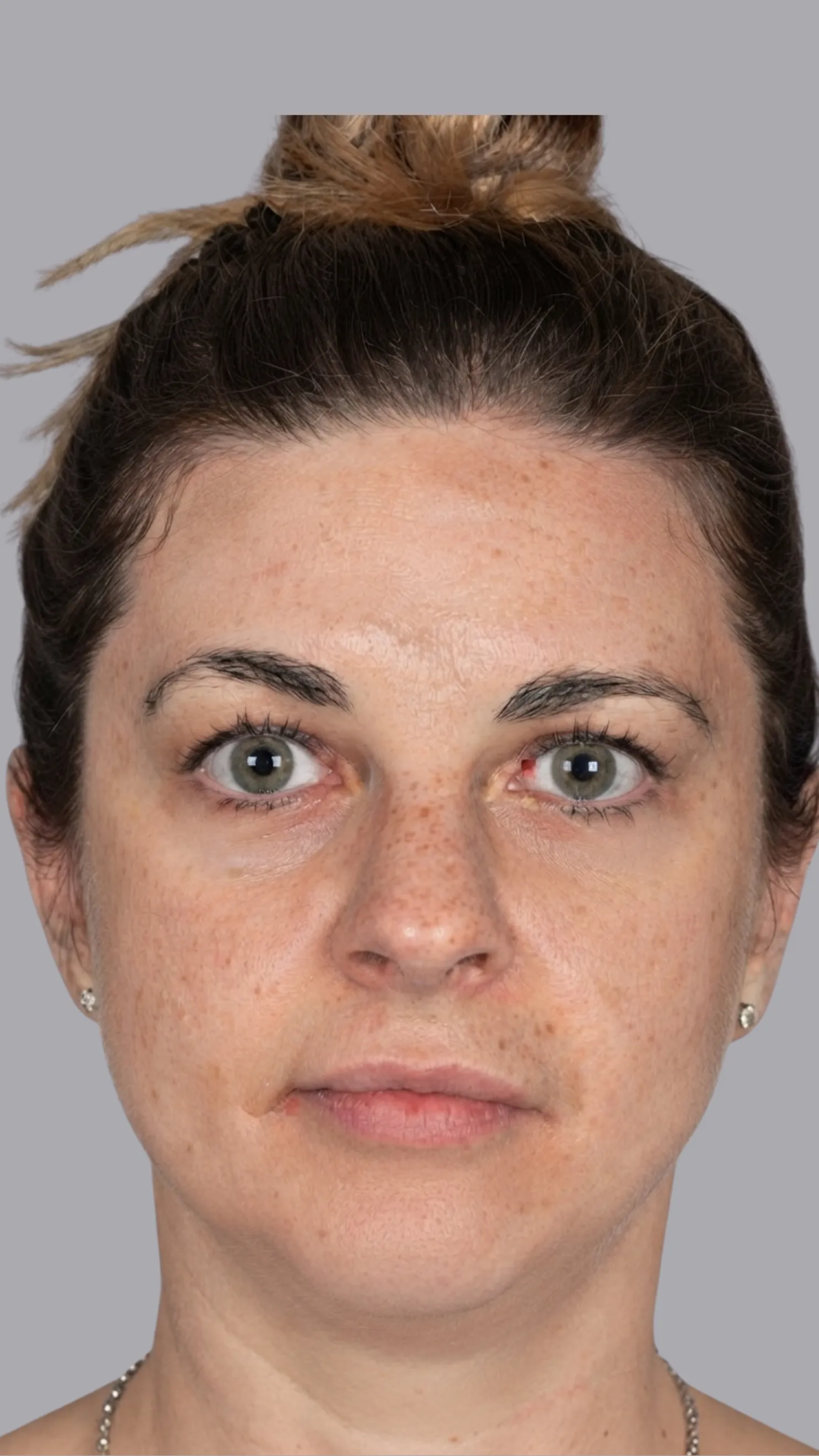
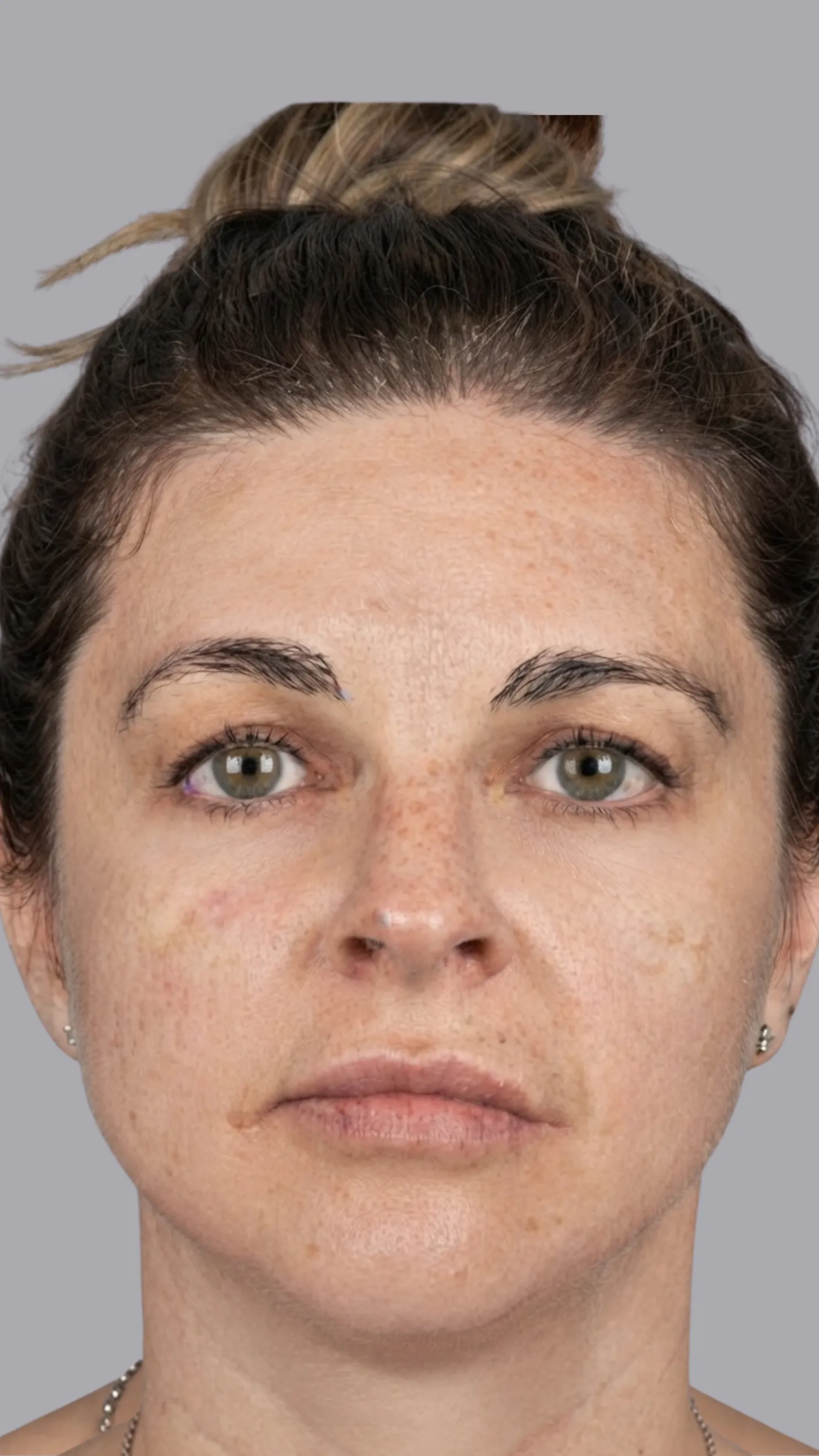
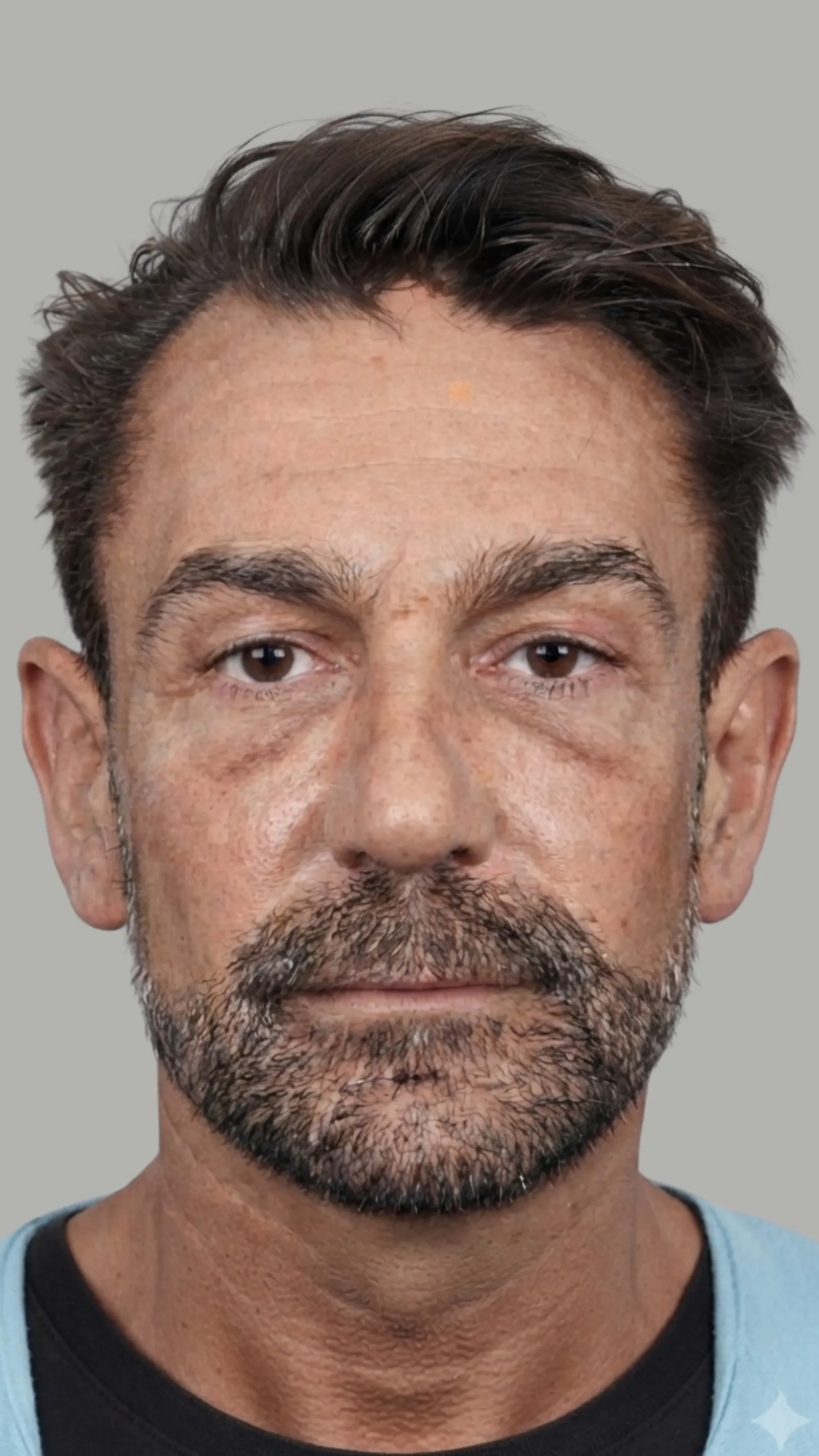
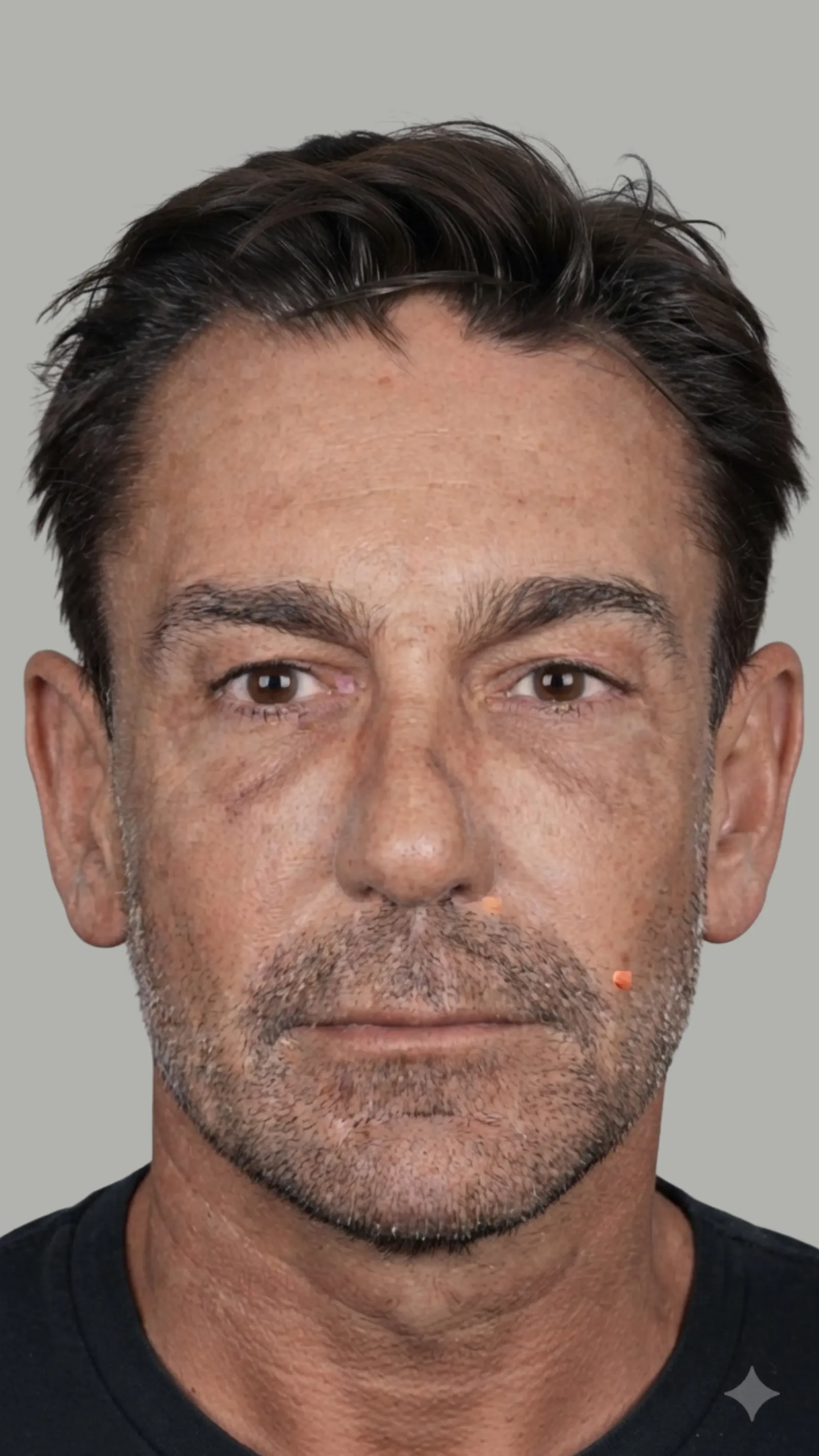
Our happy patients,
in their own words
Transparent pricing
Prices are set out below. Your written plan confirms the fee before any treatment begins.
Clear prices, set out before you start.
Redeemable in full against treatment
0.5ml
1ml
Included
- Assessment by Dr Patel
- Two-week review
Quoted separately
- Dissolving with hyaluronidase, if ever needed: £180
Questions
people ask
If your question isn't answered here, call reception on 020 8127 4567 or email reception.
How much does tear trough filler cost in London?
At Dental & Wellness London, Islington, tear trough filler is £250 for 0.5ml or £395 for 1ml. The aesthetic consultation is £65, redeemable in full against treatment.
How risky is tear trough filler?
It is one of the more demanding areas to treat, because the skin is thin and blood vessels are close by. In experienced hands, with careful selection and small amounts, it is well established. Bruising and swelling are the most common side effects.
Will tear trough filler get rid of my dark circles?
Only if the darkness is a shadow from a hollow. Pigment, visible vessels or under-eye bags need different approaches, and filler can make bags look worse.
How long does tear trough filler last?
Usually 9 to 18 months, because the area moves relatively little.
Can tear trough filler be dissolved?
Yes. Hyaluronic acid filler can be dissolved with hyaluronidase if needed (£180).