Laser rejuvenation — matched modality, not one-size
Reviewed By
Dr Vishal Patel
BDS Liverpool · MSc Aesthetic & Restorative Dentistry Manchester · GDC 103127 · AACD Member · Invisalign Diamond II Provider · IFAAS (International Fellowship in Advanced Aesthetic Science) · Facial anatomy & cadaver course, Dr Ali Pirayesh, University of Amsterdam · Harley Academy foundation training in injectable aesthetics · IBSA-trained (Profhilo) · NeoStrata-trained (skin peels) · Lynton Lasers trained, incl. ONDA
Last Updated
October 1, 2026
Light and laser treatments matched to your concern, whether that is sun damage, redness, texture or early loss of firmness.
Laser skin rejuvenation covers several light and laser treatments for sun damage, redness, rough texture and fine lines. At Dental & Wellness London, Islington, we use Lynton technology, including IPL and Q-switched laser, and match the treatment to your skin. Pigmentation and facial vessel treatments are from £80; laser resurfacing and laser tightening are from £195. Consultation £65, redeemable.
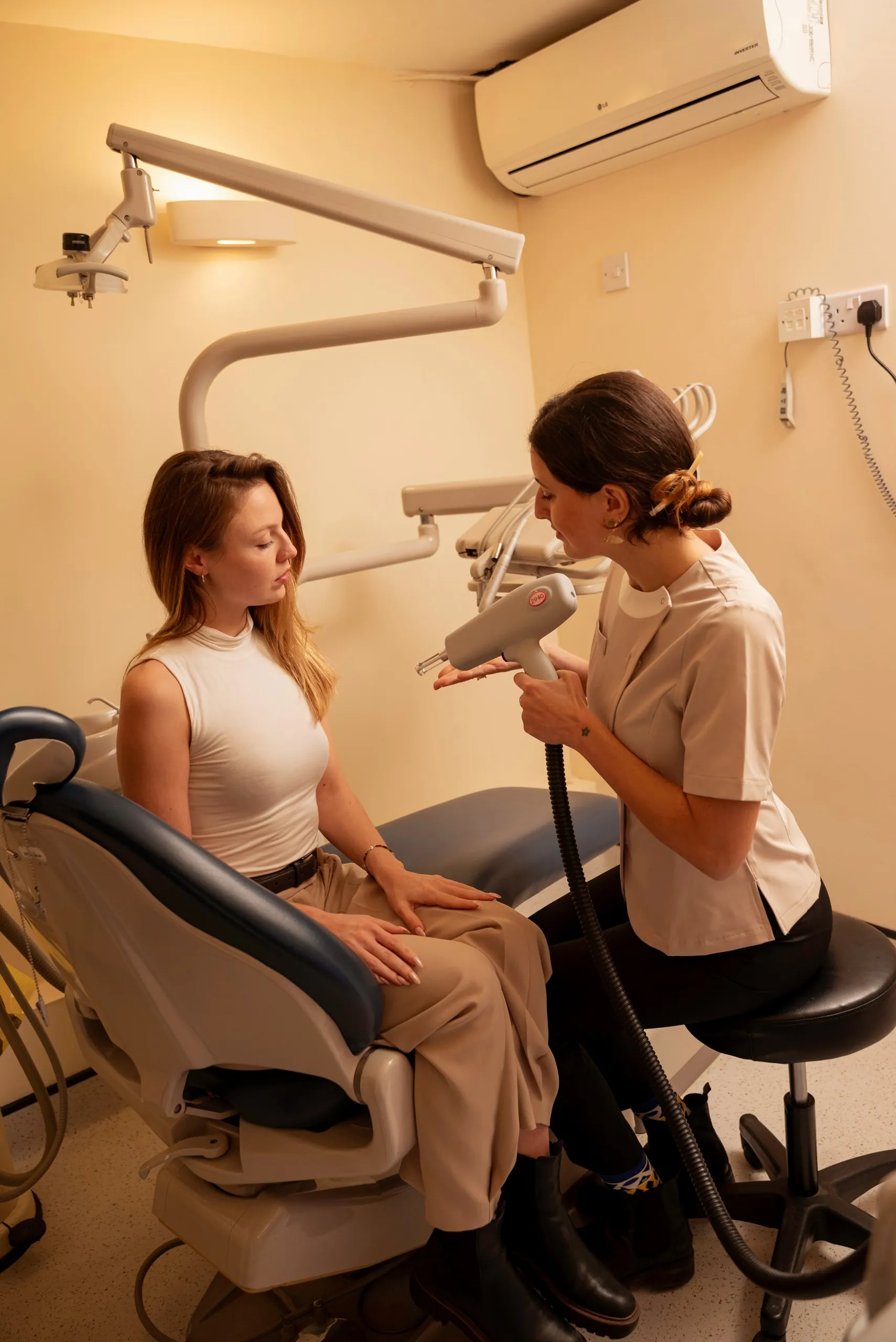
- Lynton technology, including IPL and Q-switched laser
- Treatment matched to your concern and skin type
- Pigmentation and facial vessels from £80
- Laser resurfacing and tightening from £195
- Downtime from none to a few days, depending on treatment
- Consultation £65, redeemable in full
Laser skin rejuvenation in Islington
What laser skin rejuvenation is
Laser skin rejuvenation is a group of light and laser treatments that improve tone, texture, fine lines and sun damage. It is not one treatment: brown spots, redness, rough texture and loss of firmness each respond to different settings and devices. At our Islington clinic we use Lynton technology, including IPL and Q-switched laser, and we match the approach to your skin rather than applying one laser to everyone.
That distinction matters. Much of the disappointment people report with laser facials comes from a single, generic treatment being used for a mixed set of concerns. Skin that has aged in the sun usually shows several changes at once, and each sits at a different depth and responds to a different kind of energy. A good laser skin rejuvenation plan starts by separating those concerns and then treating them in a sensible order.
How laser and light treatments rejuvenate skin
Every laser and light treatment works by delivering energy that is absorbed by a particular target in the skin. Brown pigment absorbs some wavelengths; the red of small blood vessels absorbs others; water in the skin absorbs others again. By choosing the device and settings, we decide what is affected and how deeply.
- Pigment-targeting treatments break up excess melanin in sun spots and age spots, which the body then clears.
- Vascular settings gently seal fine surface vessels so redness fades.
- Resurfacing works on the outer layers to refine texture, pores and fine lines.
- Tightening warms the deeper layers to encourage gradual collagen renewal.
In each case the skin's own repair response does much of the work, which is why results build over weeks rather than appearing overnight.
Which treatment for which concern
- Sun spots and uneven brown tone: IPL or Q-switched laser (see laser pigmentation).
- Redness and fine thread veins: IPL or the Lynton Nd:YAG laser; see thread vein removal.
- Rough texture, enlarged pores and fine lines: laser resurfacing.
- Early loss of firmness: laser skin tightening, which stimulates collagen gradually.
Many people have more than one of these, and a plan may combine two approaches across a few months. We generally treat pigment and redness first, because a clearer base tone makes it easier to judge texture and firmness, and we space treatments so the skin has time to recover in between. If you are weighing radiofrequency microneedling, our page on Morpheus8 alternatives sets out the options.
Does laser skin rejuvenation really work?
For the right concern and the right skin type, yes, and results build over a course. It will not replace a surgical lift or change deep folds. We assess your skin first and explain what improvement is realistic before you start.
The clearest results tend to come with well-defined sun spots, freckling and fine surface redness. Texture and fine lines improve more gradually, and changes in firmness are subtle and cumulative. Where a concern is better served by another treatment, such as microneedling for acne scarring, Profhilo or other skin boosters for hydration and crepey skin, or a non-surgical face lift plan for volume loss, we will say so. Results vary between people. Sun damage elsewhere on the body is covered under laser body rejuvenation.
Who laser skin rejuvenation suits
- Adults with visible sun damage on the face, neck, chest or hands
- Uneven tone, freckling and age spots that make the complexion look tired
- Fine facial redness and small thread veins
- Rough texture and early fine lines, without significant sagging
- People who want a gradual, natural-looking improvement and are willing to protect their skin from the sun
Who should not have laser rejuvenation
We do not treat during pregnancy, on tanned skin, or with some light-sensitising medicines. Darker skin types need careful device choice, and melasma needs a specific, cautious plan. We will tell you if laser is not right for you.
We are also careful with active skin infection, a recent cold sore in the area, recent use of some acne medicines, and any mole or mark that has changed. Anything that looks unusual is referred to your GP or a dermatologist before any light treatment is considered. If melasma is part of the picture, we will talk you through why melasma is managed differently with laser before deciding anything.
Your consultation and patch test
Laser skin rejuvenation starts with a skin consultation (£65, redeemable in full against treatment). We look at your skin under good light, discuss your medical history, medicines, skincare and sun exposure, and identify which concerns are present and which matter most to you. We then recommend a plan, explain the number of sessions likely to be needed and give you the full cost in writing.
For laser and IPL we carry out a free patch test before the first full treatment, so we can see how your skin responds to the settings we intend to use. This is one of the simplest and most important safety steps in laser work.
What happens during a session
Your skin is cleansed and any make-up removed. You wear protective eyewear throughout, and for IPL a cool gel is applied to the treatment area. The handpiece is then passed across the skin in a careful pattern, with settings chosen for your skin type and the concern being treated. Most people describe a series of quick warm snaps; the sensation varies with the treatment and the area, and cooling helps keep it comfortable. A full face usually takes between 20 and 45 minutes depending on the approach.
Afterwards we apply a soothing moisturiser and sunscreen and talk you through what to expect over the following days. We review your skin before each subsequent session and adjust the settings if needed, rather than repeating the same treatment by default.
Skincare and sun protection make the result last
Laser rejuvenation treats the damage that is already there; it does not stop the sun from causing more. The habits around the treatment are what decide how long the improvement lasts. A broad-spectrum SPF 50 every morning is the single most important step. A considered home routine, often with NeoStrata products, supports the skin between sessions and afterwards, and a medical-grade facial can help maintain clarity. We will suggest a routine that suits your skin rather than a long list of products.
Recovery
Recovery depends on the treatment. IPL and Q-switched laser usually need little or no downtime, though brown spots darken and flake over about a week. Resurfacing can leave skin red and rough for a few days. We give you a clear aftercare plan, and daily SPF 50 is essential.
In general, use a gentle cleanser and moisturiser, avoid picking flaking skin, pause exfoliating acids and retinoids until we advise, and keep out of strong sun. Most people return to work the same day or the next, depending on the treatment chosen.
Risks and how we reduce them
All laser and light treatments carry some risk. The common effects are temporary redness, mild swelling and darkening of treated spots. Less commonly, the skin can blister or develop temporary lighter or darker patches, and rarely scarring can occur. The risk is greater on tanned or darker skin, in melasma, and when settings are too aggressive.
We reduce these risks by assessing your skin type properly, declining to treat tanned skin, patch testing, starting conservatively and reviewing your skin between sessions. Taking a little longer to reach a result safely is part of good laser practice.
Laser skin rejuvenation cost
- Skin consultation: £65, redeemable in full against treatment
- Laser and IPL patch test: free
- IPL photofacial: £180 per session
- Pigmentation removal and facial vessels: from £80 per session
- Laser resurface and smooth: from £195
- Laser lift and tighten: from £195
- Skin tightening: from £225
The total depends on the concerns you have and how many sessions each needs. We give you a written plan before you start, so there are no surprises.
Why have it with us
Dr Vishal Patel is Lynton Lasers trained and has ten years of experience in facial aesthetics. He oversees every skin plan personally, and the same clinician who assesses your skin is responsible for your treatment. We have been at the same address in Islington since 2009, and we are rated 4.7 stars from more than 300 Google reviews.
The clinic is at 222 Essex Road, Islington, London N1 3AP, two minutes from Essex Road station and a short ride from Angel, Highbury, Canonbury, Hackney and Stoke Newington. Buses 38, 56, 73, 341 and 476 stop on Essex Road. Many patients cycle or use a Lime or Forest e-bike. We are open Monday to Friday, 8am to 7pm, by appointment.
Clinically reviewed by Dr Vishal Patel · BDS · MSc Aesthetic & Restorative Dentistry · GDC 103127. Last reviewed 1 October 2026.
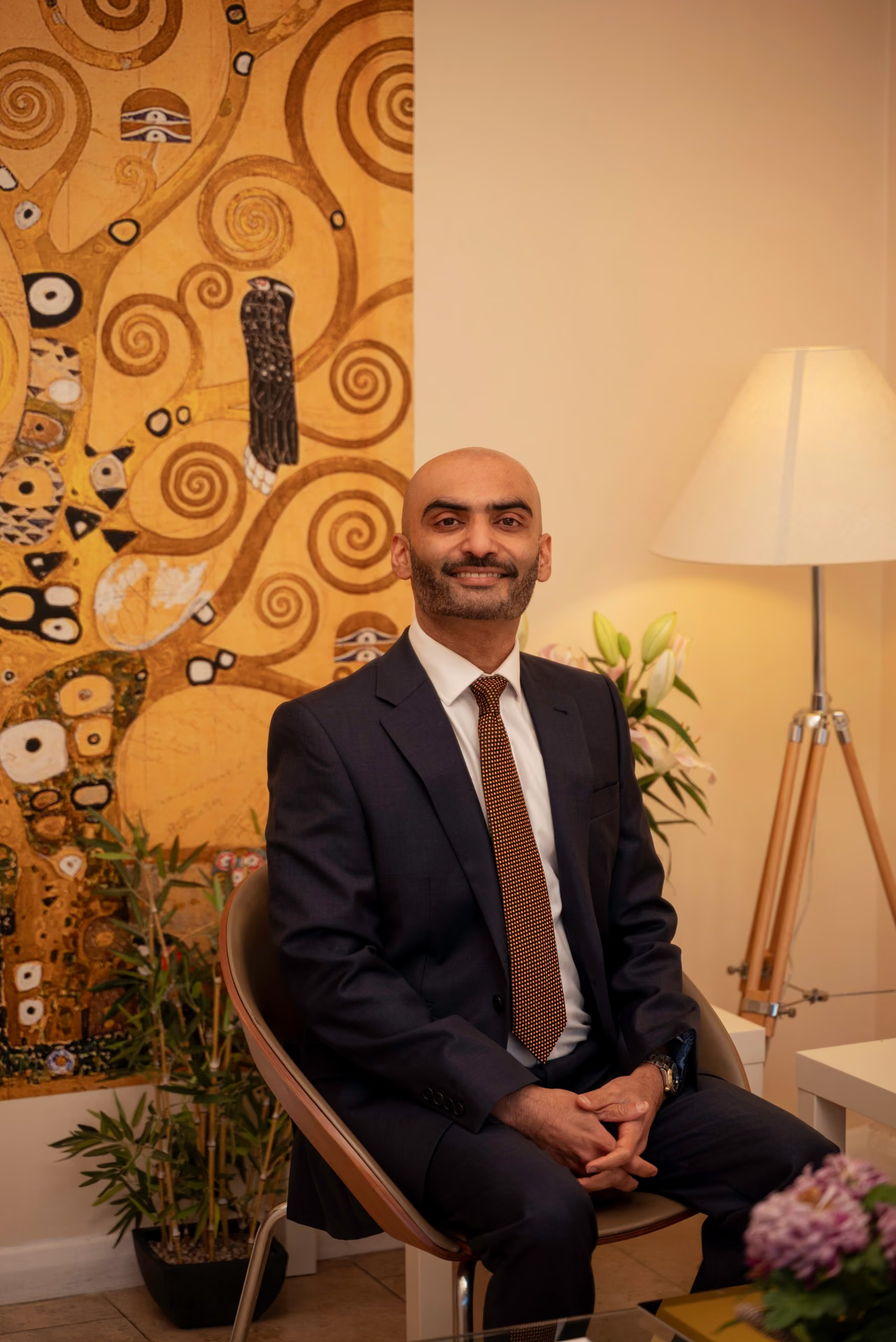
Dr Vishal Patel
Clinical lead · Lynton Lasers trained, including ONDA
BDS Liverpool · MSc Aesthetic & Restorative Dentistry (Manchester) · GDC 103127 · Lynton Lasers trained, including ONDA · International Fellowship in Advanced Aesthetic Science (IFAAS) · 10 years in facial aesthetics
We will tell you when a treatment is not the right answer. That honesty is part of the treatment.
Read Dr Patel’s profile →The right laser, for the right concern.
Consultation — £65
A skin assessment with an honest view of what will help. The fee is redeemable in full against treatment.
Free patch test
A free test on a small area checks how your skin responds.
Your course
Usually 3 to 6 sessions, about four weeks apart, depending on the treatment.
Review
We review your skin after the course and agree any maintenance.
Start with a skin consultation
- £65, redeemable in full against treatment
- Treatment matched to your skin
- An honest view of realistic results
Or call 020 8127 4567 · WhatsApp +44 7974 910222
222 Essex Road, Islington N1 3AP · Mon–Fri, 8am–7pm
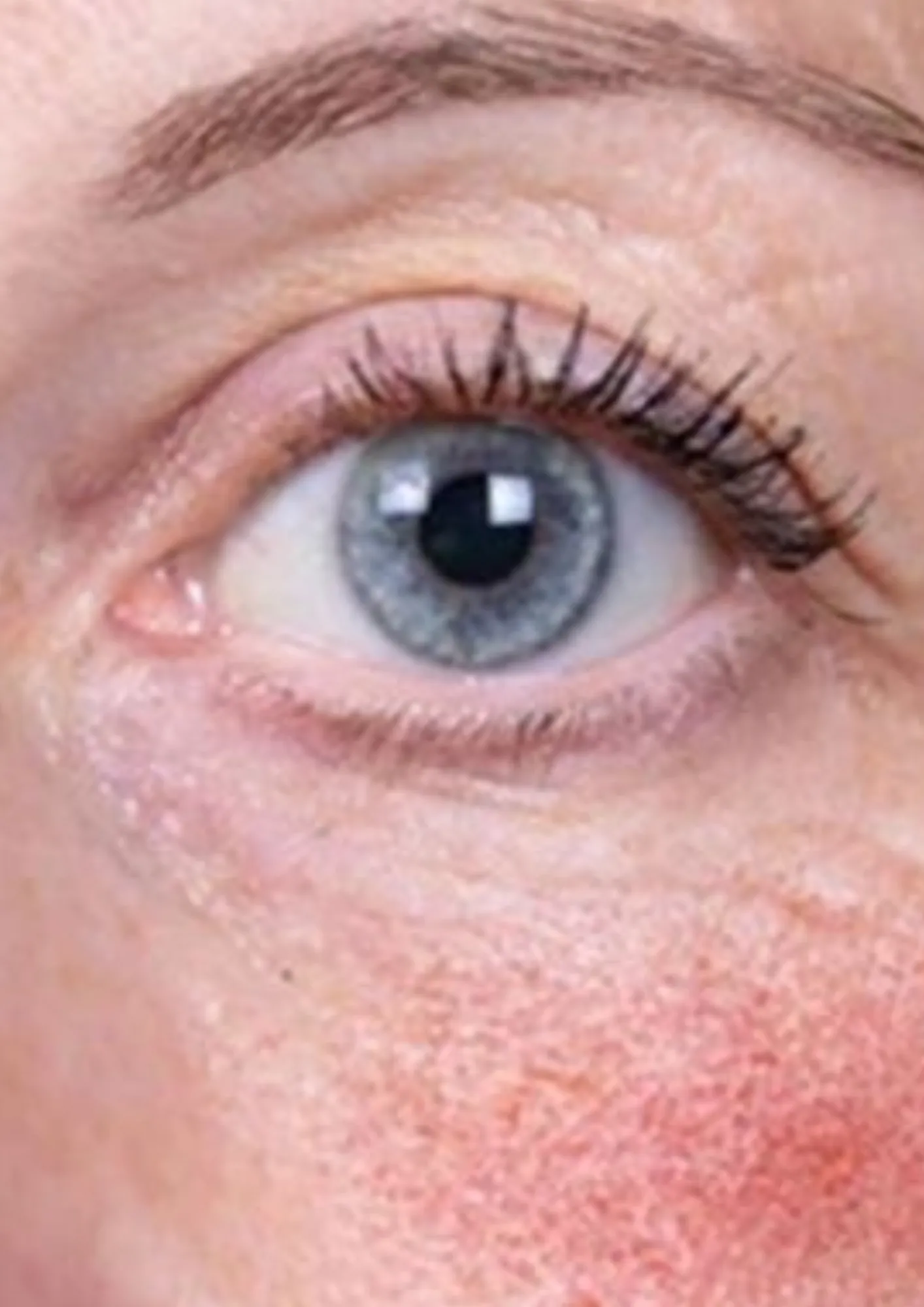
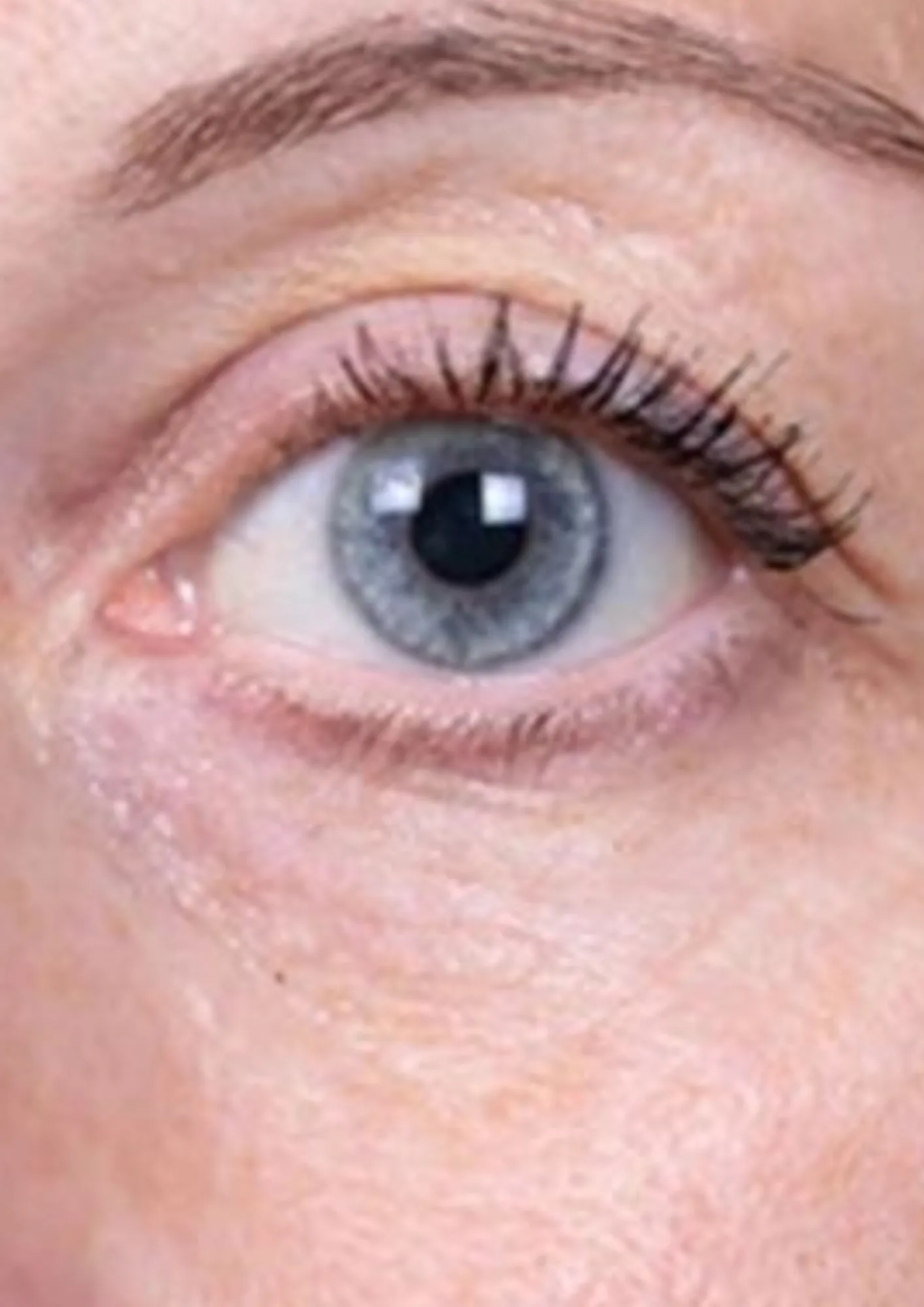
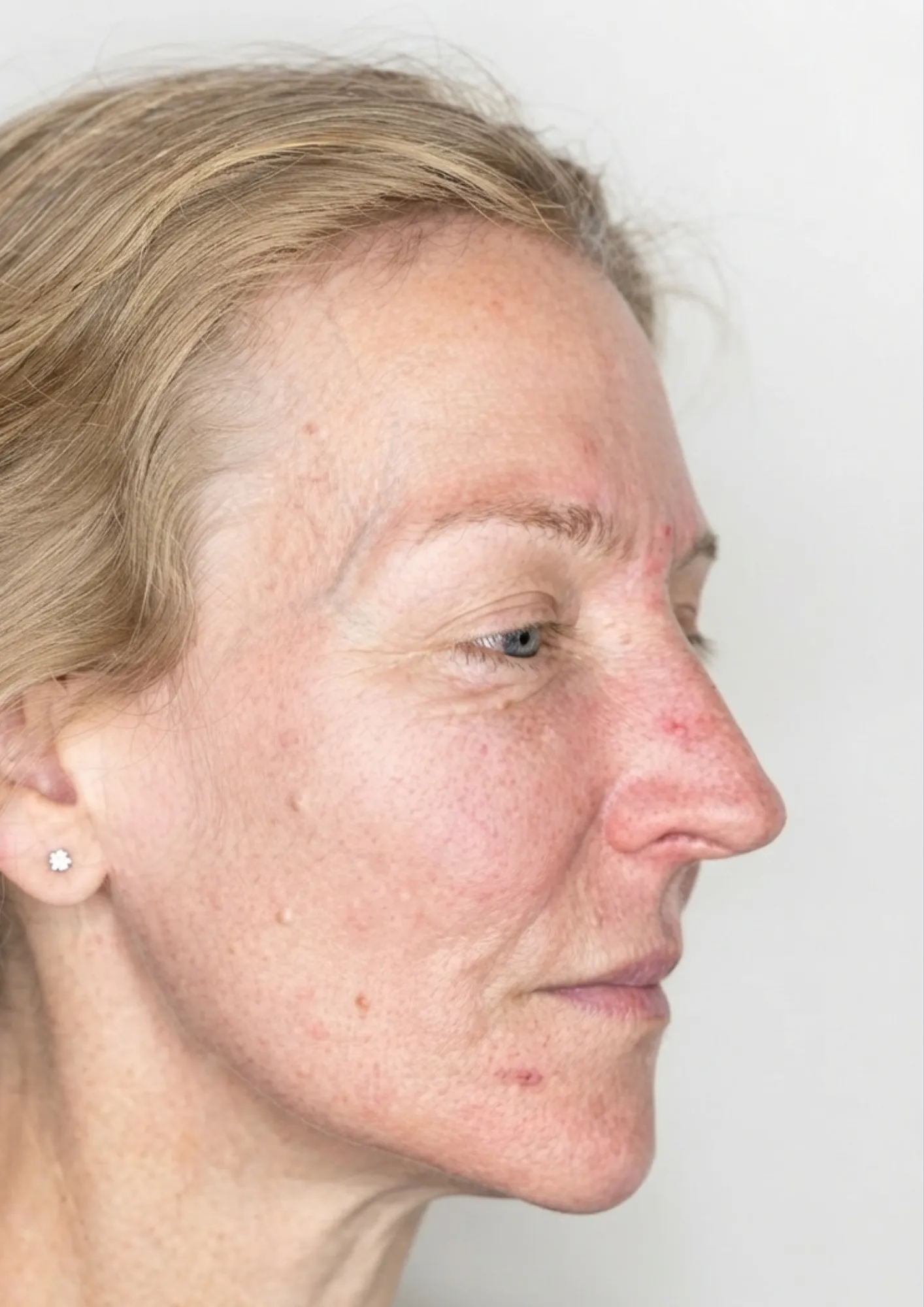
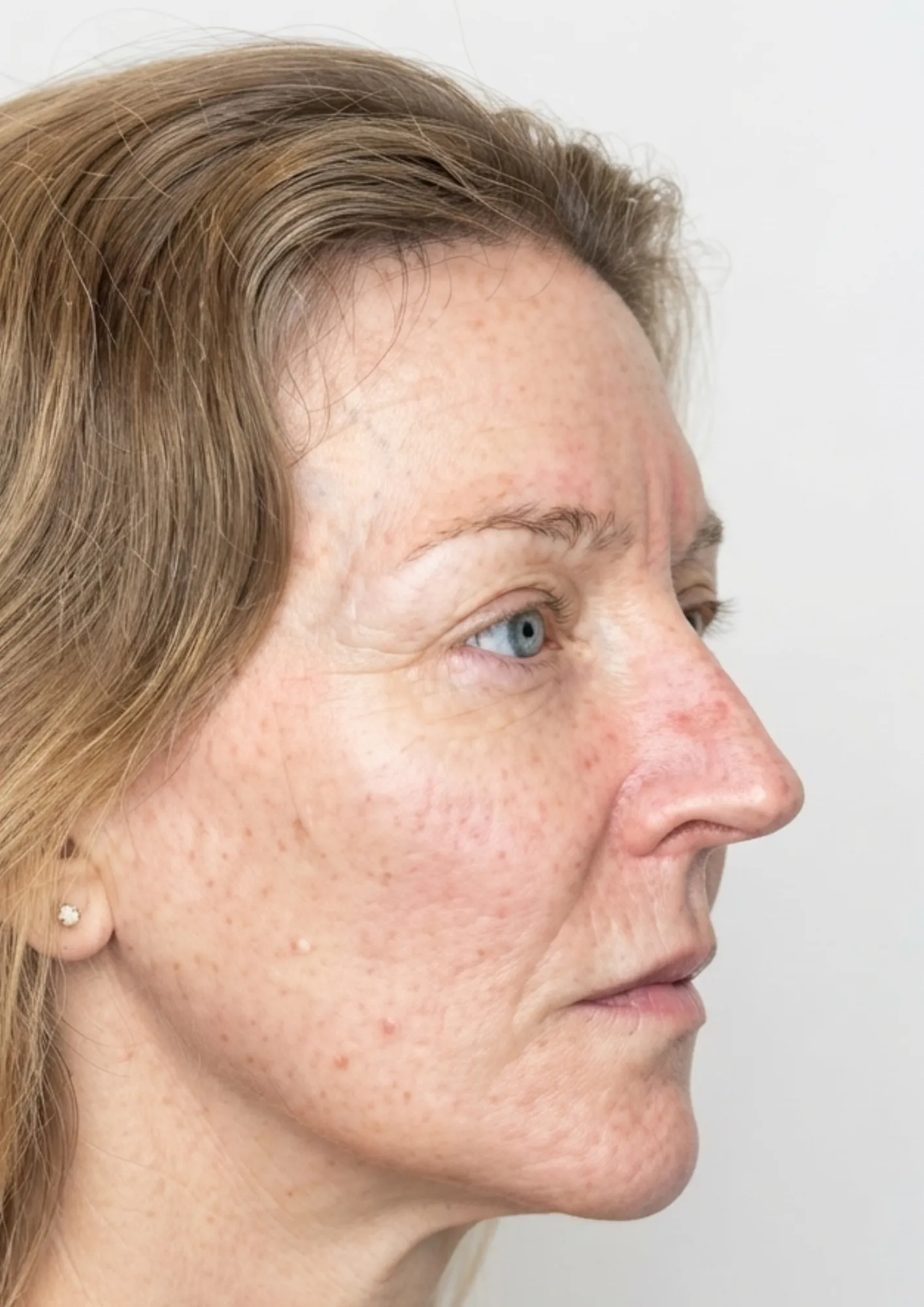
Before and After
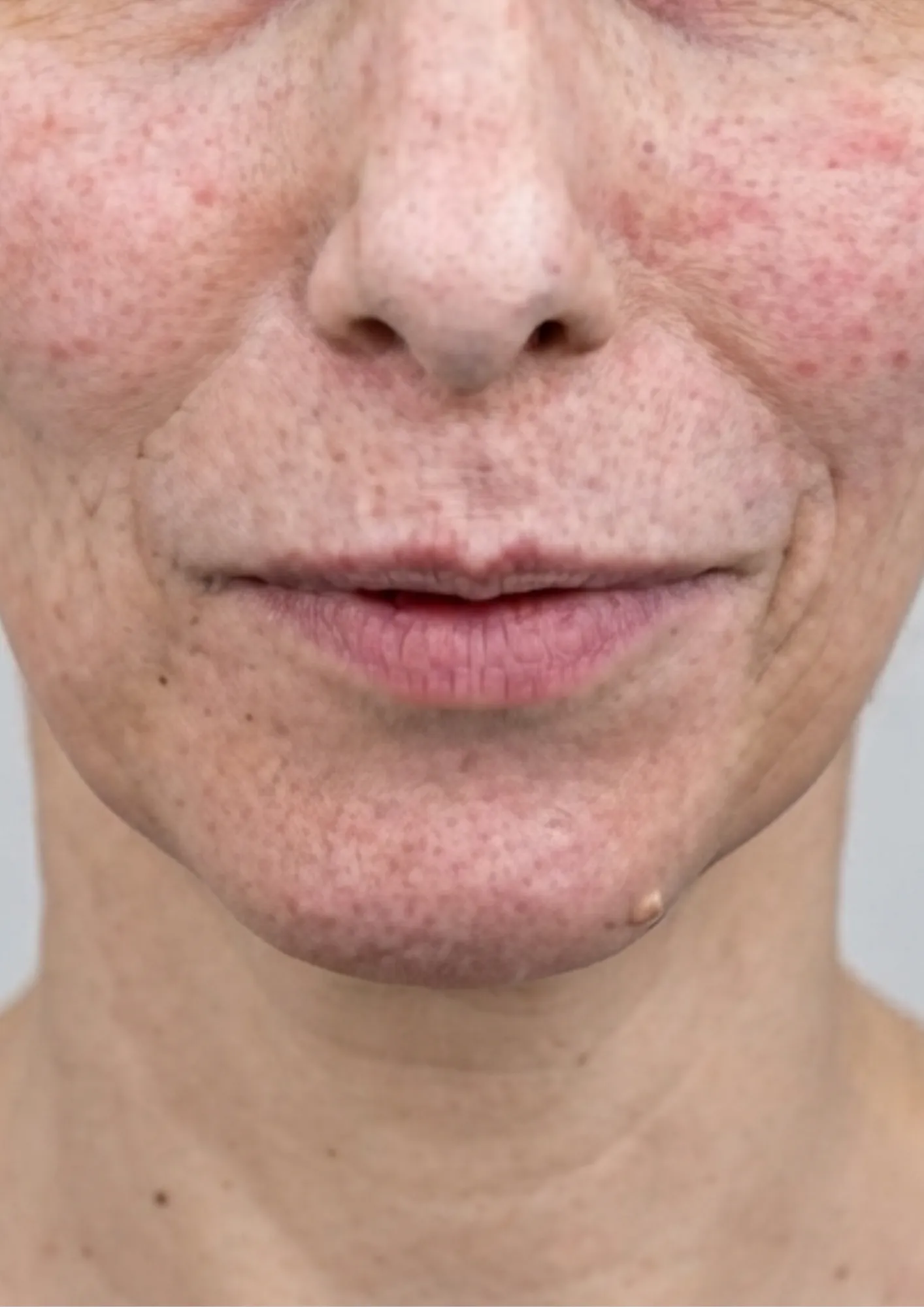
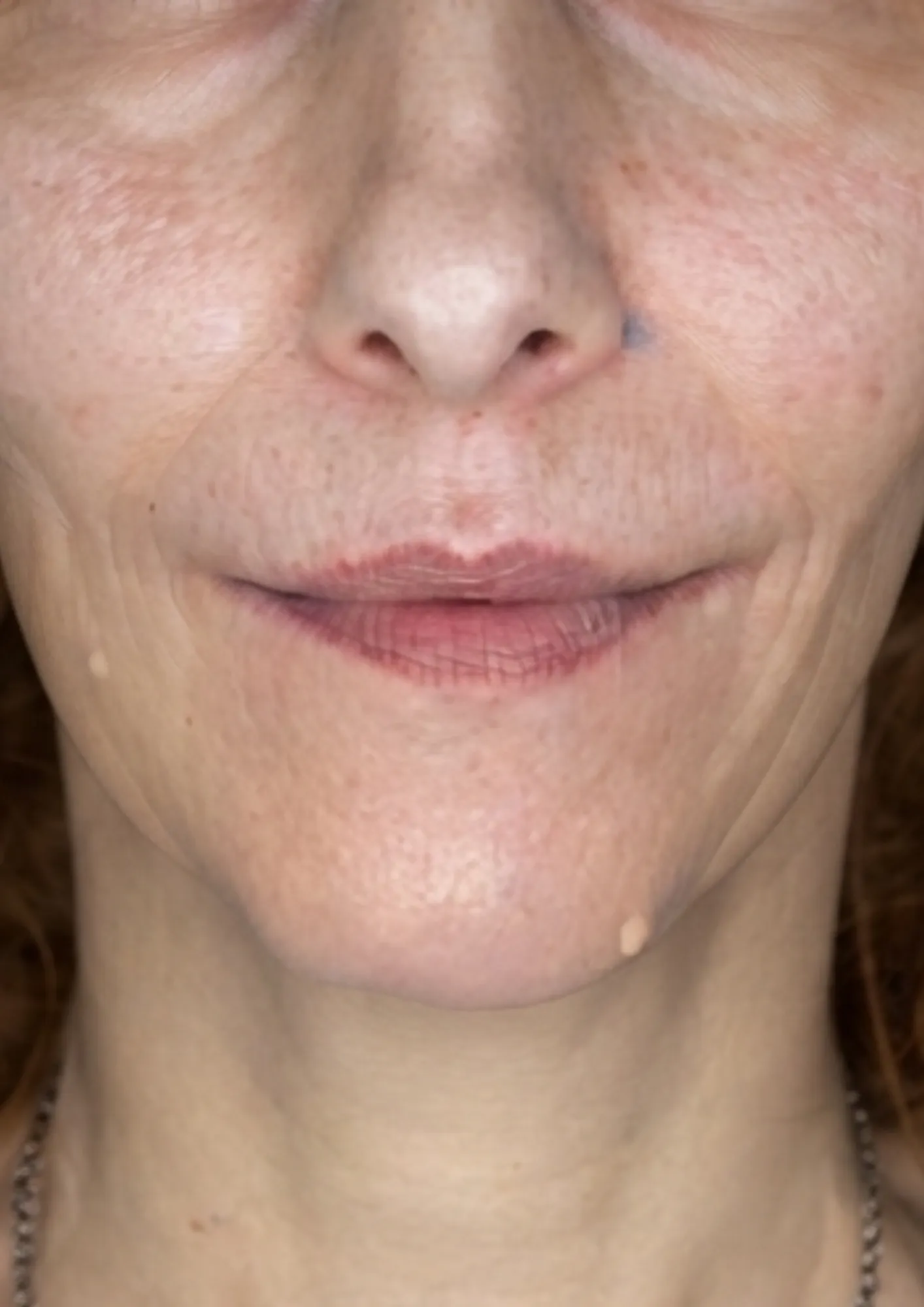
Our happy patients,
in their own words
Transparent pricing
Prices are set out below. Your written plan confirms the fee before any treatment begins.
Clear prices, set out before you start.
Redeemable in full against treatment
Per session
Per session
Per session
Per session
Included
- Skin assessment and free patch test
- A written plan and costs before treatment
Quoted separately
- Combined plans, quoted in writing
Questions
people ask
If your question isn't answered here, call reception on 020 8127 4567 or email reception.
How much does laser skin rejuvenation cost in the UK?
It depends on the treatment. At Dental & Wellness London, Islington, pigmentation and facial vessel treatments are from £80 per session, and laser resurfacing and laser tightening are from £195. The consultation is £65, redeemable in full.
Does laser skin rejuvenation really work?
For the right concern and skin type, yes. Results build over a course of sessions. It improves tone, texture and fine lines but does not replace a surgical lift.
How many sessions do I need?
Most plans are 3 to 6 sessions, about four weeks apart. We recommend a number at consultation based on your concern and your skin.
How long does it take to recover from laser skin rejuvenation?
IPL and Q-switched treatments usually need little or no downtime, though spots darken and flake over about a week. Resurfacing can leave skin red and rough for a few days.
Can I have laser treatment while pregnant or breastfeeding?
No. We postpone laser treatment during pregnancy and breastfeeding as a precaution.
Is laser rejuvenation safe for darker skin?
It can be, with careful choice of device and settings, and a patch test first. Some treatments, including IPL, are usually avoided on the darkest skin types. We assess this at consultation.