Non-surgical face lift in London
Reviewed By
Dr Vishal Patel
BDS Liverpool · MSc Aesthetic & Restorative Dentistry Manchester · GDC 103127 · AACD Member · Invisalign Diamond II Provider · IFAAS (International Fellowship in Advanced Aesthetic Science) · Facial anatomy & cadaver course, Dr Ali Pirayesh, University of Amsterdam · Harley Academy foundation training in injectable aesthetics · IBSA-trained (Profhilo) · NeoStrata-trained (skin peels) · Lynton Lasers trained, incl. ONDA
Last Updated
October 1, 2026
A planned combination of dermal filler, Profhilo, polynucleotides and muscle-relaxing treatment — designed as one comprehensive plan by a dentist-injector with MSc Aesthetic & Restorative Dentistry, not a list of separate procedures.
A non-surgical face lift combines treatments such as skin boosters, dermal filler, anti-wrinkle treatment and sometimes a thread lift to refresh and lift the face without surgery. At Dental & Wellness London, Islington, Dr Vishal Patel plans it over several visits. Results last 12 to 18 months. Your plan is quoted in writing; for example, Profhilo is £625 for two sessions and dermal filler from £350.
Non-surgical face lift at a glance
- A planned combination, not one treatment
- Skin boosters, filler, anti-wrinkle, sometimes threads
- Staged over several visits
- Results last 12 to 18 months
- Plan quoted in writing · consultation £65
Non-surgical face lift at our Islington clinic
What a non-surgical face lift is
A non-surgical face lift, sometimes called a liquid facelift, is a planned combination of treatments rather than one procedure. Depending on your face, it may combine Profhilo or other skin boosters for skin quality, dermal filler to restore lost volume and support, anti-wrinkle treatment to soften lines, and sometimes a thread lift, with PDO threads or the Korean V Lift mono-thread lift. The aim is a fresher, lifted look that still looks like you.
This is the most misunderstood point in the category. One syringe of cheek filler is not a face lift; it is cheek filler. Facial ageing happens in several layers at once: volume is lost in the midface and temples, soft tissue descends towards the jawline, the skin loses hydration and elasticity, and expression lines deepen. Each change needs a different tool, and a genuine non-surgical face lift addresses them as one connected plan rather than a list of separate appointments.
Much of the lift is structural and optical. Restoring support to the cheekbones and midface re-supports the lower face from above, so the overall impression is of a face that has been lifted, even though nothing has been cut. For the right person the result is real and visible. It is also gradual, temporary and not a substitute for surgery where there is significant loose skin, and we will tell you which side of that line you are on.
The components of a non-surgical face lift
Not every patient needs every element. The consultation establishes which combination suits your face.
- Dermal filler. Dermal filler restores lost volume and rebuilds structural support, typically at the cheekbone and midface, and sometimes the temple, chin, jawline or the area in front of the jowl. This is usually the backbone of the lift.
- Profhilo. An injectable hyaluronic acid that improves hydration, elasticity and firmness across a wide area. It does not add volume; it improves the quality of the skin over the structure. Most plans use a course of two sessions about four weeks apart.
- Other skin boosters. Options such as polynucleotides work on skin quality and are often useful in delicate areas, including under the eyes, where filler carries more risk.
- Anti-wrinkle treatment. Used selectively for forehead, frown and crow’s feet lines that volume alone cannot soften. Many people know it as “Botox”; it is a prescription medicine and is only given after consultation. See anti-wrinkle treatment.
- A thread lift. PDO threads, or the Korean V Lift mono-thread lift, give mechanical support along the lower face and jawline, for people who need a little more lift than volume can provide but are not looking for surgery.
- Lip and mouth-area refinement. Where the lower face is part of the plan, subtle lip support and treatment of the lines around the mouth complete the balance.
The skill is not in any single treatment. It is in deciding which combination, in what order and in what amounts gives a balanced, natural result for your face, and in holding back so the plan refreshes without tipping into an over-filled look. If the nose is part of the balance, a non-surgical nose job is a related option we assess separately.
Does it actually lift the face?
It gives a real, visible improvement by restoring support to the cheeks and jawline and improving skin quality. It does not remove excess skin, so for significant sagging a surgical face lift gives a larger result, and we will tell you if that is the better option. Adding large volumes of filler to a face with significant laxity does not lift it; it simply makes it heavier, which is exactly the appearance most people want to avoid.
Who it suits, and who it does not
A non-surgical face lift tends to suit people in their thirties to fifties noticing early to moderate volume loss, a softening jawline and duller, less elastic skin, who want a natural refresh without surgery or downtime. It can also suit older patients who are not ready for, or not suitable for, surgery and who want meaningful improvement within realistic limits. Age itself is not the deciding factor; skin laxity is.
It is not suitable where there is substantial loose, hanging skin, during pregnancy or breastfeeding, where there is active skin infection, or where expectations go beyond what injectable treatment can deliver. In those situations we will explain why and, where surgery is the honest answer, refer you to surgical colleagues.
Why a dentist plans the whole face
A face lift plan is a whole-face proposition, and the face is where a dentist works every day. Dr Vishal Patel has around 20 years in dentistry and 10 years in facial aesthetics. Knowledge of the blood vessels, nerves and muscle function of the face is part of his daily clinical work, not a short course. When one plan involves filler in the midface, temple, jawline and chin, the cumulative anatomical demand is far greater than for a single area, and that knowledge matters more.
The planning lens matters just as much. Change the cheekbone and you change how the lower eyelid and the fold beside the nose sit. Change the jawline and you change how the chin projects and how much of the lower teeth show when you smile. Because Dr Patel considers lips, teeth, jaw and smile together, he reads these relationships as one system. Sometimes that means suggesting a dental step, such as addressing worn or crowded teeth, alongside or before facial treatment, because the teeth support the lower face too.
How it is planned
Treatment is staged over several visits, so each step can settle before the next. Dr Vishal Patel plans the whole face around vital facial structures, with proportionate treatment and natural aesthetics as the goal. Results build over four to eight weeks and typically last 12 to 18 months. Prescribed and administered by Dr Vishal Patel, BDS, MSc Aesthetic & Restorative Dentistry, GDC 103127, the clinic’s sole aesthetic prescriber.
At consultation we assess your face at rest and in movement, identify where volume loss, descent and skin change actually sit, and discuss what you want to achieve. From that we build a written, sequenced plan: which areas, which treatments, what amounts and in what order. A typical plan runs across two or three visits over six to eight weeks. Staging is both safer and more natural than attempting everything at once, because each layer can be assessed and refined as the result builds.
8-point and 12-point face lifts
You may see the terms “8-point” and “12-point” face lift. They describe the number of injection points used in a filler-based lift, with the 12-point version adding areas such as the temple and further lower-face refinement. The point count describes a technique; it does not guarantee a result. A well-planned treatment with fewer points will look better than a poorly planned one with more. We plan around your anatomy, not a number.
Results, week by week
On the day, filler gives an immediate sense of support, though some of this is swelling. Over the first week swelling and any bruising settle. By two to four weeks filler has reached its settled position, and the second Profhilo session, if planned, usually falls around this point. Between four and eight weeks the skin-quality changes become visible: better hydration, firmness and a more even surface. The overall result typically lasts 12 to 18 months. Filler in low-movement areas such as the cheekbone and chin tends to last longest, while skin boosters need more frequent maintenance. Results vary, and a non-surgical face lift is a maintenance commitment rather than a one-off event.
Non-surgical face lift cost
There is no single price for a non-surgical face lift, because no two plans are the same. Your cost is built from the treatments your face actually needs and quoted in writing before anything begins. As a guide to the building blocks:
- Profhilo: £350 for one session, or £625 for a course of two
- Dermal filler: from £350
- Skin boosters, including polynucleotides: from £250
- Anti-wrinkle treatment: from £169, including a two-week refresh
- PDO thread lift: from £600 for a single area, £1,200 mid-face and jowl, £1,800–£2,400 full face
- Korean V Lift (mono-thread lift): £1,600
A skin and aesthetic consultation is £65 and is redeemable in full against treatment. If you would rather build a plan gradually, starting with the element that will make the most difference, we are happy to do that.
Non-surgical or surgical face lift?
The two answer different questions. A non-surgical face lift restores volume and improves skin quality, needs only numbing, involves little downtime, and its filler elements can be reversed with hyaluronidase. It lasts 12 to 18 months with maintenance. A surgical face lift physically repositions tissue and removes excess skin. It lasts many years but involves anaesthetic, scarring and weeks of recovery. If your concern is volume loss and skin quality, the non-surgical route is the sensible starting point. If it is significant loose skin, surgery is the honest answer, and we will say so.
Safety, risks and aftercare
Because a plan involves several treatments, the risks of each apply. Common, temporary effects include swelling for a day or three, bruising, tenderness and slight asymmetry in the first week. Less commonly there may be lumps, asymmetry needing adjustment, infection or a reaction to a product. The most serious risk, though rare, is vascular occlusion, where filler blocks a blood vessel. Treating several areas raises the importance of anatomical knowledge, so we use a cannula where appropriate, treat conservatively and in stages, and keep hyaluronidase on site to act immediately if needed.
For 24 to 48 hours, avoid strenuous exercise, saunas and very hot showers, and avoid touching the treated areas. Avoid other facial treatments, including routine dental work, for two weeks, and sleep with your head slightly raised for a night or two. Contact us straight away if you notice severe pain, whitening or mottling of the skin, or any change in your vision. Every plan includes a review.
Why have it with us
His training includes the International Fellowship in Advanced Aesthetic Science, a facial anatomy and cadaver course with Dr Ali Pirayesh at the University of Amsterdam, Harley Academy and IBSA training for Profhilo. Dr Patel holds a BDS from Liverpool and an MSc in Aesthetic & Restorative Dentistry from Manchester, and you see him at every stage, from consultation to review. Read more on Dr Patel’s profile.
The clinic is at 222 Essex Road, Islington, London N1 3AP, two minutes from Essex Road station and a short ride from Angel, Highbury, Canonbury, Hackney and Stoke Newington. Buses 38, 56, 73, 341 and 476 stop on Essex Road. Many patients cycle or use a Lime or Forest e-bike. We are open Monday to Friday, 8am to 7pm, by appointment.
Clinically reviewed by Dr Vishal Patel · BDS · MSc Aesthetic & Restorative Dentistry · GDC 103127. Last reviewed 1 October 2026.
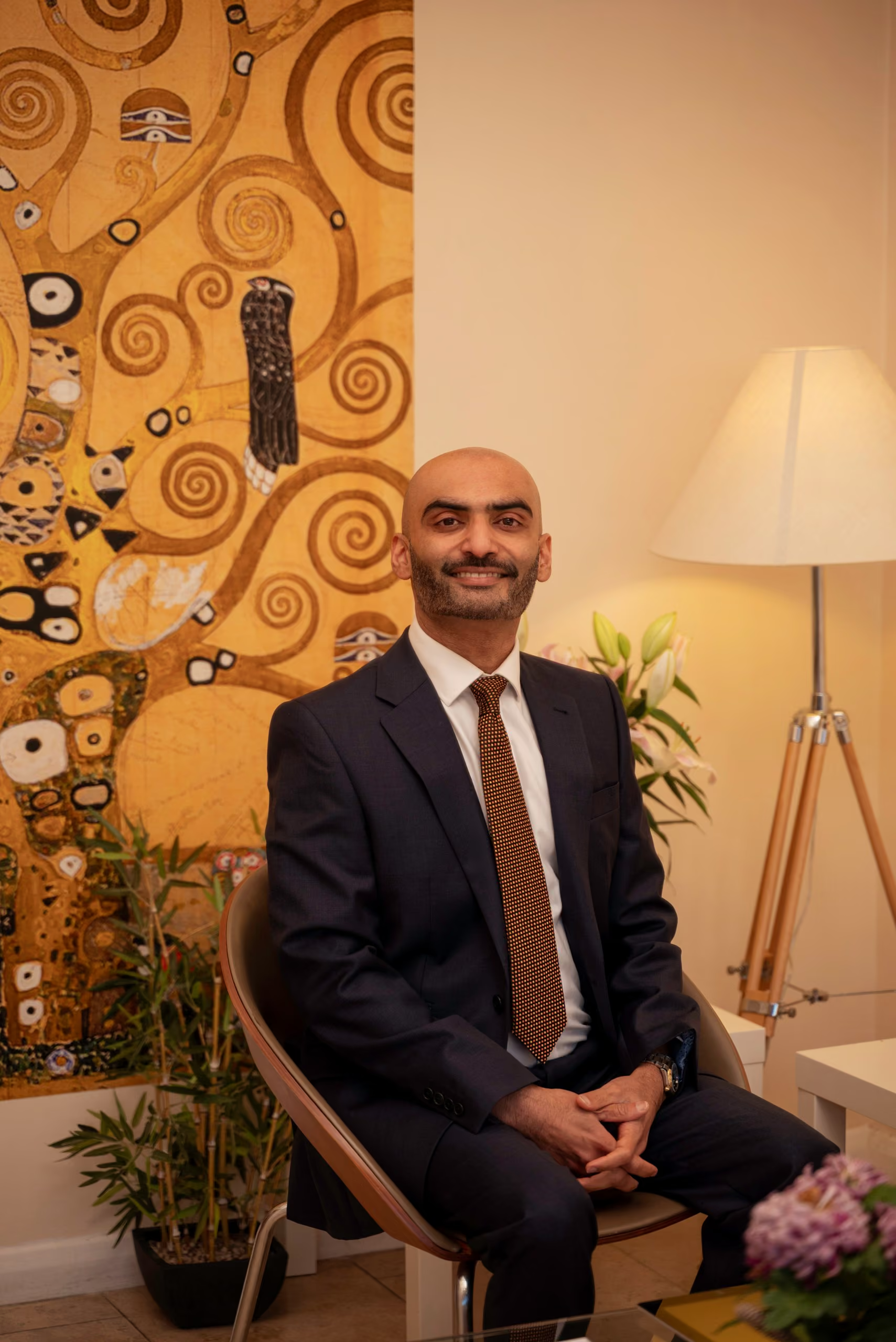
Dr Vishal Patel
Clinical lead · Sole aesthetic prescriber · 10 years in facial aesthetics
BDS Liverpool · MSc Aesthetic & Restorative Dentistry (Manchester) · GDC 103127 · International Fellowship in Advanced Aesthetic Science (IFAAS) · Facial anatomy and cadaver course with Dr Ali Pirayesh, University of Amsterdam · Harley Academy · IBSA and NeoStrata trained
We will tell you when a treatment is not the right answer. That honesty is part of the treatment.
Read Dr Patel’s profile →Skin tightening and lifting: more in this group
- Laser skin tightening
- Neck rejuvenation
- PDO thread lift
- Skin tightening vs thread lifts
- Sagging skin
- HIFU vs radiofrequency vs microwave
Related: ONDA Coolwaves.
Further reading
Anatomy Depth
Surgical Background
Ethical Aesthetics
Each stage of the plan is priced in writing before it starts, and you can stop after any stage.
One plan, for your whole face.
Consultation — £65
A skin assessment with an honest view of what will help. The fee is redeemable in full against treatment.
Your plan
Each step and its cost set out in writing.
Staged treatment
Visits spaced so each step can settle.
Review
We review the result at the end of the plan.
Start with a consultation
- £65, redeemable in full against treatment
- Carried out by Dr Vishal Patel
- A written plan before treatment
Or call 020 8127 4567 · WhatsApp +44 7974 910222
222 Essex Road, Islington N1 3AP · Mon–Fri, 8am–7pm
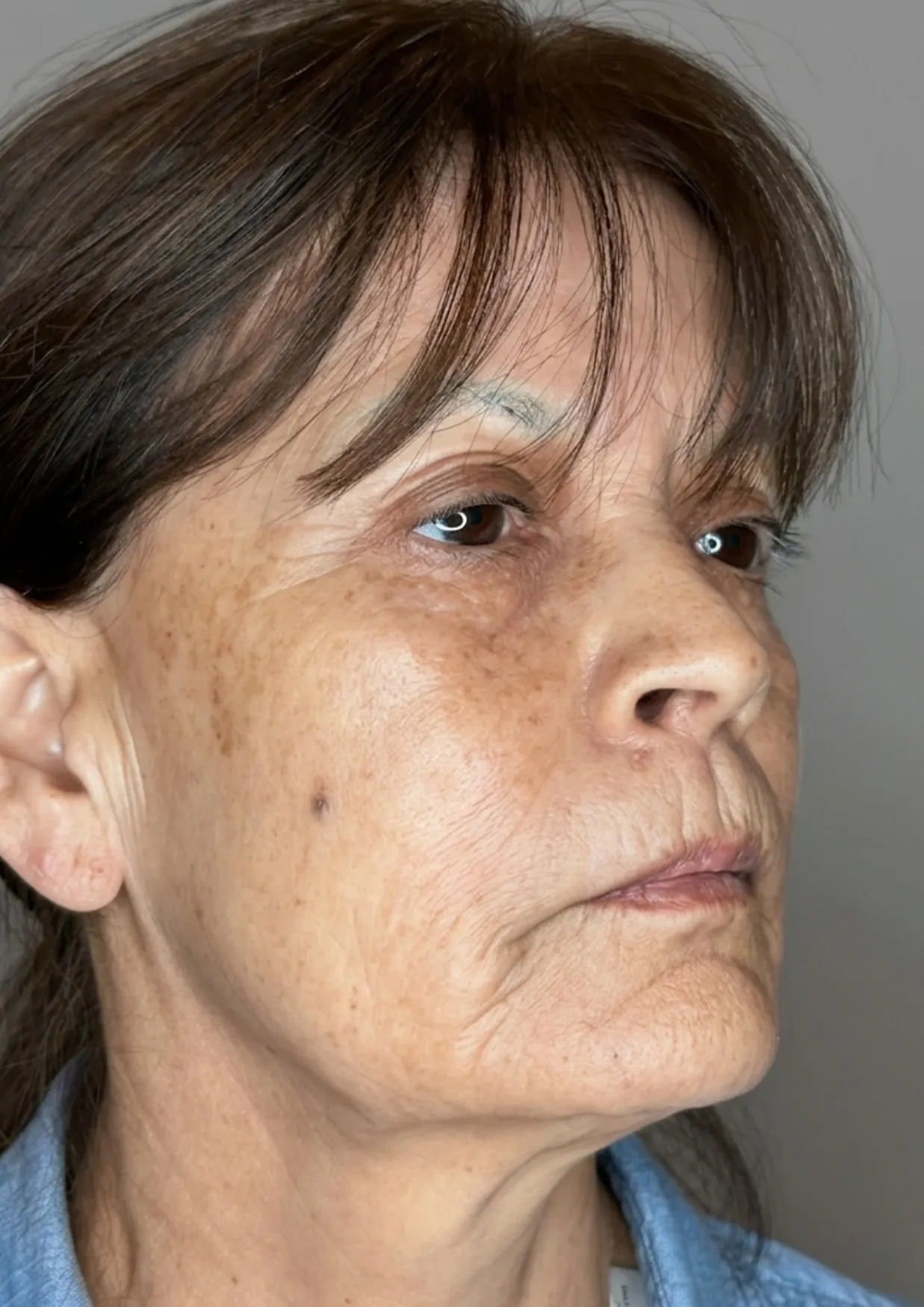
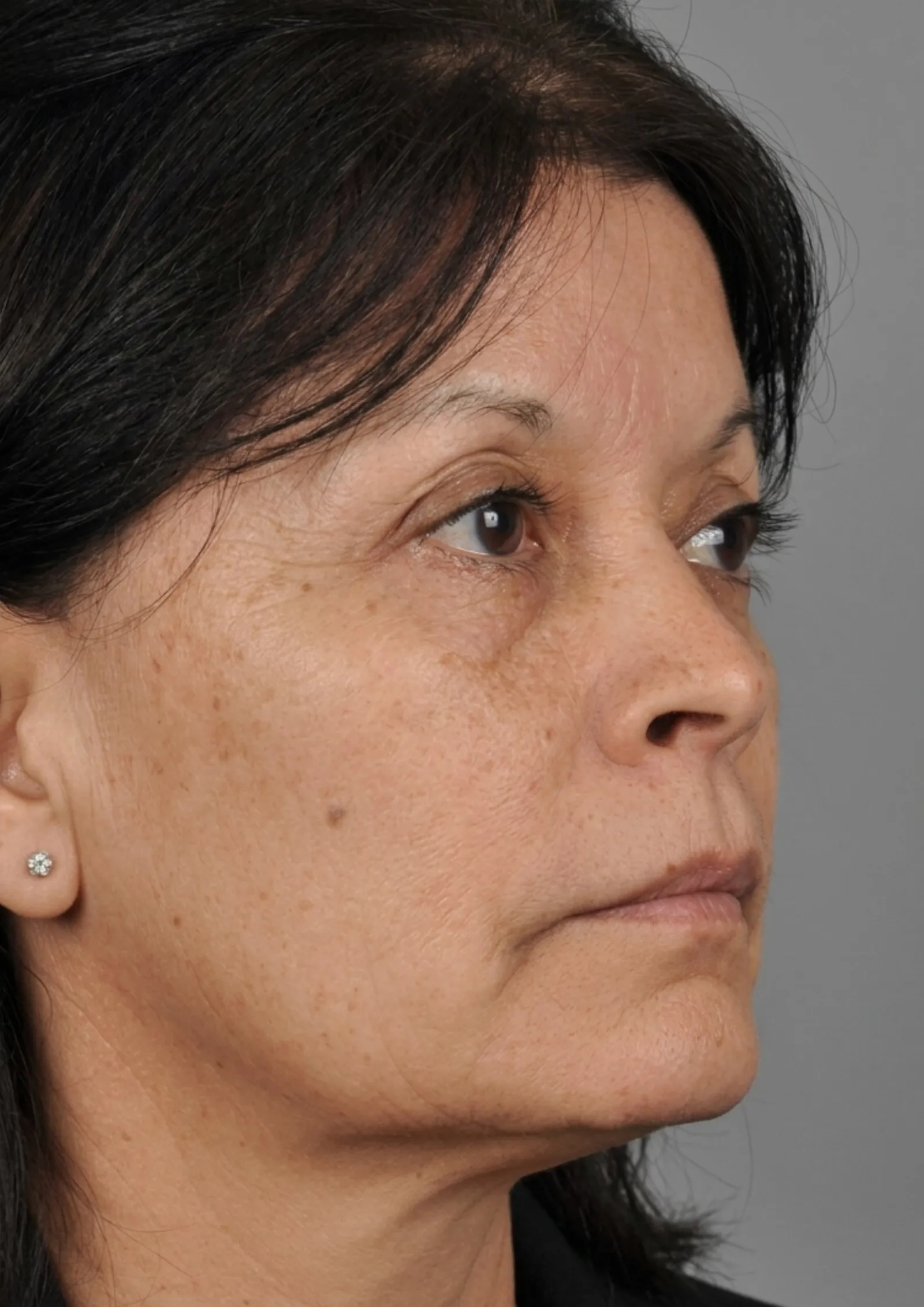
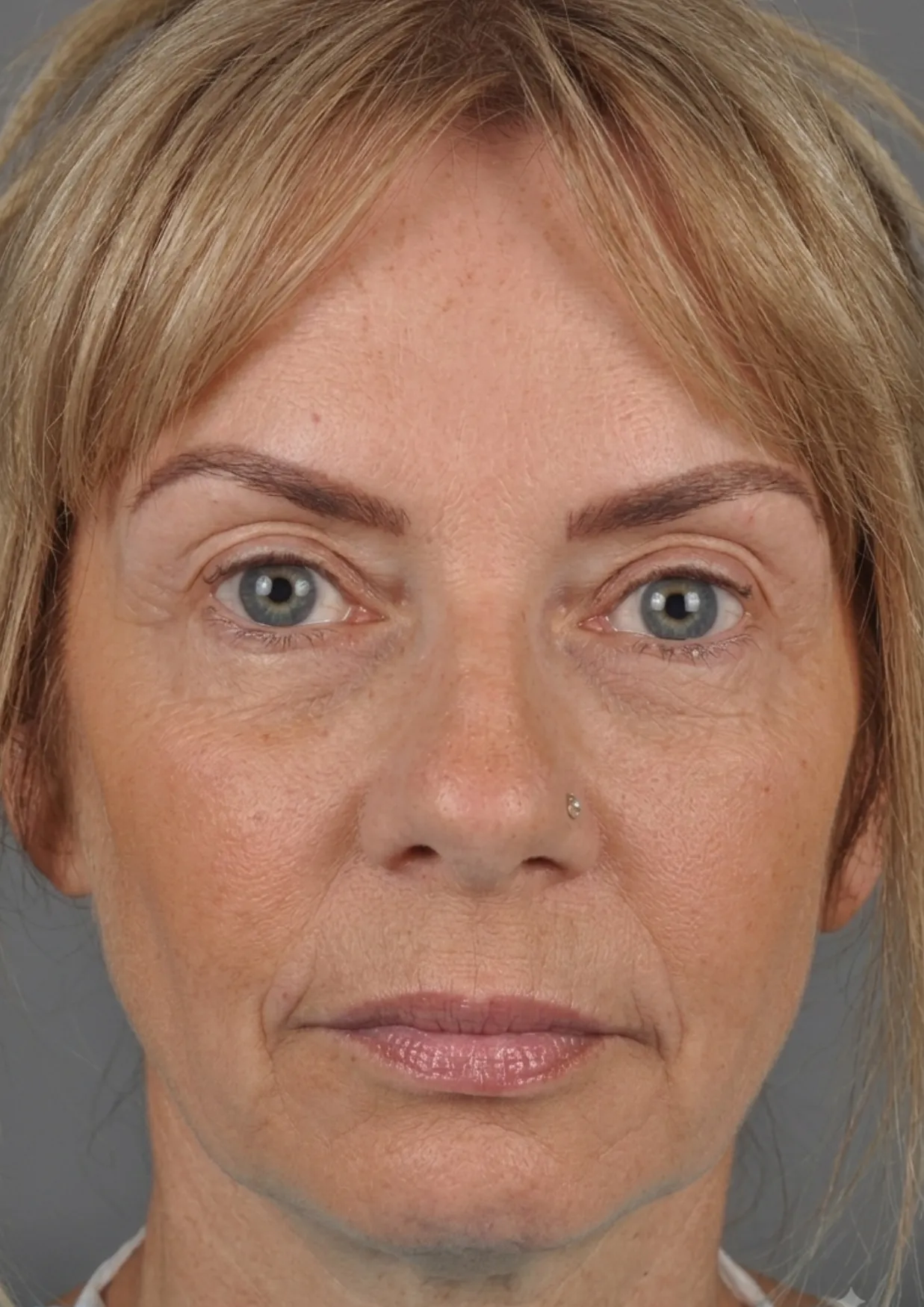
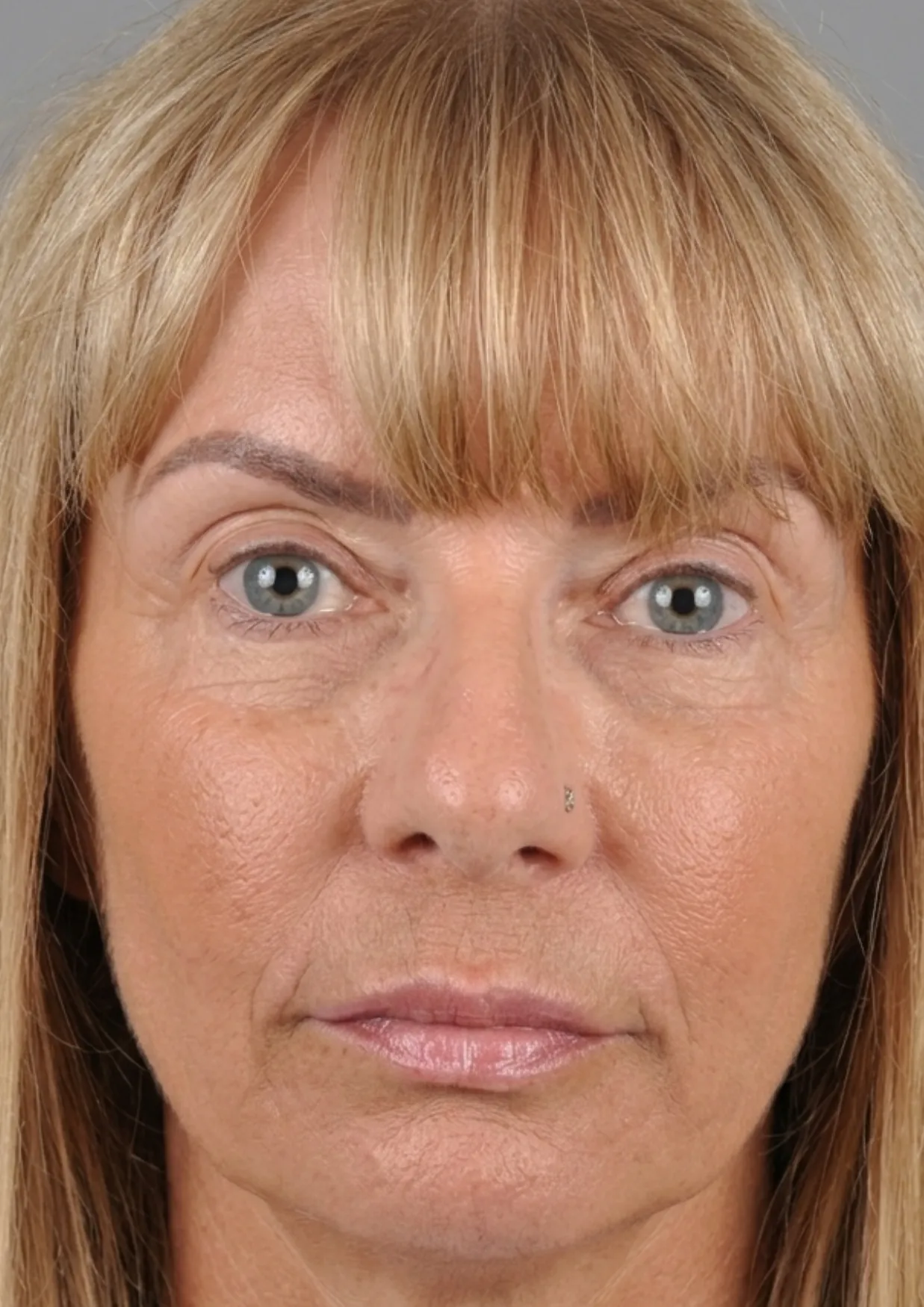
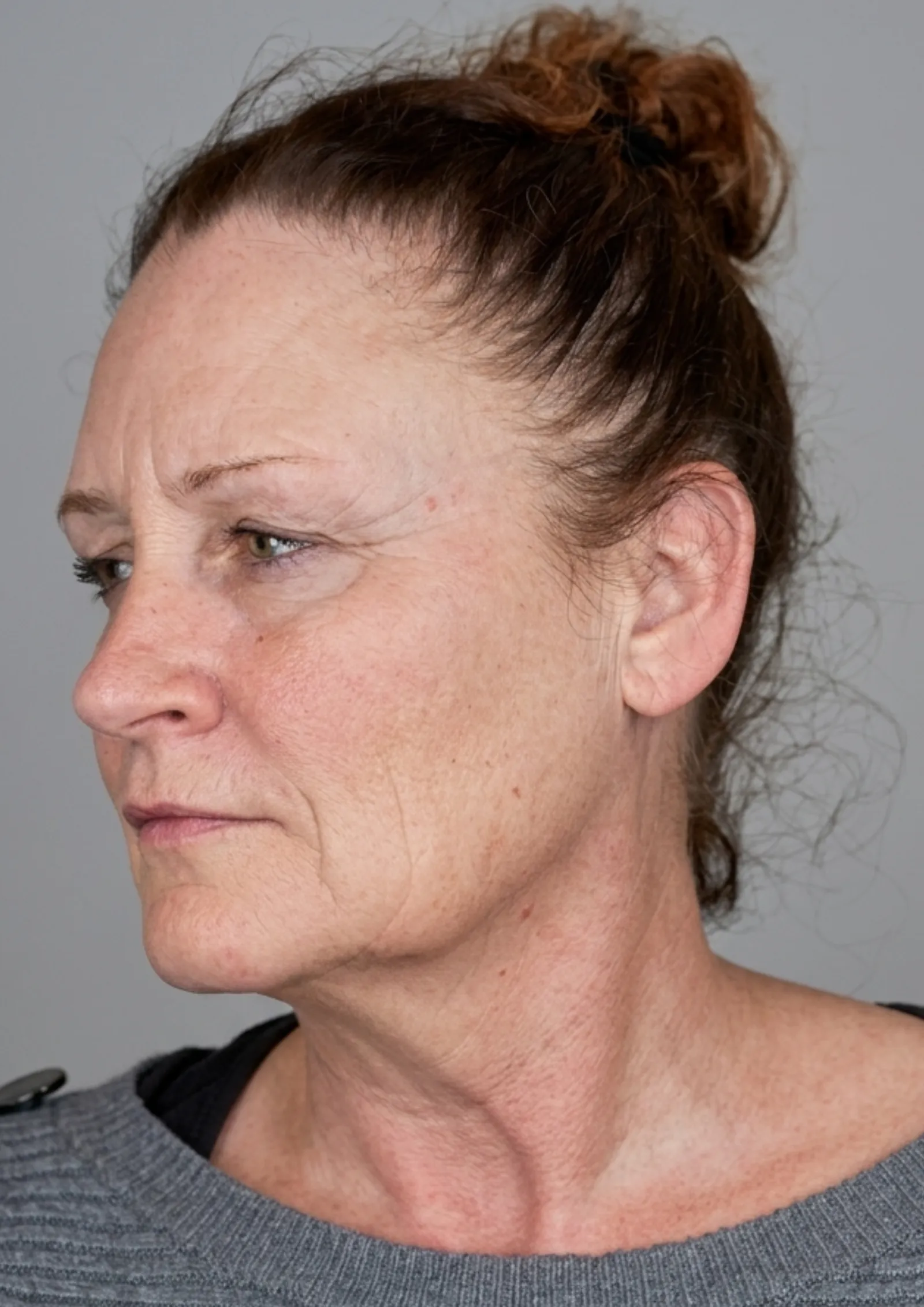
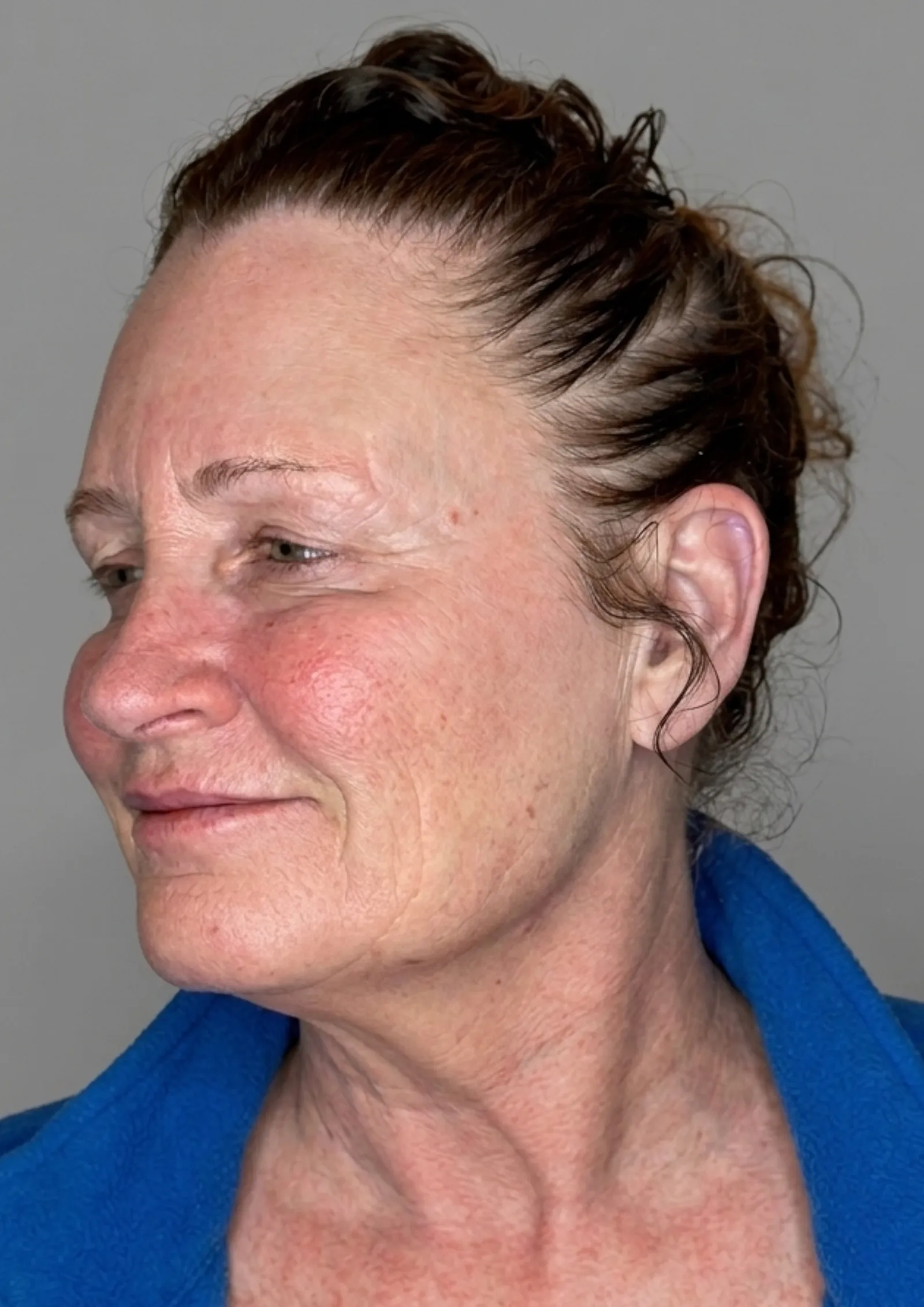
Before and After
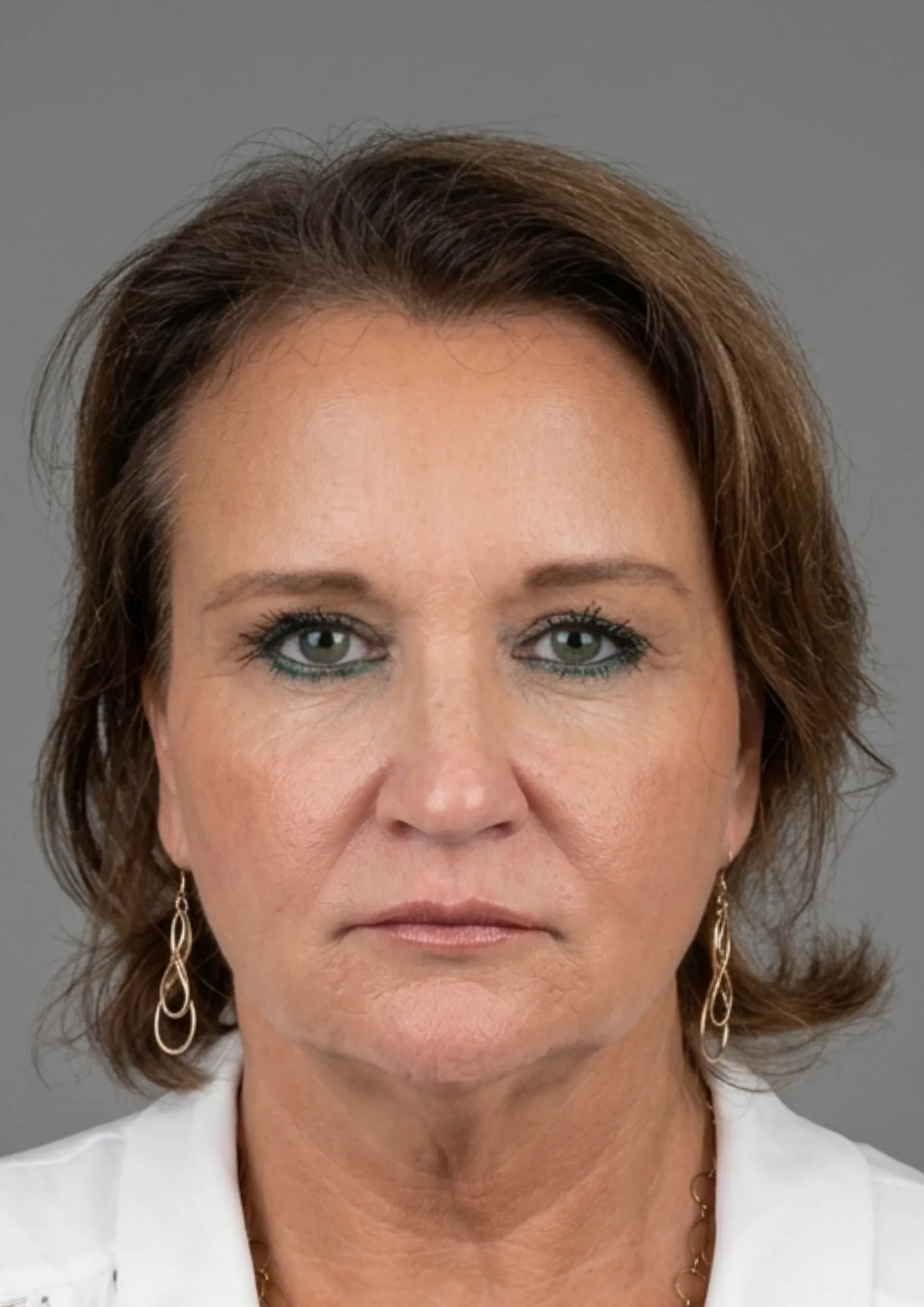
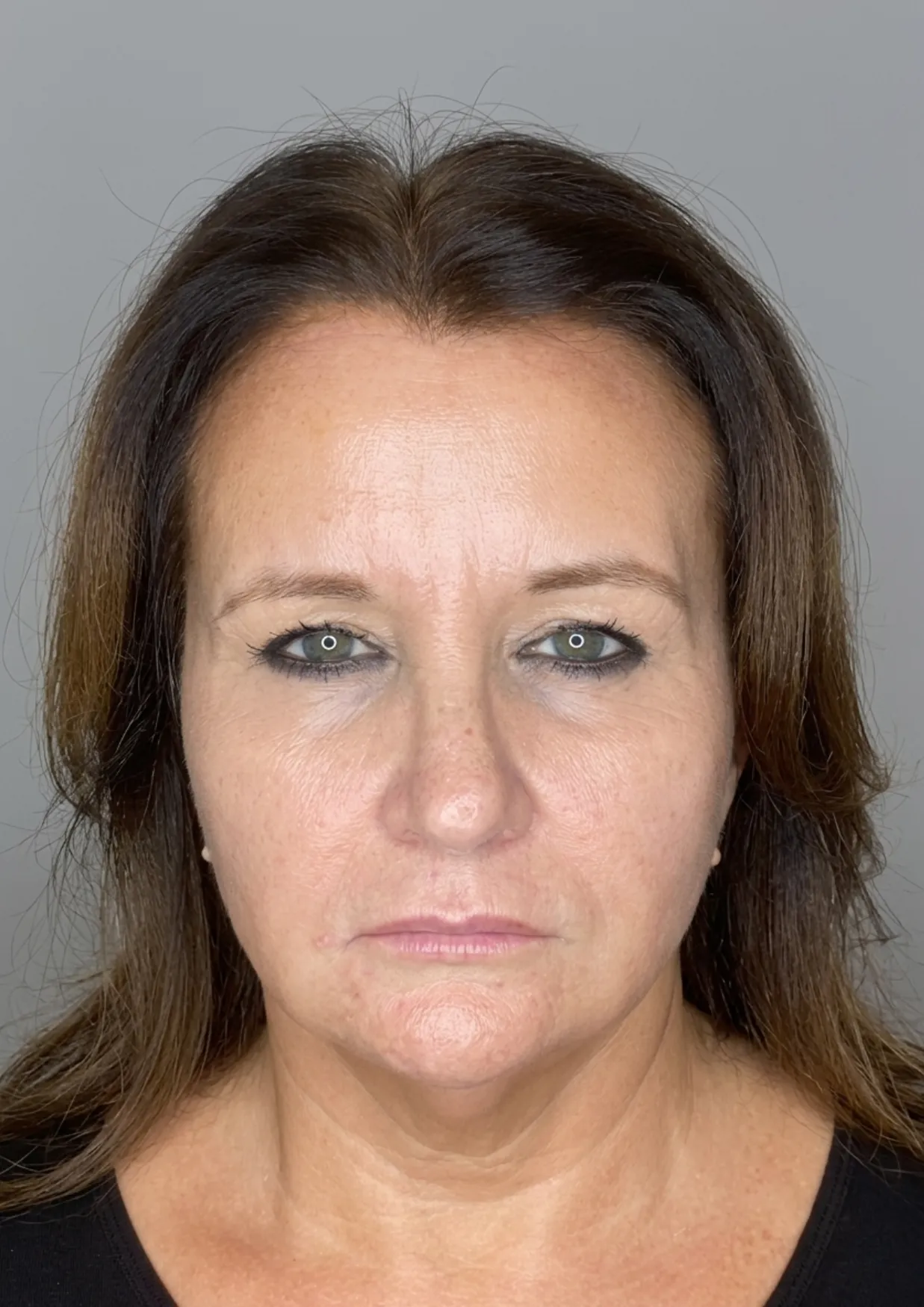
Our happy patients,
in their own words
Transparent pricing
Prices are set out below. Your written plan confirms the fee before any treatment begins.
Clear prices, set out before you start.
Redeemable in full against treatment
Two-session course
Per area
PDO threads, single area, if needed; Korean V Lift mono-thread lift £1,600
Included
- Whole-face plan by Dr Patel
- Reviews between stages
Quoted separately
- Your full plan, quoted in writing
Questions
people ask
If your question isn't answered here, call reception on 020 8127 4567 or email reception.
How much does a non-surgical face lift cost in London?
It depends on your plan. At our clinic, Profhilo is £625 for two sessions, dermal filler is from £350, a PDO thread lift is from £600 for a single area, and the Korean V Lift mono-thread lift is £1,600. Your full plan is quoted in writing.
Is a liquid facelift the same as a non-surgical face lift?
Yes, both describe a planned combination of injectable treatments.
How long does a non-surgical face lift last?
Typically 12 to 18 months, with maintenance.
Does a non-surgical face lift actually lift the face?
It gives a visible lift by restoring support and improving skin quality, but it does not remove excess skin.
Will I look overfilled?
Not with a proportionate, staged plan. Natural results are the aim.
Am I too old for a non-surgical face lift?
Age matters less than skin laxity. With significant sagging, surgery may give a better result, and we will say so.
What is an 8-point face lift?
A filler technique using set injection points. We plan by your anatomy rather than a fixed number of points.
Is a non-surgical face lift safe?
In experienced hands with good anatomical knowledge, it is well established. Bruising and swelling are common and settle.