Jawline filler in London — anatomically-precise contouring in Islington N1
Reviewed By
Dr Vishal Patel
BDS Liverpool · MSc Aesthetic & Restorative Dentistry Manchester · GDC 103127 · AACD Member · Invisalign Diamond II Provider · IFAAS (International Fellowship in Advanced Aesthetic Science) · Facial anatomy & cadaver course, Dr Ali Pirayesh, University of Amsterdam · Harley Academy foundation training in injectable aesthetics · IBSA-trained (Profhilo) · NeoStrata-trained (skin peels) · Lynton Lasers trained, incl. ONDA
Last Updated
October 1, 2026
Dermal-filler jaw definition from a dentist-injector with MSc Aesthetic & Restorative Dentistry — mandibular-anatomy expertise applied to the jawline that frames the whole lower face.
Jawline filler uses hyaluronic acid filler along the jawbone to define the angle and edge of the jaw and balance the lower face. Results are immediate and last 12 to 18 months. At Dental & Wellness London, Islington, it is carried out by dentist Dr Vishal Patel; jawline enhancement is £300 per 1ml.
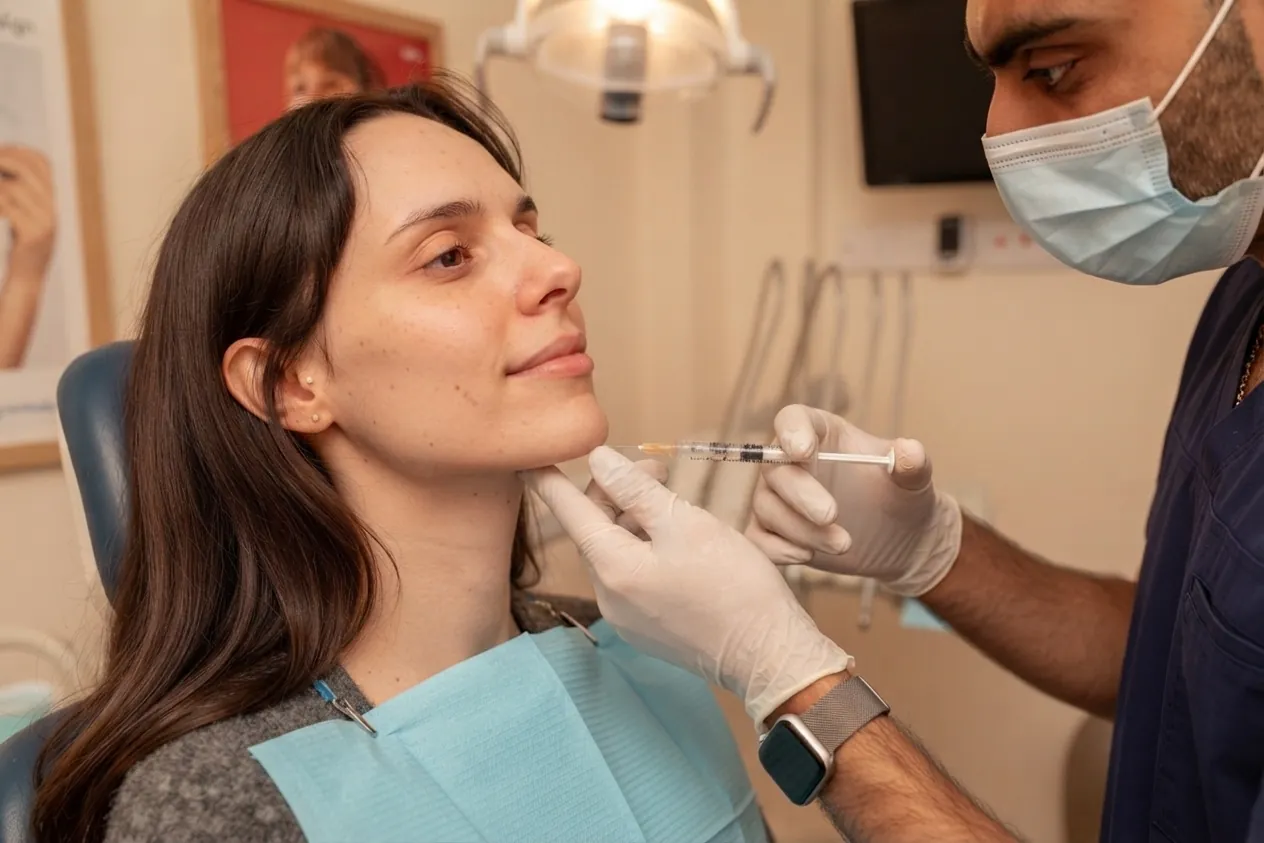
- Defines the jaw angle and edge
- Can blur early jowling
- Lasts 12 to 18 months; reversible
- £300 per 1ml
- Carried out by dentist Dr Vishal Patel
Jawline filler at our Islington clinic
What jawline filler does
Jawline filler uses a firm hyaluronic acid filler along the jawbone to define the angle and edge of the jaw. It can sharpen a soft jawline, balance the lower face and blur early jowling. As a dentist, Dr Vishal Patel knows the anatomy of the lower jaw closely, which matters for safe treatment near its vessels and nerves.
Filler is placed at chosen points along the lower jaw: at the angle, to add definition and sometimes width; along the body of the jaw, to create a cleaner line; and at the transition into the chin, to complete the contour. The change is visible at the end of the appointment and usually lasts 12 to 18 months before the body gradually breaks the product down.
People ask for jawline filler for two quite different reasons. With age, the lower face loses bony and soft-tissue support, the angle of the jaw softens and the line between jaw and neck blurs. Younger patients, by contrast, often want definition they were not born with. The same treatment serves both, but the plan is different for each, and that planning is where most of a jawline filler consultation at our Islington clinic is spent.
Who jawline filler suits, and who it does not
Jawline filler tends to suit people with a soft or under-defined jaw, a jaw angle that has lost sharpness with age, early jowling where a clean lower border would help, or a lower face that looks out of proportion with the cheeks and chin. It works best where the skin still has reasonable quality and support.
It is not the right answer for a jaw that already looks wide or bulky, which usually needs slimming rather than adding to. It does not remove fat under the chin; for that, see fat dissolving injections. It cannot tighten significantly loose skin, where a surgical opinion may be more honest. We do not treat during pregnancy or breastfeeding, or where there is active infection in the area. If the plan you have in mind would not serve your face, we will tell you. If the concern is the lines from nose to mouth instead, see nasolabial fold filler.
Filler or masseter treatment?
Filler adds structure to a soft or undefined jaw. Masseter treatment slims a wide, muscular jaw. Some people benefit from both; we assess which applies to you.
This is the most important decision in lower-face contouring, and the two treatments are often confused because patients describe both concerns the same way: “I want to do something about my jaw.” Choosing the wrong one makes the problem worse. Filler on a jaw that is already wide because of a strong chewing muscle adds bulk where slimming was needed. Relaxing the muscle on a jaw that is weak and under-defined removes what little structure was there.
A wide, square angle is often linked to clenching or grinding, which a dentist sees every day; our page on teeth grinding explains the connection. Because we offer and assess both treatments under one roof, we recommend what your anatomy needs rather than what you walked in asking for. Masseter treatment is from £300.
Combining jawline filler with masseter treatment
For some patients the best result uses both. A jaw that is wide at the angle and soft along the lower border may benefit from masseter treatment to reduce the bulk, followed by filler to redefine a clean line. We usually treat the muscle first, allow four to six weeks for the slimming effect to develop, and then place filler against a settled baseline. Planning towards a known endpoint gives a more proportionate result, and the combined plan is costed in writing before anything begins.
Why a dentist for jawline filler
The lower jaw is dentistry’s home territory. Dr Vishal Patel has around 20 years in dentistry and 10 years in facial aesthetics, and the vital facial structures of this region are part of his daily work. The facial artery crosses the lower border of the jaw at a predictable point. A sensory nerve to the lip and chin exits the jawbone below the premolar teeth, and a small branch of the facial nerve runs close to the jawline. Knowing where these lie, in three dimensions and from experience, is what makes injection along the jaw careful rather than hopeful.
The planning case matters just as much. The jaw frames the chin, sets the boundary against the neck and balances the cheekbones above it. Because Dr Patel considers lips, teeth, jaw and smile together, he will look at the bite, the way the lower face moves when you speak and smile, and how the jaw relates to the chin before deciding on any volume. Proportionate treatment, natural aesthetics and facial balance are the aim: a jaw that looks like a stronger version of your own.
What to expect
- About 30 to 45 minutes, with numbing
- Swelling or tenderness for a few days
- Results last 12 to 18 months
- Reversible with hyaluronidase (£180)
We begin with an assessment at rest and in movement, identify the landmarks and areas to avoid, confirm whether filler, masseter treatment or both is the right plan, and agree the volume. You receive a written plan, give written consent, and we take clinical photographs. A numbing cream is applied, and most structural fillers also contain local anaesthetic. Treatment usually combines a blunt cannula along the body of the jaw, which reduces bruising and vascular risk, with a fine needle at fixed points such as the angle. Volume is built gradually and gently moulded against the bone. Most people describe the sensation as uncomfortable but manageable, and you go back to your day afterwards.
Results and longevity
Definition is visible straight away. Swelling can exaggerate the contour for the first two or three days, and some bruising at entry points is common. Because a full jawline uses more product than smaller treatments, swelling may be a little more noticeable. By one to two weeks most people see their settled result. The filler then holds steadily and gradually softens over 12 to 18 months, often towards the longer end because the jaw moves relatively little. Product choice, volume and metabolism all affect longevity, and results vary.
Jawline filler cost in Islington
Jawline filler is £300 per 1ml. Angle-only definition needs less product than a full jawline contour, and male jaws often need more, so we agree the volume at consultation and confirm the full cost in writing before any treatment. A skin and aesthetic consultation is £65 and is redeemable in full against treatment. Dissolving with hyaluronidase, if ever needed, is £180. Combined plans with chin filler or masseter treatment are costed together. We quote the plan that matches your anatomy and goal, not the maximum, and jawline filler needs refreshing every 12 to 18 months to maintain the result.
Jawline filler or surgery?
Filler is non-surgical, needs only numbing, involves no surgical recovery and can be reversed. It suits definition of a soft jaw and early jowling. Surgical options, such as jaw implants or a lower face lift, are permanent and involve anaesthetic, scarring and weeks of recovery, but are more appropriate for significant bony deficiency or substantial loose skin. Where a bite or jaw-position problem is the underlying cause, an orthodontic or surgical opinion may be the honest answer. We do not perform facial surgery and refer to surgical colleagues when that is the better route. For age-related change across the whole face, our non-surgical face lift page explains how the jaw fits into a wider plan.
Jawline filler for men
A larger share of jawline patients are men than for most other injectables, because a defined jaw is something many men specifically want. Male treatment usually emphasises width and squareness at the angle and a strong, straight line along the jaw, rather than the more tapered contour many women prefer, and often needs more product. Most men want a result that reads as their own face rather than a treated one. Many combine jawline filler with chin filler or masseter treatment for overall lower-face balance.
Safety, risks and aftercare
Because the jaw is rich in blood vessels and nerves, safety matters more here than in many smaller treatments. Common, temporary effects include swelling for two to five days, bruising, tenderness and slight asymmetry that settles within about ten days. Less commonly there may be lumps, asymmetry needing adjustment, infection, a reaction to the product, or temporarily altered sensation if filler sits near the nerve to the lip and chin. The most serious risk, though rare, is vascular occlusion, where filler blocks a blood vessel. The jawline lies close to the facial artery and its branches, which is why we use a cannula in higher-risk zones, inject slowly at low pressure, keep hyaluronidase on site and are prepared to act immediately.
For 24 to 48 hours, avoid strenuous exercise, saunas and very hot showers, and do not press or massage the area unless we have asked you to. Avoid other facial treatments, including routine dental work, for two weeks, and sleep with your head slightly raised for a night or two. Contact us straight away if you develop worsening pain, whitening or mottling of the skin, or any change in your vision. First-time patients are offered a review at around two weeks.
Why have it with us
Prescribed and administered by Dr Vishal Patel, BDS, MSc Aesthetic & Restorative Dentistry, GDC 103127, the clinic’s sole aesthetic prescriber. His training includes the International Fellowship in Advanced Aesthetic Science, a facial anatomy and cadaver course with Dr Ali Pirayesh at the University of Amsterdam, and IBSA training. You see the same clinician from consultation to review. More on our approach to dermal fillers in Islington and on Dr Patel’s profile.
The clinic is at 222 Essex Road, Islington, London N1 3AP, two minutes from Essex Road station and a short ride from Angel, Highbury, Canonbury, Hackney and Stoke Newington. Buses 38, 56, 73, 341 and 476 stop on Essex Road. Many patients cycle or use a Lime or Forest e-bike. We are open Monday to Friday, 8am to 7pm, by appointment.
Clinically reviewed by Dr Vishal Patel · BDS · MSc Aesthetic & Restorative Dentistry · GDC 103127. Last reviewed 1 October 2026.

Dr Vishal Patel
Clinical lead · Sole aesthetic prescriber · 10 years in facial aesthetics
BDS Liverpool · MSc Aesthetic & Restorative Dentistry (Manchester) · GDC 103127 · International Fellowship in Advanced Aesthetic Science (IFAAS) · Facial anatomy and cadaver course with Dr Ali Pirayesh, University of Amsterdam · Harley Academy · IBSA and NeoStrata trained
We will tell you when a treatment is not the right answer. That honesty is part of the treatment.
Read Dr Patel’s profile →For the full picture, including how this compares with the alternatives, see our guide to dermal fillers.
Further reading
Anatomy Depth
Oral Surgery
Ethical Aesthetics
Jawline definition is planned with the chin and the bite in mind, because a strong jaw on an unbalanced profile rarely looks natural.
Definition, in proportion.
Consultation — £65
A skin assessment with an honest view of what will help. The fee is redeemable in full against treatment.
Treatment
About 30 to 45 minutes.
Review at two weeks
We check the result once swelling settles.
Start with a consultation
- £65, redeemable in full against treatment
- Carried out by Dr Vishal Patel
- A written plan before treatment
Or call 020 8127 4567 · WhatsApp +44 7974 910222
222 Essex Road, Islington N1 3AP · Mon–Fri, 8am–7pm
Before and After
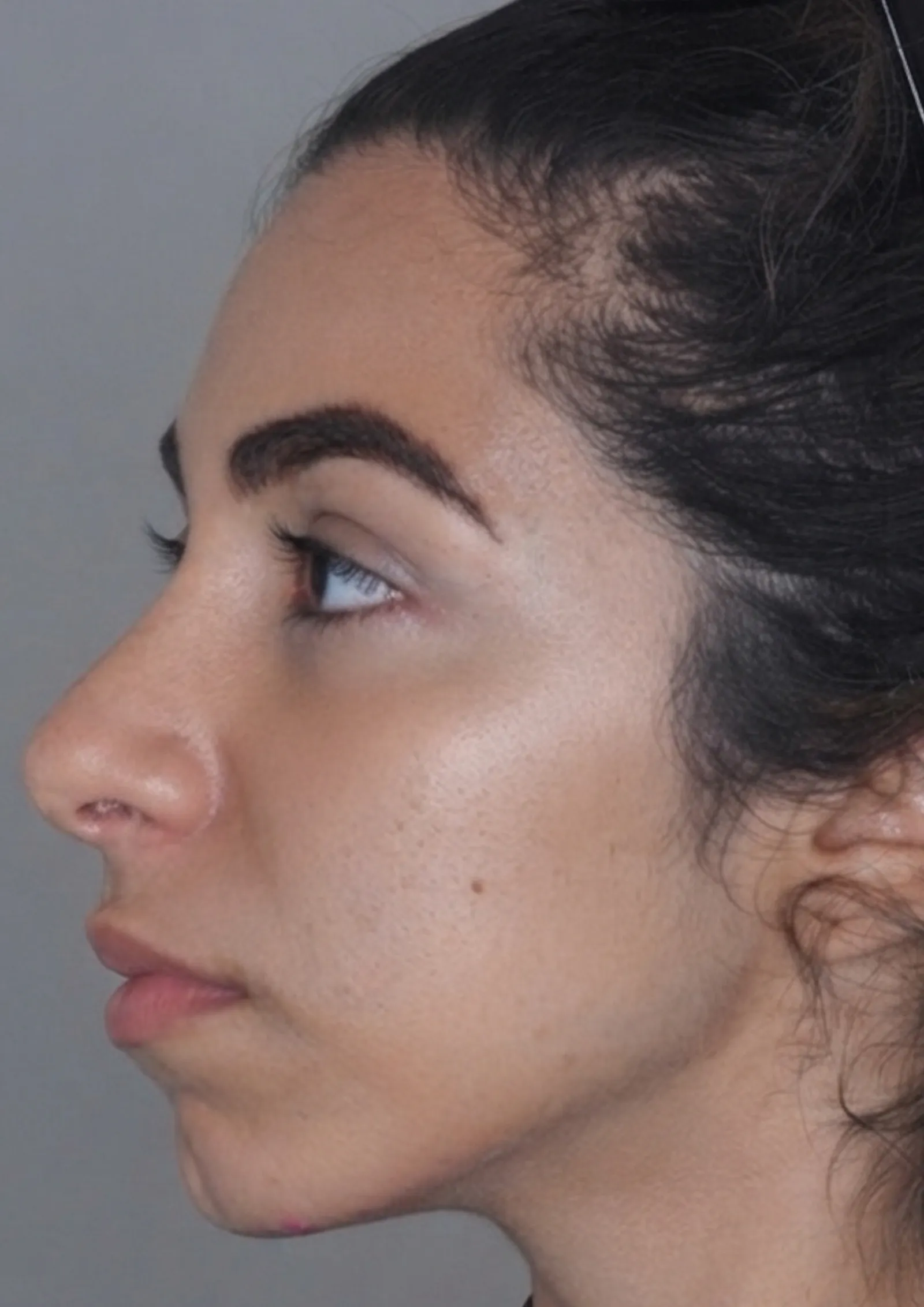
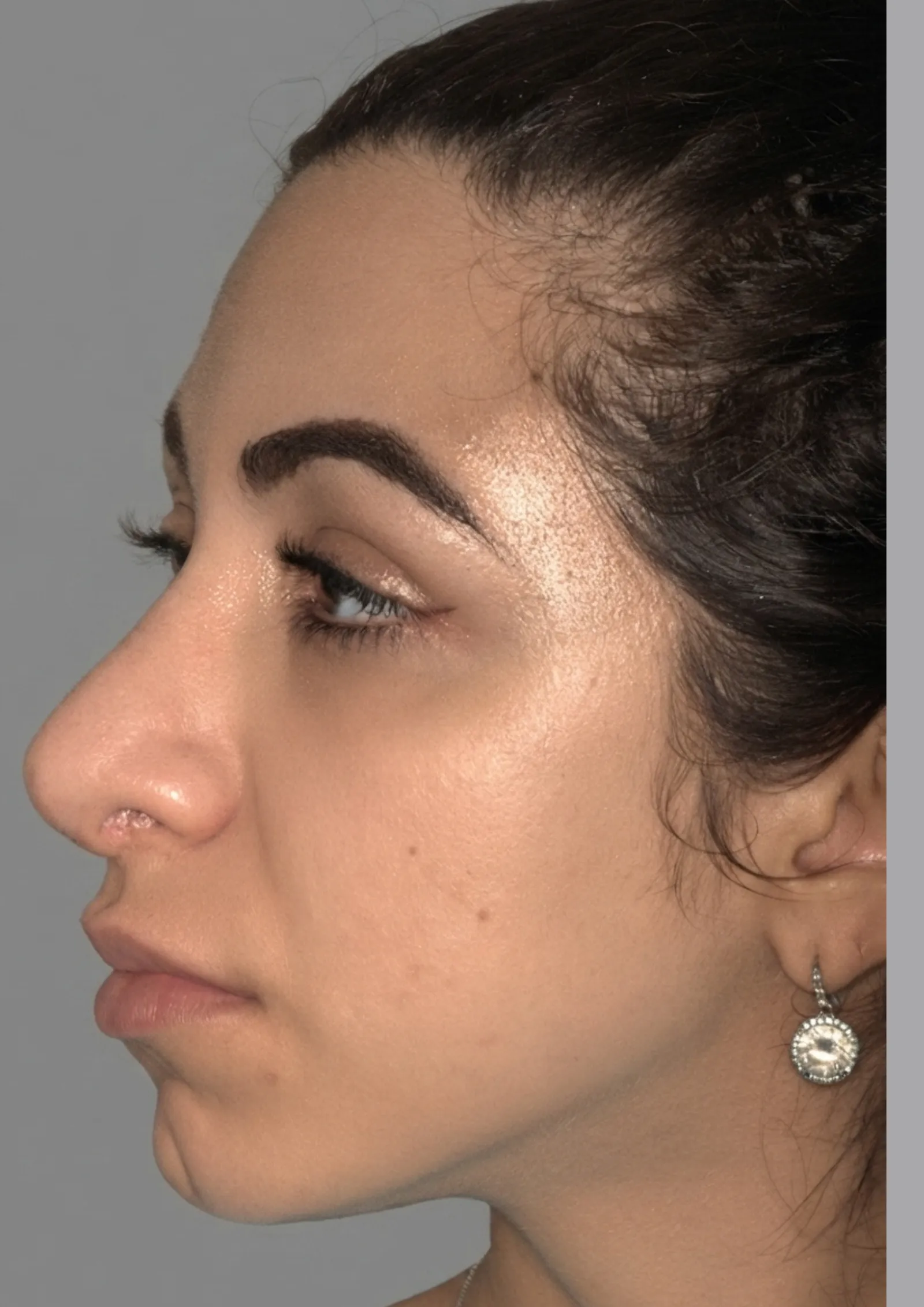
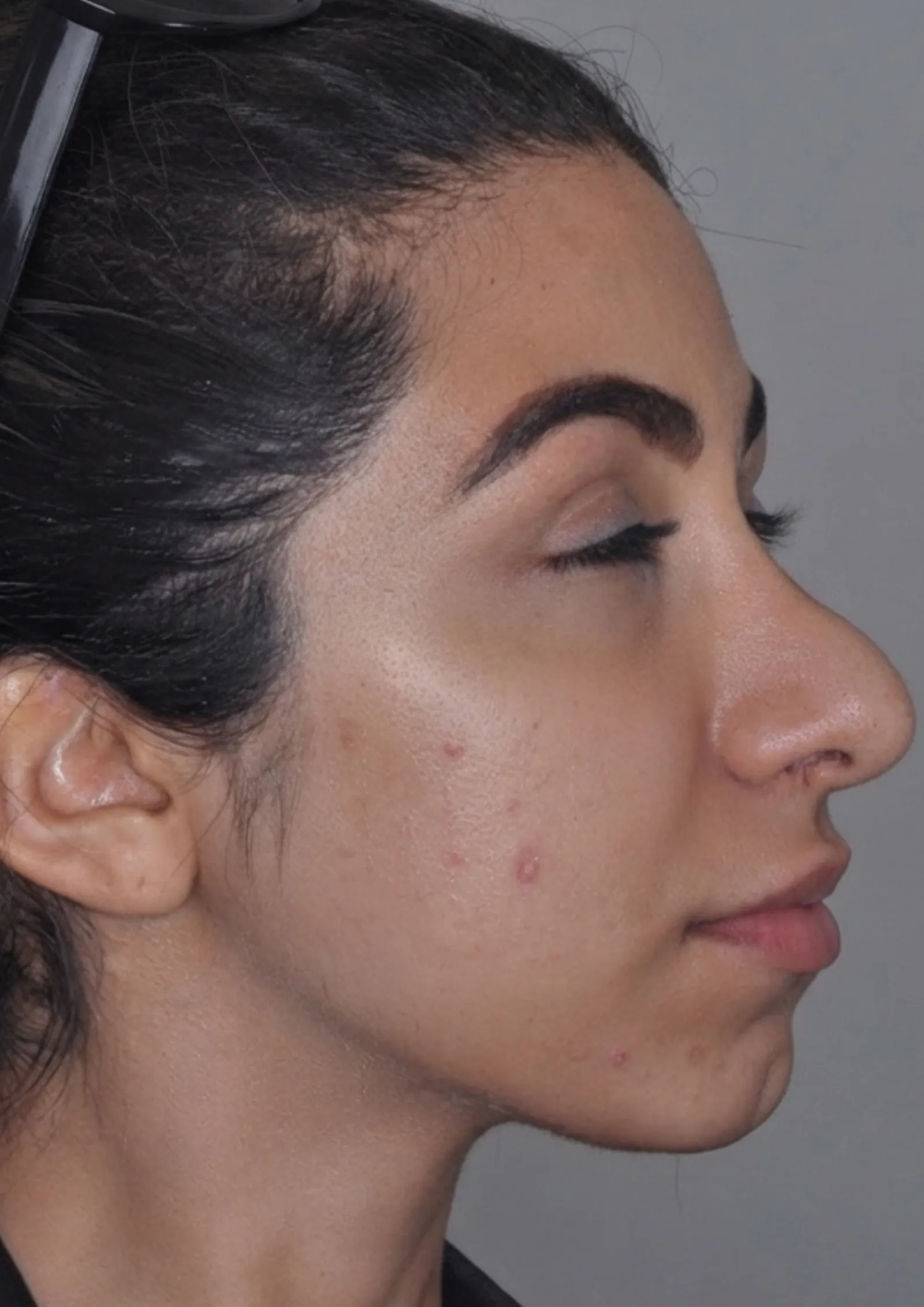
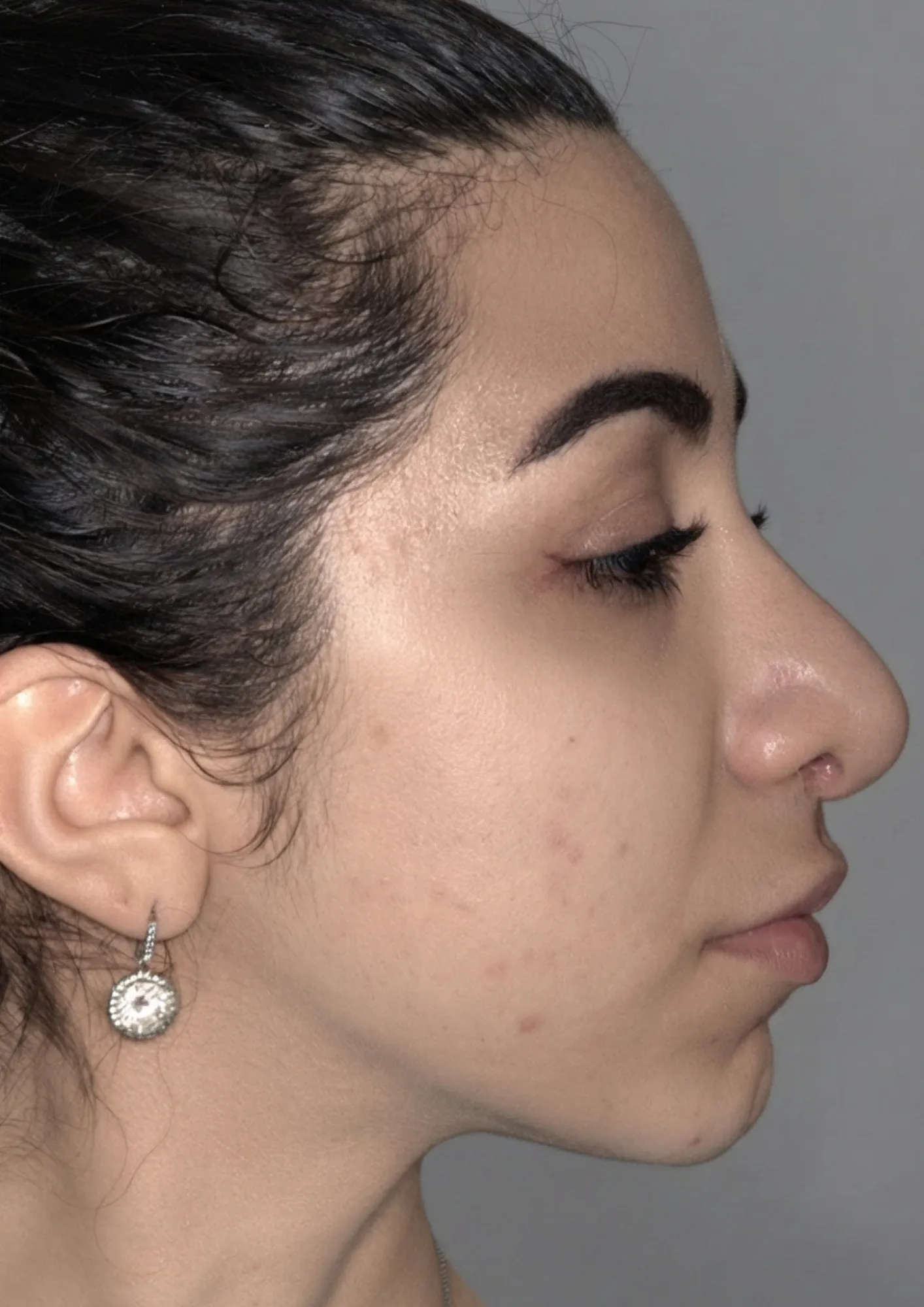
Our happy patients,
in their own words
Transparent pricing
Prices are set out below. Your written plan confirms the fee before any treatment begins.
Clear prices, set out before you start.
Redeemable in full against treatment
Per 1ml
Chin, cheeks
Included
- Assessment by Dr Patel
- Two-week review
Quoted separately
- Dissolving with hyaluronidase, if ever needed: £180
Questions
people ask
If your question isn't answered here, call reception on 020 8127 4567 or email reception.
How much does jawline filler cost in London?
At Dental & Wellness London, Islington, jawline enhancement is £300 per 1ml. How much you need is agreed at consultation.
How long does jawline filler last?
Usually 12 to 18 months.
Jawline filler or masseter treatment?
Filler adds structure to a soft jaw; masseter treatment slims a wide, muscular jaw.
Does jawline filler look natural?
Yes, when planned in proportion and conservatively dosed.
Is jawline filler painful?
Most people find it manageable with numbing and filler containing local anaesthetic.
Can jawline filler get rid of jowls?
It can blur early jowling, but it does not remove loose skin.
How much filler do I need?
It varies; many people start with 1 to 2ml.
Can I have jawline and chin filler together?
Yes, they are often planned together because they share a contour.