Dermal Fillers, London — Why a Cosmetic Dentist Is the Person to Ask
Reviewed By
Dr Vishal Patel
BDS Liverpool · MSc Aesthetic & Restorative Dentistry Manchester · GDC 103127 · AACD Member · Invisalign Diamond II Provider · IFAAS (International Fellowship in Advanced Aesthetic Science) · Facial anatomy & cadaver course, Dr Ali Pirayesh, University of Amsterdam · Harley Academy foundation training in injectable aesthetics · IBSA-trained (Profhilo) · NeoStrata-trained (skin peels) · Lynton Lasers trained, incl. ONDA
Last Updated
September 9, 2026
What dermal fillers can and can't do, where the risks really sit, and why facial anatomy training matters more than the product
Dermal fillers are gel implants, usually made of hyaluronic acid, injected to restore lost volume and refine facial contour — cheeks, lips, jawline, tear troughs and folds. They are CE-marked medical devices, not prescription medicines, and the result depends heavily on the injector's understanding of facial anatomy. At Dental & Wellness London they are placed by a cosmetic dentist trained in facial structure, under clinical-lead oversight.
The myth worth dismantling first
There is a comfortable assumption in aesthetics that fillers are a beauty-counter product — pick a syringe, pick a feature, top it up when it fades. That framing is exactly how things go wrong. A dermal filler is a medical device injected next to blood vessels, nerves and muscles in some of the most anatomically dense territory on the body. The face is not a canvas. It is a structure.
So the honest position is the opposite of the marketing one. The product is the easy part — most reputable hyaluronic acid fillers are good, and the differences between them are smaller than the adverts suggest. The hard part, and the part that decides whether you look refreshed or overfilled, is the judgement of the person holding the needle: where the volume has actually been lost, where the vessels run, how much is enough, and when the right answer is to do nothing at all. We say no often, and on this page I want to explain why that is a feature, not a limitation.
Why we believe a dentist is the right person to inject your face
This is the single most important thing on the page, so I will state the case plainly.
Dentists have a full working understanding of vital facial structures. We perform oral surgery. We understand blood vessels, nerves, and how the muscles of the face function — not from a weekend course, but from years of operating millimetres from them every working day. A background in Aesthetic & Restorative Dentistry — in our case an MSc from the University of Manchester — trains the same instinct that makes a good restorative dentist: proportionate treatment, high ethics, natural aesthetics, perfect balance and facial symmetry.
That is not a marketing line. It is the difference between someone who knows the name of the facial artery and someone who can feel, anatomically, where it runs before the needle moves — which matters enormously, because the rare but serious complication of filler is accidental injection into a vessel. The whole face, not just the lips or the cheeks, is the unit we are trained to read. A smile that has been over-volumised in isolation looks wrong precisely because it ignores the balance of everything around it. The training that plans a natural-looking smile is the same training that plans a natural-looking face.
What dermal fillers genuinely do — and what they don't
Fillers restore volume and refine contour. They are not a wrinkle treatment in the muscle sense, and they are not a substitute for skin quality or for surgery. Understanding which problem you actually have is the first job of a consultation.
Where they work well: cheeks that have flattened with age, a jawline that has lost definition, lips that have thinned or lost shape, tear troughs that cast a tired shadow, and the folds that run from nose to mouth. Hyaluronic acid is the workhorse here because it integrates with the tissue, holds water, and — crucially — is reversible: it can be dissolved if a result is not right.
Where they are the wrong tool: filler cannot lift significant skin laxity (that is a surgical question), it cannot improve skin texture or fine crepey skin (a skin-quality treatment like Profhilo or microneedling is the honest answer there), and it cannot fix a concern that is really about muscle movement rather than lost volume. Part of an ethical consultation is telling you when a filler is not what you need — including when the kindest answer is that you don't need anything yet.

A word on what fillers are, legally and clinically
Hyaluronic acid dermal fillers are CE-marked medical devices, not prescription-only medicines. That means, unlike muscle-relaxing injections, they do not require a prescriber — but it does not mean they are low-risk or unregulated by good sense. The risk in filler comes from the injection itself and the anatomy around it, which is exactly why who injects matters more than which brand. At Dental & Wellness London, dermal fillers are prescribed and administered by Dr Vishal Patel (MSc Aesthetic & Restorative Dentistry, GDC 103127), the practice's aesthetic clinical lead. We use reversible hyaluronic acid products and keep dissolving agent on site as a matter of routine safety.
The framework we use in consultation — assess the face, not the feature
When someone asks for "cheek filler" or "lip filler," the request is a feature. Our job is to read the face. We use a simple, repeatable assessment.
Where has volume actually gone? Ageing is loss before it is wrinkling — fat pads descend and deflate, and the face reads as tired or heavy. Replacing volume at its source often refreshes the whole face more naturally than chasing the line you noticed.
What holds the balance? Treating one feature in isolation is how faces start to look "done." A little support to the cheek can soften a fold the patient came in asking to fill directly. The skill is restoring proportion, not stacking product.
How little is enough? The most experienced injectors are the most conservative. Small amounts, reviewed, built gradually if needed, always reversible — this is how you keep a result looking like you, with natural aesthetics and facial symmetry intact.
Is filler even the answer? Sometimes the issue is skin quality, sometimes muscle, sometimes nothing that needs treating. An honest consultation includes the option of "not yet."
What dermal fillers cost in London — and what the number includes
Dermal fillers at Dental & Wellness London start from £350, with most natural results using one to two syringes depending on the region. Lip filler is £200 for 0.5ml and £380 for 1ml, tear trough filler £250 for 0.5ml and £395 for 1ml, and jawline filler £300 per 1ml. Lips, cheeks and jawline are quoted at consultation once we have read the face and agreed how little we can sensibly use.
It is worth understanding what that figure buys, because "from £X" filler pricing hides the part that matters. The cost includes the consultation-led plan, a medical-grade reversible product, placement by an anatomically trained clinician, and the safety net of dissolving agent kept on site. What it is not is a discounted syringe applied to order. Price transparency is a CMA requirement we take seriously: you will be told the per-syringe cost, how many syringes your plan needs, and what is included before anything is agreed — and a course costed in writing before you commit. We do not run urgency offers on injectable treatments, and we will not sell you more product than your face needs.
A specialist facial aesthetics consultation is £65, redeemable against treatment. It exists precisely so the plan is made before the needle, not during it.
What to expect, and how it ages
Treatment is quick — most areas take fifteen to thirty minutes — with numbing for comfort. You can expect some swelling and the occasional small bruise for a few days; lips swell the most and settle within a week. Hyaluronic acid fillers are not permanent: depending on the area and product, results last roughly six to eighteen months as the gel is gradually broken down by the body. That is a feature — it lets the face be reassessed and adjusted over time rather than committed to a shape that may not suit you in five years. We design with your future in mind, replacing volume where age removes it so the result holds its proportion as you change, not just on the day.
Frequently asked questions
Are dermal fillers safe?
Hyaluronic acid fillers have a strong safety record when placed by a trained clinician who understands facial anatomy. The serious risks — chiefly accidental injection into a blood vessel — are rare and are minimised by anatomical knowledge, careful technique, and keeping dissolving agent on site. The single biggest safety factor is who injects you, which is why we believe facial-anatomy training matters more than the choice of product. We use reversible products by design.
Why have fillers done by a dentist rather than a beautician?
Dentists understand vital facial structures, perform oral surgery, and work next to blood vessels, nerves and facial muscles every day. That anatomical fluency is exactly what reduces the risk and improves the natural balance of a filler result. With an MSc in Aesthetic & Restorative Dentistry behind the planning, the focus is proportionate treatment and facial symmetry — restoring the face as a whole rather than inflating one feature.
How much do dermal fillers cost in London?
From £350 at Dental & Wellness London, with most natural results using one to two syringes. The exact plan — how many syringes, which areas — is agreed at a £65 redeemable consultation and costed in writing before you commit. We do not discount injectables or run time-limited offers.
How long do dermal fillers last?
Roughly six to eighteen months depending on the area and product, as the body gradually breaks down the hyaluronic acid. Lips tend to be at the shorter end, deeper structural areas at the longer end. Because the result is temporary and reversible, it can be reassessed and refined over time rather than committed to permanently.
Can dermal fillers be dissolved if I don't like the result?
Yes — one of the advantages of hyaluronic acid fillers is that they can be dissolved with an enzyme if a result is not right or you change your mind. We keep dissolving agent on site as standard. This reversibility is a core reason we use HA products and a key part of why they are a safer choice than permanent fillers.
What's the difference between fillers and muscle-relaxing treatment?
Fillers restore lost volume and contour — cheeks, lips, jawline, tear troughs. Muscle-relaxing treatment addresses lines caused by repeated muscle movement and is a separate, prescription-only treatment carried out under a different protocol. Many people researching "anti-ageing" are really asking about one or the other, and part of the consultation is identifying which — if either — actually fits your face.
Book a consultation, not a syringe
If you are considering dermal fillers, the most valuable first step is an assessment of your whole face by a clinician trained in its anatomy — not a decision about which feature to fill. We will tell you honestly what filler can do for you, what it can't, and how little we would use.
To arrange a specialist facial aesthetics consultation (£65, redeemable against treatment):
- Phone: 020 8127 4567
- WhatsApp: +44 7974 910222 (8am–7pm)
- Hours: Monday to Friday, 8am–7pm, by appointment (no Saturday or walk-in service)
- Find us: Dental & Wellness London, 222 Essex Road, Islington, London N1 3AP
- Rated 4.7 across 300+ Google reviews
Dermal fillers at Dental & Wellness London are administered by Dr Vishal Patel (BDS, MSc Aesthetic & Restorative Dentistry, GDC 103127), aesthetic clinical lead. Last reviewed 5 June 2026.
Dermal fillers: more in this group
- Lip fillers
- Chin filler
- Tear trough filler
- Cheek filler
- Jawline filler
- Nasolabial fold filler
- Non-surgical nose job
- Lip flip
- Dermal fillers in Islington
- Dark circles
- Profhilo vs dermal fillers
- Skin boosters vs fillers
Related: anti-wrinkle treatment, skin boosters.
Further reading
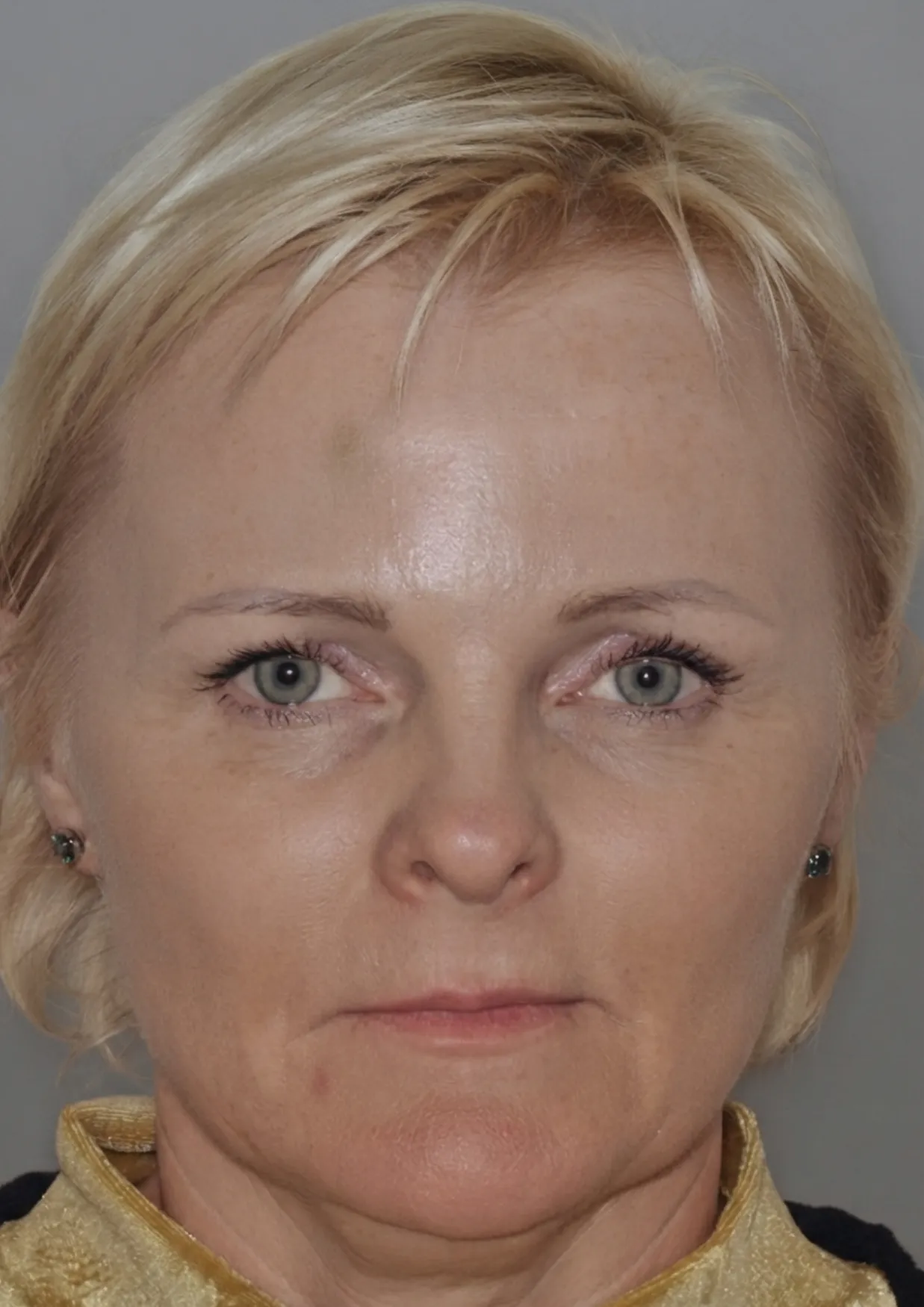
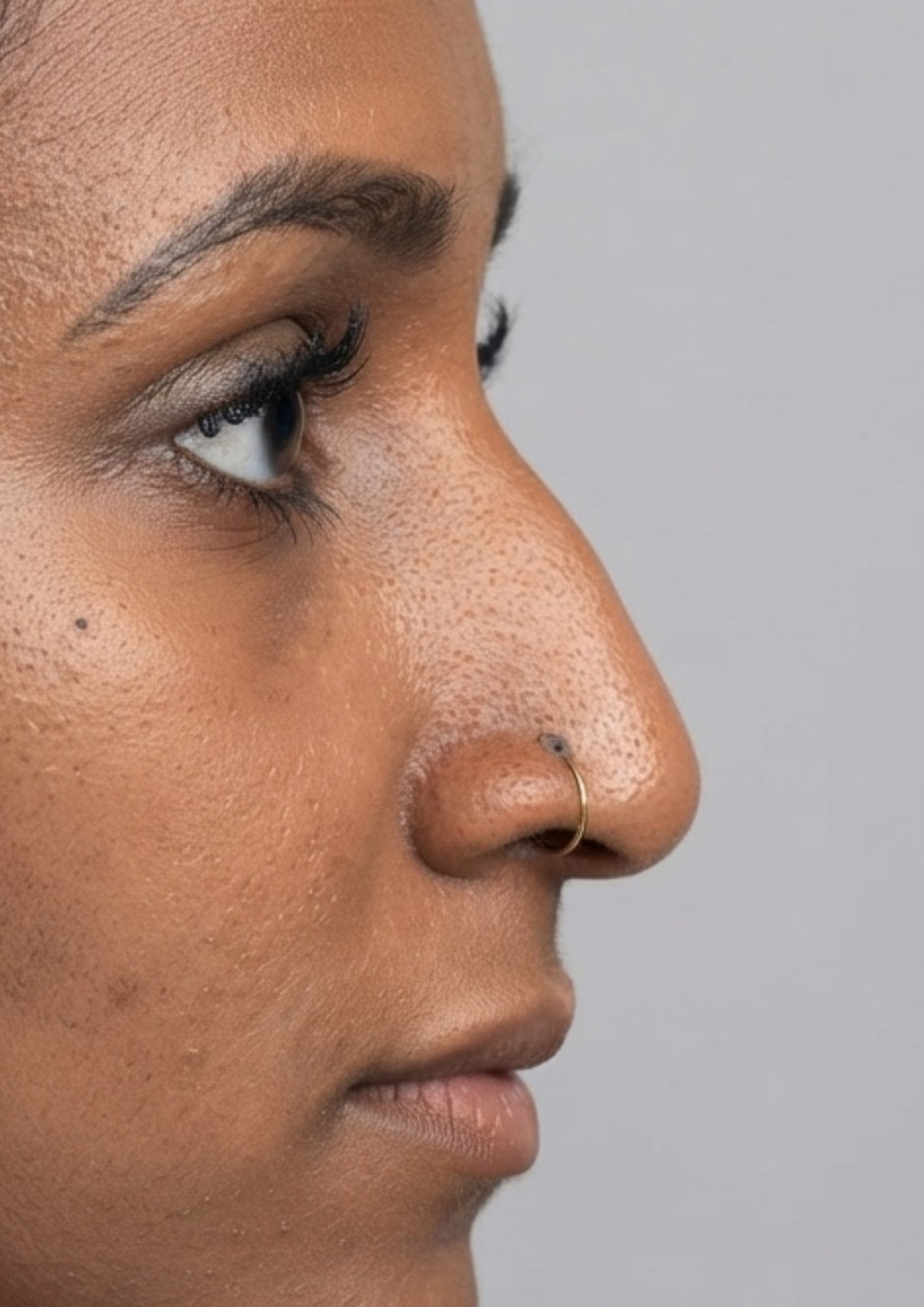
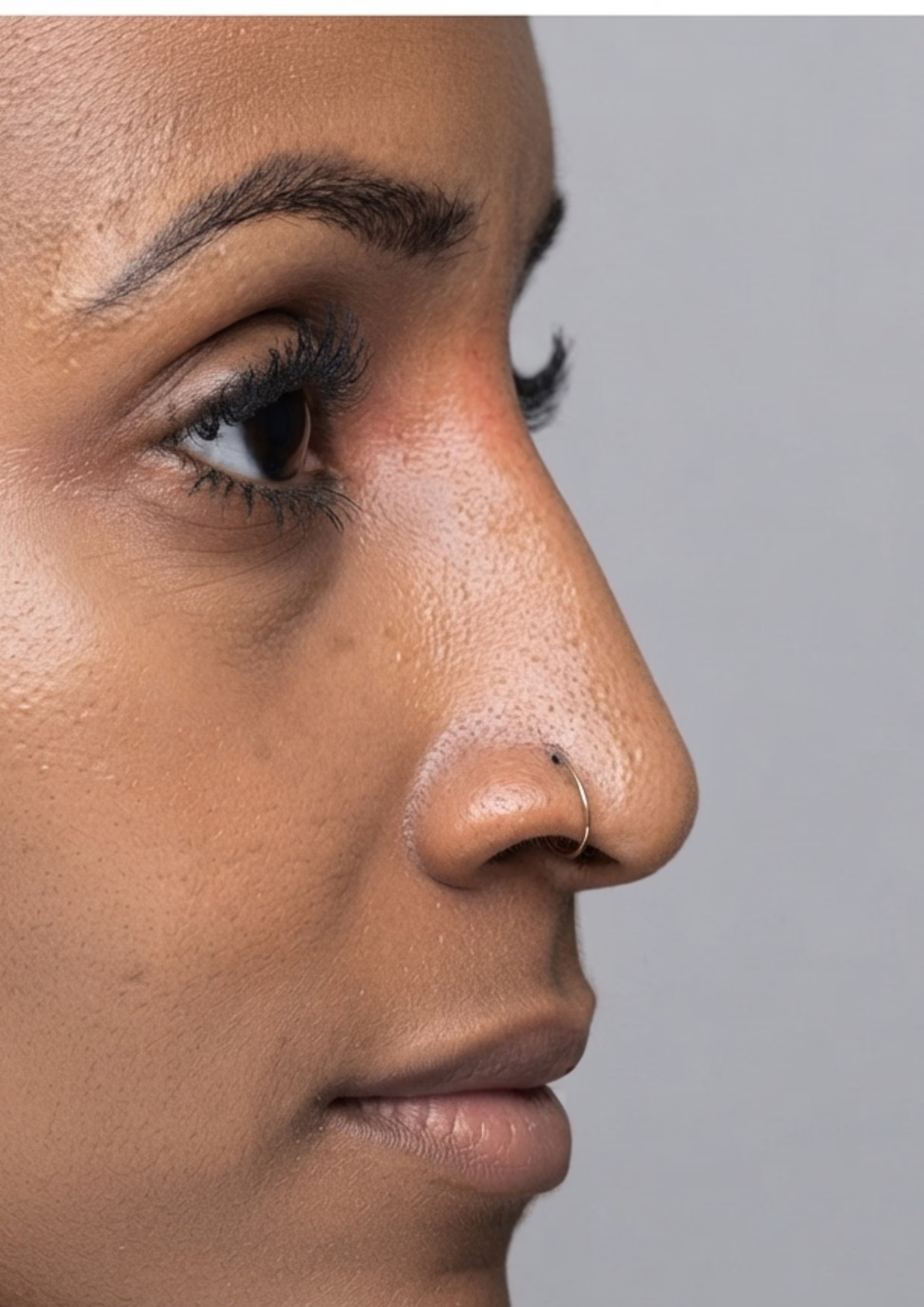
Before and After

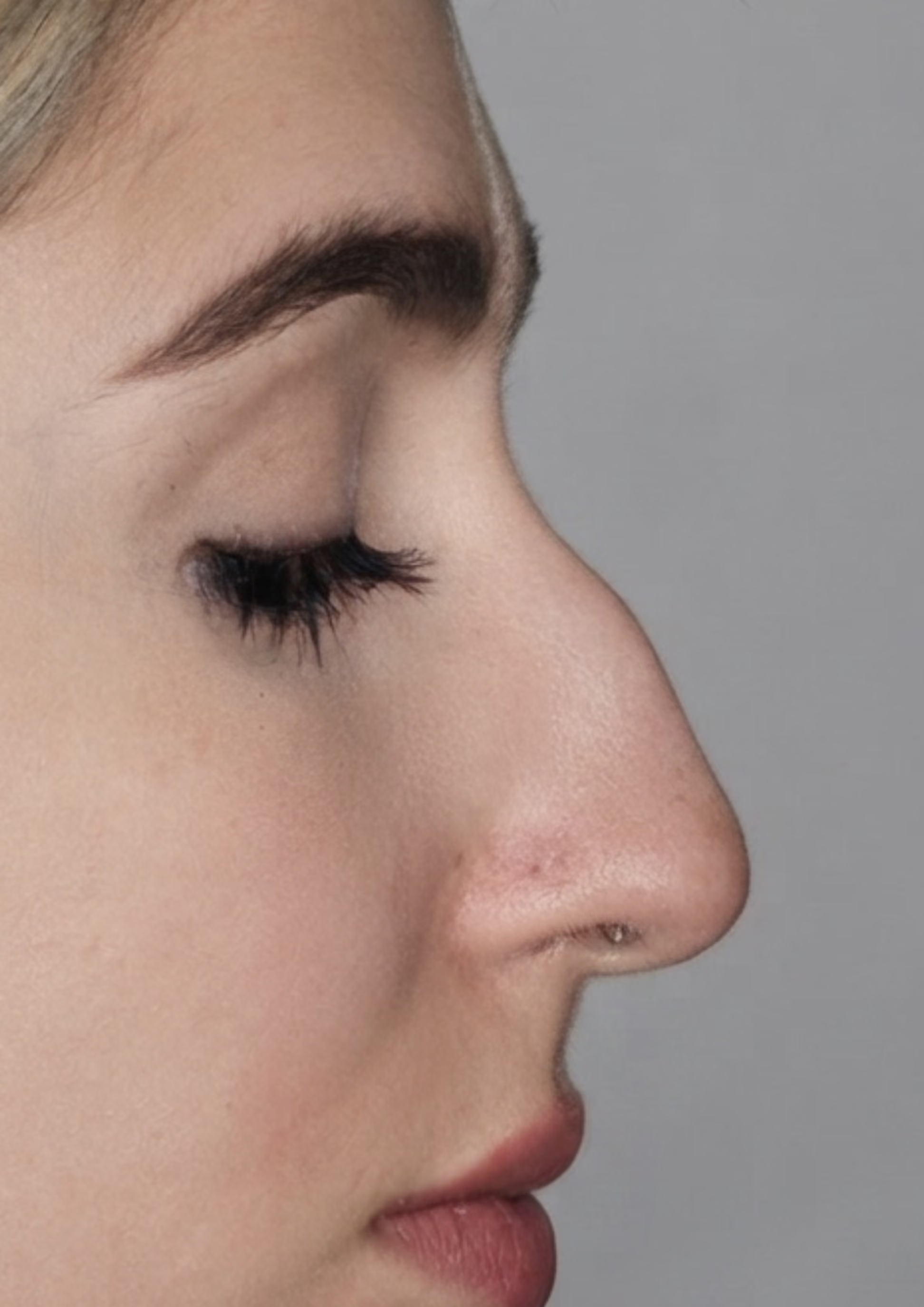
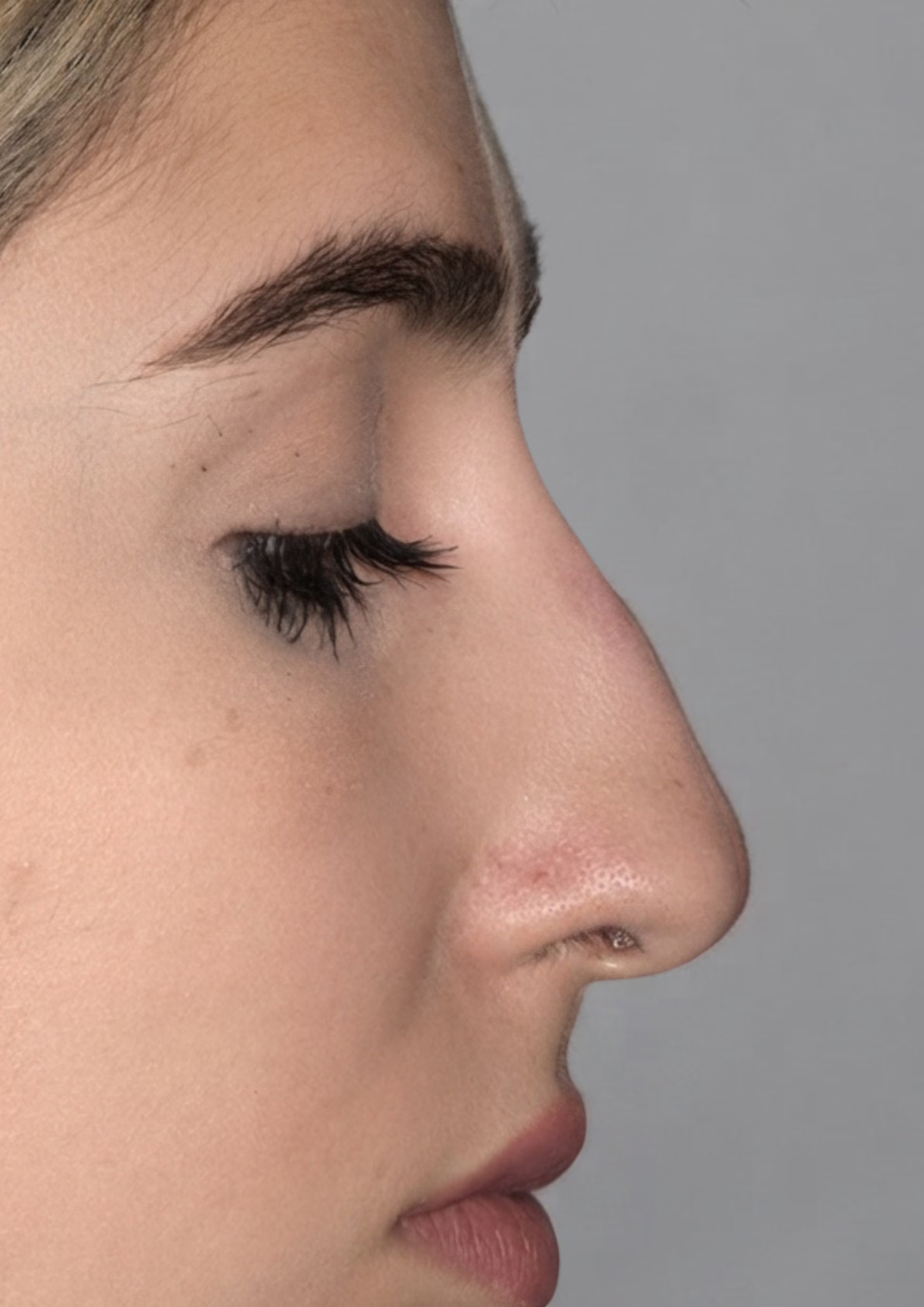
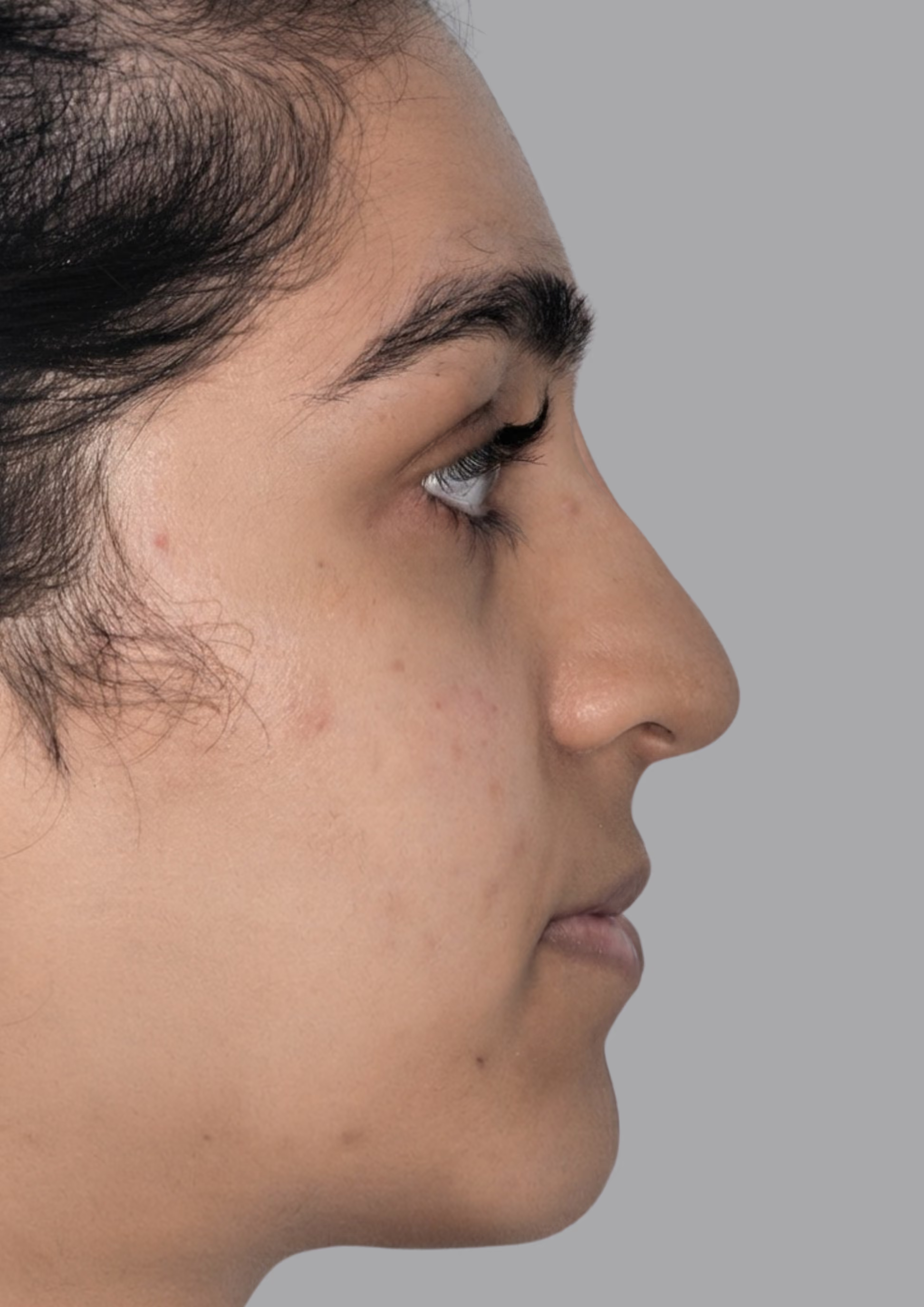
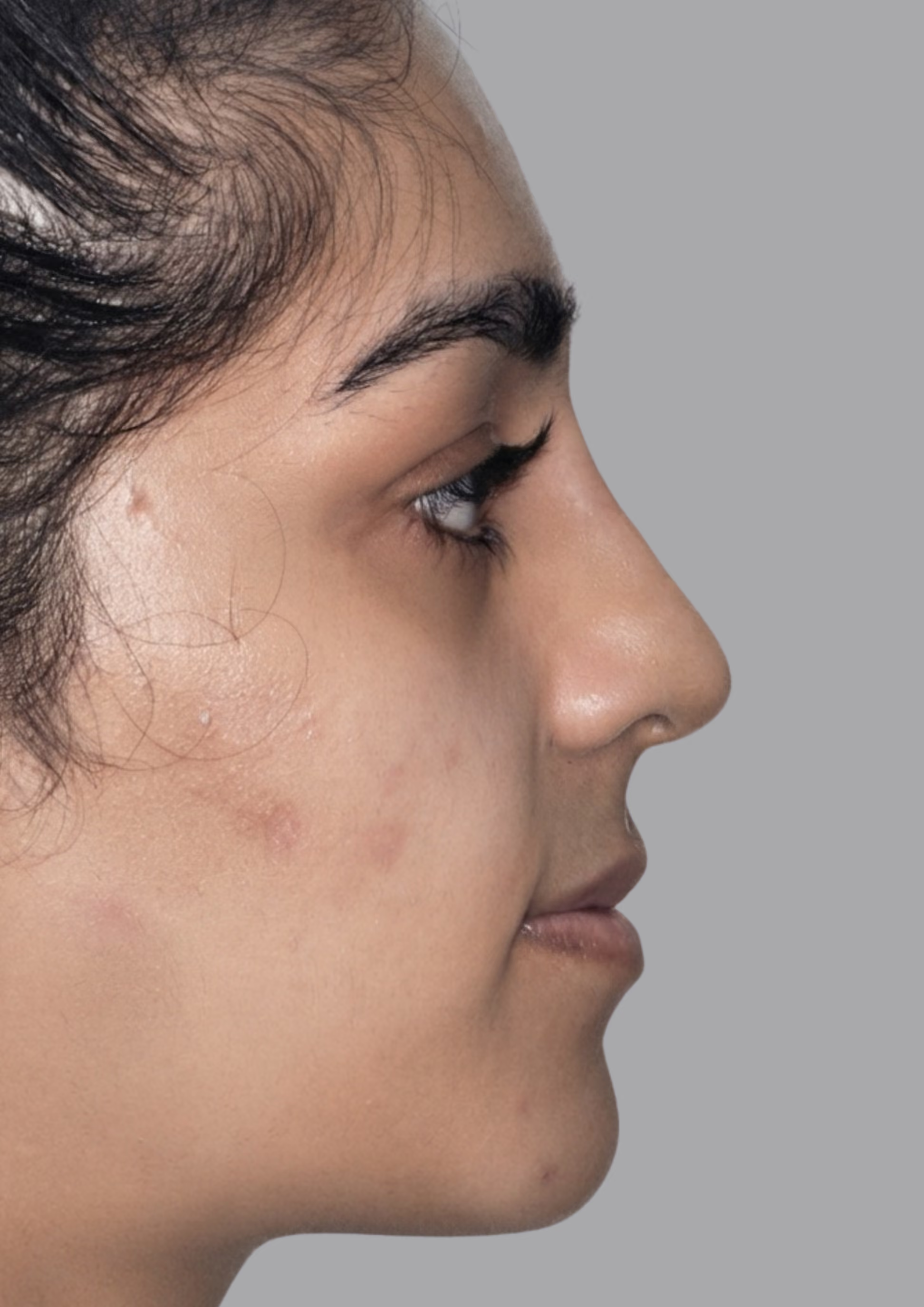
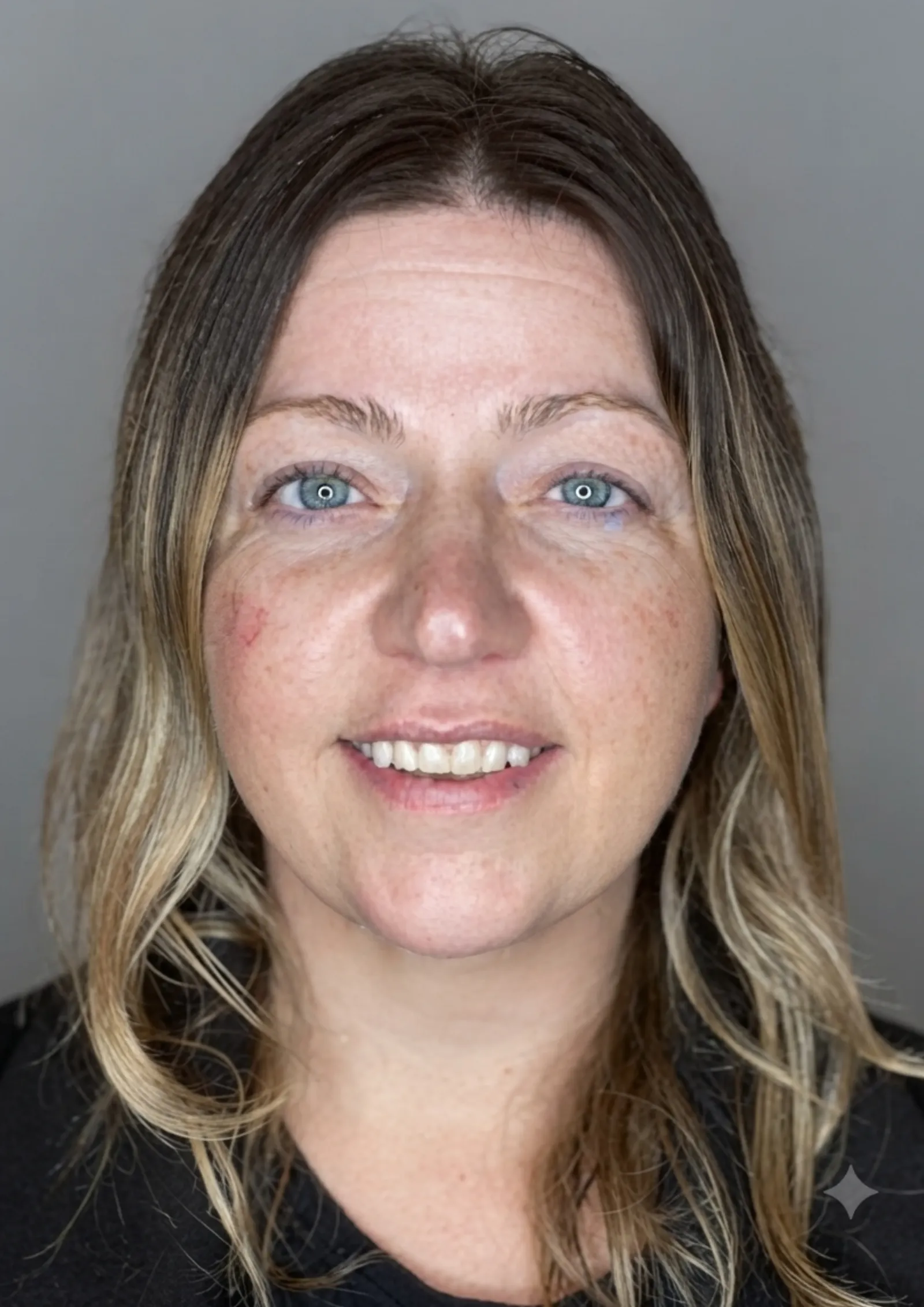
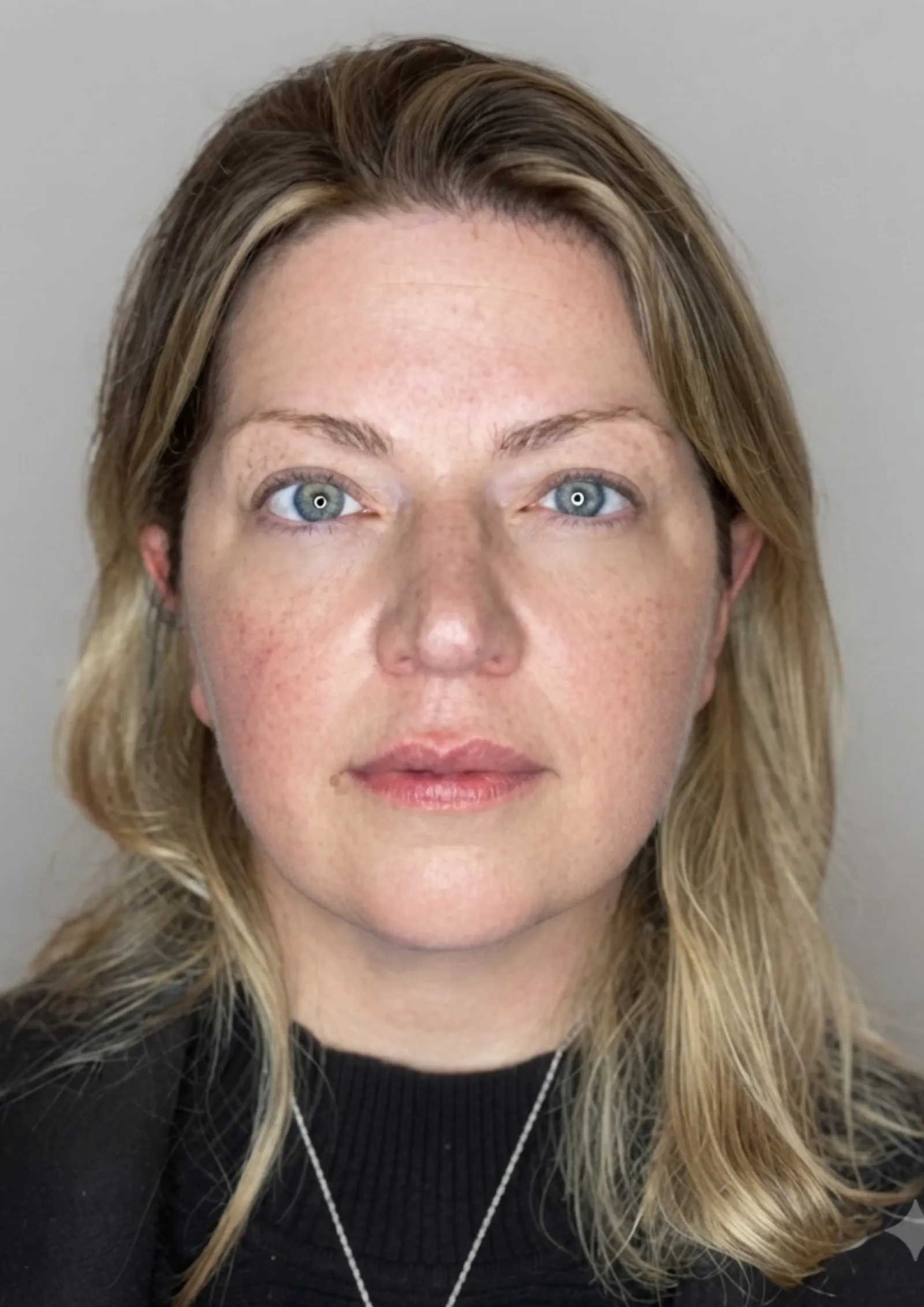
Our happy patients,
in their own words
Transparent pricing
Prices are set out below. Your written plan confirms the fee before any treatment begins.
Questions
people ask
If your question isn't answered here, call reception on 020 8127 4567 or email reception.
Are dermal fillers safe?
Hyaluronic acid fillers have a strong safety record when placed by a trained clinician who understands facial anatomy. The serious risks — chiefly accidental injection into a blood vessel — are rare and minimised by anatomical knowledge, careful technique, and keeping dissolving agent on site.
Why have fillers done by a dentist rather than a beautician?
Dentists understand vital facial structures, perform oral surgery, and work next to blood vessels, nerves and facial muscles every day. That anatomical fluency reduces risk and improves the natural balance of a filler result.
How much do dermal fillers cost in London?
Dermal filler at Dental & Wellness London starts from £350. Lip filler is £200 for 0.5ml or £380 for 1ml, tear trough filler £250 for 0.5ml or £395 for 1ml, and jawline filler £300 per 1ml. The exact plan is agreed at a £65 consultation, redeemable against treatment, and costed in writing before you commit.
How long do dermal fillers last?
Roughly six to eighteen months depending on the area and product, as the body gradually breaks down the hyaluronic acid. Lips tend to be at the shorter end, deeper structural areas at the longer end.
Can dermal fillers be dissolved if I don't like the result?
Yes — one of the advantages of hyaluronic acid fillers is that they can be dissolved with an enzyme if a result is not right or you change your mind. We keep dissolving agent on site as standard.
What's the difference between fillers and muscle-relaxing treatment?
Fillers restore lost volume and contour — cheeks, lips, jawline, tear troughs. Muscle-relaxing treatment addresses lines caused by repeated muscle movement and is a separate, prescription-only treatment carried out under a different protocol.