Composite Bonding in Islington, on Essex Road N1
Reviewed By
Dr Vishal Patel
BDS Liverpool · MSc Aesthetic & Restorative Dentistry Manchester · GDC 103127 · AACD Member · Invisalign Diamond II Provider · IFAAS (International Fellowship in Advanced Aesthetic Science) · Facial anatomy & cadaver course, Dr Ali Pirayesh, University of Amsterdam · Harley Academy foundation training in injectable aesthetics · IBSA-trained (Profhilo) · NeoStrata-trained (skin peels) · Lynton Lasers trained, incl. ONDA
Last Updated
October 3, 2026
Tooth-coloured resin, sculpted by hand to repair chips, close small gaps and refine edges, planned conservatively by a dentist with around twenty years in cosmetic work.
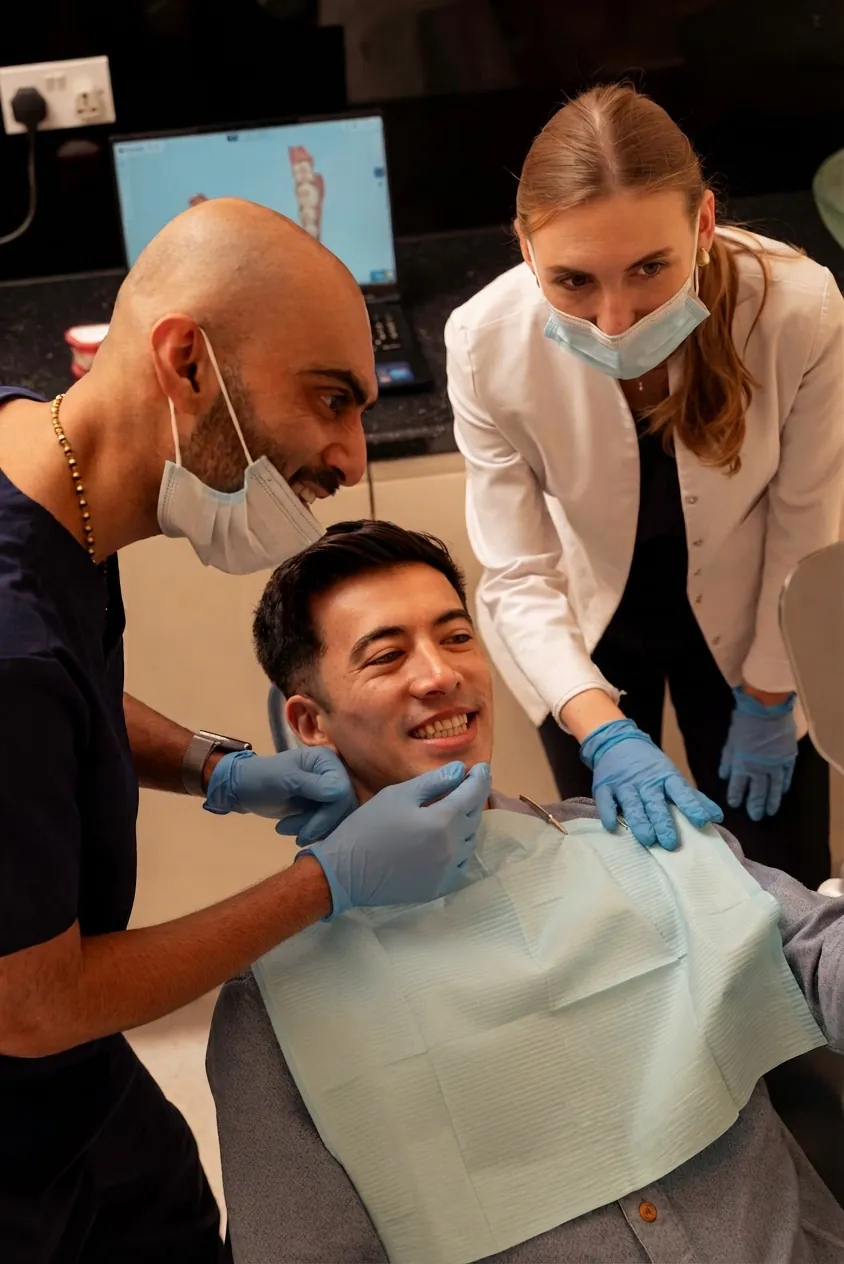
Composite bonding at Dental & Wellness London in Islington is a conservative treatment in which tooth-coloured resin is added to the front teeth to repair chips, close small gaps or refine uneven edges. It is planned and placed by Dr Vishal Patel, usually in a single visit with little or no drilling. Simple edge bonding is £175 per tooth and complex bonding £350 per tooth.
Heading
- Two minutes from Essex Road station; 15–20 minutes' walk from Angel
- Wheelchair accessible, ground floor
- Serves N1, N5, N7, N16, EC1, E8
- Mon–Fri 8am–7pm (Tue from 9am) by appointment; closed weekends
- 0% APR finance over 12 months via Tabeo, subject to status
Composite bonding Islington: what it is and how it works
Composite bonding in Islington is one of the treatments we are asked about most often at our practice on Essex Road, and one of the most misunderstood. It is the addition of a tooth-coloured composite resin to the surface of an existing tooth, shaped by hand and set with a curing light, to change the tooth's shape, length or colour. In most cases nothing is drilled away. The enamel surface is gently roughened and conditioned so the resin can bond to it, and the material is then built up in thin layers.
Those layers matter. Natural teeth are not one colour: the edges are slightly translucent, the body of the tooth is warmer, and the surface carries fine texture that catches the light. Good bonding mimics this by layering more opaque, dentine-like shades underneath and more translucent, enamel-like shades on top. The difference between bonding that looks like your own teeth and bonding that looks "done" is largely in this layering, the shape of the edges and the final polish.
Because it adds to the tooth rather than cutting it down, teeth bonding is the most conservative of the cosmetic options. It can usually be repaired, refined or replaced later without having lost healthy tooth structure along the way.
What bonding can and cannot change
- It can repair chipped or worn edges, close small gaps, even out teeth of slightly different lengths, soften minor irregularities in shape and mask small areas of discolouration.
- It cannot move teeth, correct a crowded or rotated bite, or lighten the colour of your natural teeth. Composite also does not respond to whitening gel, which is why the order of treatment is important.
Who composite bonding suits, and who it does not
Bonding tends to suit people who
- have a chipped front tooth or edges worn by years of use (our guide to chipped teeth covers the common causes);
- have small spaces between the front teeth, often called gappy teeth;
- would like slightly longer or more even edges, a technique often called edge bonding;
- want a meaningful change while keeping their own enamel intact, and value a result that can be adjusted later.
Bonding is usually not the right first step if
- the teeth are crowded, rotated or tipped. Building teeth up to disguise their position tends to make them look bulky; moving them first with clear aligners is usually the more conservative plan. Orthodontic consultations, including Invisalign, are free, and you can read about Invisalign in Islington here;
- there is active decay or gum inflammation, which needs treating before any cosmetic work;
- you grind or clench heavily. Bonding can still work, but it needs a protective night-time appliance and a realistic view of maintenance. See teeth grinding;
- the main concern is the overall colour of many teeth. Whitening first, then bonding to match, is usually the better order;
- a tooth has lost a large amount of structure, where a crown or onlay may be the stronger long-term choice.
Composite bonding options compared
"Composite bonding" covers several different pieces of work, and the price and longevity differ with each. At consultation we will be specific about which one you need.
- Edge bonding (simple). Resin added to the biting edge of one or more front teeth to repair a chip or even out lengths. Quick, minimally invasive and the most common request. We explain the difference in more detail in edge bonding versus full coverage.
- Complex bonding. Larger additions: closing a gap, reshaping a tooth, or building up several surfaces. More layering and more chair time.
- Composite veneers. Resin covering the whole visible front surface of the tooth, used when shape and colour both need changing. See composite veneers for a fuller explanation.
- Porcelain veneers. Not bonding, but the usual alternative. Porcelain is more stain-resistant and generally longer-lasting, but it typically requires some enamel to be removed. If you are weighing up dental veneers in Islington, our comparison of composite bonding and porcelain veneers sets out the trade-offs plainly.
For many patients the honest answer is a combination: a short course of aligners, whitening, and then a small amount of bonding to finish the edges. That sequence usually needs less resin, looks more natural and lasts longer.
The composite bonding process, step by step
- Consultation (£65). We examine your teeth and gums, check your bite, take photographs and talk through what you would like to change. If bonding is not the best option, we will say so.
- Planning. For larger cases we may create a mock-up so you can see the proposed shape on your own teeth before anything is bonded. Where whitening is planned, it is completed first and the colour allowed to settle for around two weeks.
- Preparation. Teeth are cleaned, the shade is selected in natural light, and the enamel surface is conditioned. Anaesthetic is rarely needed for simple additions.
- Layering and sculpting. Resin is applied in thin increments, shaped by hand and set layer by layer.
- Finishing and polishing. The shape is refined, the bite is checked so the new edges do not catch, and the surface is polished to a natural lustre.
- Review. We see you again, usually within a couple of weeks, to check the bite and make any fine adjustments once you have lived with the result.
Most single-tooth cases are completed in one appointment. Several teeth may take a longer single visit or two shorter ones. You can read a fuller walk-through in the composite bonding process.
Results, longevity and aftercare
Well-placed composite bonding commonly lasts five to seven years before it needs significant refurbishment, and often longer with good care. Results vary with bite, habits and the size of the restoration. Over time, composite can pick up surface staining and lose some of its polish; a periodic re-polish usually restores it, and small chips can generally be repaired rather than redone.
- Avoid strongly coloured food and drink for the first 48 hours, and rinse after coffee, tea or red wine in general. Our article on whether composite bonding stains explains why.
- Do not bite directly into very hard foods with bonded edges, or use your teeth to open packets.
- Keep up regular hygiene visits. Our hygienist appointments in Islington are 30 minutes, £85, or £135 for Diamond hygiene with air polish, and include a gentle polish of bonded surfaces.
- If you grind at night, wear the protective appliance we recommend.
There is more detail in our composite bonding aftercare guide.
Risks, and how we reduce them
Composite bonding is low-risk, but it is not risk-free. The main issues are chipping, staining, debonding and, when done badly, an over-built, bulky look. Occasionally teeth feel slightly sensitive for a day or two.
- Chipping: reduced by careful bite analysis, appropriate thickness and night-time protection for people who grind.
- Staining: reduced by a high polish, sensible aftercare and regular maintenance.
- Debonding: reduced by strict moisture control and correct conditioning of the enamel.
- Bulkiness: avoided by planning, mock-ups for larger cases, and moving teeth first when position is the real problem.
We do not promise a particular outcome. We do promise an honest assessment of what bonding can realistically achieve for your teeth.
Composite bonding cost in Islington
Our prices are fixed and published:
- Simple composite bonding, such as edge bonding or a small chip repair: £175 per tooth.
- Complex composite bonding, such as gap closure or reshaping: £350 per tooth.
- Composite veneers: £350 to £500 per tooth.
- Teeth whitening before bonding, where advised: £450 for a single method or £780 for combined in-chair and home whitening.
- Consultation: £65.
Your written plan states exactly how many teeth are involved and which category each falls into, so the total is clear before any work begins. 0% APR finance over 12 months via Tabeo is available, subject to status. For a wider look at pricing, see our composite bonding cost guide, or our main composite bonding in London page.
Why choose Dr Vishal Patel for composite bonding
Bonding is a hand skill. The material is the same in most clinics; the result depends on the dentist's eye for shape, proportion and colour, and on the judgement to recommend less where less is better.
Dr Vishal Patel qualified in dentistry (BDS) at Liverpool and holds an MSc in Aesthetic & Restorative Dentistry from Manchester. He is registered with the General Dental Council (GDC 103127), is a member of the American Academy of Cosmetic Dentistry, and is an Invisalign Diamond II provider, in the top 1% of UK Invisalign providers. Over around twenty years in practice he has treated over 15,000 cases, which is why his first question about bonding is often whether the teeth should be moved before they are built up.
Dental & Wellness London has been on Essex Road since 2009 and is rated 4.7 from more than 300 Google reviews. If you are considering broader changes, our cosmetic dentist in Islington page explains how bonding fits alongside whitening, veneers and orthodontics.
Composite bonding questions we are asked in Islington
How long does composite bonding last?
Composite bonding commonly lasts five to seven years before it needs significant refurbishment, and many cases last longer with good care. Longevity depends on your bite, whether you grind, what you eat and drink, and how well the bonding is maintained. Small chips can usually be repaired, and a re-polish at a hygiene visit restores much of the original lustre.
Does composite bonding damage your teeth?
In most cases, no. Bonding is additive: the enamel is lightly conditioned so the resin can attach, but little or no healthy tooth is removed. This is why bonding is considered reversible in a practical sense. The main way bonding causes harm is when it is over-built on teeth that should have been straightened first.
Can you whiten teeth after composite bonding?
Whitening gel lightens natural enamel but does not change the colour of composite resin. If you would like whiter teeth, the usual order is to whiten first, wait around two weeks for the shade to settle, and then match the bonding to the new colour. Whitening afterwards can leave the bonding looking darker than the surrounding teeth.
Does composite bonding hurt?
Most patients find composite bonding comfortable. Because the resin is added to the surface rather than cut into the tooth, anaesthetic is rarely needed for simple edge bonding. Some people notice mild sensitivity for a day or two, and the jaw can feel tired after a longer appointment. Complex cases may use local anaesthetic.
Is composite bonding or veneers better?
Neither is better in every case. Bonding is quicker, more conservative and easier to adjust, and suits chips, small gaps and edge refinement. Porcelain veneers resist staining better and generally last longer, but usually need some enamel removed. Composite veneers sit in between. We recommend whichever does the job with the least intervention.
Is there a composite bonding dentist near Highbury?
Yes. We are on Essex Road in Islington, one stop from Highbury & Islington on the Great Northern line, or roughly 15 minutes on foot. Many of our bonding patients come from Highbury, Canonbury and Stoke Newington. See our Highbury page for directions and local information. Patients also travel from Holloway.
Further reading
- Composite Bonding Results: What to Realistically Expect
- How Much Is Composite Bonding? An Honest UK Pricing Guide
- What is composite bonding? A complete UK patient guide
- The composite bonding process — what actually happens, stage by stage
Getting here
We are at 222 Essex Road, Islington, London N1 3AP, open Monday to Friday, 8am to 7pm, by appointment. We are a private practice and do not offer walk-ins, so please call 020 8127 4567 before you visit.
- By train: Essex Road station is about two minutes' walk away, on the Great Northern line between Moorgate, Old Street and Highbury & Islington. Highbury & Islington is one stop north.
- By bus: routes 38, 56, 73, 341 and 476 all stop on Essex Road, close to the clinic.
- On foot: from Angel allow 15 to 20 minutes' walk; Canonbury Square is around 10 minutes.
- By bike: many patients cycle or use Lime and Forest e-bikes. From Dalston it is about 10 minutes by bike.
Coming from further south? Our Angel page sets out the walk and bus options in more detail. Patients also travel from Shoreditch.
Chairside, single visit
Over 15,000 cases in ~20 years
2 min from Essex Road station
For patients in N1, N5, N7, N16, EC1, choosing an Islington-based cosmetic dentist means convenience for repeated appointments, local knowledge, and the same clinical standards since 2009.
| Consultation — £65 | Clinical examination, digital photographs, bite assessment, and a written plan. |
| Preparation | A 30-minute hygiene visit (£85) before bonding ensures the best foundation; any whitening is completed first. |
| Treatment | Delivered chairside in a single visit. Single-tooth cases usually take between half an hour and an hour. |
| Same-week review | Optional next-day or same-week review. |
| Maintenance | Annual polish, twice-yearly hygiene, standard reviews. |
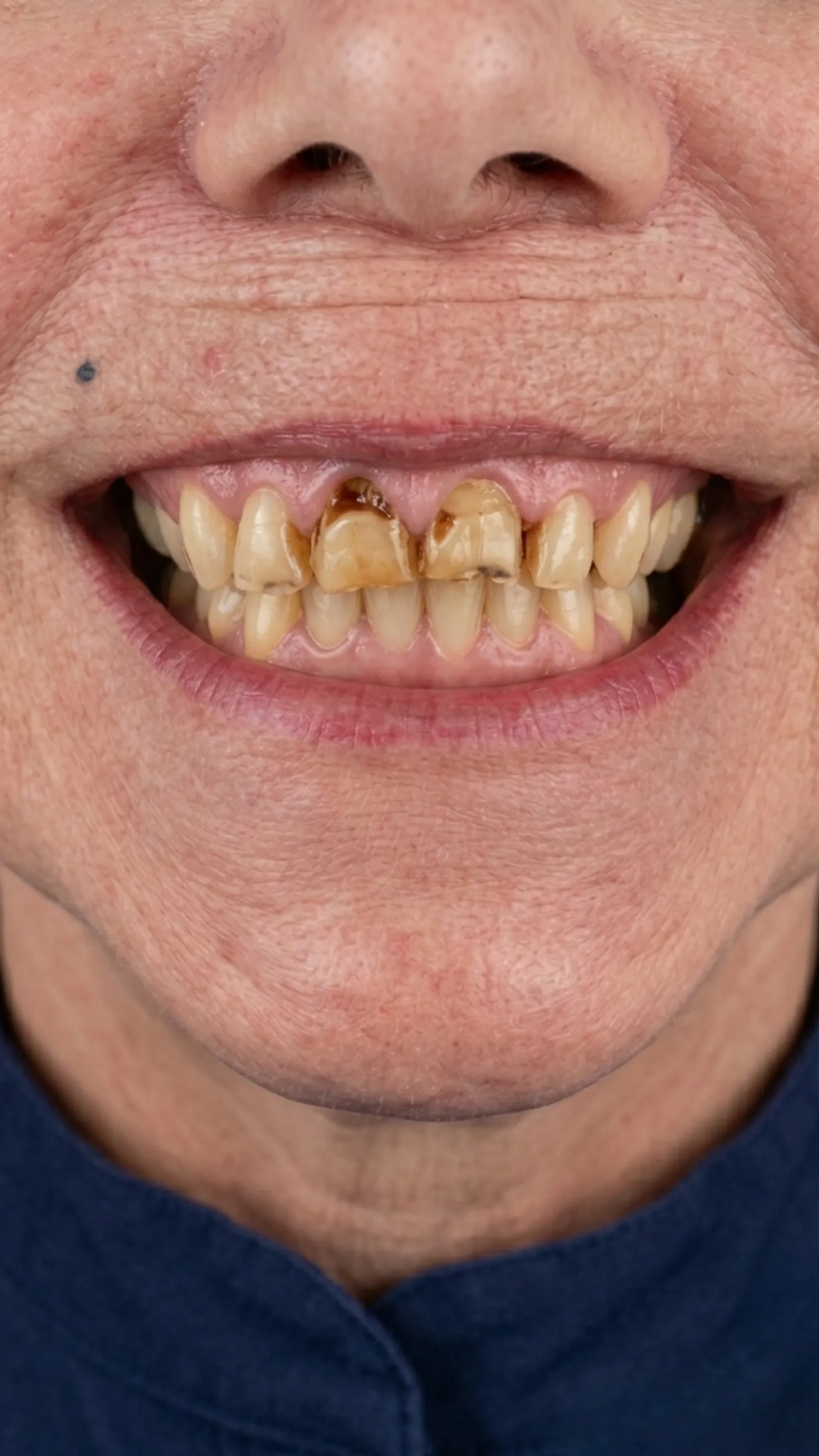
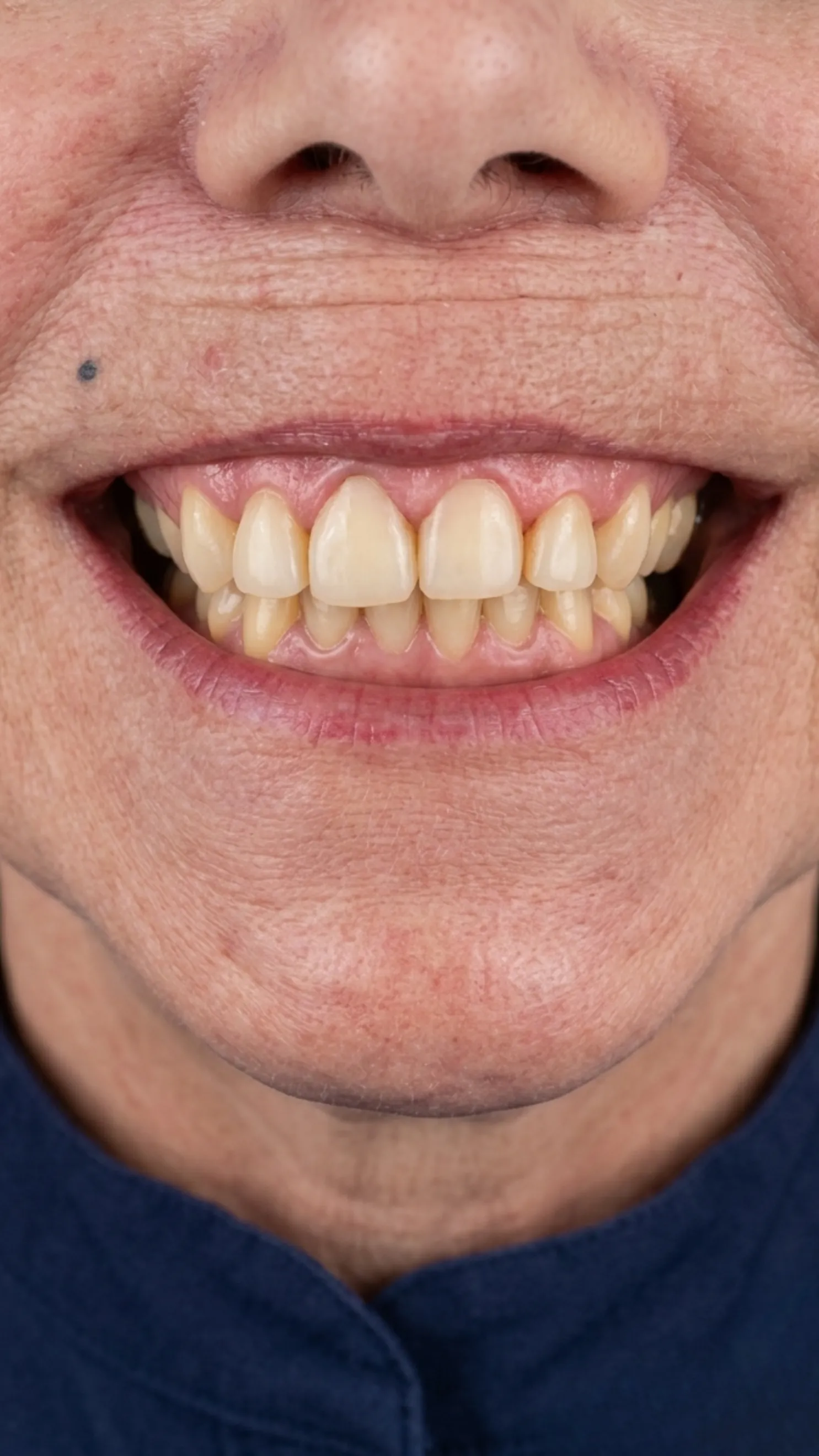
Before and After


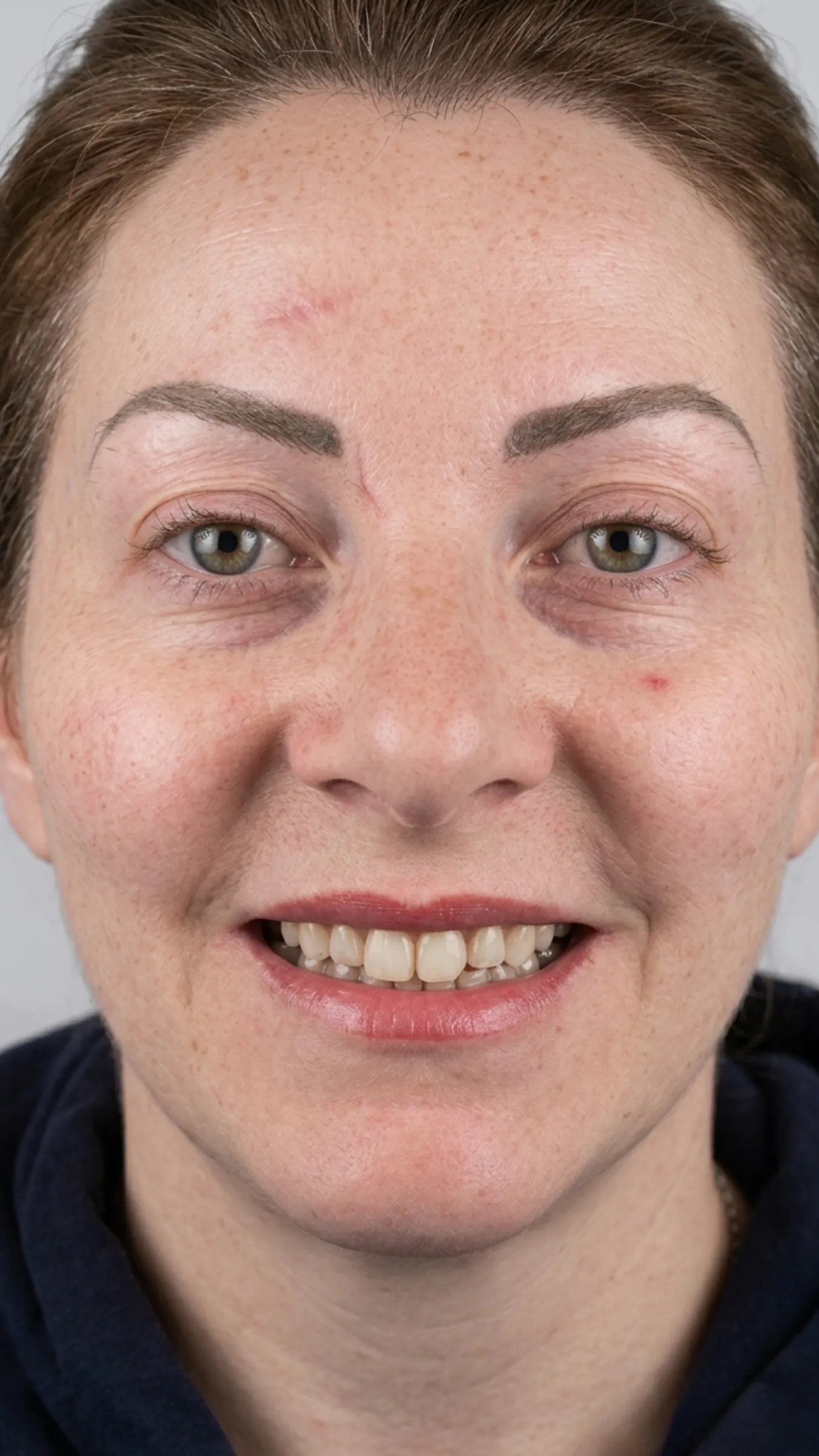
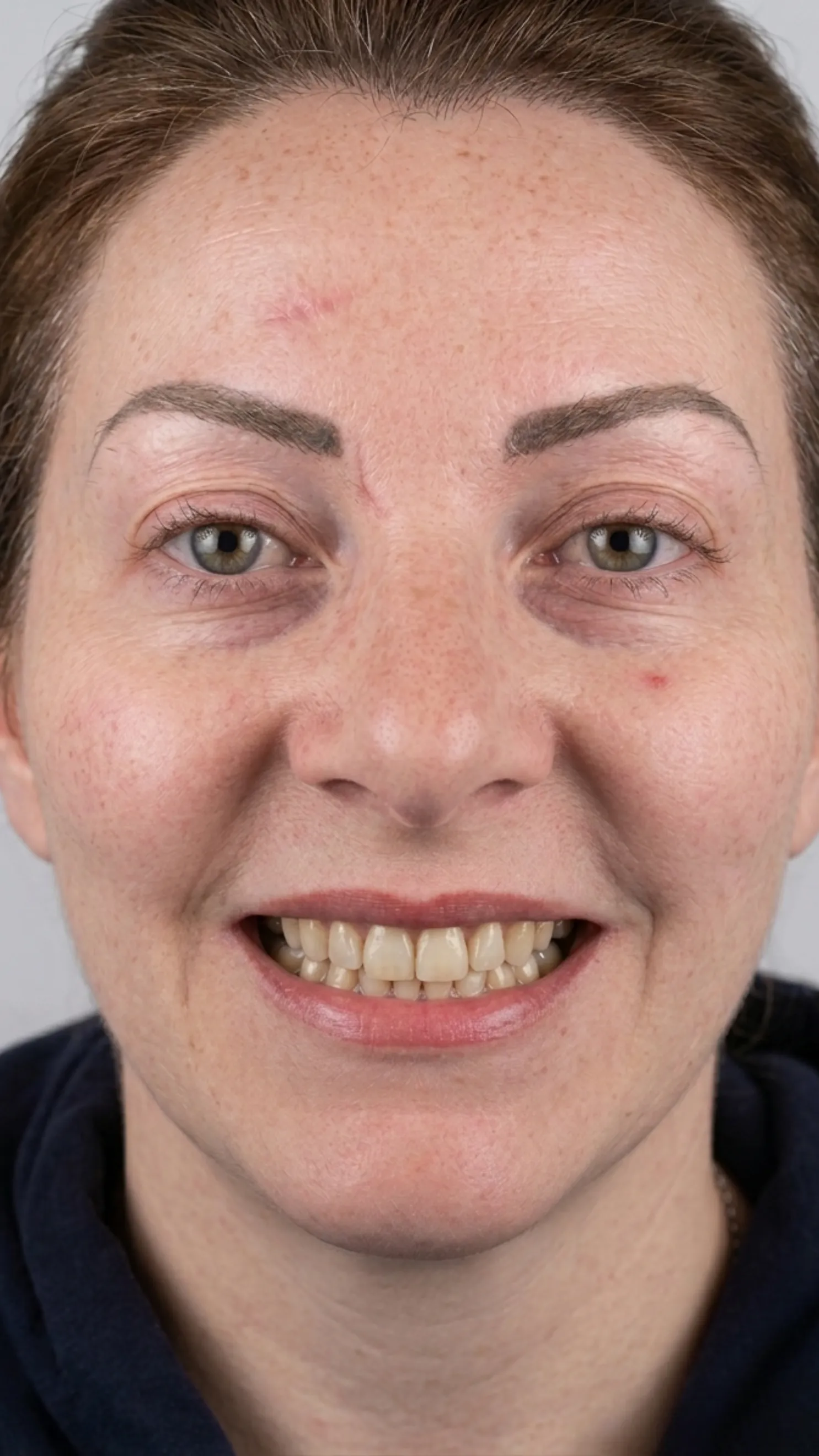
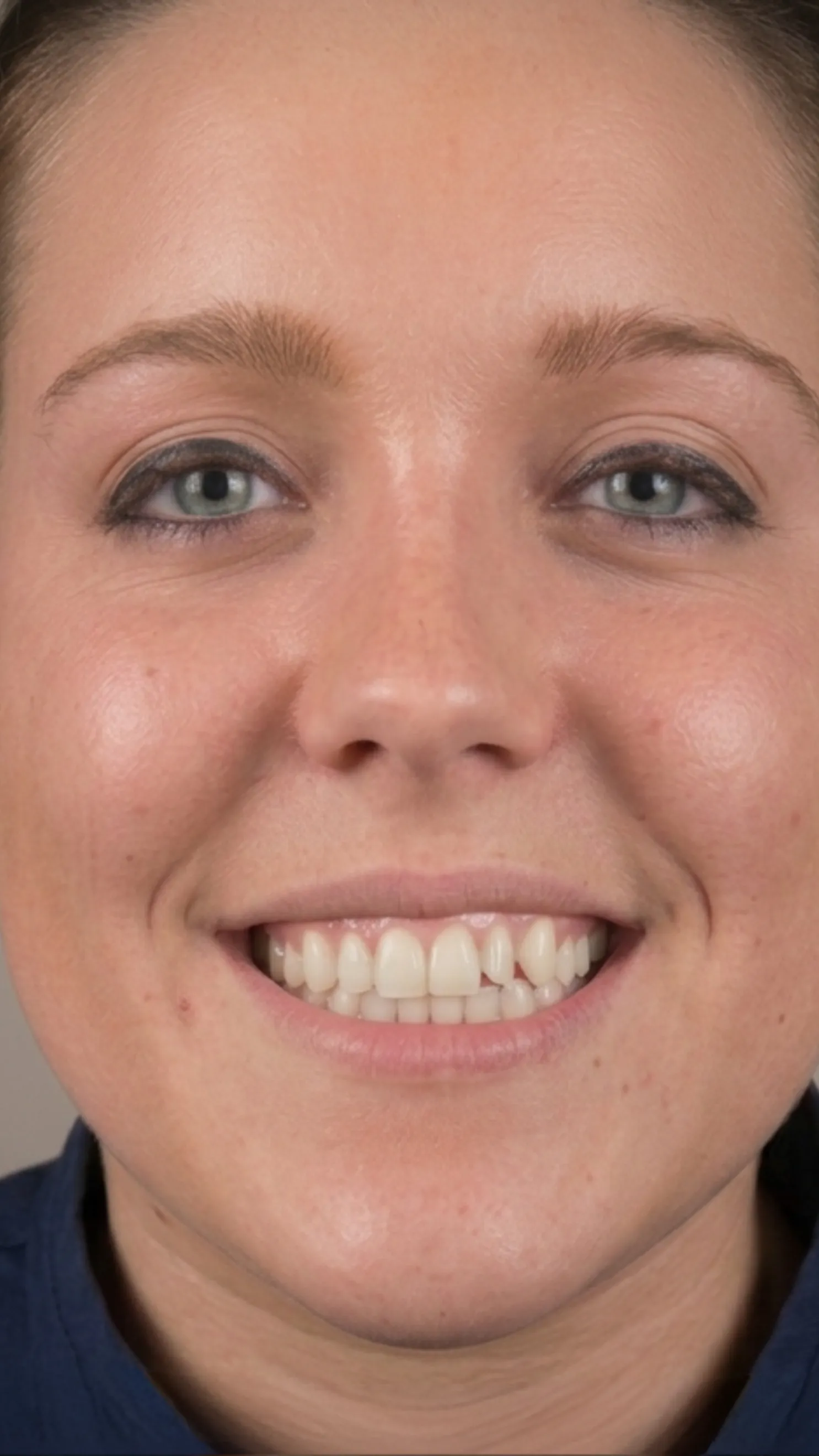
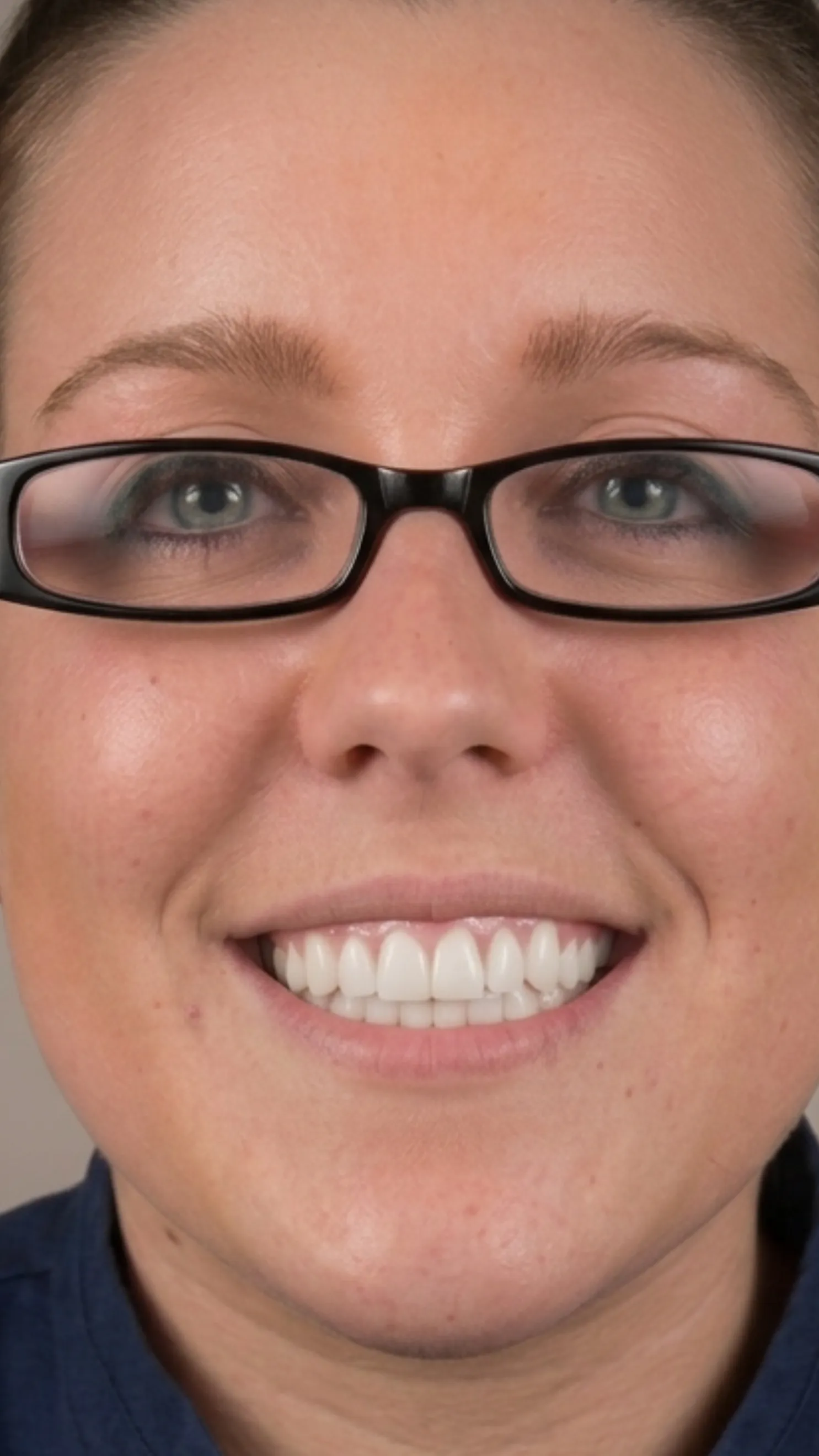
Our happy patients,
in their own words
Transparent pricing
Prices are set out below. Your written plan confirms the fee before any treatment begins.
| Treatment | Per Tooth (DWL Islington) |
|---|---|
| Composite bonding (simple, e.g. edge bonding) | £175 |
| Composite bonding (complex, e.g. gap closure) | £350 |
| Composite veneers (full front coverage) | £350–£500 |
0% APR finance over 12 months via Tabeo, subject to status.
Questions
people ask
If your question isn't answered here, call reception on 020 8127 4567 or email reception.
How much does composite bonding cost in Islington?
At Dental & Wellness London, simple composite bonding such as edge bonding is £175 per tooth and complex bonding such as gap closure is £350 per tooth. Composite veneers are £350 to £500 per tooth. The consultation is £65, and 0% APR finance over 12 months via Tabeo is available, subject to status.
Can composite bonding be done in one visit?
Usually, yes. Most single-tooth bonding and edge bonding is completed in one appointment at our Essex Road practice, after a consultation to plan it. Larger cases involving several teeth may be split into two visits, and if whitening is part of the plan it is done first so the bonding can be matched to your final shade.
Is edge bonding the same as composite bonding?
Edge bonding is one type of composite bonding. It adds resin only to the biting edges of the front teeth, to repair chips or even out lengths. Composite bonding is the broader term and also covers closing gaps, reshaping teeth and full-surface composite veneers. Edge bonding is our simple bonding category, at £175 per tooth.
Can composite bonding close gaps between teeth?
Small gaps can often be closed neatly with bonding, typically by adding resin to the sides of the neighbouring teeth. Larger gaps can make teeth look too wide if they are closed with bonding alone, so we may suggest moving the teeth first with aligners. Orthodontic consultations, including Invisalign, are free at our Islington practice.
How do I look after composite bonding?
Brush and clean between your teeth as normal, avoid strongly coloured food and drink for the first 48 hours, and do not bite hard objects with bonded edges. Regular 30-minute hygiene visits help keep the surface polished. If you grind your teeth at night, a protective appliance significantly reduces the risk of chipping.
Is composite bonding permanent?
No. Composite bonding is long-lasting but not permanent. It commonly lasts five to seven years before refurbishment, sometimes longer, and can be re-polished, repaired or replaced. Because little or no enamel is removed, it can usually be reversed or changed later, which is one reason many people choose it before considering porcelain veneers.
Do I need a check-up before composite bonding?
Yes. We need to know your teeth and gums are healthy before adding anything cosmetic. If you are not already a patient, we assess this at your consultation and may recommend a hygiene appointment first. Bonding placed over active decay or inflamed gums does not last, so foundations come before cosmetics.
Send three Photos - get an honest answer with in a day.
Free Smile AssessmentBook your bonding consultation
Book a consultation with Dr Vishal Patel on Essex Road: £65. Call 020 8127 4567.
Contact US