Veneers: porcelain and composite veneers, honestly compared
Reviewed By
Dr Vishal Patel
BDS Liverpool · MSc Aesthetic & Restorative Dentistry Manchester · GDC 103127 · AACD Member · Invisalign Diamond II Provider · IFAAS (International Fellowship in Advanced Aesthetic Science) · Facial anatomy & cadaver course, Dr Ali Pirayesh, University of Amsterdam · Harley Academy foundation training in injectable aesthetics · IBSA-trained (Profhilo) · NeoStrata-trained (skin peels) · Lynton Lasers trained, incl. ONDA
Last Updated
October 3, 2026
How a restorative dentist decides whether your case needs porcelain, composite, or a more conservative option, and what each costs before you commit.
Veneers at Dental & Wellness London in Islington are thin porcelain or composite shells bonded to the front of the teeth to change their colour, shape or proportion. They are planned and placed by Dr Vishal Patel, MSc Aesthetic & Restorative Dentistry. Composite veneers cost £350–£500 per tooth and take one visit; porcelain veneers cost £750–£1,500 per tooth across two visits, two to three weeks apart.
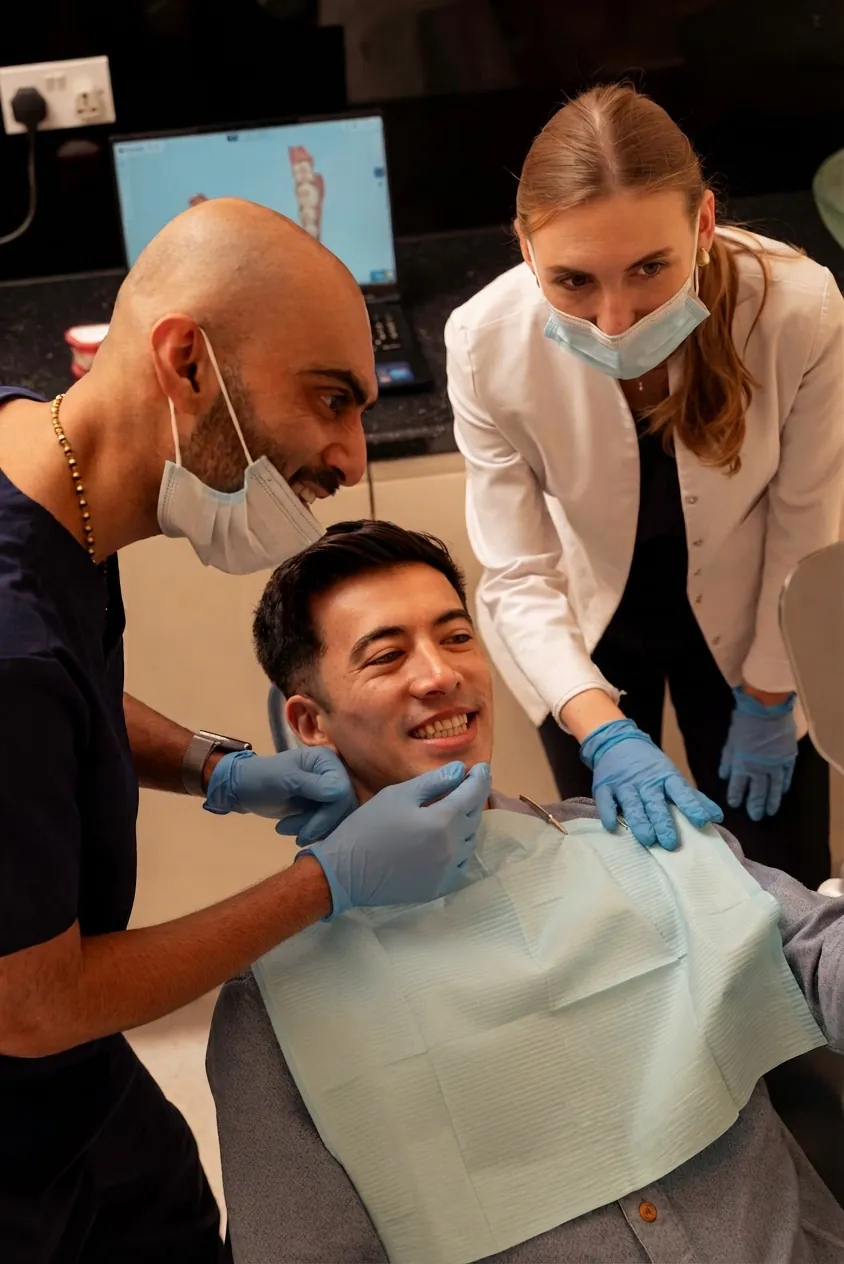
Heading
- Composite veneers: £350–£500 per tooth, one visit, largely reversible
- Porcelain veneers: £750–£1,050 per tooth; Emax £1,050–£1,500; commonly last 10–15 years or more, need light enamel reduction
- Consultation £65 · 0% APR finance over 12 months via Tabeo, subject to status
- The right choice depends on your case, not the price list
Usually two to three appointments over a few weeks

The veneers London patients ask us about usually begin with a photograph in mind and a price in their head. Both deserve a closer look. The single word "veneers" covers several genuinely different treatments, from a thin layer of composite resin sculpted in one appointment to a laboratory-made Emax shell bonded across two visits. The right one depends on your teeth, your bite and how long you want the result to last, not on the headline figure.
This page sets out how we plan veneers at our Islington clinic: what they are, who they suit, how the materials compare, what the process involves, what can go wrong and what the treatment costs. We say no more often than you might expect. Sometimes the honest recommendation is Invisalign first, sometimes whitening alone, and sometimes nothing at all.
What are veneers and how do they work?
A veneer is a thin facing bonded to the front surface of a tooth. It changes what you see, the colour, length, width and outline of the tooth, without replacing the tooth itself. Veneers are cosmetic restorations: they are designed for front teeth that are structurally sound but which you would like to look different.
They work through adhesion. The enamel surface is cleaned and conditioned, a bonding resin is applied, and the veneer is either built directly onto the tooth (composite) or cemented onto it after being made in a laboratory (porcelain and Emax). Bonded to healthy enamel, a well-made veneer becomes part of the tooth's outer surface and moves, bites and flexes with it.
What a veneer cannot do is correct the position of a tooth in the jaw, protect a heavily broken-down tooth, or compensate for gums that are not healthy. Those are jobs for orthodontics, a crown or onlay, or periodontal care, and part of planning is identifying which problem you actually have.
Who veneers suit, and who they don't
Veneers tend to suit adults whose front teeth are healthy but whose appearance has become a concern. Typical reasons include:
- Deep or uneven discolouration that whitening cannot lift, such as tetracycline staining or a single dark tooth.
- Worn, chipped or short front teeth, often after years of gradual wear.
- Small gaps or teeth that look narrow or irregular in shape.
- Old composite repairs that have stained, chipped or lost their polish.
Veneers are usually not the right first step in several situations, and we will tell you plainly if yours is one of them:
- Crowded or rotated teeth. Veneering misaligned teeth often means removing more enamel than necessary. Straightening first usually allows a thinner, more conservative veneer, or makes veneers unnecessary.
- Active gum disease or decay. These must be treated and stable before any bonding.
- Heavy grinding or clenching. Bruxism places forces on veneers that can chip or debond them. It is manageable with a night splint, but it must be addressed.
- Colour-only concerns. If shape and alignment are fine, professional teeth whitening may be all that is needed.
Veneers London: porcelain, Emax and composite compared
Almost every veneer decision comes down to material. The useful question is not "which is best" but "which is proportionate to this case".
Composite veneers
Tooth-coloured resin is layered and sculpted directly onto the tooth, cured and polished in a single appointment. Little or no enamel is removed in most cases, which keeps the treatment largely reversible. Composite is well suited to moderate changes in shape and colour, and it can be repaired chair-side if it chips. It does stain and lose its lustre faster than ceramic, so polishing and periodic refreshing are part of the plan. Read more on our composite veneers page.
Porcelain veneers
Porcelain veneers are made in a dental laboratory from a digital scan. They usually require a light reduction of enamel, often a fraction of a millimetre, so that the veneer sits flush and looks natural. That enamel does not grow back, which makes porcelain a longer-term commitment. In return, glazed ceramic resists staining well and holds its surface finish for many years. Our porcelain veneers page covers this option in more depth.
Emax veneers
Emax (lithium disilicate) is a high-strength ceramic with good translucency. It is the material we often choose where strength matters, for example on a patient with a firmer bite, or where a thin veneer must still mask some underlying colour. The process is the same as for other porcelain veneers.
When composite bonding is enough
Not every concern needs a full veneer. A chipped edge, a small gap or a slightly short tooth can often be corrected with composite bonding on just part of the tooth surface. It is the most conservative cosmetic option we offer, and it is often where we start.
Comparing the options at a glance
- Enamel removal: composite, little or none; porcelain and Emax, usually a light reduction.
- Visits: composite, one; porcelain and Emax, two, with temporaries in between.
- Typical lifespan: composite, around five to seven years before a refresh; porcelain and Emax, commonly ten to fifteen years or more with good care. Results vary.
- Repair: composite can usually be repaired chair-side; a damaged ceramic veneer is normally replaced.
The veneer process, step by step
- Consultation and assessment. We examine the teeth, gums and bite, take clinical photographs, discuss what you would like to change and check whether veneers are the right answer. You leave with a written, costed plan.
- Foundations. If needed, a hygiene appointment and any treatment for decay or gum health come first. Where you would like the surrounding teeth lighter, whitening is completed two to four weeks before veneers, because veneers are matched to the final shade.
- Design. For larger cases we produce a mock-up so you can see and approve the proposed shape before any tooth is prepared.
- Composite veneers: one visit. The enamel is conditioned, resin is layered by hand, shaped, cured and polished, and the bite is checked.
- Porcelain or Emax veneers: preparation visit. A light enamel reduction under local anaesthetic, an iTero digital scan, and temporary veneers so you can look and function normally while the laboratory works.
- Porcelain or Emax veneers: bonding visit. Two to three weeks later the temporaries are removed, the final veneers are tried in, bonded, finished and checked against your bite.
- Review. A review around two weeks later lets us make small refinements once everything has settled.
Results, longevity and aftercare
A well-planned veneer should look like a healthy tooth rather than a restoration. Results vary between people, and how long veneers last depends on the material, the bite, home care and habits. Composite typically needs polishing at hygiene visits and a refresh after several years; porcelain and Emax commonly last a decade or more. No restoration is permanent, and we plan with that in mind, so that any future replacement remains straightforward. Our article on how long veneers last explains the variables in more detail.
Aftercare is simple but matters:
- Brush twice daily and clean between the teeth; the margin where veneer meets tooth must stay clean.
- Keep regular hygiene appointments, which are 30 minutes at our clinic.
- Avoid biting hard objects such as pens, ice or fingernails.
- Wear your night splint every night if you grind or clench.
Risks, and how we reduce them
Veneers are a well-established treatment, but they are not without risk. The main ones are:
- Irreversibility. Once enamel is removed for porcelain, the tooth will always need a covering. We reduce this by choosing composite or bonding where it is proportionate, and by straightening first where that allows a thinner veneer.
- Sensitivity. Some temporary sensitivity after preparation is common and usually settles within days.
- Chipping or debonding. Most often linked to grinding or biting hard objects. We assess the bite carefully and provide a protective splint where indicated.
- Gum irritation and staining at the margins. Accurate margins, careful finishing and good hygiene keep the gum line healthy.
- A result that does not match expectations. Photographs, a mock-up for larger cases and a frank discussion before treatment are the best safeguards.
Veneers cost in London at our Islington clinic
Veneers are priced per tooth. Our fees for dental veneers in Islington are:
- Composite veneers: £350–£500 per tooth.
- Porcelain veneers: £750–£1,050 per tooth.
- Emax veneers: £1,050–£1,500 per tooth.
- Composite bonding, where a full veneer is not needed: £175 simple, £350 complex.
Some plans also include supporting treatment: a hygiene appointment (£85, or £135 for Diamond hygiene with air polish), combination whitening (£780) where you want the surrounding teeth lighter, and a Davies splint (£495) for patients who grind. A consultation is £65. Every plan is set out in writing before you commit, and 0% APR finance over 12 months via Tabeo, subject to status, is available. Our guide to how much veneers cost in the UK explains what drives the price.
Why patients choose Dr Vishal Patel for veneers
Your veneers are planned and placed by Dr Vishal Patel, BDS (Liverpool) and MSc in Aesthetic & Restorative Dentistry (Manchester), GDC 103127, a member of the American Academy of Cosmetic Dentistry. He has around 20 years in dentistry and over 15,000 cases behind him, and he is an Invisalign Diamond II provider, in the top 1% of UK Invisalign providers. That matters for veneers: being able to straighten teeth first often means preserving more of them.
The planning looks beyond the next photograph. We consider face, lips, smile width and bite, so that the result still looks right in ten or twenty years. You can see examples of our work in our before and after gallery and read patient feedback on our reviews page; the clinic is rated 4.7 stars from over 300 Google reviews. If you are weighing up a wider change, our smile makeover page explains how veneers fit into a combined plan.
Questions patients ask about veneers
How much are veneers in London?
At our clinic, composite veneers cost £350–£500 per tooth, porcelain veneers £750–£1,050 and Emax veneers £1,050–£1,500. The total depends on how many teeth are involved and whether whitening or hygiene is needed first. We give you a written, itemised plan after assessment, and 0% APR finance over 12 months via Tabeo is available, subject to status.
Are laminate veneers the same as porcelain veneers?
Largely, yes. "Laminate veneers" is an older term for thin ceramic facings bonded to the front of the teeth, which today we would call porcelain or Emax veneers. Some clinics use it for very thin, minimal-preparation veneers. Whatever the name, the questions are the same: how much enamel is removed, and how long will it last.
Do veneers ruin your teeth?
Not when they are planned conservatively. Composite veneers usually need little or no enamel removal. Porcelain needs a light reduction, which is permanent, so the tooth will always need a covering. Problems tend to arise when healthy teeth are over-prepared or when misaligned teeth are veneered rather than straightened, which is why we often recommend orthodontics first.
Can you get veneers on just one tooth?
Yes. A single veneer is often used for one discoloured or chipped tooth. It is one of the more demanding cases, because the veneer must match the neighbouring natural teeth in shade, texture and translucency. Careful shade-taking, photography and close work with the laboratory are what make a single veneer blend in.
Is it cheaper to get veneers abroad?
The headline price can be lower, but veneers need follow-up: reviews, adjustments and eventually replacement. Aggressive preparation of many teeth in a short trip can leave problems that are costly to correct. We would rather plan conservatively, close to home, with a dentist you can return to for as long as the veneers last.
Further reading
- How Much Do Veneers Cost in the UK? Full Price Breakdown by Type
- Laminate Veneers: What They Are and What to Expect
- Emax veneers vs porcelain veneers — which material should you choose?
Getting here
Dental & Wellness London is at 222 Essex Road, Islington, London N1 3AP. Essex Road station is two minutes' walk away, and Highbury & Islington is one stop by train. Buses 38, 56, 73, 341 and 476 stop on Essex Road. From Angel it is a 15–20 minute walk. Many patients cycle or use Lime or Forest e-bikes; from Dalston it is about ten minutes by bike. We are open Monday to Friday, 8am to 7pm, by appointment. To arrange a consultation, call 020 8127 4567 or use our contact page.
Decision framework
MSc approach
Honest referrals
Composite is the proportionate choice when cost or reversibility matter; porcelain earns its place when staining is deep, shape change is substantial, or long-term durability is key — we start with the most conservative option that will do the job well.
| First dental assessment — 30 minutes, £65 | Photography, smile-design discussion, shade matching, and a costed plan in writing. We discuss whether composite, porcelain, or neither is right for your case, and what a realistic outcome looks like. |
| Pre-treatment whitening — if part of plan | Veneers are colour-matched to your existing teeth, so if you want the surrounding teeth lighter, whitening happens first — DWL Signature combined whitening £780, completed two to four weeks before veneer work begins. |
| Pre-treatment hygiene — £85 (or £135 Diamond clean) | Required within three months. Healthy gums and clean surfaces are non-negotiable for durable bonding. |
| Composite veneer placement — single visit, 30 min–3 hours | Surfaces are mildly etched (no enamel removal in most cases), resin is sculpted onto each tooth, cured, and polished, the bite is checked, and a two-week review for small refinements is included. |
| Porcelain veneer placement — two visits | Visit one: preparation (90–120 min) — light enamel reduction, iTero digital scan, temporary veneers. Visit two: bonding (90–150 min) — temporaries removed, final veneers bonded, margins finished, bite checked. Two-week settling review included. |
Before and After

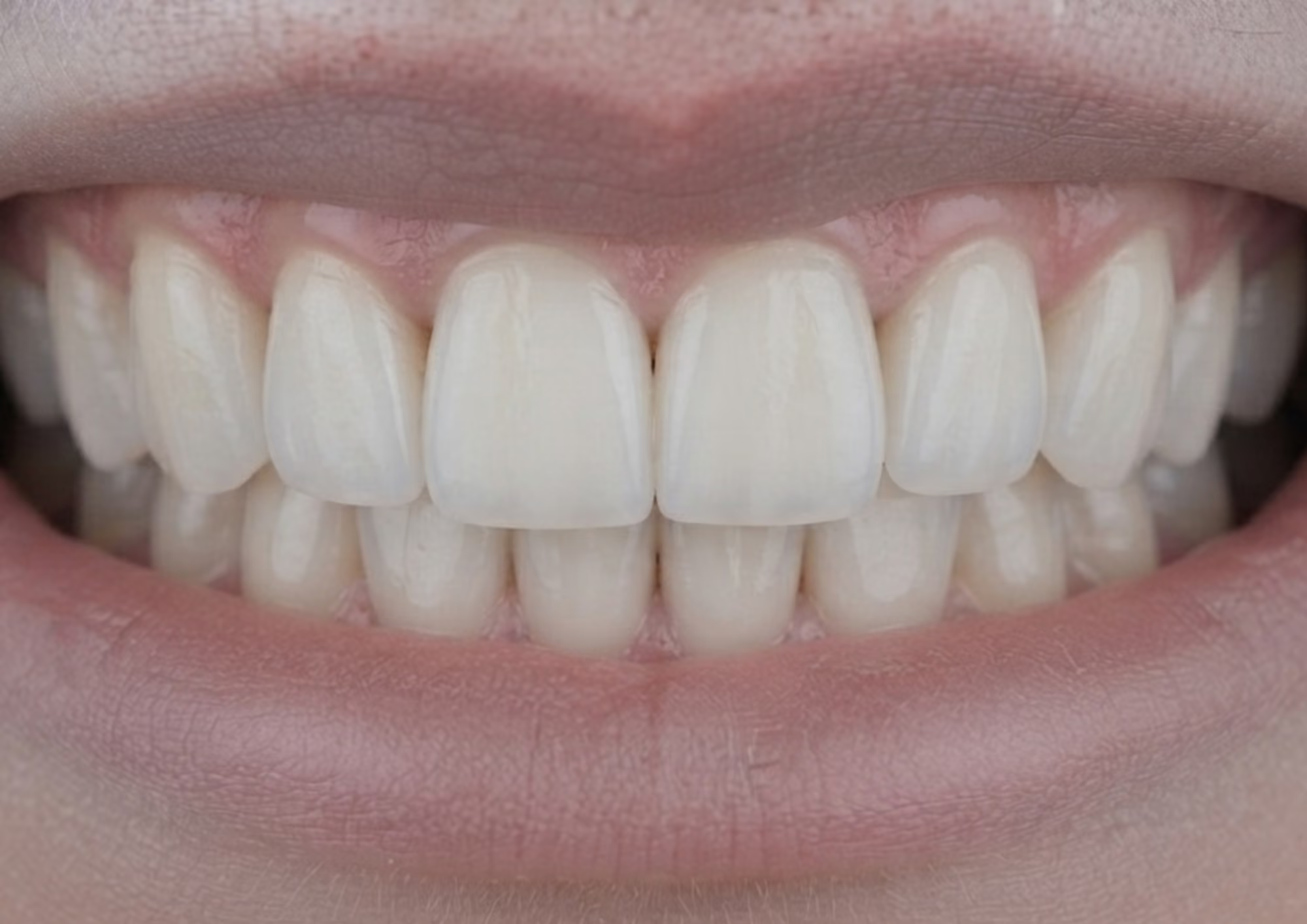
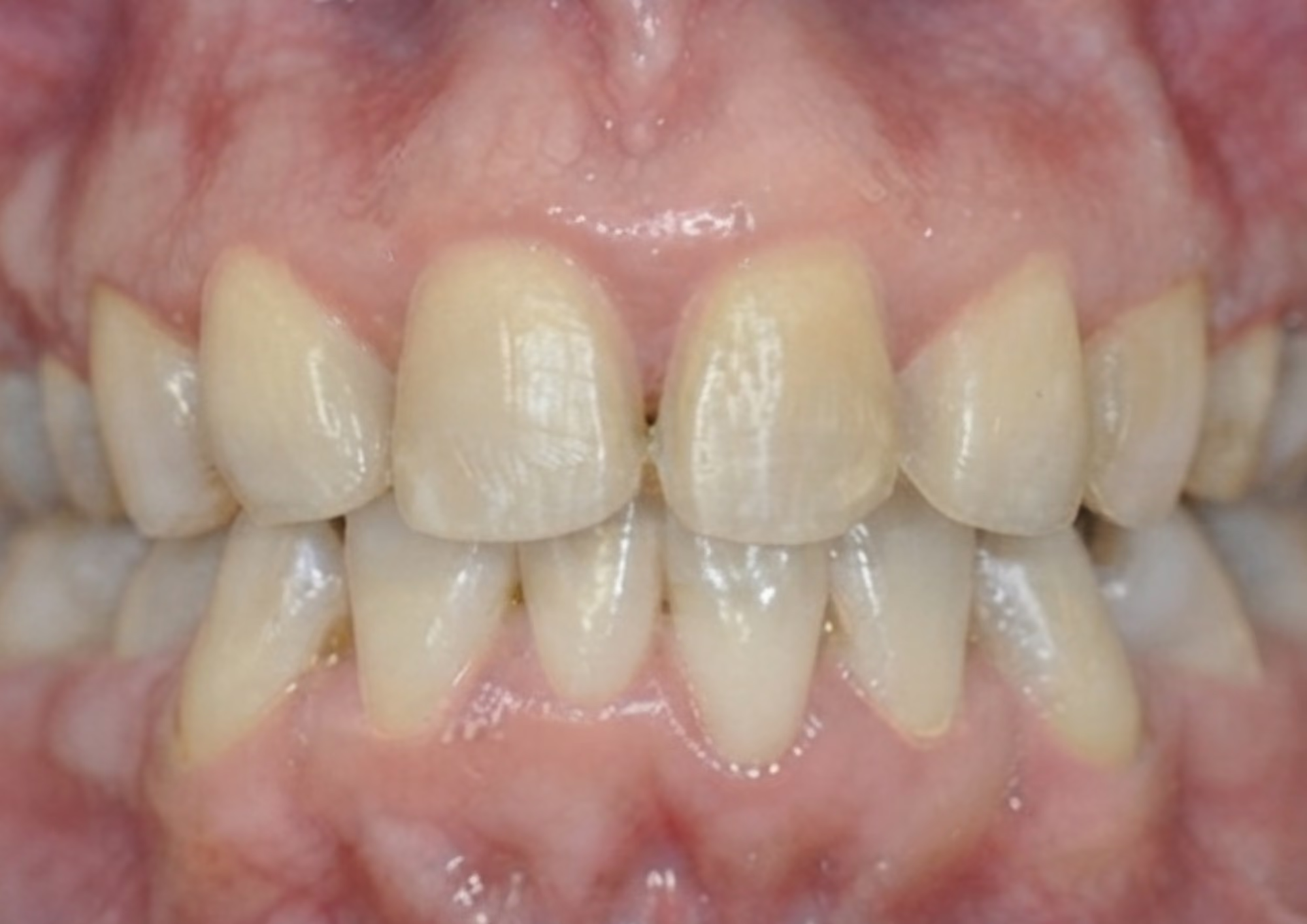
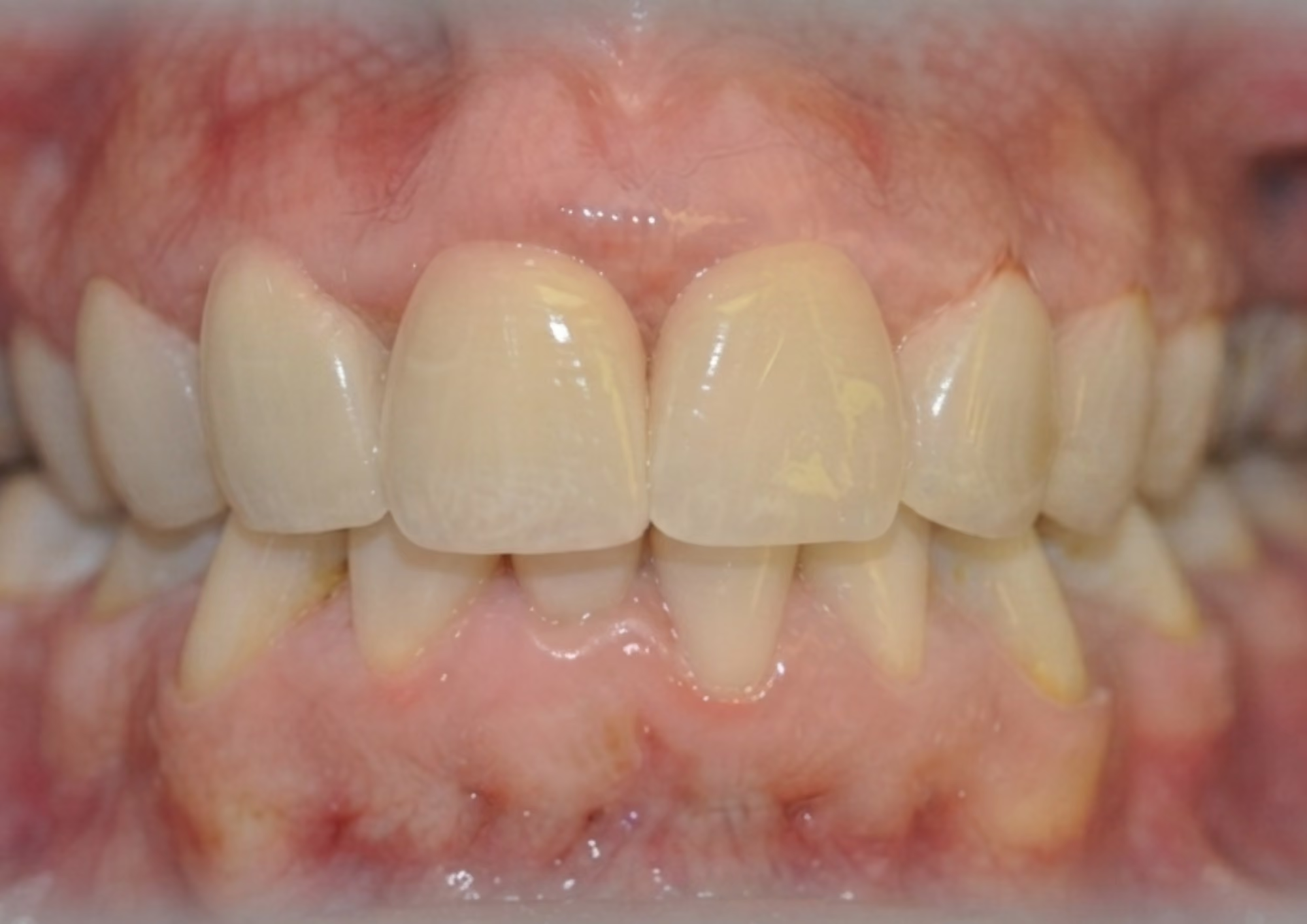
Our happy patients,
in their own words
Transparent pricing
Prices are set out below. Your written plan confirms the fee before any treatment begins.
| Item | Price |
|---|---|
| Composite bonding (edge repair, where a veneer is not needed) | £175 simple · £350 complex |
| Composite veneer (full coverage) | £350–£500 per tooth |
| Porcelain veneer | £750–£1,050 per tooth |
| Emax porcelain veneer | £1,050–£1,500 per tooth |
| Composite lifespan | 5–7 years |
| Porcelain lifespan | Commonly 10–15 years or more (results vary) |
| First dental assessment | £65 |
| Pre-treatment combination whitening (if part of plan) | £780 |
| Pre-treatment hygiene | £85 (or £135 Diamond) |
| Night guard (Davies splint, for grinders) | £495 |
| Finance | 0% APR finance over 12 months via Tabeo, subject to status |
0% APR finance over 12 months via Tabeo, subject to status.
Questions
people ask
If your question isn't answered here, call reception on 020 8127 4567 or email reception.
How much do veneers cost in London?
At Dental & Wellness London, composite veneers cost £350–£500 per tooth, porcelain veneers £750–£1,050 per tooth and Emax veneers £1,050–£1,500 per tooth. Your total depends on the number of teeth and any preparatory hygiene or whitening. Everything is set out in a written plan after your £65 consultation, and 0% APR finance over 12 months via Tabeo is available, subject to status.
Are composite or porcelain veneers better?
Neither is better in every case. Composite needs little or no enamel removal, is placed in one visit and can be repaired, but it stains and wears sooner. Porcelain and Emax need a light enamel reduction and two visits, but they resist staining and commonly last ten to fifteen years or more. We recommend whichever is proportionate to your teeth, bite and goals.
How long do veneers last?
Composite veneers typically last around five to seven years before they need refreshing. Porcelain and Emax veneers commonly last ten to fifteen years or more. Longevity depends on your bite, whether you grind your teeth, your home care and regular hygiene visits. Results vary, and no restoration is permanent, so we plan with future maintenance in mind.
Does getting veneers hurt?
Most patients find the process comfortable. Composite veneers often need no anaesthetic at all. For porcelain and Emax veneers, the preparation visit is carried out under local anaesthetic, and temporary veneers protect the teeth while the laboratory works. Some mild sensitivity for a few days afterwards is common and usually settles on its own.
Can I whiten my teeth after getting veneers?
Whitening does not change the colour of veneers, only natural teeth. That is why, if you would like lighter teeth overall, we complete whitening two to four weeks before veneers and match the veneers to the new shade. Combination whitening at our clinic is £780, and it is planned into your written treatment plan where it is needed.
Do I need straight teeth before veneers?
Not always, but it often helps. Veneering crowded or rotated teeth can mean removing more enamel to create an even line. Straightening first, often with Invisalign, usually allows thinner veneers or makes them unnecessary. Orthodontic consultations at our Islington clinic are free and include an iTero scan, so you can compare both routes before deciding.
Where can I get dental veneers in Islington?
Dental & Wellness London is at 222 Essex Road, Islington N1 3AP, two minutes from Essex Road station and on the 38, 56, 73, 341 and 476 bus routes. Veneers are planned and placed by Dr Vishal Patel, MSc Aesthetic & Restorative Dentistry, GDC 103127. We are open Monday to Friday, 8am to 7pm (Tuesday from 9am), by appointment.
Send three Photos - get an honest answer with in a day.
Free Smile AssessmentBook a veneers consultation
Start with a consultation with Dr Vishal Patel, £65, and leave with a written plan. Call 020 8127 4567.
Contact US