Yellow and Discoloured Teeth: What Actually Causes It, and What Genuinely Fixes It
Reviewed By
Last Updated
October 1, 2026
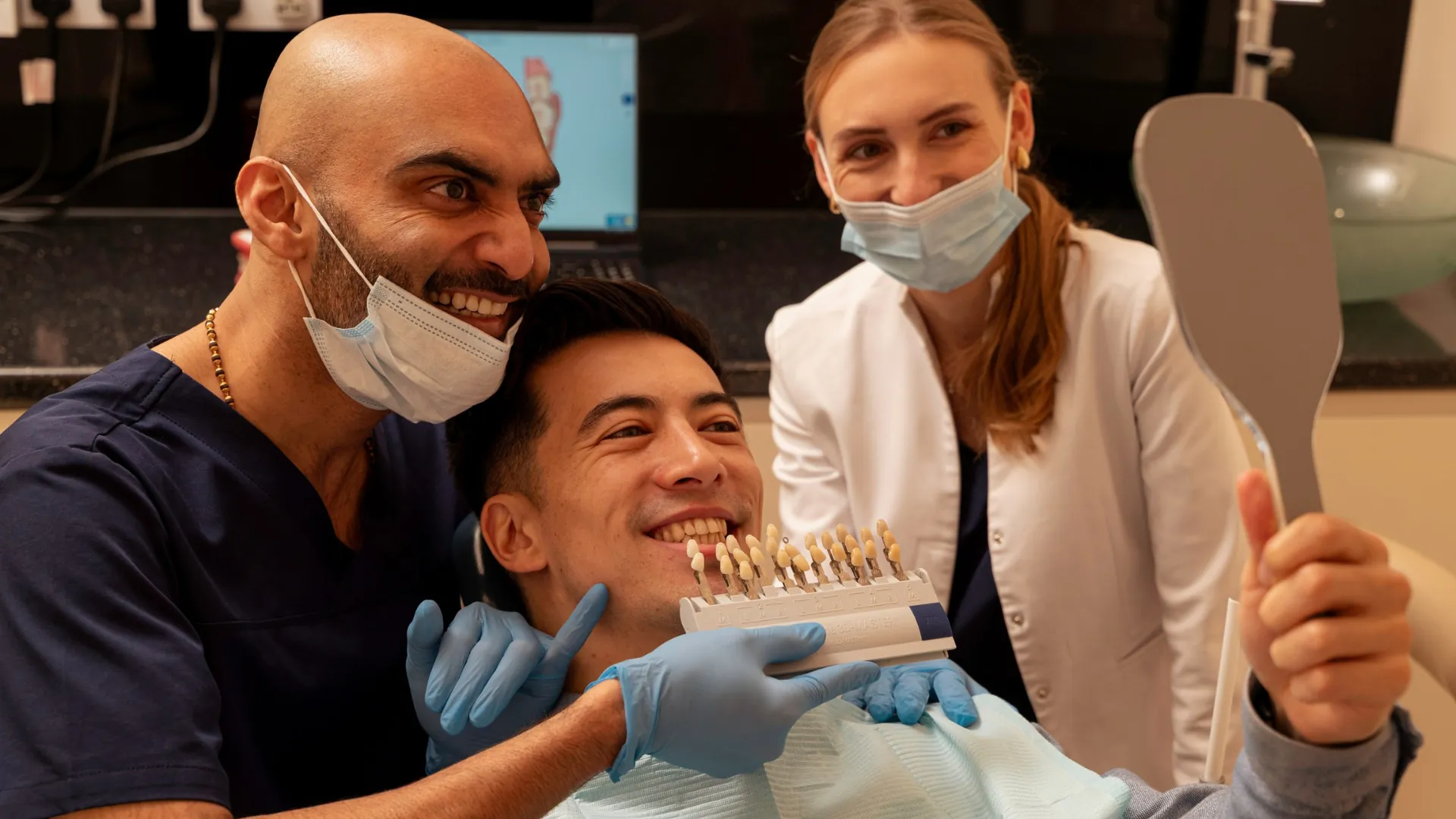
Not all yellowing is the same — and the cause decides whether whitening will work.
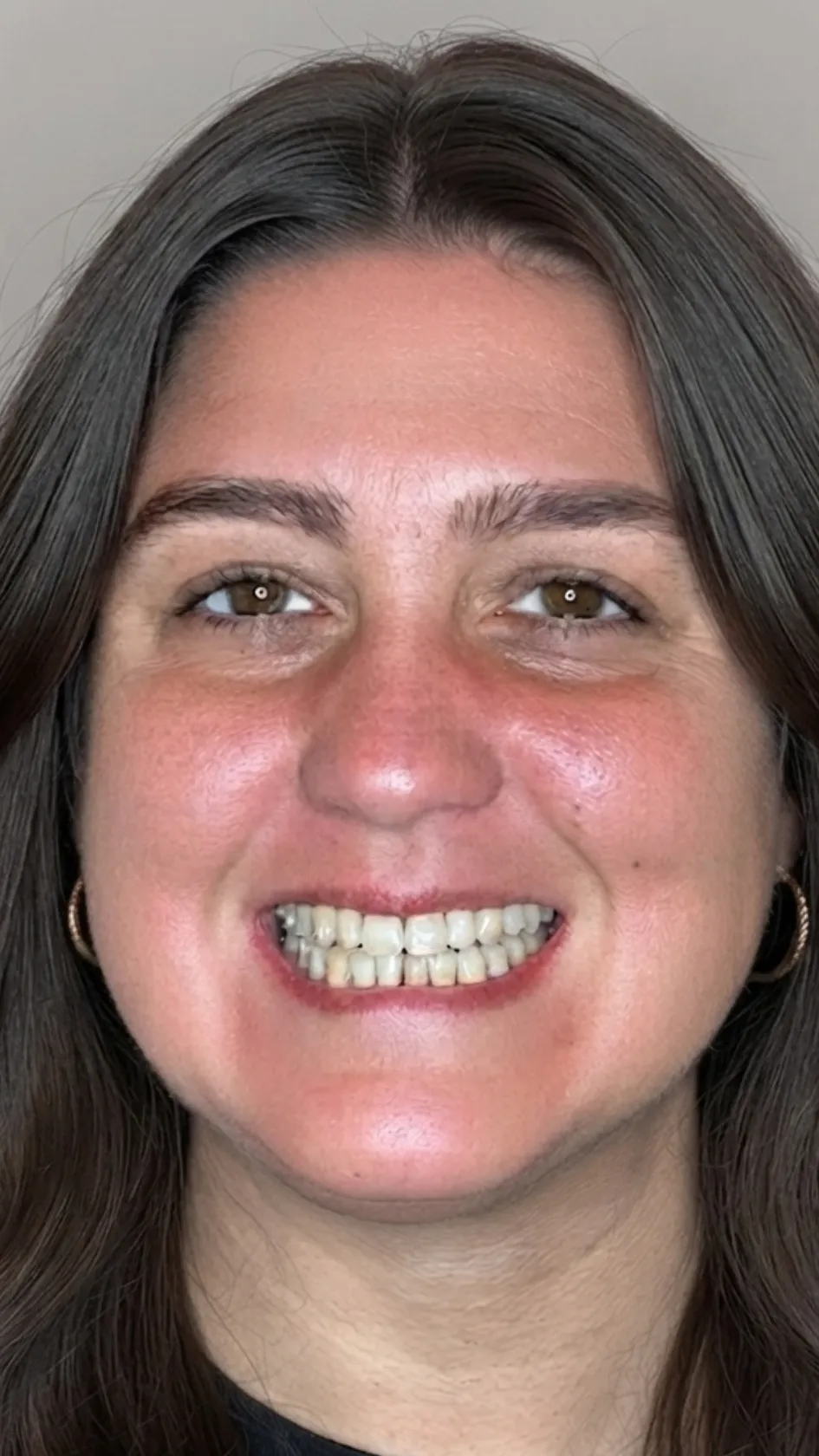
Discoloured teeth are caused either by surface (extrinsic) staining from coffee, tea, red wine and smoking, or by deeper (intrinsic) changes inside the tooth from ageing, certain medicines, trauma or decay. At our Islington clinic we identify which type you have first, because professional cleaning and whitening help surface and age-related yellowing, while bonding or veneers suit deeper discolouration.
Visible Signs & Symptoms
Tooth discolouration is any change from the natural shade of your teeth. It is a symptom rather than a diagnosis: two people can have similar-looking yellowing with entirely different causes, and the right treatment for one would be the wrong treatment for the other. That is why we work out why teeth have changed colour before discussing how to lighten them.
Common signs
- General yellowing across most teeth, often gradual over years
- Brown or dark surface stains, typically near the gum line or between teeth, that do not brush off
- A single tooth that is grey or darker than its neighbours
- Grey or banded discolouration running horizontally across several teeth
- White flecks or brown mottling in the enamel
- Darkening around an old filling or at the edge of a crown
Surface staining (extrinsic)
This sits on the enamel, a film built up over months and years from what passes over your teeth. It is the most common cause of yellowing and the most rewarding to treat, because it responds well to professional cleaning and whitening. It returns if the cause continues, which is why we discuss habits alongside treatment.
Internal staining (intrinsic)
This sits within the tooth, in the dentine beneath the enamel, so it cannot be scrubbed off. Ageing, medication taken while teeth were forming, trauma and decay all cause intrinsic change, and each one changes the plan. Whitening lightens age-related yellowing reasonably well, struggles with grey banding and does nothing for a dark filling or a decaying tooth.
Many people have both types at once. Telling them apart takes a proper look in good light, a shade assessment and, where a single tooth has darkened, an X-ray.
Clinical Root Causes
Surface causes
- Drinks and food. Coffee, tea, red wine, cola, dark berries, soy sauce and balsamic leave pigment that bonds to the enamel and to the thin protein film that coats every tooth.
- Tobacco. Smoking and chewing tobacco are among the most stubborn and common causes of brown staining.
- Plaque and tartar. Hardened deposits pick up stain readily and cannot be removed with a toothbrush.
- Some mouthwashes. Prolonged use of certain antiseptic rinses can leave brown surface staining.
Internal causes
- Ageing. Enamel thins over a lifetime and the naturally more yellow dentine beneath shows through. This is the most common reason mature teeth look more yellow than they once did, and no toothpaste reaches it.
- Medication during tooth development. Certain antibiotics, notably tetracycline, taken in childhood while teeth were forming can leave grey or banded discolouration.
- Fluorosis. Too much fluoride while teeth are developing can leave white flecks or brown mottling.
- Trauma. A knock, even years ago, can darken a tooth from the inside as the nerve responds or dies, often turning one tooth grey while its neighbours stay pale.
- Decay and old restorations. A darkening area can be decay or a leaking filling rather than stain.
- Developmental conditions. Less commonly, enamel or dentine forms abnormally and appears discoloured from the start.
Factors that make staining worse
A dry mouth is one of the most overlooked. Saliva rinses pigment away and protects enamel, so anything that reduces it, such as some medicines, dehydration or mouth breathing, tends to increase both staining and decay. A diet high in sugar and acid softens the enamel surface so it stains more readily. Irregular hygiene visits allow surface stain and tartar to build.
Why a discoloured tooth is sometimes a health question, not a cosmetic one
Most yellowing is harmless and cosmetic. Some is not, and the two can look alike in the mirror, which is why a discoloured tooth deserves an assessment rather than an assumption.
When discolouration is a health question
- A single tooth that has darkened on its own may have a damaged or dying nerve. Left alone it can become infected, sometimes without pain. It needs assessing, and possibly root canal treatment, before any thought of whitening.
- Dark or brown areas near fillings or between teeth can be decay, which continues to spread if untreated.
- Yellowing with a persistently dry mouth points to reduced saliva, which matters for decay and gum health as well as colour.
Why the cause decides the outcome
Whitening a tooth that has a dying nerve, or bleaching over decay, treats the appearance and leaves the problem underneath. Over-the-counter kits used on the wrong type of staining often disappoint, and ill-fitting trays or unsupervised gels can irritate gums and cause the sensitivity that makes people stop halfway. If your teeth are already sensitive, that is another reason for supervision.
When to be seen
Book an assessment if one tooth has changed colour, if there is pain, swelling or a gum blister near a dark tooth, if staining has appeared quickly without an obvious reason, or if you are considering whitening and want to know whether it will work for you.
What genuinely works — matched to the cause
Once we know which layer we are treating, the options become clear. We choose the most conservative approach that will actually work for your cause of discolouration.
Professional cleaning first, for surface staining
A thorough hygiene appointment removes surface stain and the hardened deposits a brush cannot, and it often lightens teeth noticeably before any whitening is considered. For many people with mainly extrinsic staining, this is all that is needed, with regular visits to keep it from returning.
Professional whitening, for yellowing
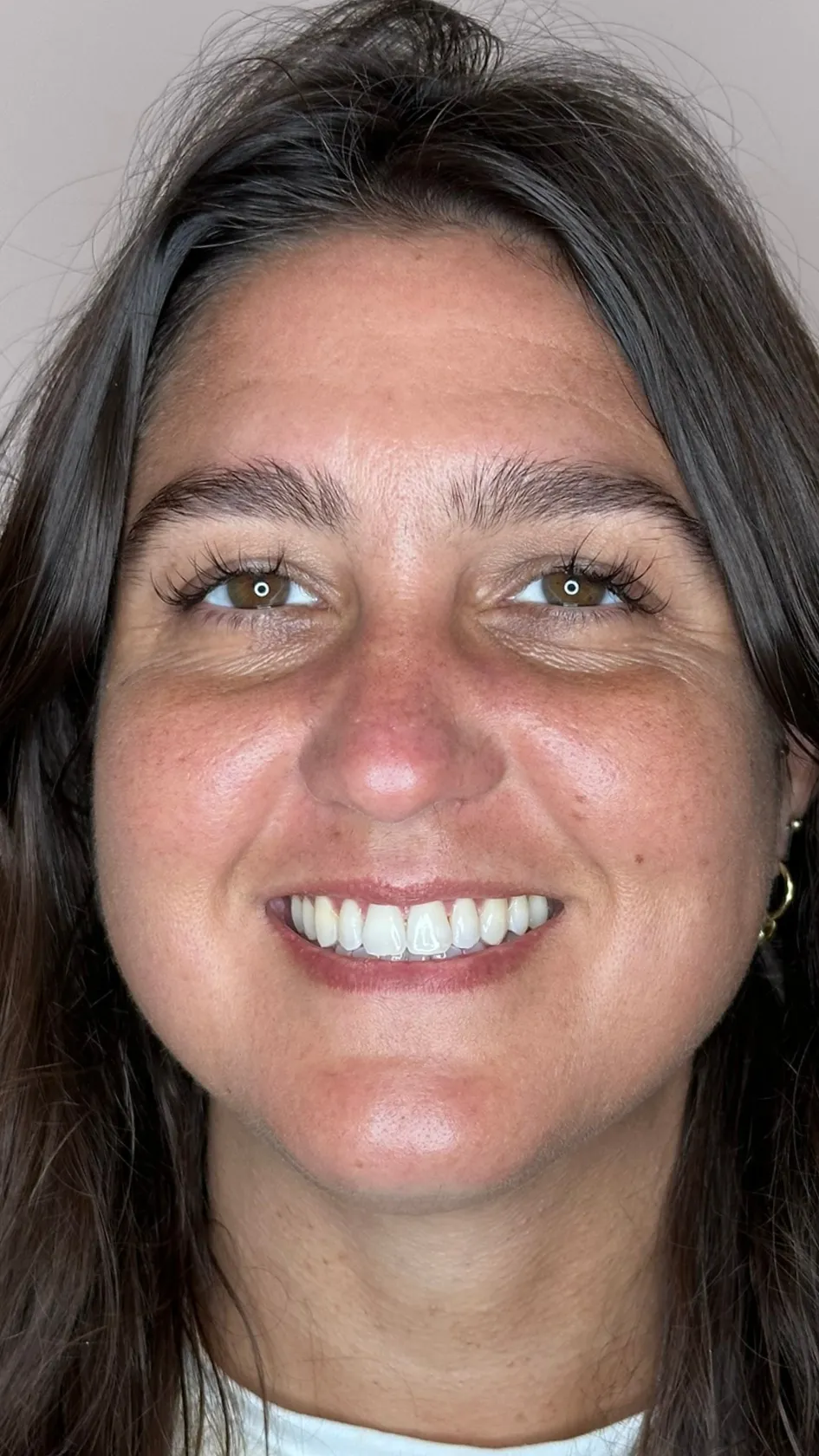
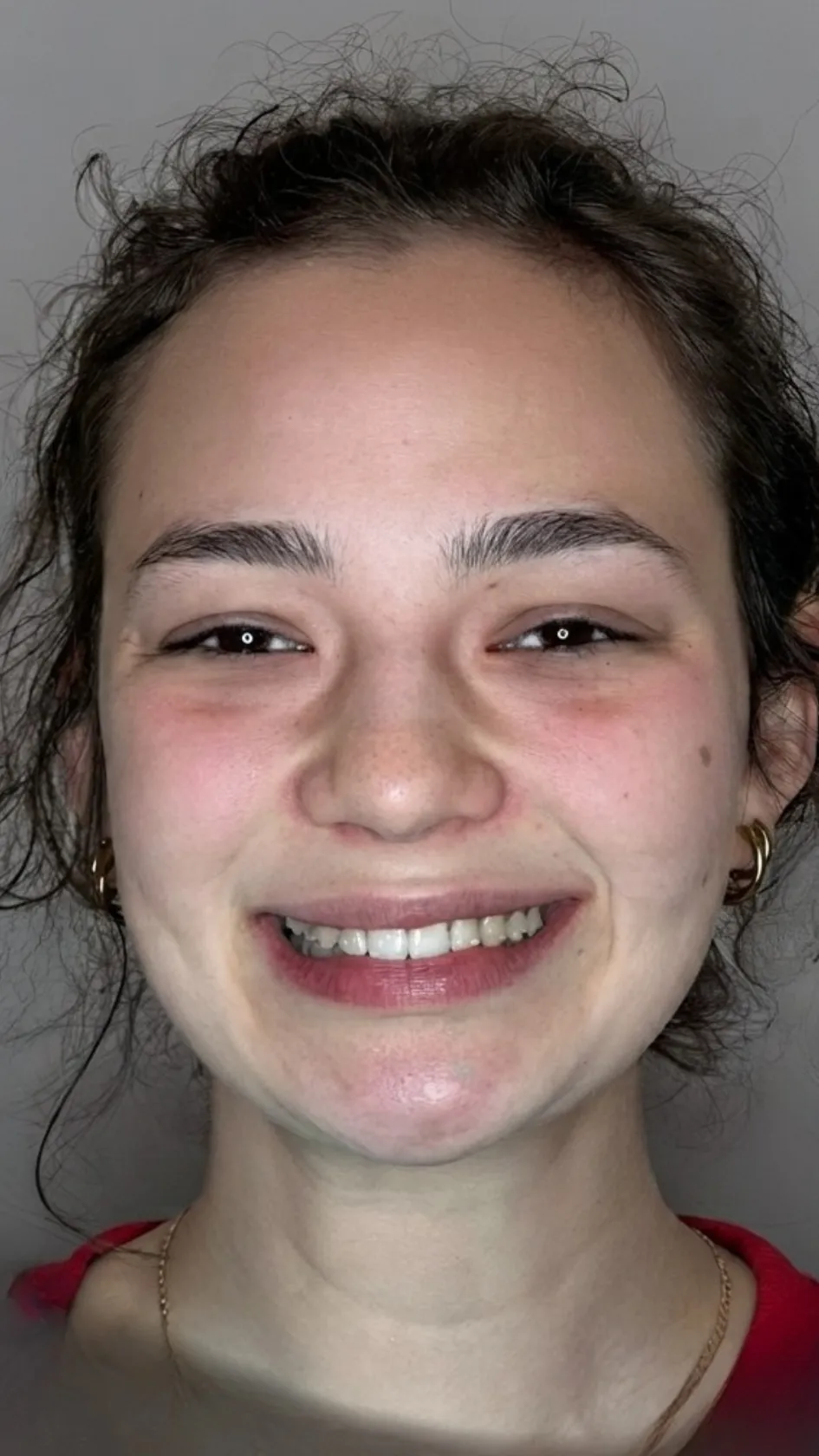
For genuine yellowing, both surface and age-related, supervised professional whitening is the most reliable option. A combined approach, with an in-chair session followed by custom-made trays used at home, tends to give a deeper and more stable result than either alone. We select the system and strength to suit your teeth and any sensitivity. Our guides to whitening options and in-chair versus home whitening explain the differences. If you are in or near Islington, see teeth whitening in Islington. Whitening does not change the colour of existing fillings, crowns or veneers, which we plan around.
Internal whitening, for a single dark root-treated tooth
Where one tooth has darkened after a nerve problem and has been root treated, it can often be lightened from the inside, avoiding the need to cover it.
Bonding or veneers, where whitening cannot reach
For grey banding, mottling that bleaching will not even out, or a tooth that remains dark, the answer is to cover rather than lighten. Composite bonding is the more conservative first step; porcelain veneers suit cases where greater durability or a larger change is needed. Covering a tooth is a bigger commitment than lightening it, so we use it only when whitening cannot do the job, and we usually whiten first so new work is matched to the lighter shade.
Keeping teeth lighter afterwards
No treatment holds against the habit that caused the staining. Rinse with water after coffee, tea or wine rather than letting pigment sit, use a straw for cold staining drinks where you can, keep up regular hygiene visits, and treat smoking as the biggest reversible cause it is. A good whitening toothpaste helps lift fresh surface stain between cleans, though no toothpaste reverses internal yellowing.
What happens at DWL
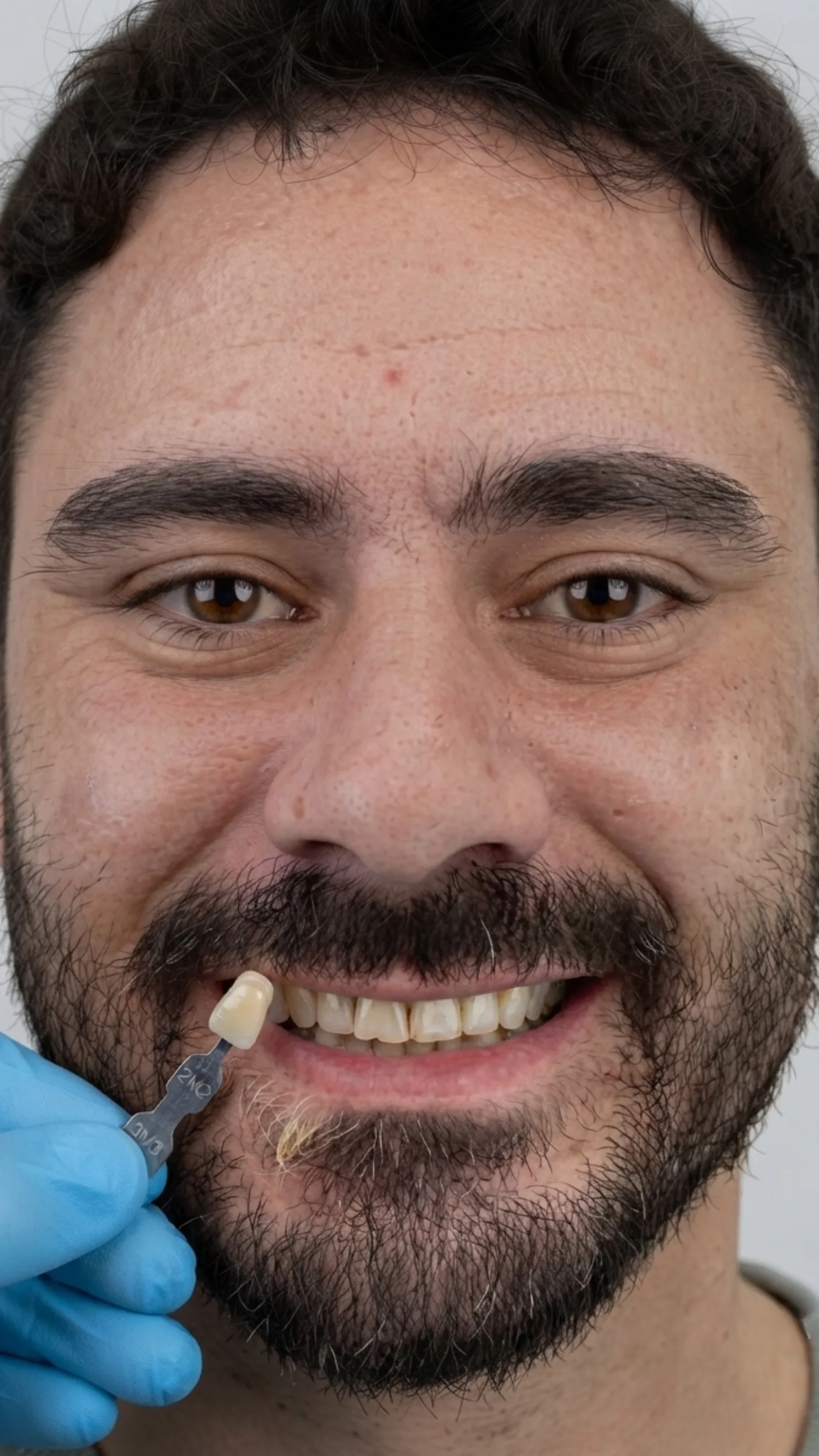
Your assessment is with Dr Vishal Patel, who holds an MSc in Aesthetic & Restorative Dentistry. He checks the health of each discoloured tooth, records your current shade, and explains which treatment will work for your type of staining and which will not. The aim is a natural, proportionate result that still looks like your teeth. Results vary between individuals.
Cost
- Dental examination: £65 · dental problem assessment (single dark tooth): £75
- Hygiene: £85 · Diamond hygiene: £135
- Whitening: £450 single · £780 combination · internal whitening £495
- Composite bonding: £175 simple / £350 complex per tooth
- Porcelain veneers: £750–£1,500 per tooth · composite veneers £350–£500
- Root canal treatment, where needed: £550–£950
Every plan is itemised in writing first. 0% APR finance over 12 months is available.
Getting here. We are at 222 Essex Road, Islington, N1, two minutes from Essex Road station. Buses 38, 56, 73, 341 and 476 stop on Essex Road, and many patients arrive by bike or on Lime and Forest e-bikes.
This page is part of our wider guide to teeth bonding, which sets out every option we offer side by side.
Further reading
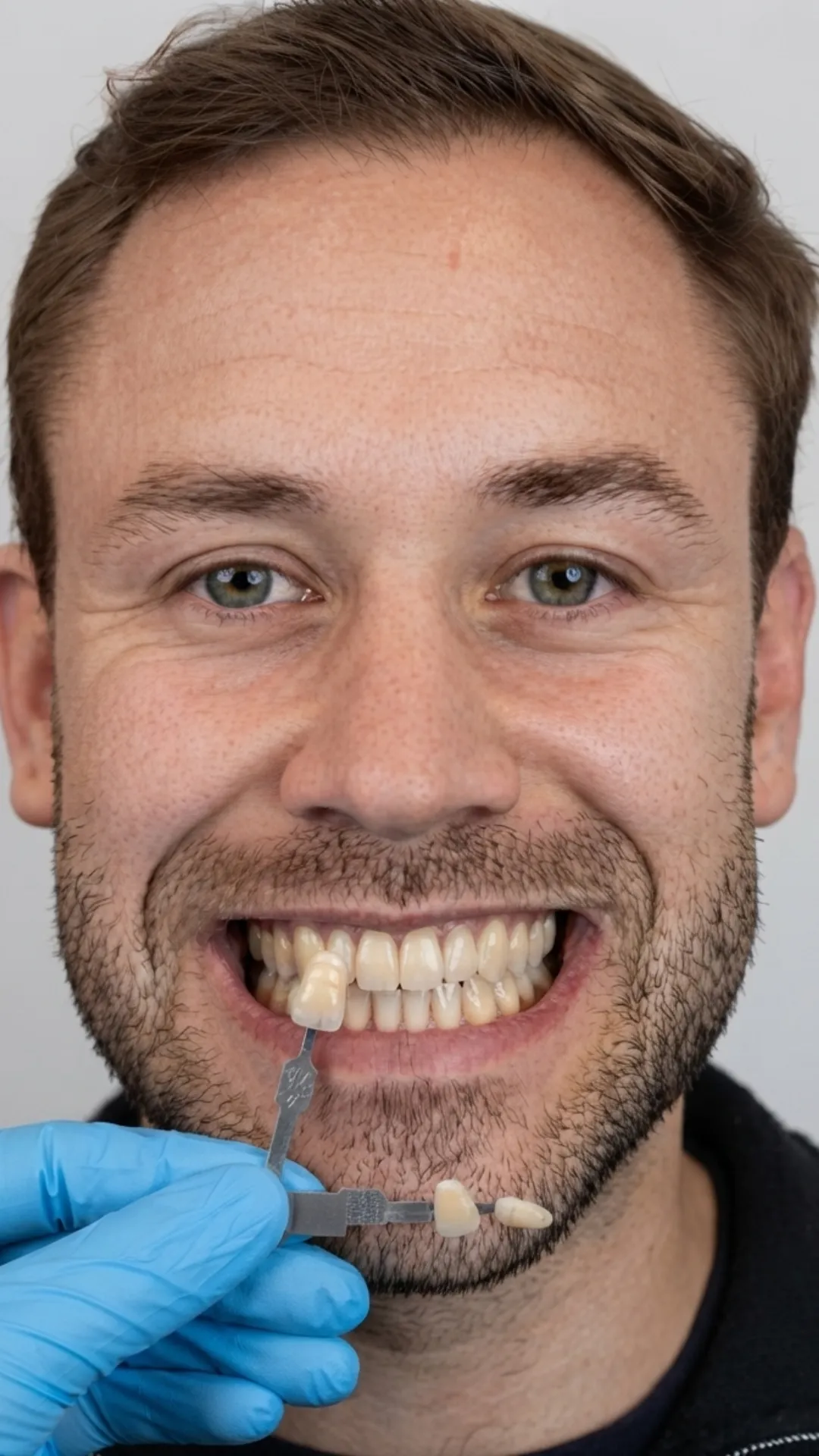
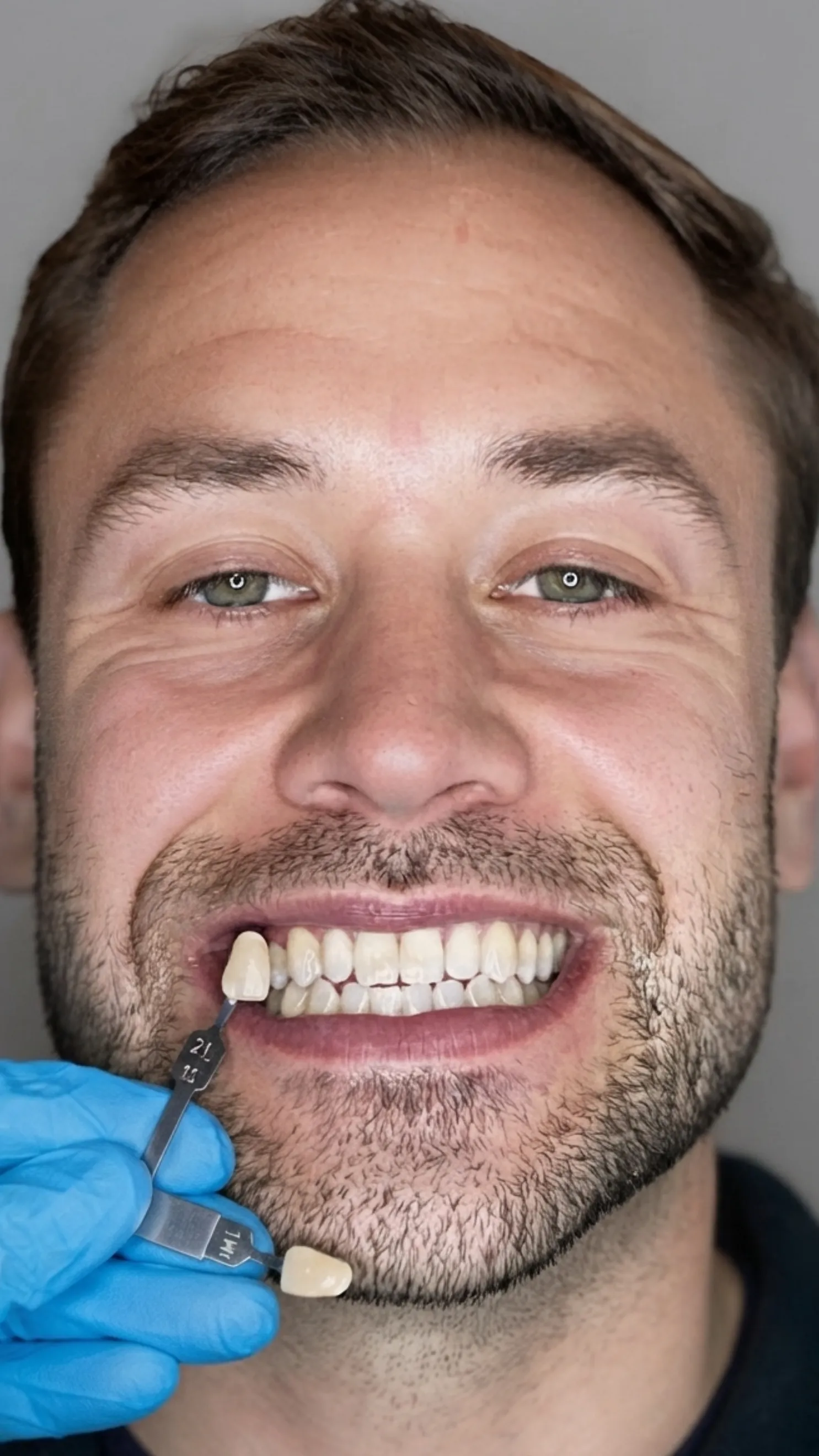

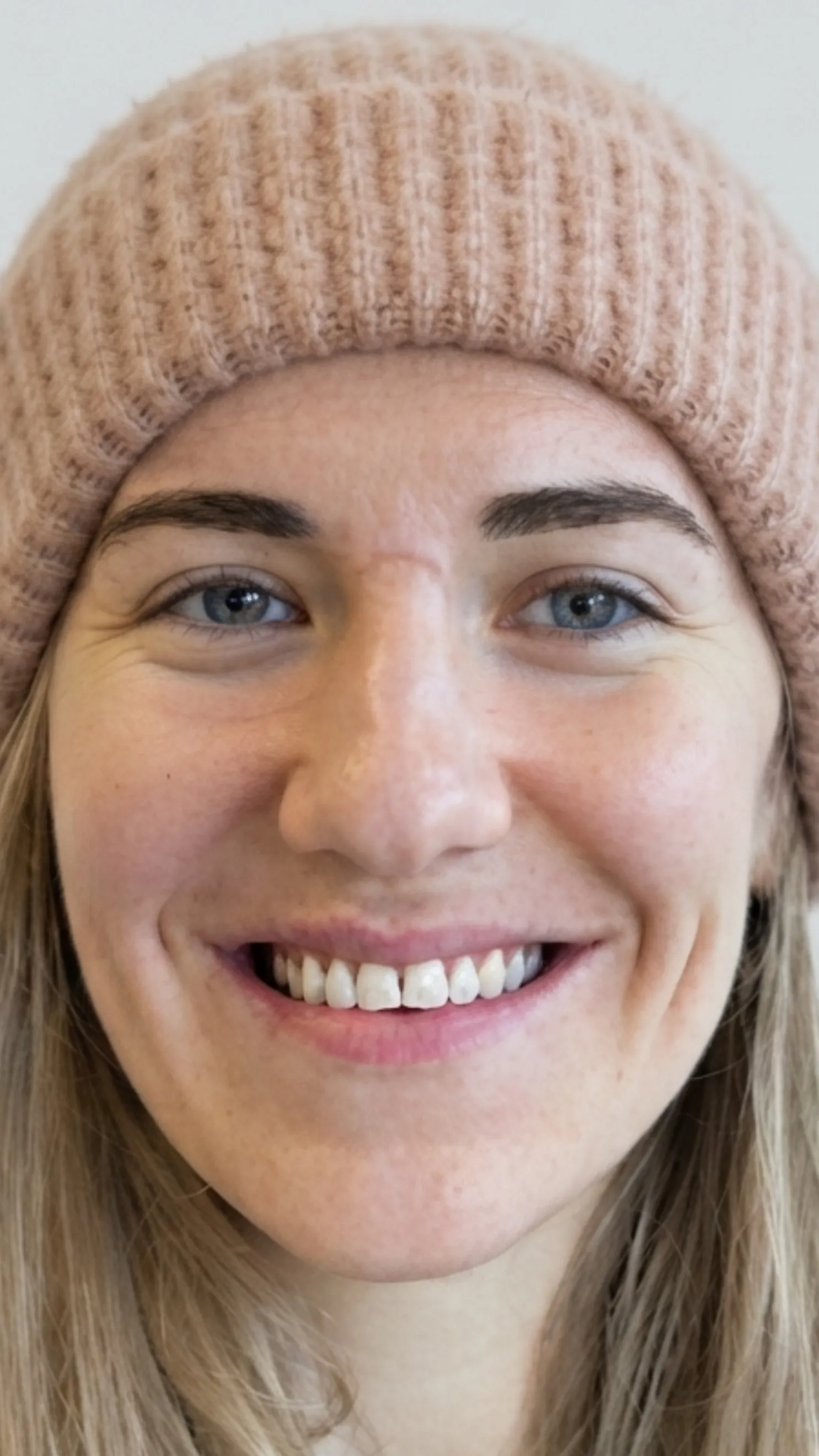

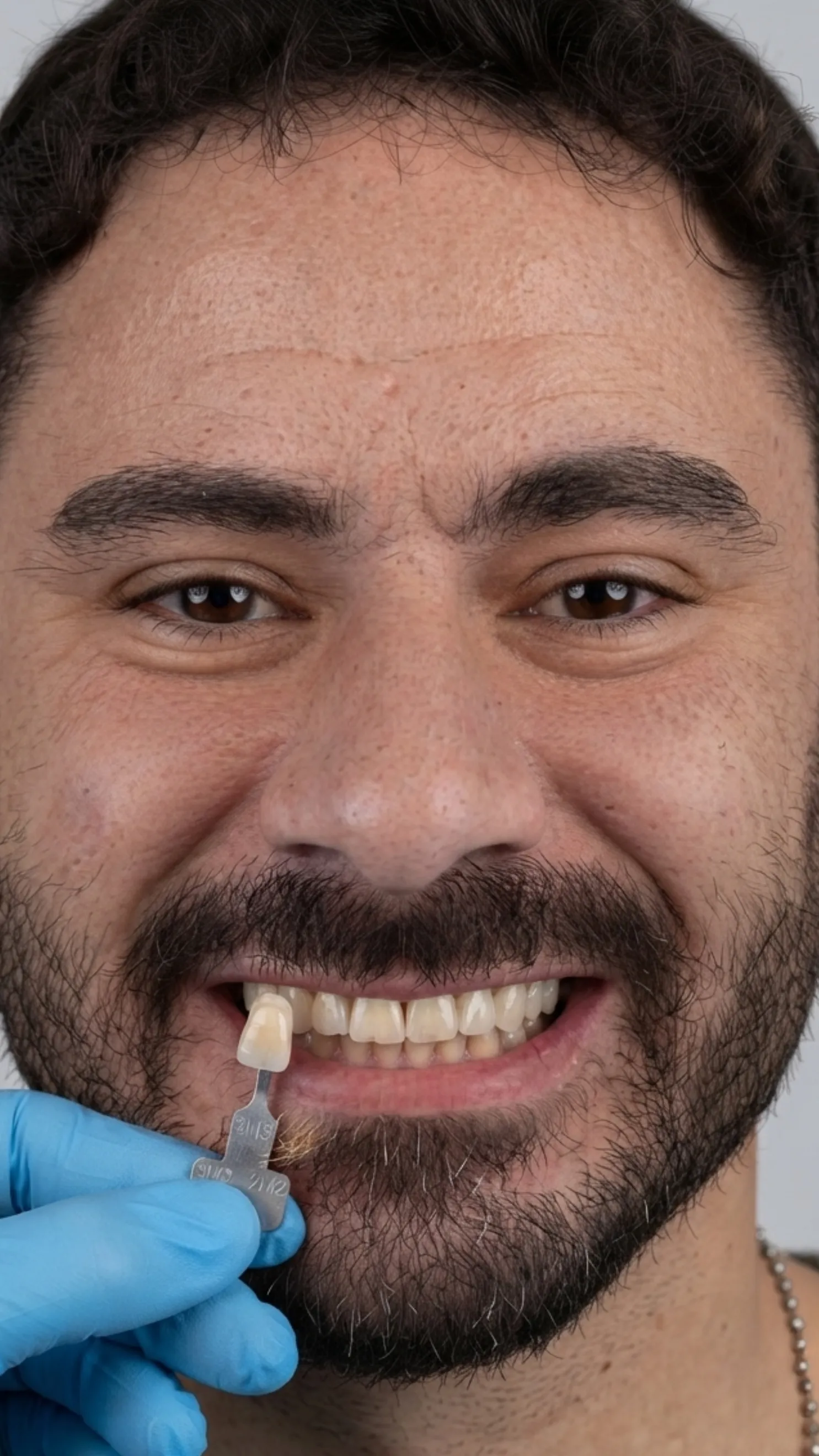
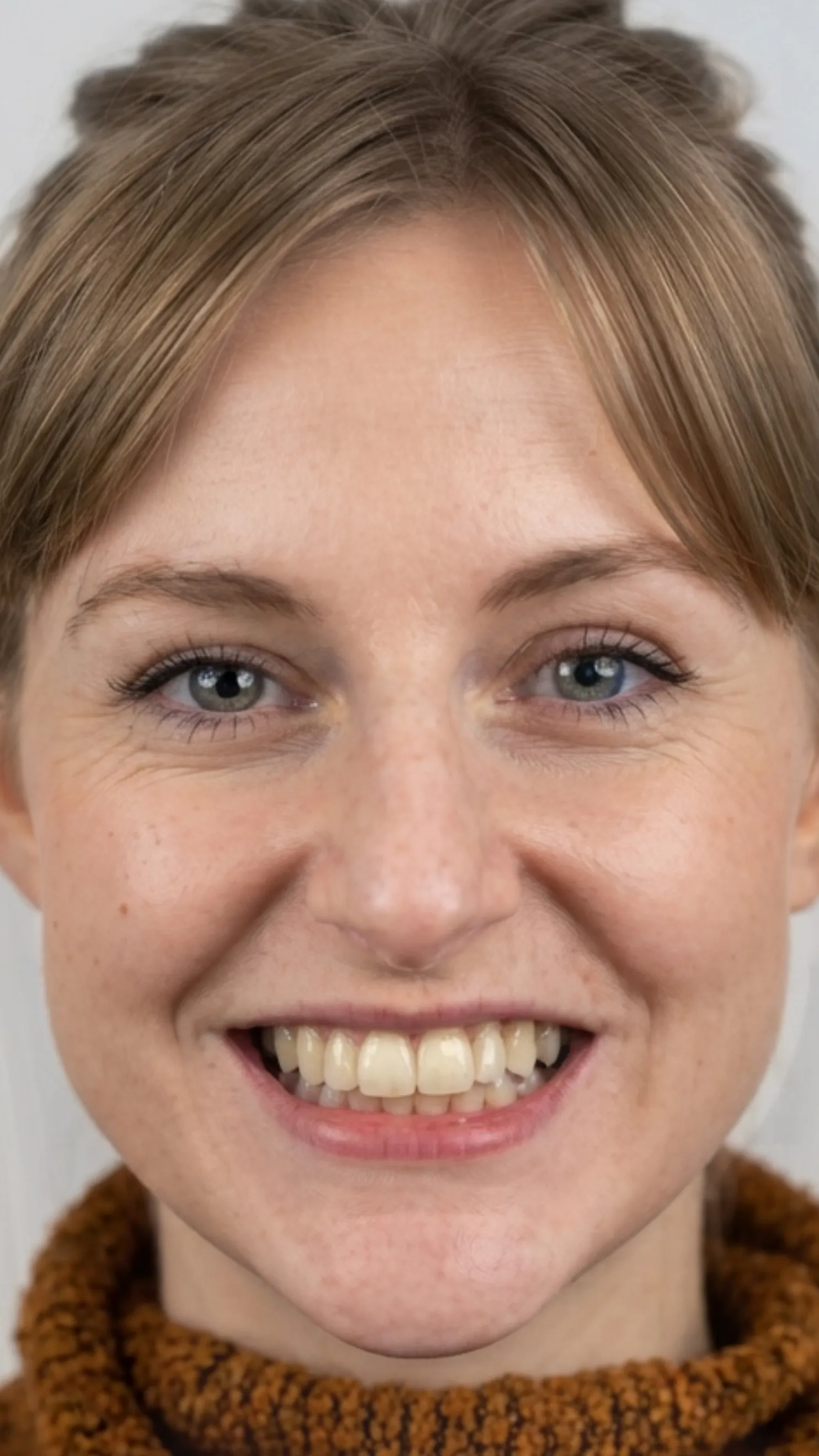
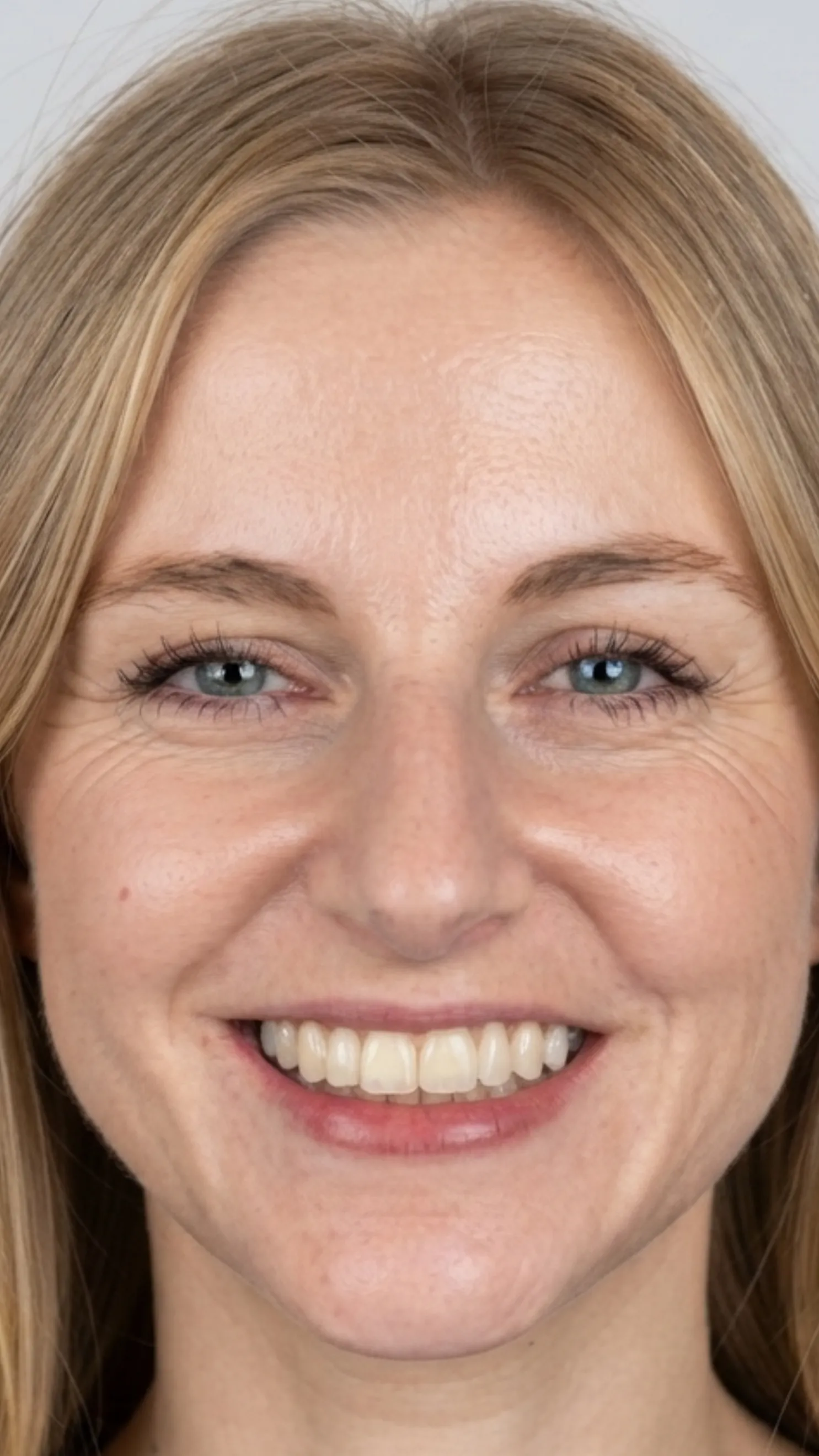
Send three Photos - get an honest answer with in a day.
Free Smile ASssessmentFrequently asked questions
If your question isn't here, call reception on 020 8127 4567 or book a free discovery call.Text Link
View all FAQs →Why are my teeth yellow even though I brush twice a day?
Brushing removes some surface stain but can't reach the biggest causes: deeper age-related yellowing, where thinning enamel lets the naturally darker dentine show through, and hardened deposits that only a professional clean removes.
Will whitening work on my teeth?
It depends entirely on the cause. Whitening works well on surface staining and age-related yellowing, struggles with grey tetracycline banding, and does nothing for a dark filling or a decaying tooth. That's why we identify the type of discolouration first.
Why is one of my teeth darker than the others?
A single tooth that has darkened on its own is often a sign the nerve inside it was affected by a past knock or has started to die. This is a health question, not a cosmetic one, and it needs assessing rather than simply whitening over.
Is professional whitening safe?
Yes, when it's supervised. The risks people experience — burned gums, severe sensitivity — almost always come from ill-fitting online trays and unregulated gel concentrations. Supervised whitening with custom-made trays is both safer and more effective.
How long does whitening last?
With a combined in-chair and at-home approach, results typically hold for one to three years, depending on your diet and habits. Coffee, tea, red wine, and smoking shorten that; rinsing with water afterwards and occasional tray top-ups extend it.
Can yellow teeth be a sign of something wrong?
Sometimes. A tooth that darkens alone can signal a nerve problem; rapid staining alongside a dry mouth can point to reduced saliva; and a darkening tooth can occasionally be decay rather than stain. A discoloured tooth always deserves a proper assessment.