Teeth Bonding: What It Is, What It Fixes and What It Costs
Reviewed By
Dr Vishal Patel
BDS Liverpool · MSc Aesthetic & Restorative Dentistry Manchester · GDC 103127 · AACD Member · Invisalign Diamond II Provider · IFAAS (International Fellowship in Advanced Aesthetic Science) · Facial anatomy & cadaver course, Dr Ali Pirayesh, University of Amsterdam · Harley Academy foundation training in injectable aesthetics · IBSA-trained (Profhilo) · NeoStrata-trained (skin peels) · Lynton Lasers trained, incl. ONDA
Last Updated
October 3, 2026
Edge bonding, composite bonding and composite veneers share one material and one technique. We help you work out which one, if any, your teeth need.
Teeth bonding at Dental & Wellness London in Islington means sculpting tooth-coloured composite resin onto your own teeth to repair chips, close small gaps or reshape edges, usually in one visit and without drilling. Dr Vishal Patel plans and places every case. Bonding costs £175 per tooth for simple work and £350 for complex work, and typically lasts five to seven years before refinement.
Heading
- Same-day cosmetic treatment — composite resin sculpted onto teeth
- Usually under an hour per tooth
- £175 simple · £350 complex · £350–£500 composite veneers (per tooth)
- Reversible in most cases · little or no enamel removal
- Consultation £65
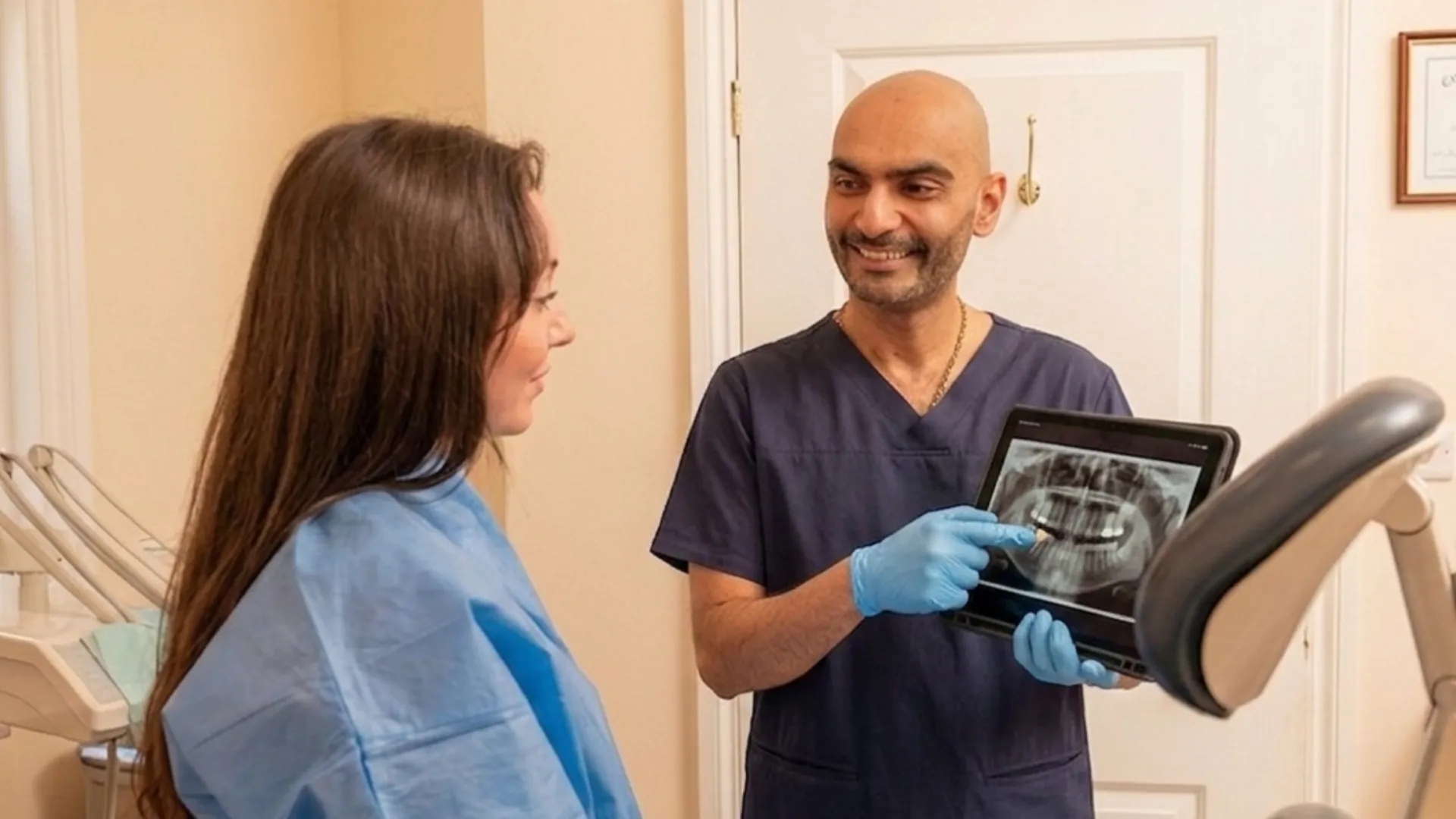
Teeth bonding is the umbrella term for adding tooth-coloured composite resin directly to your natural teeth to repair, reshape or recolour them. It is done by hand in the dental chair, usually in one visit, and usually without drilling. People often come across the term after chipping a front tooth, or when they start looking into ways to improve a smile without veneers.
Because "teeth bonding" covers several different treatments, it causes a lot of confusion. This page explains what dental bonding is, the forms it takes, what it can and cannot fix, and what it costs at our clinic. Where you need more detail on one specific treatment, we point you to the page that covers it.
What is dental bonding?
Dental bonding, also called tooth bonding or teeth bonding, means attaching a tooth-coloured resin to the surface of a tooth using an adhesive. The resin, known as composite, is a blend of plastic polymer and very fine glass or ceramic particles. It is soft and mouldable when placed, so the dentist can sculpt it directly onto the tooth, then harden it with a blue curing light and polish it to look like enamel.
The adhesive bond works because enamel can be lightly conditioned to create a microscopic texture. The bonding resin flows into that texture and locks in. This is why bonding needs so little tooth removal: the composite grips the surface rather than relying on a drilled cavity to hold it. In most cases it can be polished away in future, which is why bonding is usually described as reversible.
The three forms of teeth bonding
The material is the same in each case. What differs is how much of the tooth is covered and what the treatment is trying to achieve.
Edge bonding
The smallest form. Composite is added only to the biting edge of a front tooth to repair a small chip, level uneven edges or restore length lost to wear. It is quick, very conservative and often the first thing we suggest for a minor chip. Our article on edge bonding vs full coverage explains the difference in more detail.
Composite bonding
Targeted additions to part of the tooth surface: rebuilding a corner, closing a small gap, covering a darker patch or replacing an old, stained filling on a front tooth. This is the treatment most people mean when they talk about bonding, and it has its own page on composite bonding, with process and pricing in full.
Composite veneers
Composite covering the whole visible front surface of the tooth, used when colour, shape and proportion all need to change together. It is a bigger, longer appointment, and is covered on our composite veneers page.
What teeth bonding can fix
- Chipped teeth, from small edge chips to larger corners.
- Worn edges, where teeth have shortened or become uneven over time.
- Small gaps between front teeth (see our page on gappy teeth).
- Uneven shape or size, such as a tooth that looks narrower or shorter than its neighbour.
- Discolouration that does not respond to whitening, including patches and old fillings (see discoloured teeth).
- Exposed root surfaces near the gum line, where recession has left a sensitive or darker area.
- Finishing touches after orthodontics, once teeth are in a better position.
Bonding is not the right answer for everything. It does not move teeth that are crowded or rotated, it is not strong enough to rebuild a tooth that has lost most of its structure, and it cannot replace a missing tooth. Those problems are better solved with aligners, an onlay or crown, or a tooth replacement.
Tooth bonding for chipped teeth
A chipped front tooth is the most common reason people search for tooth bonding. Small chips are usually straightforward: we clean the tooth, condition the enamel, build the missing piece back in layered composite and polish it to match. The repair is typically completed in a single appointment and most patients need no anaesthetic.
Before bonding a chip, we check why it happened. A chip from a fall or a hard bite is usually a one-off. Chips that keep appearing, or edges that are flattening, often point to clenching or grinding. In that case we may recommend a night guard first, because composite placed on a tooth under heavy force is likely to chip again. Our page on teeth grinding covers the signs.
If a chip is large, exposes the inner part of the tooth or is painful, it needs a proper assessment rather than a cosmetic repair. Our guide to a chipped tooth explains when a chip is urgent.
Teeth bonding compared with veneers and other options
- Teeth bonding: composite added directly, one visit, little or no tooth removal, largely reversible. Typically lasts five to seven years before refinement.
- Porcelain veneers: laboratory-made ceramic facings over two visits. More stain-resistant and usually longer-lasting, but they normally need some enamel preparation and are not reversible.
- Teeth whitening: changes colour only. Often done first, because composite does not whiten.
- Aligners: move teeth into a better position. Where teeth are out of line, straightening first often means far less bonding afterwards.
Our cosmetic dentistry page explains how we combine these into one plan. The guiding question at consultation is simple: what is the smallest treatment that gives you the result you want?
The teeth bonding process
- Consultation. We examine your teeth, gums and bite, take photographs and discuss what you would like to change. You receive a written plan and quotation.
- Preparation. Any decay or gum problems are treated first. If you want whiter teeth, whitening comes before bonding.
- Shade selection. We match the composite to your teeth, often using more than one shade to recreate the natural translucency of enamel.
- Bonding. The tooth is cleaned and conditioned, the adhesive applied and the composite built up in layers, each hardened with the curing light.
- Shaping and polishing. We refine the outline, check your bite and polish the surface to a natural lustre.
- Review. A short follow-up to check the bite once you have been eating normally, with small refinements if needed.
A single tooth usually takes under an hour. Several teeth are done in one longer appointment.
Results, longevity and aftercare
Bonded teeth look finished as soon as you leave, with no healing period. With good care, bonding typically lasts five to seven years before it needs a polish or small repair, and often longer. Results vary, and the main factors are your habits: grinding, nail-biting, opening packets with your teeth, smoking and heavy tea, coffee or red wine all shorten its life.
To look after bonding, brush twice daily with a non-abrasive toothpaste, clean between your teeth, keep up regular hygiene visits, wear a night guard if you grind, and have a maintenance polish every year or two.
Risks, and how we reduce them
- Chipping: we check your bite, avoid over-thin edges and advise a night guard where needed.
- Staining: a careful final polish and regular maintenance keep surface stain down.
- Over-building: we plan shape and proportion before treatment and move teeth first where that is the better answer.
- Gum irritation: margins near the gum are finished smooth and checked at review.
Teeth bonding cost
Teeth bonding at Dental & Wellness London is priced per tooth:
- Simple bonding, including edge bonding: £175 per tooth.
- Complex bonding: £350 per tooth.
- Composite veneers (full front-surface coverage): £350–£500 per tooth.
- Consultation: £65.
For comparison, porcelain veneers are £750–£1,050 per tooth and Emax veneers £1,050–£1,500 per tooth. Every plan is set out in writing before you commit, and 0% APR finance over 12 months via Tabeo is available, subject to status. Our guide to composite bonding cost in London covers what affects the total.
Who carries out teeth bonding at our clinic
All bonding at our clinic is planned and placed by Dr Vishal Patel: BDS (Liverpool), MSc Aesthetic & Restorative Dentistry (Manchester), GDC 103127, AACD member and Invisalign Diamond II provider, in the top 1% of UK Invisalign providers. He has around twenty years in dentistry and over 15,000 cases. Because bonding is sculpted by hand, the clinician's eye for shape and proportion matters as much as the material.
Teeth bonding questions
How long does teeth bonding last?
Teeth bonding typically lasts around five to seven years before it needs refinement, and often longer with good care. Refinement is usually a polish or small repair rather than replacing the whole restoration. Grinding, nail-biting, smoking and staining drinks shorten its life; regular hygiene visits, a night guard and an occasional polish help it last.
Is tooth bonding good for chipped teeth?
Yes. Bonding is usually the first choice for small and moderate chips on front teeth, because it rebuilds the missing piece in one visit with little or no drilling. If chips keep recurring, we look for grinding first. Large or painful chips may need an onlay or crown instead, which we explain at assessment.
Does teeth bonding ruin your teeth?
No, when it is planned and placed carefully. Bonding is added to the enamel surface and usually needs no drilling, so your natural tooth is preserved underneath. The enamel is only lightly conditioned so the adhesive can grip. Problems tend to come from over-built bonding or poor maintenance, rather than from the treatment itself.
What is the difference between teeth bonding and veneers?
Teeth bonding adds composite to part of a tooth, directly in the chair. A veneer covers the whole front surface. Composite veneers are made the same way as bonding, while porcelain veneers are made in a laboratory, last longer and resist stain better, but usually need some enamel preparation and two appointments.
Can bonded teeth be whitened?
Whitening gel does not change the colour of composite. If you whiten after bonding, your natural teeth lighten and the bonded areas stay the same, which can show. That is why we usually whiten first, let the shade settle for about two weeks, and then match the bonding to the new colour.
Bonding and veneers: more in this group
Related: teeth straightening.
Getting here
We are at 222 Essex Road, Islington, London N1 3AP, in the same building since the practice was founded in 2009. We are open Monday to Friday, 8am to 7pm, by appointment only; we are closed at weekends and do not take walk-ins.
- By train: Essex Road station (Great Northern) is about two minutes on foot. Highbury & Islington is one stop north, and Old Street and Moorgate are a short ride south.
- By bus: the 38, 56, 73, 341 and 476 all stop on Essex Road close to the door.
- On foot from Angel: allow 15–20 minutes' walk from Angel station along Essex Road. Our Angel page has the route.
- By bike: many patients cycle or use Lime and Forest e-bikes. From Dalston it is about ten minutes by bike; see also our Highbury and Canonbury pages.
- By car: street parking on Essex Road is metered and controlled during the day. For most visits, the train, bus or bike is simpler.
Same material, different scope
8 indications
Honest balance
Planned with the long-term smile view by Dr Vishal Patel: Manchester MSc, AACD member, around twenty years in dentistry.
| Clean and prepare | The surface is cleaned and prepared — no drilling in most cases. |
| Etch and bond | A mild acid gel is applied, then the bonding resin is applied and cured with a blue curing light. |
| Hand-sculpt the composite | The composite is hand-sculpted into the planned form. |
| Cure each layer | Each layer is hardened with high-intensity blue light. |
| Refine the shape | Fine burs and polishing strips refine the shape and contact points. |
| Polish to natural lustre | A graduated polishing sequence gives the composite natural enamel's light-reflecting character. A single tooth takes 30–90 minutes; multi-tooth cases fit a half-day or full-day appointment. |
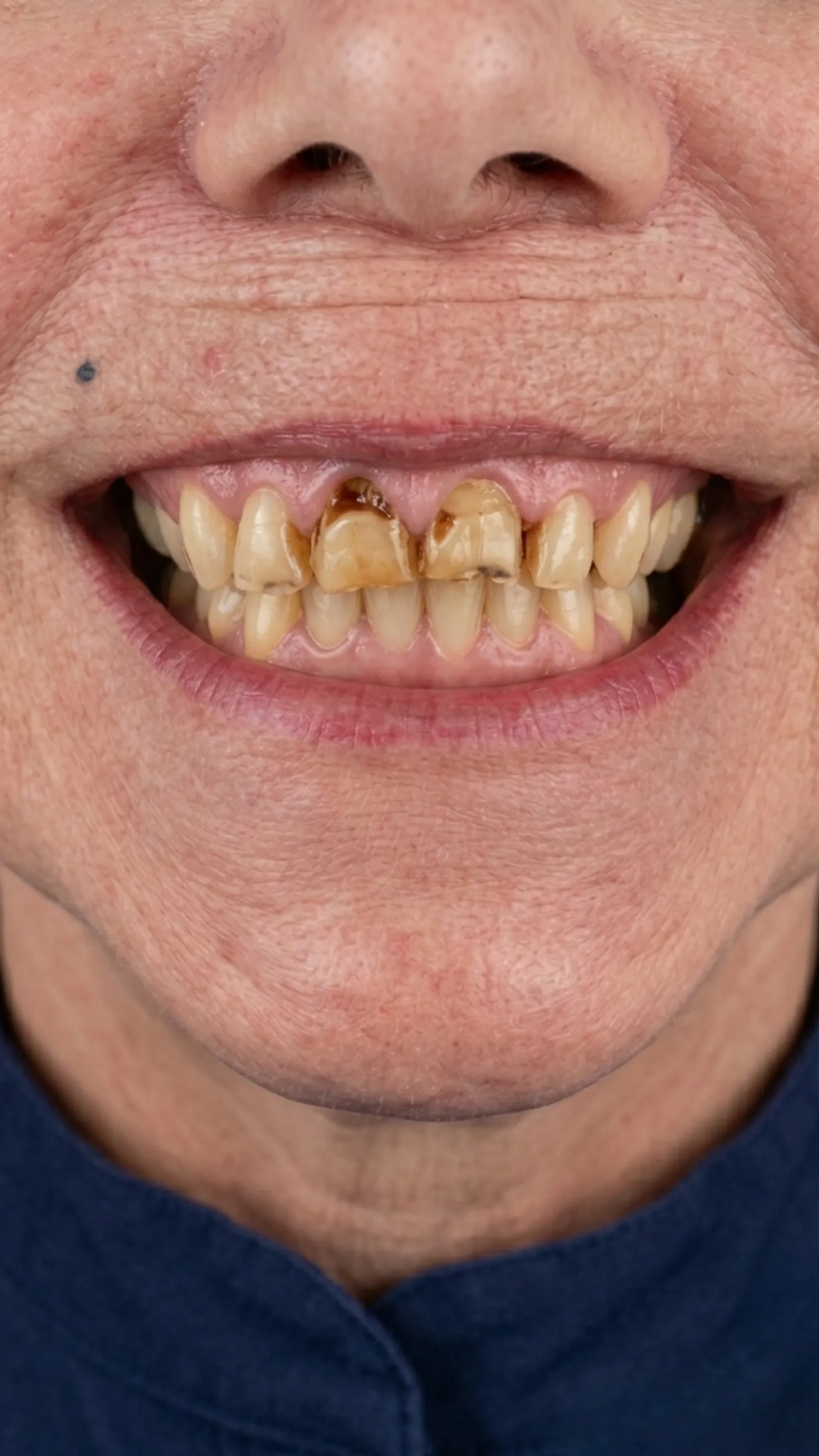
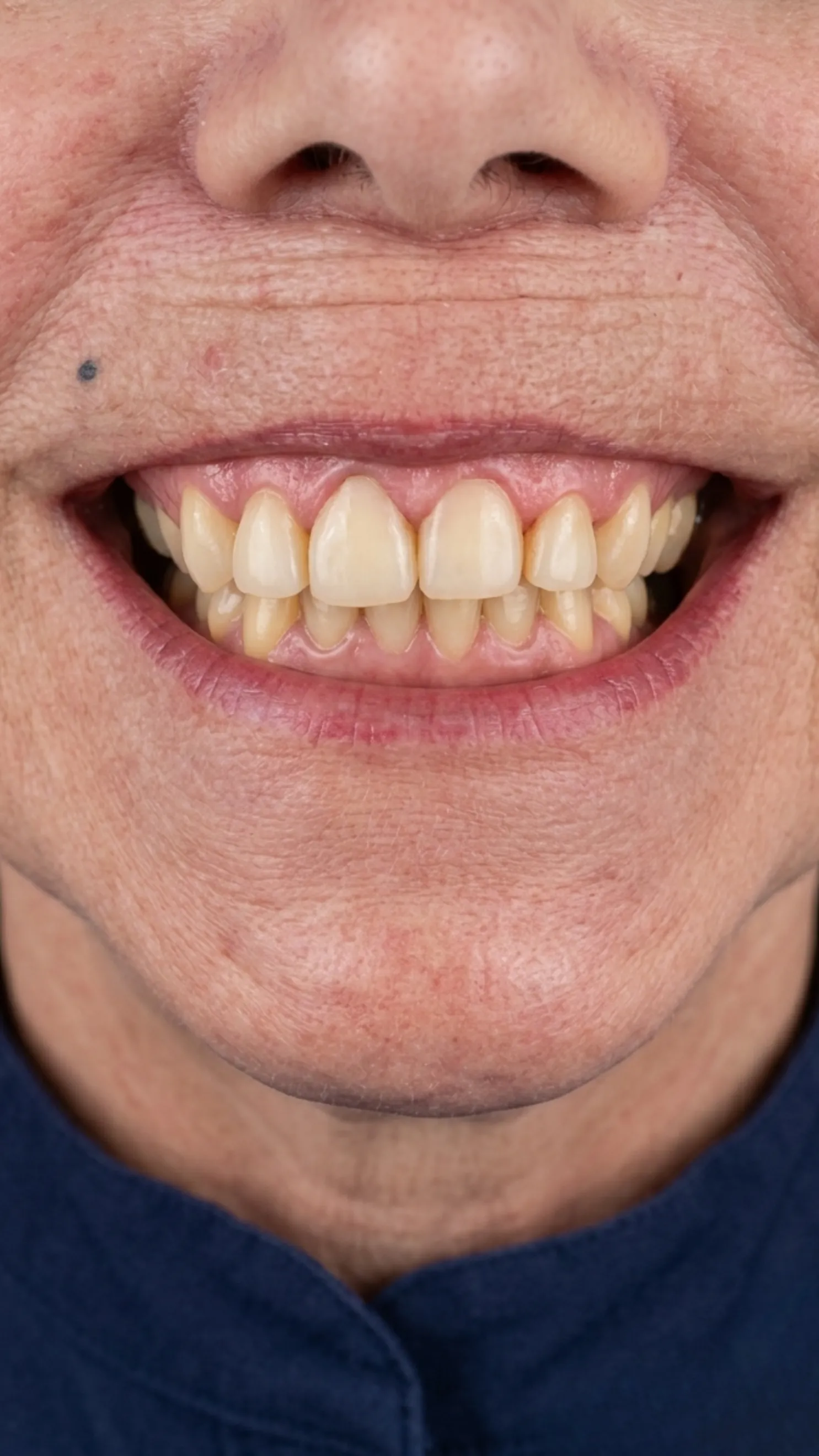
Before and After


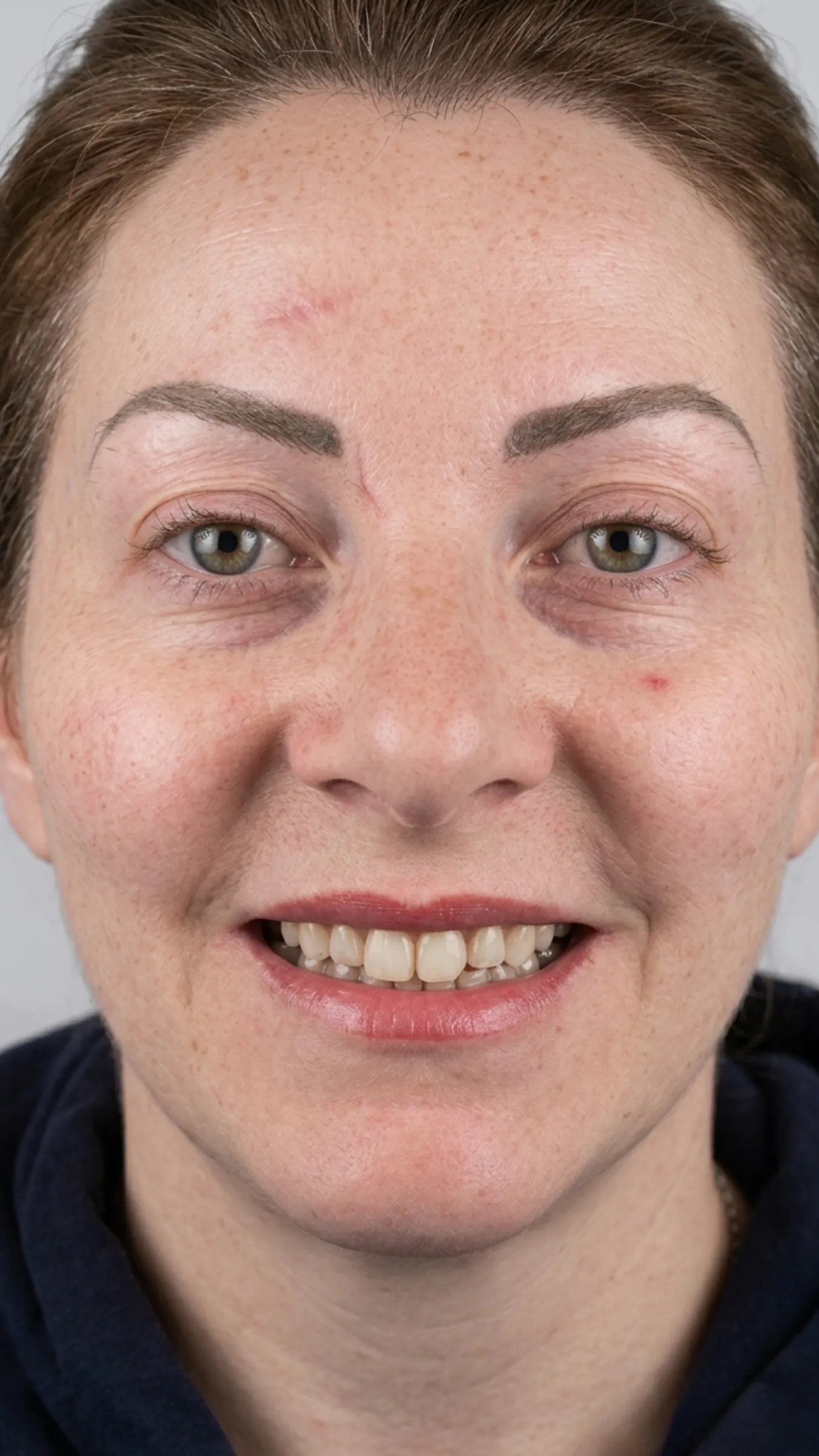
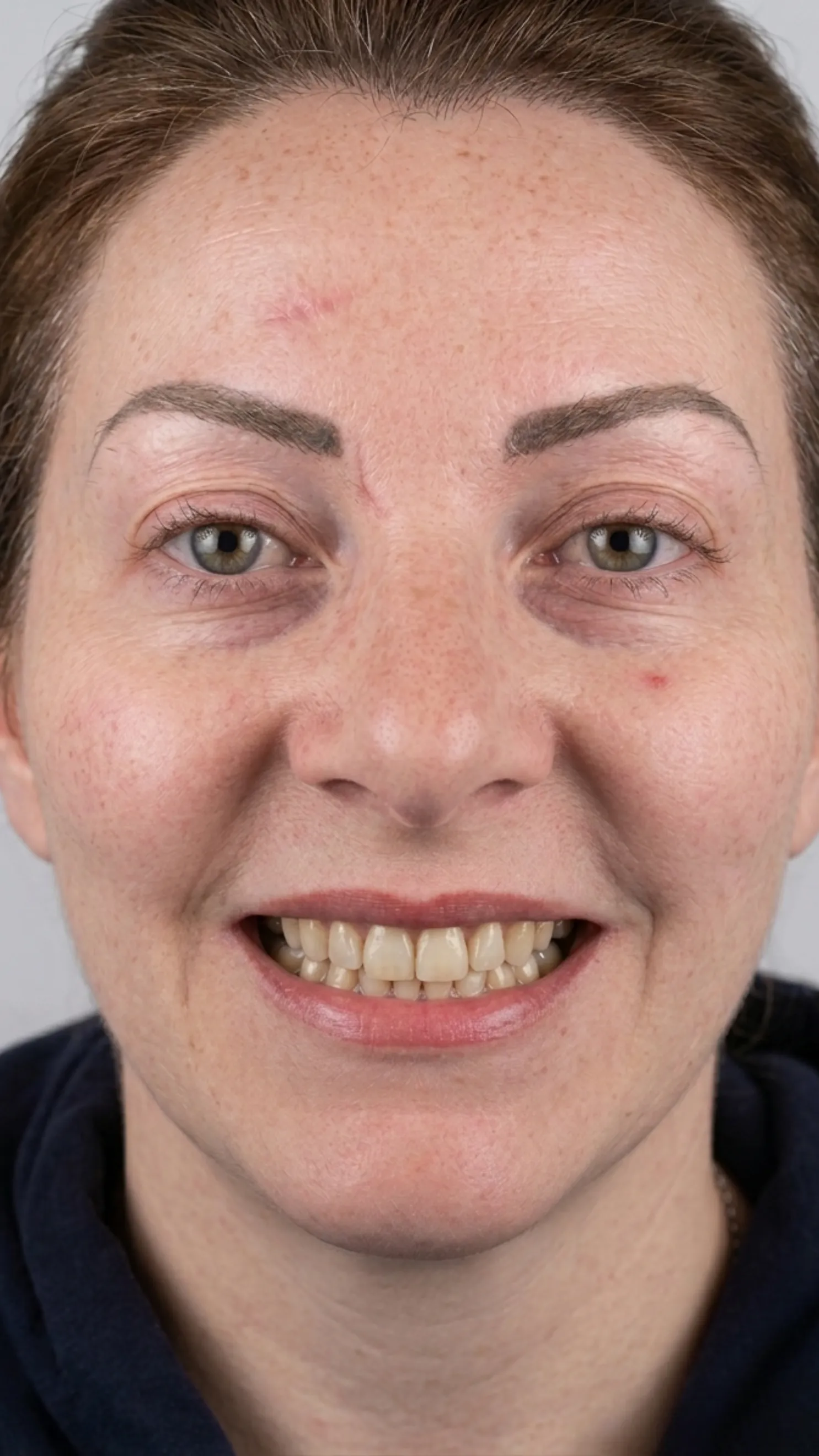
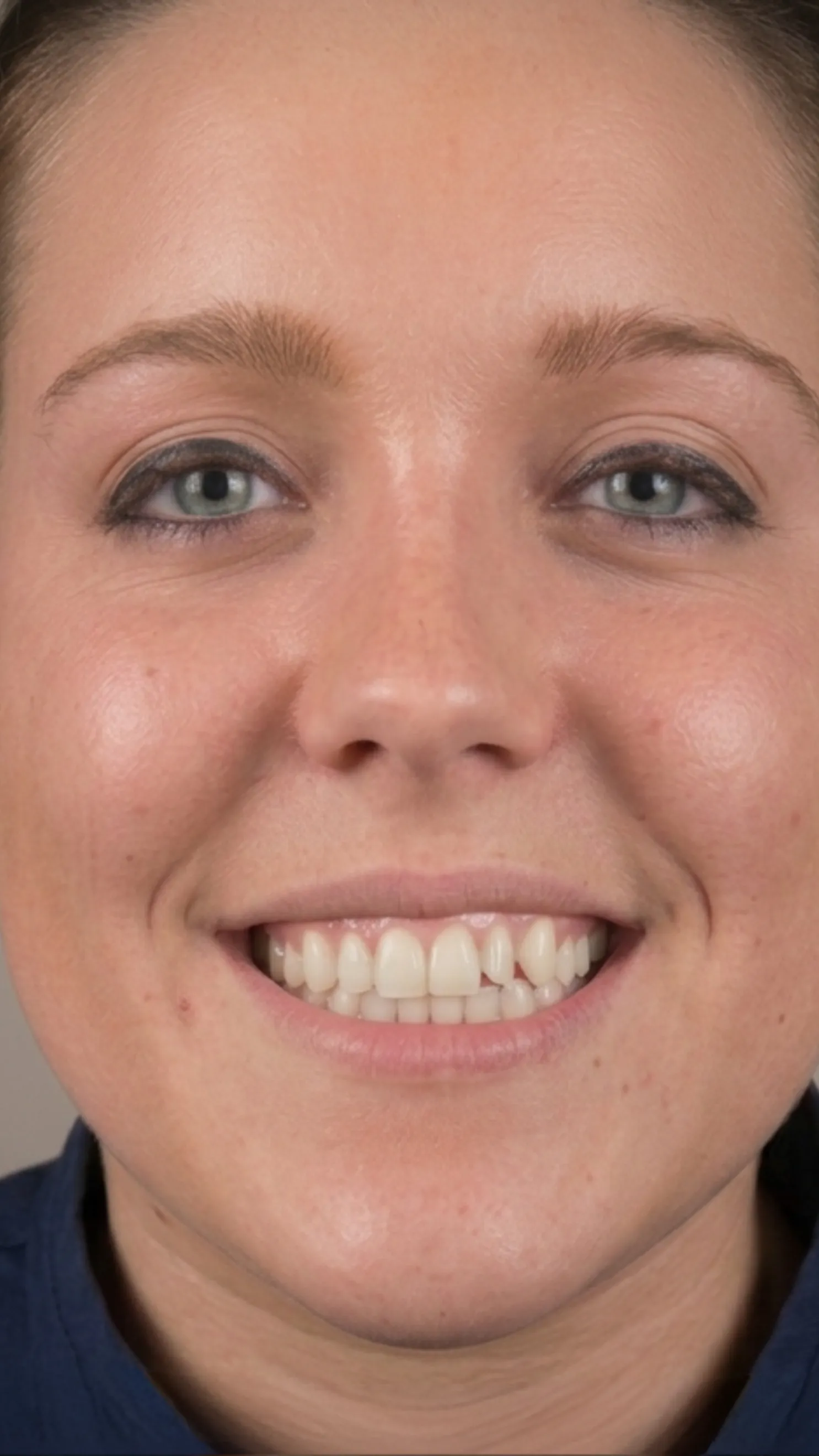
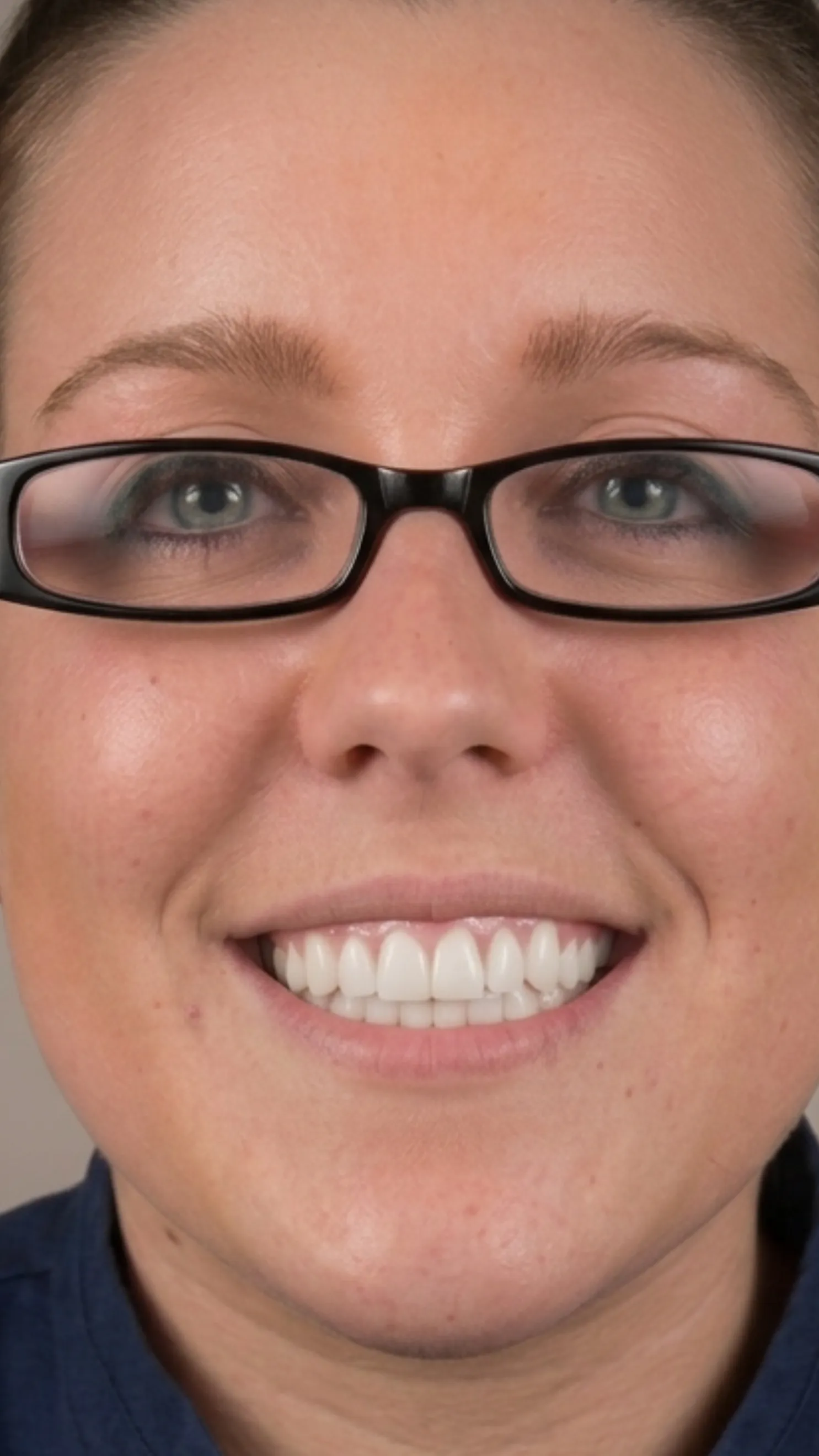
Our happy patients,
in their own words
Transparent pricing
Prices are set out below. Your written plan confirms the fee before any treatment begins.
| Treatment | Per Tooth |
|---|---|
| Edge bonding (simple) | £175 |
| Composite bonding | £175 simple · £350 complex |
| Composite veneers | £350–£500 |
| Porcelain veneers | £750–£1,050 |
| Emax veneers | £1,050–£1,500 |
| Consultation | £65 |
0% APR finance over 12 months via Tabeo, subject to status.
Questions
people ask
If your question isn't answered here, call reception on 020 8127 4567 or email reception.
What is dental bonding?
Dental bonding is a cosmetic treatment in which tooth-coloured composite resin is attached to the surface of a tooth with an adhesive, then sculpted, hardened with a curing light and polished. It is used to repair chips, close small gaps, reshape edges and cover discolouration. It is usually done in one visit with little or no drilling.
How much does teeth bonding cost?
At Dental & Wellness London, teeth bonding is £175 per tooth for simple work, including edge bonding, and £350 per tooth for complex work. Composite veneers, which cover the whole front of the tooth, are £350–£500 per tooth. The consultation is £65, and 0% APR finance over 12 months via Tabeo is available, subject to status.
Is teeth bonding the same as composite bonding?
Composite bonding is one form of teeth bonding. "Teeth bonding" is the umbrella term covering edge bonding, composite bonding and composite veneers, which all use the same resin and adhesive technique but cover different amounts of the tooth. Our composite bonding page covers the most common form in detail.
How long does teeth bonding take?
A single tooth usually takes under an hour, including shade matching, layering and polishing. Several teeth are treated in one longer appointment, often two to three hours for six front teeth. Most patients need no anaesthetic. Before that, a 30-minute consultation confirms whether bonding suits you and whether hygiene or whitening should come first.
Can bonding fix a chipped front tooth?
Yes. Bonding is usually the simplest way to repair a chipped front tooth, rebuilding the missing piece in matched composite in a single visit. If chips keep happening, we look for grinding or a bite problem first, because bonding under heavy force can chip again. Large or painful chips need a clinical assessment before any cosmetic repair.
Is teeth bonding reversible?
In most cases, yes. Bonding is added to the enamel rather than replacing it, and usually needs little or no drilling, so it can normally be polished away later. That is one of its main advantages over porcelain veneers, which usually need some enamel preparation. We explain clearly beforehand if your case needs any shaping of the tooth.
Where can I get teeth bonding in Islington?
Our clinic is at 222 Essex Road, Islington, London N1 3AP, two minutes from Essex Road station and on the 38, 56, 73, 341 and 476 bus routes. Appointments are Monday to Friday, 8am to 7pm (Tuesday from 9am). Local patients can find more on our composite bonding Islington page.
Send three Photos - get an honest answer with in a day.
Free Smile AssessmentBook a teeth bonding consultation
A 30-minute consultation with Dr Vishal Patel, £65, tells you whether bonding suits your teeth. Call 020 8127 4567.
Contact US