What is composite bonding? — a clinical definition
Composite bonding is the dental procedure of attaching tooth-coloured resin — a soft, putty-like material made from a blend of plastic polymers and microscopic ceramic particles — directly onto natural teeth to change their shape, edge, surface or colour. The resin is hand-sculpted by the dentist while the patient is in the chair, hardened with a curing light, then polished to match the optical character of natural enamel. The procedure is typically completed in a single visit per tooth, requires minimal removal of natural tooth structure, and is reversible in most cases.
The technique is sometimes called "dental bonding," "edge bonding" (when only biting edges are treated), or "composite veneers" (when the full visible front of teeth is restored). The underlying material and bonding chemistry are the same; what changes is the area treated and the dentist's design intent.
The reason the technique has become the most-asked-about cosmetic dental procedure of the last five years is structural: the appearance change is significant, the natural tooth underneath is largely preserved, and the cost sits well below porcelain alternatives. How we plan and price it at the clinic is set out on our composite bonding treatment page.
How does composite bonding actually work? — the procedure step by step
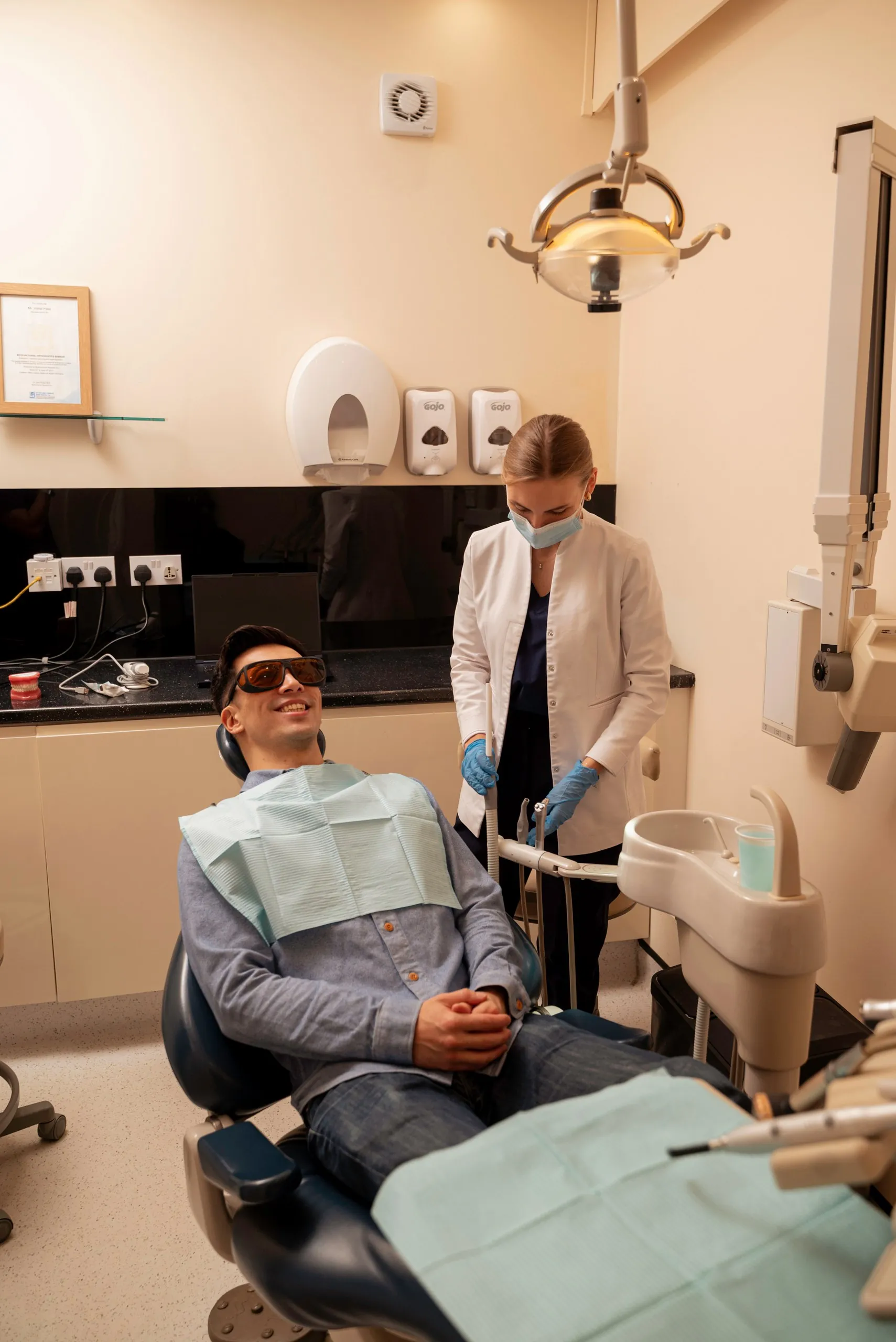
Step 1 — Clean and prepare the surface. The tooth is cleaned of plaque and surface staining. No drilling is needed in most cases.
Step 2 — Etch and bond. A mild acid gel is applied to the enamel for around 20-30 seconds, creating a microscopically rough surface the bonding agent can grip. A thin layer of bonding resin is painted on and cured with UV light.
Step 3 — Apply and sculpt the composite. Tooth-coloured resin, selected from a shade range matching your natural enamel, is placed onto the prepared surface and hand-sculpted into the planned shape by eye.
Step 4 — Cure with the light. Each layer of resin is hardened with a high-intensity blue light for 20-40 seconds, built in multiple layers for complex shapes.
Step 5 — Refine the shape. Fine burs and polishing strips perfect the contour, contact with neighbouring teeth, and the bite.
Step 6 — Polish to a natural lustre. A graduated polishing sequence gives the composite the same light-reflecting character as natural enamel.
A single-tooth case takes 30-60 minutes; six teeth take a half-day. Considered, conservative, never rushed. Our guide to the composite bonding process describes each stage in more detail.
What does composite bonding fix?
Chipped or fractured teeth; worn edges from grinding or aging; small gaps between teeth (diastema) narrower than 2-3mm; discoloured or stained teeth that don't whiten well; irregular tooth shape or position; old, discoloured fillings; receding gums exposing root surfaces; conservative reshaping after teeth whitening.
What it does not fix: significant tooth crowding (orthodontics), heavily broken teeth needing full-coverage strength (crowns), missing teeth (implants or bridges), or foundation problems like gum disease, decay, or significant bite issues that need addressing first. The cosmetic work fits the dental foundation; it does not replace it. Where a tooth needs that strength, see crowns in Islington.
Composite bonding vs porcelain veneers
FactorComposite bondingPorcelain veneersVisitsSingle visit per toothTwo visitsTooth preparationMinimal, often no drillingLight drilling (0.3-0.7mm)ReversibilityReversible in most casesIrreversibleCost per tooth (UK 2026)£175-£350£750+Longevity5-7 years before refinement10-15+ yearsStain resistanceLower, needs maintenanceHigher, glass-likeBest forConservative cosmetic change, chip repairLong-term transformation, heavily damaged teeth
Where the cosmetic change is achievable conservatively, composite is the right starting point. Where porcelain's optical depth and longevity matter, and the patient is committed to cost and irreversibility, porcelain is appropriate. Many patients start with composite and move to porcelain years later; few do the reverse.
Is composite bonding right for you? — candidacy
1. Healthy underlying teeth — no active decay or failed fillings under the area. 2. Healthy gums — periodontal disease addressed first. 3. No significant bite issues — severe bruxism or open bite need addressing first. 4. No untreated alignment issues — significant crowding may need Invisalign aligner treatment first; moving a tooth is almost always more conservative than disguising its position. 5. Realistic expectations — composite doesn't replace orthodontics or porcelain. 6. Commitment to maintenance — regular hygiene and occasional polishing. 7. Smoking and staining considerations — heavy smokers and coffee/wine drinkers should know composite stains faster than enamel. 8. No allergies to bonding materials — extremely rare but worth flagging.
Where any of these isn't met, we say so — the most common outcome is bonding sequenced after another step, not refused.

How long does composite bonding last?
The published clinical evidence and our own ten-year practice experience converge on 5-7 years before refinement in well-maintained cases. "10-year composite bonding" is misleading because what's measured usually includes one or two repolishing visits along the way.
Refinement means the composite is repolished, chipped or stained edges recontoured, and where wear is significant, a thin layer of new composite added — a 30-minute visit, not a full re-do.
What shortens lifespan: bruxism, nail-biting and pen-chewing, heavy red wine/coffee/smoking, and irregular hygiene appointments. What extends it: a night guard for grinders, sensible diet, twice-yearly hygiene visits, and an annual polish.
How much does composite bonding cost in the UK?
Simple edge bonding from £175 per tooth — small chips, minor edge restoration, single-tooth repairs. More complex cases from £350 per tooth — full-face composite, significant shape change, gap closure, multiple-tooth transformation. Full smile cases (6-10 teeth) are quoted as a package at consultation.
The consultation is £65 — clinical examination, photographs, bite assessment, the conversation about your goals, and the plan. No obligation to proceed.
The pros and cons of composite bonding
The honest case for it: conservative, no drilling and no permanent reshaping in most cases; reversible; one visit per tooth; significantly cheaper than porcelain (one-fifth to one-third the per-tooth cost); easily adjusted in a 30-minute visit; excellent aesthetic outcome in skilled hands.
The honest case against: lower stain resistance than porcelain; shorter lifespan (5-7 years vs 10-plus); more technique-sensitive — the result depends heavily on the dentist's craft; not suitable for heavily damaged teeth needing porcelain or a crown.
What does composite bonding look like?
Per GDC guidance, we don't publish identifiable patient before-and-after images on educational pages. Composite bonding done well looks like a tooth, not like dentistry — slightly translucent at the edge, slightly more opaque at the body, a subtle horizontal texture, colour transition graded from gum to biting edge, polished but not glassy.
What it should not look like: uniform white across all front teeth, visibly thicker edges, or a brightness that doesn't match the rest of the mouth or face. Good cosmetic dentistry — composite or porcelain — is invisible. Our guide to composite bonding results sets out what to realistically expect.
Aftercare — making your bonding last
1. Hygiene visits every six months — the single biggest predictor of longevity. 2. Twice-daily brushing with non-abrasive toothpaste — avoid charcoal toothpastes. 3. Floss or interdental brushes daily. 4. Avoid hard biting habits — no nail-biting, pen-chewing, or opening packaging with teeth. 5. Limit staining drinks — use a straw, rinse with water after. 6. Smoking accelerates staining. 7. Night guard if you grind. 8. Annual polish appointment. 9. Report chips promptly — a small chip caught early is a 15-minute repair. 10. Refinement every 5-7 years — part of the cost of ownership, not an unexpected setback.
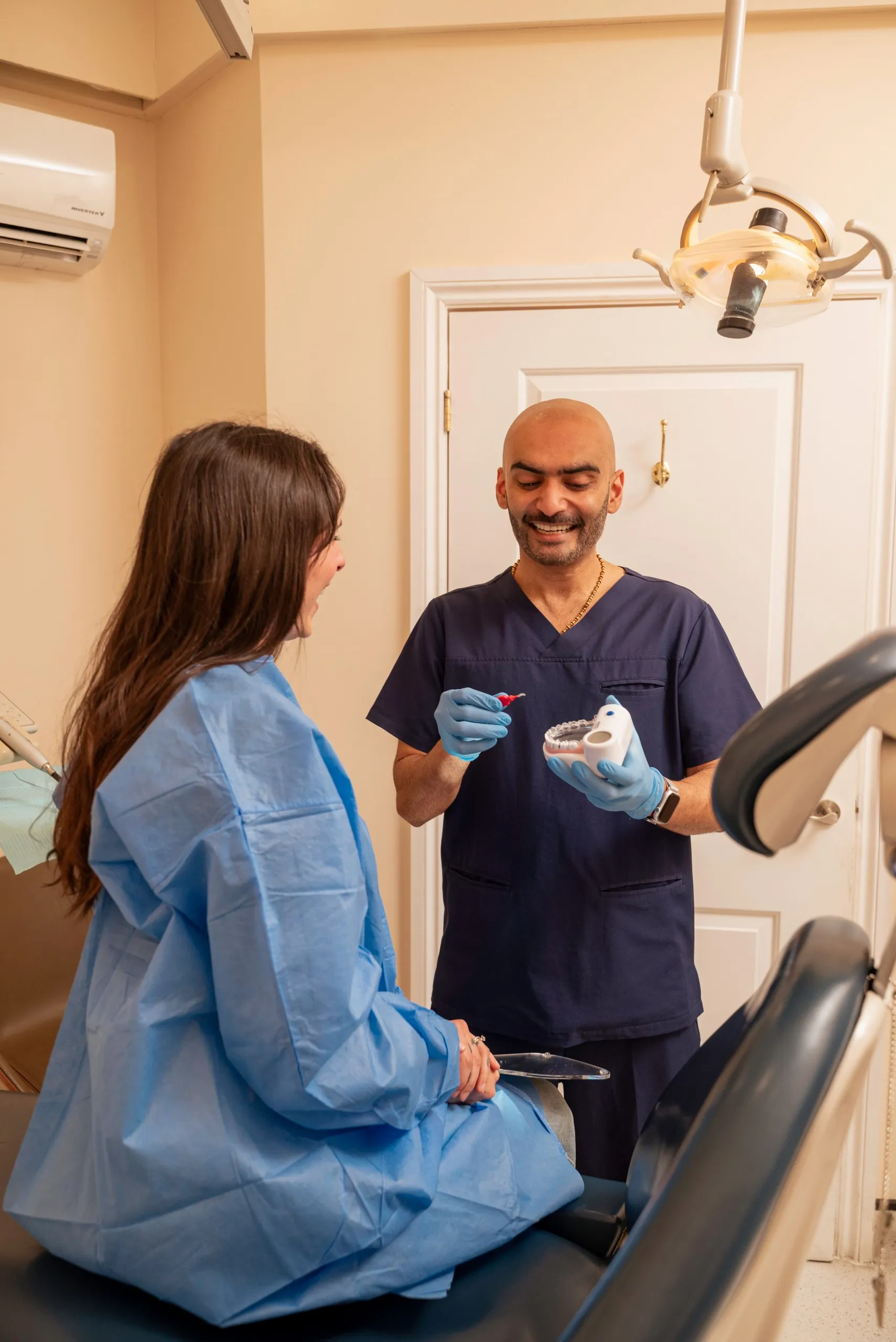
Composite bonding at Dental & Wellness London
Composite bonding is planned by a clinician with a Manchester MSc in Aesthetic & Restorative Dentistry. Cases are designed against the long-term smile view — the foundation the smile rests on, not the photograph optimised for the day of treatment. Where orthodontic work would deliver a better result, we say so at consultation rather than disguise position with material.
Book a composite bonding consultation: Call 020 8127 4567, WhatsApp +44 7974 910222, or visit 222 Essex Road, Islington N1 3AP. Mon-Fri 8am-7pm (Tue from 9am) by appointment. 4.7★ from 300+ Google reviews. 15,000+ cases since 2006.
FAQs
What is composite bonding made of?
A blend of plastic resin polymers (the matrix) and microscopic ceramic or glass particles (the filler). The filler proportion gives modern composite its strength, polishability and stain resistance.
Is composite bonding the same as a filling?
The material is the same; the purpose differs. A filling restores tooth structure lost to decay; bonding changes the cosmetic appearance of a healthy tooth.
Does composite bonding damage your teeth?
No. In most cases it requires no drilling and no permanent reshaping — the bonding chemistry attaches to the enamel surface without removing tooth structure.
Does composite bonding hurt?
No, generally painless and rarely needs anaesthetic since no drilling is needed in most cases.
How long does each tooth take to bond?
30-60 minutes depending on complexity; a full smile case of 8-10 teeth is delivered across one to three appointments.
Can composite bonding fix gaps between teeth?
Yes, for gaps narrower than 2-3mm. Larger gaps usually need Invisalign first to bring teeth closer, then composite to finish.
Can composite bonding fix crooked teeth?
For minor irregularity, yes. For significant crowding, no — moving the tooth orthodontically is the right answer.
Can composite bonding be whitened?
No. If you plan to whiten, whiten first, then bond to match the new shade.
Is composite bonding permanent?
No procedure called "permanent" is realistic in dentistry. It lasts 5-7 years before refinement and is reversible in most cases.
How much does it cost at DWL?
From £175 per tooth for simple edge bonding, £350 per tooth for more complex cases. Full-smile packages quoted at consultation.
What's the difference between composite bonding and composite veneers?
The same material and technique. "Composite veneers" usually means covering the full front surface; "composite bonding" also includes edge bonding, gap closure, and chip repair.
Can I get composite bonding on the NHS?
Purely cosmetic composite bonding is not available on the NHS. Where composite restores tooth structure lost to decay or trauma, this may be available on NHS treatment.