What this page covers
This page is for UK consumers researching whitening toothpaste — the supermarket-shelf and pharmacy products marketed as making your teeth whiter. It explains what these products can actually do (mostly surface stain removal), what they can't do (change the underlying colour of your teeth), what to look for in the ingredient list, what to avoid, and where the limit of toothpaste-led whitening sits in the broader category of whitening options, including professional teeth whitening at our Islington clinic.
There is no product affiliation on this page. The framing is what a dentist would tell you if you asked at the practice — clinical reality, not marketing.
The industry-myth opening
The phrase "whitening toothpaste" implies a category of product that lightens tooth colour. The clinical reality is that no toothpaste does this. What whitening toothpaste actually does is: remove surface staining, polish the enamel surface, deposit compounds that fill micro-pores and reduce stain accumulation, or in some formulations mildly bleach the surface stain with low-concentration peroxide.
A patient whose underlying tooth colour is naturally B2 or A2 will look slightly whiter after weeks of good use because surface stains are removed. They won't look A1 or BL2 — that's a different category of treatment entirely.
How whitening toothpaste actually works
Mechanical abrasion (mostly old technology). Older toothpastes relied on higher abrasive content to scrub surface stains off enamel. Works for surface stains but can harm enamel with long-term aggressive use. Check RDA (Relative Dentin Abrasion); anything above ~150 is best avoided daily.
Low-concentration hydrogen peroxide. Some products contain peroxide at 0.1-1.5%, well below the 6% threshold requiring dental dispensing in the UK. Effect is real but modest. Sensodyne True White uses this approach.
Hydroxyapatite. The mineral that makes up enamel naturally. Deposits into micro-pores, filling damage and reducing future staining. Strong clinical literature supports it as one of the most effective non-bleach mechanisms. Brands: Boka, Apagard.
PAP (Phthalimidoperoxycaproic acid). A newer compound, effective and well-tolerated without peroxide's sensitivity issues.
Optical brighteners. Blue covarine-type compounds reflect blue light for an immediate but transient cosmetic effect — not real whitening.
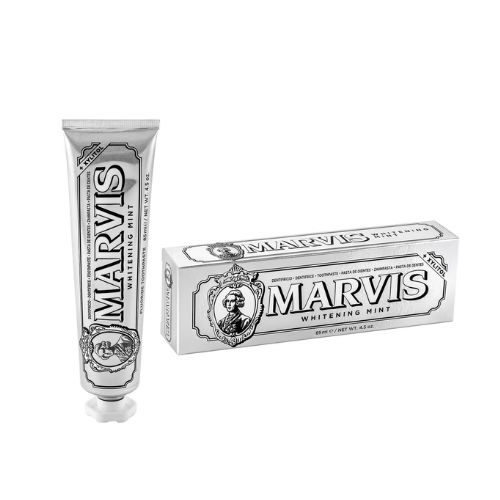
The honest charcoal toothpaste discussion
The marketing claim is that charcoal absorbs stains. The clinical reality: charcoal is highly abrasive, wears enamel faster than appropriate, exposes underlying dentin (naturally yellower), and over time can produce teeth that look worse. It is also poorly studied. Major dental bodies recommend avoiding it for daily use.
Best whitening toothpaste by category
Sensitive teeth wanting whitening: Sensodyne True White or Pronamel Intensive Enamel Repair.
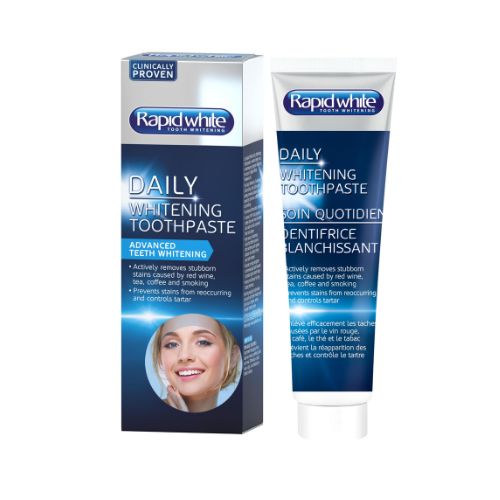
Established staining, no sensitivity: combination peroxide-and-hydroxyapatite products, RDA around 100-130.
Daily maintenance: pure hydroxyapatite toothpaste (Boka, Apagard) — gradual, cumulative effect over 6-8 weeks.
After professional whitening: hydroxyapatite or low-peroxide formulations to maintain; avoid abrasive-heavy products and charcoal.
Avoid for daily use: charcoal toothpastes, products with RDA above 150, "natural" formulations relying on baking soda or lemon (acidic and abrasive).
The honest limit — what toothpaste can never do
- Lighten the underlying tooth colour
- Address intrinsic discolouration (antibiotic staining, age-related darkening, trauma)
- Match professional whitening's result
- Produce dramatic change for naturally darker teeth
If the concern is genuinely underlying tooth colour rather than surface stain, the answer isn't a better toothpaste — it's professional whitening, composite bonding, veneers, or a combination.
When to consider professional whitening instead
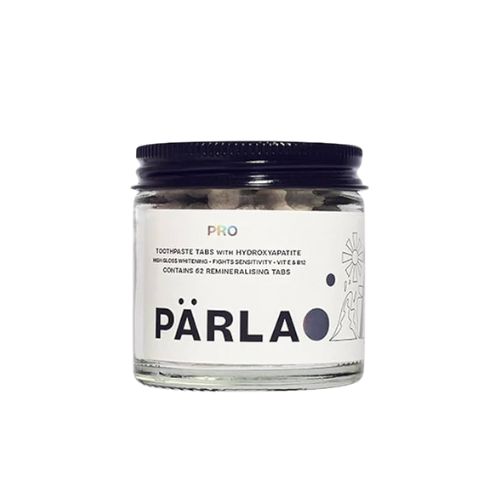
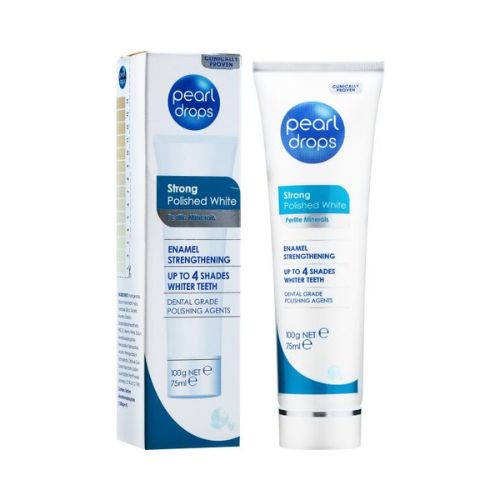
If quality whitening toothpaste used consistently for 8-12 weeks hasn't given the wanted result, that's the toothpaste-category limit. Professional whitening uses 6-16% hydrogen peroxide under controlled clinical conditions, giving genuine change of 3-8 shades. UK law requires this to be administered by a registered dentist or under dentist prescription and supervision.
How to use whitening toothpaste effectively
Consistency — 8-12 weeks of twice-daily use. Technique — 2 minutes minimum, gentle pressure, don't rinse aggressively, let the film sit briefly. Stain management — moderate coffee, tea, red wine exposure between brushings.
Safety considerations
Generally safe for adults with healthy teeth. Watch for: temporary tooth sensitivity (switch formulations if persistent), enamel wear from high-RDA or charcoal products, gum irritation from specific ingredients. Not generally recommended for children under 12. Fine in pregnancy, though basic oral health takes priority over cosmetic optimisation.
Frequently asked questions
Which whitening toothpaste is best for sensitive teeth? Sensodyne True White, combining low-percentage peroxide with potassium nitrate.
How long does it take to work? Visible change typically needs 8-12 weeks of consistent use.
Are charcoal toothpastes safe? Major dental bodies recommend avoiding them for daily long-term use — more abrasive, can wear enamel.
Will it replace professional whitening? No — different categories of treatment for different concerns.
Does it damage enamel? Not if used as directed; check the RDA value and avoid anything above 150.
If you're considering professional whitening
Professional whitening is only provided after a dental examination (£65) confirms a fit, clean and healthy mouth. Call 020 8127 4567 or WhatsApp +44 7974 910222. Dental & Wellness London · 222 Essex Road, Islington, London N1 3AP.
Reviewed by Dr Vishal Patel · BDS Liverpool · MSc Aesthetic & Restorative Dentistry (Manchester) · GDC 103127 · AACD Member. Last reviewed 2026-06-05.