Plinest in London: what the product is, and why the brand matters less than you think
Reviewed By
Dr Vishal Patel
BDS Liverpool · MSc Aesthetic & Restorative Dentistry Manchester · GDC 103127 · AACD Member · Invisalign Diamond II Provider · IFAAS (International Fellowship in Advanced Aesthetic Science) · Facial anatomy & cadaver course, Dr Ali Pirayesh, University of Amsterdam · Harley Academy foundation training in injectable aesthetics · IBSA-trained (Profhilo) · NeoStrata-trained (skin peels) · Lynton Lasers trained, incl. ONDA
Last Updated
October 1, 2026
A dentist-injector's honest explainer for patients researching a name they keep seeing
Plinest is a polynucleotide injectable made from purified DNA fragments that signal skin to repair, hydrate and rebuild collagen. It is prescribed after a consultation. A course is usually three sessions. At Dental & Wellness London, Islington, polynucleotide treatment is from £250 per session, prescribed and administered by Dr Vishal Patel.
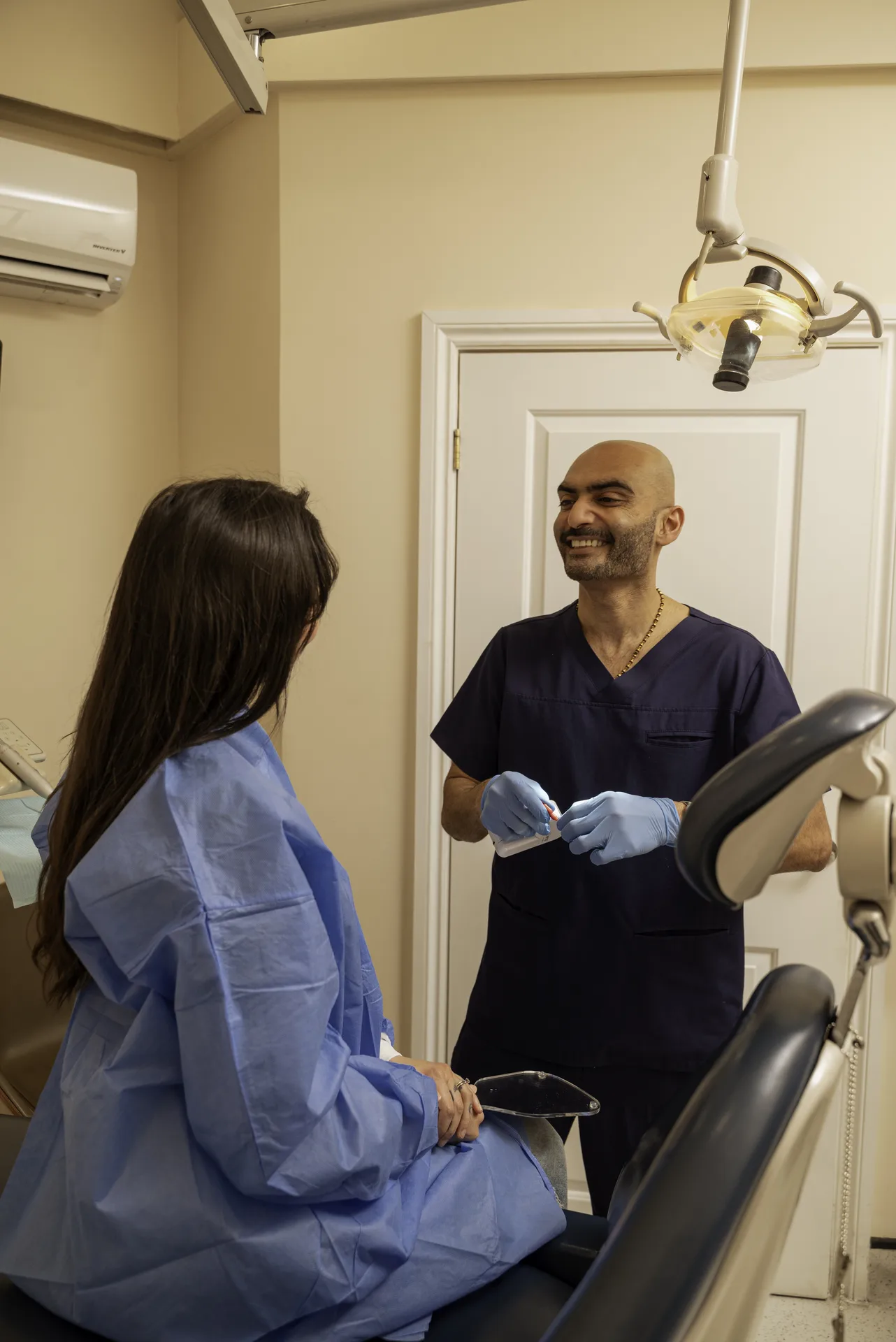
- Italian-made polynucleotide injectable
- For thin, crepey skin and under-eyes
- Usually 3 sessions, then maintenance
- Not a filler; no added volume
- From £250 per session
Plinest at our Islington clinic
What Plinest is
Plinest is an Italian-made polynucleotide injectable: purified DNA fragments that signal the skin to repair, hydrate and rebuild collagen. It is one of several polynucleotide brands, and the brand matters less than the assessment and the injector. In the UK, polynucleotides are prescribed after a face-to-face consultation.
Plinest is made by Mastelli, an Italian laboratory with a long history in polynucleotide research, and comes in more than one formulation for different depths and areas, including a gentler preparation often used around the eyes. The polynucleotides are derived from fish and purified so that they are well tolerated by human tissue.
What the product does is what the category does. Polynucleotides are not a filler and not a muscle-relaxing treatment. Injected into the skin, they hydrate the tissue, calm low-grade inflammation through an antioxidant effect and encourage fibroblasts, the cells that make collagen and elastin, to become more active. The result is a gradual improvement in skin quality over weeks: better texture, better resilience and a less tired look. Nothing is lifted, frozen or volumised. If a clinic offers Plinest as a substitute for filler, it is the wrong conversation. Our main polynucleotides page explains the category in full.
The question behind the search
If you have searched for Plinest in London, you have probably already met the marketing: a clinic’s social media, a magazine round-up, a friend’s recommendation. Plinest is a respected product in a genuinely interesting category. But the brand name is the least important part of the decision you are about to make. What matters is whether polynucleotide treatment suits your skin at all, which protocol fits your particular concern, and who is holding the needle near some of the most delicate anatomy on the face. A clinic that leads with the brand and skips those questions has the order backwards.
Because Plinest is prescription-only in the UK, treatment legally begins with a clinical assessment by a prescriber. That is not a technicality; it is a patient-safety step, and it is why we steer every enquiry towards a consultation in Islington rather than a booking button for a named product.
Who it suits
- Thin, crepey or tired skin
- Under-eye crepiness and fine lines
- Neck and décolletage
- Dull, sensitised or sun-affected skin that needs repair rather than more product
- Not with a fish allergy, in pregnancy or with active skin infection
Polynucleotides are poor value where the concern is volume loss, deep static lines or pigment. Those call for different treatments, and we will say so. Steering someone away from a treatment they have already researched is one of the most common things we do in consultation, and we regard it as part of the service.
Why "which brand" is the wrong first question
People often arrive asking us to compare brands the way they would compare phones. The framework we use in consultation runs in a different order, and the brand comes last.
Is a regenerative signal what your skin needs?
Polynucleotides earn their place when the problem is skin quality: crepey texture, thin under-eye skin, dullness, early sun damage. If the main issue is lost volume or muscle movement, a different treatment will serve you better. Polynucleotides are also used on the scalp; see polynucleotides for hair loss.
Which area, which depth, which protocol?
The under-eye behaves differently from the neck, and the neck differently from the backs of the hands. Each area has its own depth, its own session rhythm and its own honest ceiling on what can be achieved. The consultation maps this to your starting point rather than reciting a protocol sheet.
Only then: which preparation?
Once the first two questions are answered, choosing the product is a clinical matching exercise: formulation to tissue depth, gentler preparations for the eye area, more robust ones elsewhere. Plinest is one of the options we may select; there are others in the same class. Sunekos, which pairs hyaluronic acid with amino acids, is a related booster. Because we are not wedded to one brand, the selection serves the face in front of us. The aim is always natural, balanced results that age well, never a treated look.
The under-eye, and why the injector matters more than the ampoule
The most searched use of Plinest is the under-eye. The skin there is the thinnest on the face. It shows fatigue first and responds well to a repair signal, but it sits over vessels that punish imprecision. If you take one thing from this page, take this: when you shop for a polynucleotide brand, you are really choosing the person who will inject it. Ask any clinic how they would manage a complication around the eye; the answer tells you more than any brochure. Our guide to polynucleotides for the under-eye covers suitability and limits in detail.
What to expect
A course is usually three sessions a few weeks apart, then maintenance once or twice a year. Small bumps settle in a day or two. Prescribed and administered by Dr Vishal Patel, BDS, MSc Aesthetic & Restorative Dentistry, GDC 103127, the clinic’s sole aesthetic prescriber.
On the day
After numbing cream, a series of very fine injections places the product at the planned depth. Expect small raised blebs at the injection points for a day or two, occasionally a small bruise, and skin that looks slightly flushed for a day. Most people return to normal life straight away, with the usual cautions: no make-up over the injection points for a day, and no saunas, hot rooms or hard exercise for forty-eight hours.
Results
Visible change follows the biology, not the appointment calendar. Hydration shows within a fortnight; the collagen response builds from around week four and is usually at its best two to three months after the course ends. Older or more sun-damaged skin sometimes benefits from an extra session. The improvement typically holds for six to twelve months, depending on age, sun exposure and skin condition, which is why maintenance is usually once or twice a year. Results vary, and we review you against the baseline photographs taken at consultation rather than judging by a mirror at week one.
Safety
Polynucleotides are generally well tolerated, and the most common effects are short-lived bumps, mild swelling and occasional bruising. The material is derived from fish, so a fish allergy must be raised at consultation. We do not treat in pregnancy or breastfeeding, over active skin infection, or where your medical history suggests another approach. Where a skin concern needs medical treatment, we will suggest you see your GP or a dermatologist.
Plinest cost in London
Skin boosters, including Plinest and other polynucleotides, start from £250 per session at our Islington clinic. As a standard course is three sessions, the honest comparison between clinics is the cost of the whole course, not a single appointment. A per-session price well below the market usually means less product or a compressed protocol. Your written plan sets out the sessions, review points and total before you commit, and nothing is added at the desk.
A skin and aesthetic consultation is £65 and is redeemable in full against treatment. Anyone quoting a fixed price for a prescription-only treatment before a prescriber has assessed you is getting ahead of themselves; the consultation is where the treatment decision is made.
Plinest, Profhilo and other skin boosters
Most people researching Plinest are also reading about Profhilo and other skin boosters. Profhilo is a stabilised hyaluronic acid treatment that gives deep hydration and a subtle tightening effect; it is £350 a session or £625 for the two-session protocol. Polynucleotides act as a repair signal and are often the better choice for thin, fragile, sensitised or under-eye skin. The two overlap but are not interchangeable, and some skin does best with one followed by the other. Our polynucleotides vs Profhilo comparison sets out the differences in more detail. We also offer other skin boosters, such as Sunekos, Volite and Restylane Skinboosters, and will explain at consultation why we would choose one over another for your skin.
Why have it with us
Our facial aesthetics are delivered from a dental surgical foundation. Dr Vishal Patel has around twenty years in dentistry and ten years in facial aesthetics, and his working life is spent around the blood vessels, nerves and muscles of the face. That anatomical fluency, not a product logo, is what makes a proportionate, safe treatment possible. He holds an MSc in Aesthetic & Restorative Dentistry from the University of Manchester and is a member of the American Academy of Cosmetic Dentistry. He assesses, prescribes and treats you himself.
His training includes the International Fellowship in Advanced Aesthetic Science, a facial anatomy and cadaver course with Dr Ali Pirayesh at the University of Amsterdam, Harley Academy, and IBSA training. More detail is on Dr Patel’s profile.
The clinic is at 222 Essex Road, Islington, London N1 3AP, two minutes from Essex Road station on the Great Northern line, and on the 38, 56, 73, 341 and 476 bus routes. It is a short ride from Angel, Highbury, Canonbury, Hackney and Stoke Newington. Many patients cycle or use a Lime or Forest e-bike; Dalston is about ten minutes by bike. We have been in N1 since 2009, are rated 4.7 stars from more than 300 Google reviews, and see patients Monday to Friday, 8am to 7pm, by appointment.
Clinically reviewed by Dr Vishal Patel · BDS · MSc Aesthetic & Restorative Dentistry · GDC 103127. Last reviewed 1 October 2026.
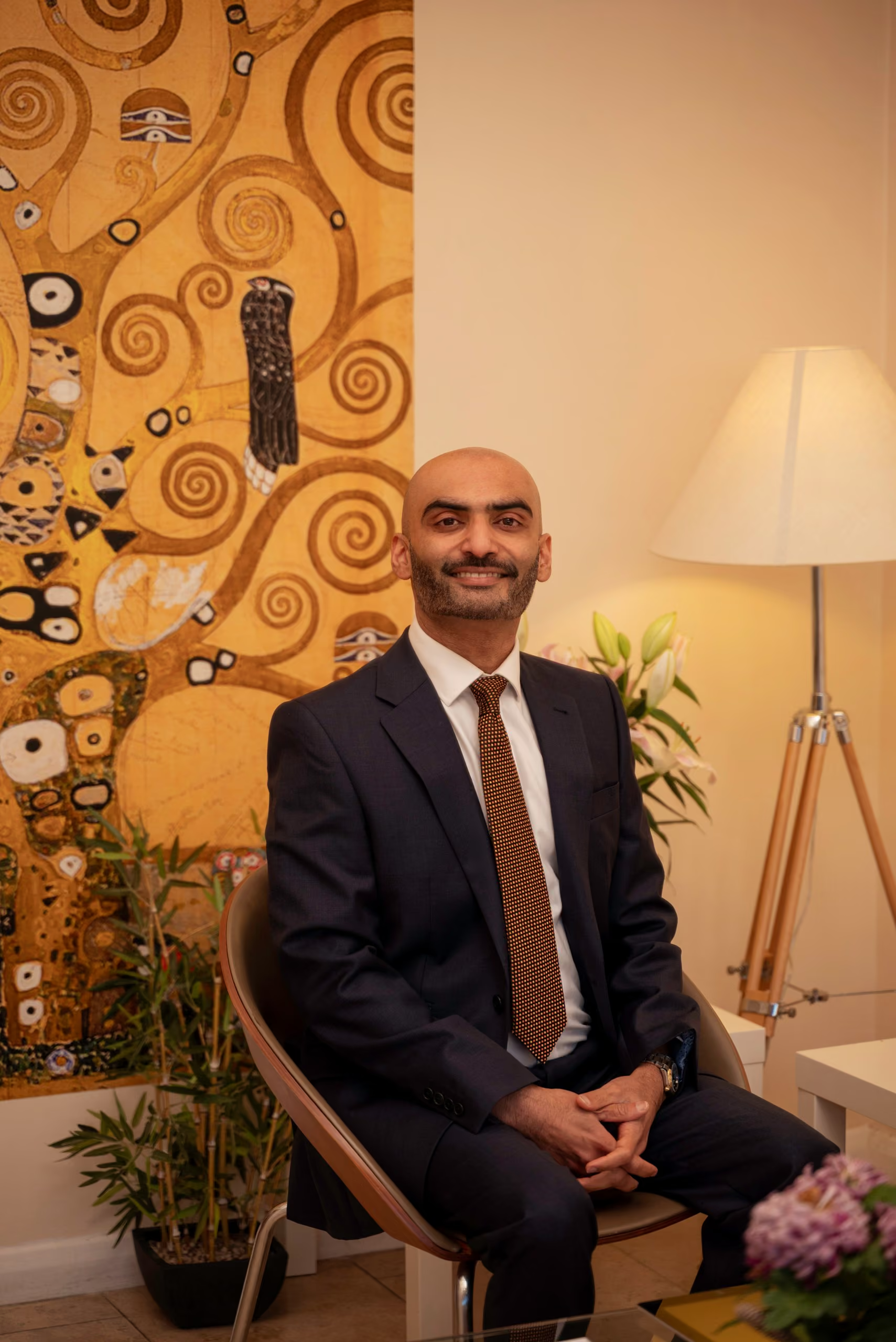
Dr Vishal Patel
Clinical lead · Sole aesthetic prescriber · 10 years in facial aesthetics
BDS Liverpool · MSc Aesthetic & Restorative Dentistry (Manchester) · GDC 103127 · International Fellowship in Advanced Aesthetic Science (IFAAS) · Facial anatomy and cadaver course with Dr Ali Pirayesh, University of Amsterdam · Harley Academy · IBSA and NeoStrata trained
We will tell you when a treatment is not the right answer. That honesty is part of the treatment.
Read Dr Patel’s profile →If you are still weighing up your options, our overview of skin boosters brings them together in one place. For a single-session hyaluronic acid booster, see Volite.
Mastelli polynucleotide
Three-question framework
Where judgement matters most
Ask any clinic how they'd manage a vascular complication near the eye — the quality of the answer says more than any product brochure.

Repair, assessed first.
Consultation — £65
A skin assessment with an honest view of what will help. The fee is redeemable in full against treatment.
Course
Usually three sessions, a few weeks apart.
Maintenance
Once or twice a year.
Start with a consultation
- £65, redeemable in full against treatment
- Carried out by Dr Vishal Patel
- A written plan before treatment
Or call 020 8127 4567 · WhatsApp +44 7974 910222
222 Essex Road, Islington N1 3AP · Mon–Fri, 8am–7pm
Our happy patients,
in their own words
Transparent pricing
Prices are set out below. Your written plan confirms the fee before any treatment begins.
Clear prices, set out before you start.
Redeemable in full against treatment
Per session
Included
- Assessment by Dr Patel
- A written plan
Quoted separately
- Maintenance, priced per session
Questions
people ask
If your question isn't answered here, call reception on 020 8127 4567 or email reception.
What is Plinest made from?
Purified polynucleotides, DNA fragments sourced from fish, processed and sterilised for medical use.
Is Plinest a filler?
No. It improves skin quality over a course and adds no volume.
How many Plinest sessions will I need?
Usually three, a few weeks apart, then maintenance once or twice a year.
Why can’t I just book Plinest online?
Because it is prescribed after a face-to-face assessment.
Is there downtime after Plinest?
Minimal: small bumps for a day or two and occasional bruising.
How much does Plinest cost?
At Dental & Wellness London, Islington, polynucleotide treatment is from £250 per session.