Polynucleotides for hair loss: what they can do, what they can't, and who they actually suit
Reviewed By
Dr Vishal Patel
BDS Liverpool · MSc Aesthetic & Restorative Dentistry Manchester · GDC 103127 · AACD Member · Invisalign Diamond II Provider · IFAAS (International Fellowship in Advanced Aesthetic Science) · Facial anatomy & cadaver course, Dr Ali Pirayesh, University of Amsterdam · Harley Academy foundation training in injectable aesthetics · IBSA-trained (Profhilo) · NeoStrata-trained (skin peels) · Lynton Lasers trained, incl. ONDA
Last Updated
October 1, 2026
An honest guide to the regenerative scalp treatment — from a clinic that will tell you when it isn't the answer.
Polynucleotides injected into the scalp may support early thinning by improving the environment around active follicles. They cannot regrow hair where follicles have stopped working. Most plans are three to four sessions plus maintenance, alongside medical advice where appropriate. At Dental & Wellness London, Islington, treatment is from £250 per session.
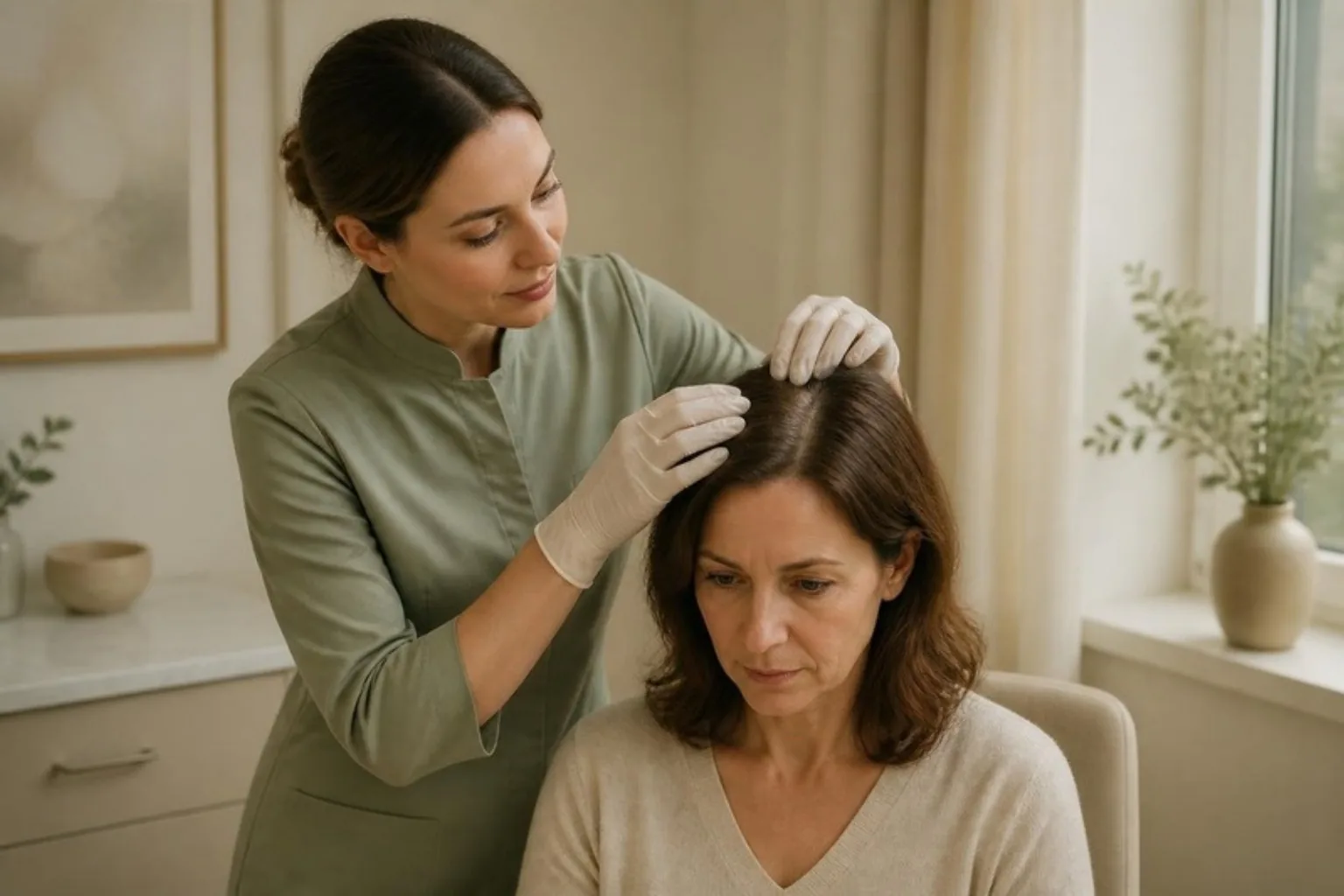
- May support early thinning
- Cannot revive inactive follicles
- Usually 3 to 4 sessions, then maintenance
- Check medical causes with your GP first
- From £250 per session
- Administered by Dr Vishal Patel
Polynucleotides for hair loss
Can polynucleotides help hair loss?
Polynucleotides injected into the scalp aim to improve the environment around thinning follicles, supporting circulation, hydration and repair. They may help early thinning where follicles are still active. They cannot regrow hair where follicles have stopped working, such as long-standing bald patches.
That last sentence is the one much of the hair-loss market leaves out. People losing hair are understandably anxious, and that anxiety has produced a great deal of overselling. So before explaining what polynucleotide scalp treatment can do, we want to be clear about what it cannot: no injectable treatment regrows hair from follicles that have been inactive for years. What polynucleotides can offer sits earlier in the story, in the window where follicles are weakening and producing finer hair but have not yet shut down. Whether you are in that window is the first thing a consultation at our Islington clinic establishes.
What polynucleotides are
Polynucleotides are purified fragments of DNA, usually from salmon or trout, processed so that the body reads them as repair material. Injected into skin, they act as a regenerative signal. Research points to calmer inflammation, improved microcirculation, better hydration and a more supportive environment for the cells that build and maintain tissue.
On the scalp, the same logic applies. A thinning follicle is rarely thinning in isolation; the tissue around it is often less well supplied with blood, more inflamed and drier than it once was. Polynucleotide scalp treatment does not instruct a follicle to grow. It improves the conditions in which the follicle is trying to work. A follicle that is still active may respond to that better environment. One that has gone, leaving smooth, shiny scalp, has nothing left to respond with.
Who it may suit
- Early or diffuse thinning, with fine hairs still present
- Women and men, after the cause of hair loss has been considered
- Alongside medical treatment from your GP or a dermatologist where appropriate
- Not suitable with a fish allergy or active scalp infection
We also avoid treatment during pregnancy or breastfeeding, and certain autoimmune or bleeding conditions are assessed individually.
The three questions that decide whether this is for you
Are the follicles still active?
Look at the area that concerns you. Fine, short, wispy hairs that are thinner than they used to be but still present suggest follicles under strain, and that is where polynucleotides may help. Skin that has been smooth and bare for years suggests the follicles are no longer working. In that situation the honest options are a referral to discuss surgical hair restoration, or acceptance, and we will say so rather than charge for a course that cannot work.
What is driving the hair loss?
Hair thins for many reasons: pattern hair loss, shedding after illness, stress or weight change, thyroid problems or iron deficiency, autoimmune conditions such as alopecia areata, traction from years of tight styling, and hormonal change around the menopause. These have different treatments and different limits. Polynucleotides are an environment treatment, not a hormone treatment and not a treatment for autoimmune disease. Some of these causes belong with your GP, a dermatologist or a trichologist before anyone treats your scalp, and if your history suggests an undiagnosed cause, our first step is to refer you.
What does success look like?
Where follicles are still active and the cause is suitable, a realistic outcome is less shedding, better-quality hair from the follicles you still have and, over months, some improvement in density in the treated area. A realistic outcome is not a restored teenage hairline. Results vary, and we do not promise a fixed result.
What to expect
Usually three to four sessions, a few weeks apart, with maintenance. Any improvement is gradual and is assessed with photographs over several months. Hair loss can have medical causes, such as thyroid problems or iron deficiency, so we recommend checking with your GP first. Prescribed and administered by Dr Vishal Patel, BDS, MSc Aesthetic & Restorative Dentistry, GDC 103127, the clinic’s sole aesthetic prescriber.
Assessment first
We start with a scalp examination, a hair-loss history, a review of your health and any medicines, and baseline photographs. If the picture suggests a medical cause, that is addressed first, usually with your GP or a specialist.
The course
Sessions are typically spaced two to four weeks apart. After numbing cream, a series of small, shallow injections is placed across the thinning area. Sessions are short and most people return to their day straight away, avoiding strenuous exercise, saunas and hair products on the injection points for 24 to 48 hours.
The timeline
Nothing dramatic happens in the first weeks, by design. Hair grows in slow cycles, and the fair point to judge the result is three to four months after the course, against the baseline photographs rather than memory. Reduced shedding tends to be noticed first, with improvements in thickness following. Maintenance roughly every six months is a reasonable expectation if the result is worth keeping.
Hair thinning in women
Female-pattern thinning and hair change around the menopause are among the more common reasons people ask us about polynucleotide scalp treatment. Thinning in women is often diffuse, showing as a widening parting or less volume at the crown rather than a receding hairline. The cause-finding step matters even more here, because iron, thyroid and hormonal factors are frequent and treatable, and we would want those checked by your GP before or alongside any scalp treatment.
Products, named once
Polynucleotide preparations used in UK clinics include scalp-specific formulations in the Plinest range. We name this for your own research rather than as a menu: product choice is a clinical decision made at consultation, matched to your scalp. For facial skin quality, Sunekos is a different type of injectable treatment.
Polynucleotides alongside medical treatment
Established, licensed medical treatments exist for pattern hair loss, and for many people those, prescribed and monitored by a GP or dermatologist, are the right first conversation. Polynucleotides can sit alongside such treatment as support for the scalp environment; they are not a replacement for it. If the conventional route is likely to serve you better, we will tell you.
Polynucleotides vs PRP for hair
PRP, platelet-rich plasma, uses growth factors concentrated from your own blood; polynucleotides use purified DNA fragments as a repair signal. Both aim at the same target, a healthier environment for the follicle, by different routes. PRP has the longer track record in hair specifically. Polynucleotides bring anti-inflammatory and hydrating effects and need no blood draw. Neither revives inactive follicles, and the right choice depends on your scalp, the cause of your hair loss and your preferences, which is a decision for consultation.
Polynucleotides for hair loss cost in Islington
Polynucleotide treatment at Dental & Wellness London is from £250 per session, and scalp treatment is planned as a course of three to four sessions. Because the course rather than the visit is the honest budgeting unit, you receive the full cost in writing, with sessions, review point and what is included, before anything is booked. A skin and aesthetic consultation is £65, redeemable in full against treatment.
When comparing prices elsewhere, a much lower per-session figure can mean a partial dose, so compare across a full course. Be cautious of any clinic quoting a course total before examining your scalp.
Why have it with us
We will be honest about whether your hair loss is likely to respond. The clinic is at 222 Essex Road, Islington, London N1 3AP, two minutes from Essex Road station and a short ride from Angel, Highbury, Canonbury, Hackney and Stoke Newington. Many patients cycle or use a Lime or Forest e-bike.
Dr Vishal Patel has around twenty years in dentistry and ten years in facial aesthetics. He holds a BDS from Liverpool and an MSc in Aesthetic & Restorative Dentistry from Manchester, is an AACD member, and his training includes the International Fellowship in Advanced Aesthetic Science, a facial anatomy and cadaver course with Dr Ali Pirayesh at the University of Amsterdam, and Harley Academy. Dentists work daily around vital facial structures, and that knowledge of blood vessels, nerves and muscle extends naturally across the head and scalp, where the blood supply is continuous with the face.
Hair also frames the face. The temples, hairline and parting sit in direct relationship with brow position and forehead proportion, so we plan scalp treatment as part of the whole face rather than as an isolated patch of skin. Because we are an integrative clinic, our nutritional therapy practitioner can support the wider picture where it is relevant, alongside rather than instead of your GP. We see patients Monday to Friday, 8am to 7pm, by appointment.
Clinically reviewed by Dr Vishal Patel · BDS · MSc Aesthetic & Restorative Dentistry · GDC 103127. Last reviewed 1 October 2026.
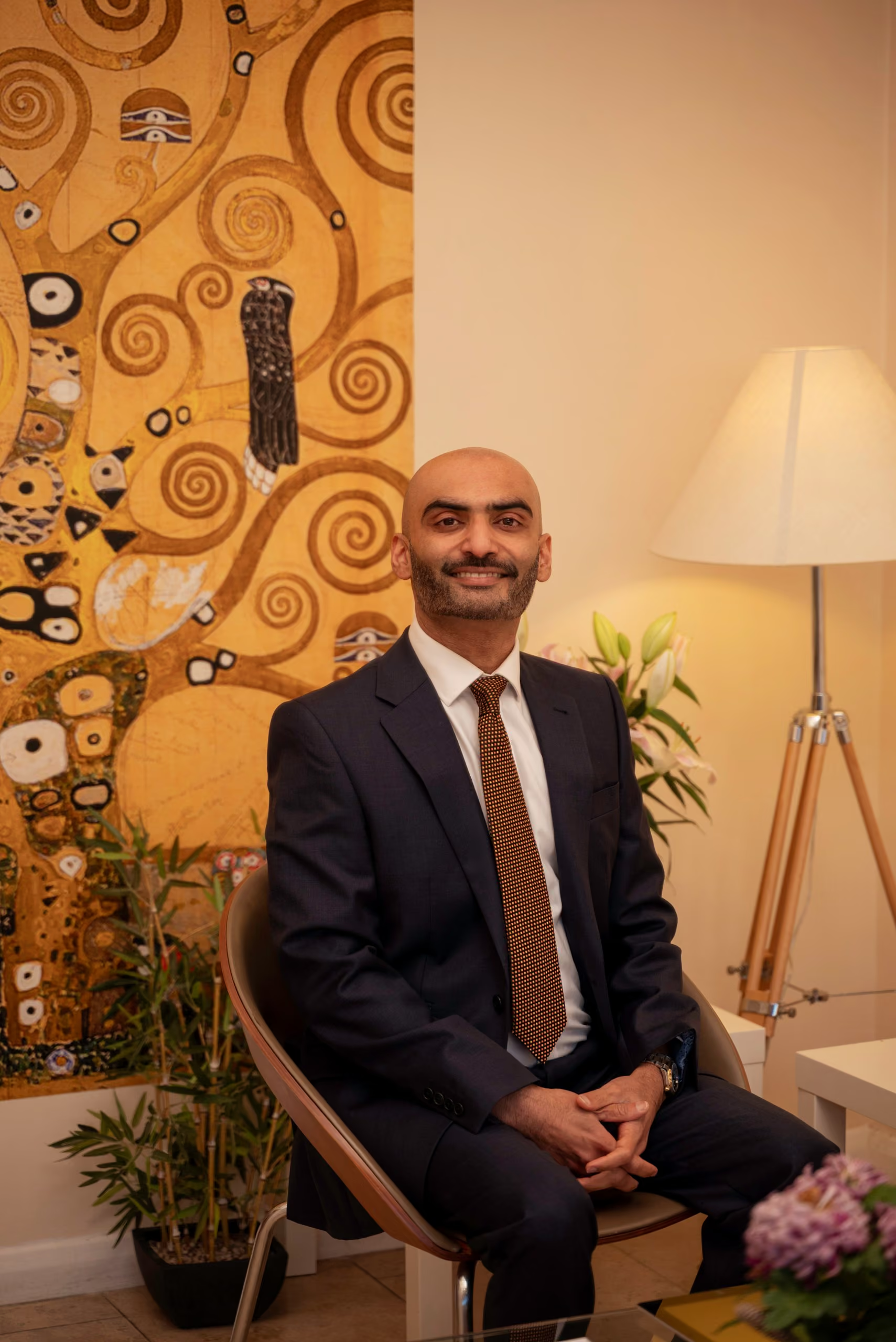
Dr Vishal Patel
Clinical lead · Sole aesthetic prescriber · 10 years in facial aesthetics
BDS Liverpool · MSc Aesthetic & Restorative Dentistry (Manchester) · GDC 103127 · International Fellowship in Advanced Aesthetic Science (IFAAS) · Facial anatomy and cadaver course with Dr Ali Pirayesh, University of Amsterdam · Harley Academy · IBSA and NeoStrata trained
We will tell you when a treatment is not the right answer. That honesty is part of the treatment.
Read Dr Patel’s profile →If you are still weighing up your options, our overview of skin boosters brings them together in one place, including Volite.
Further reading
The Three Questions
Signal and Soil
Anatomical Fluency
Thinning hair can have medical causes worth ruling out first, so we may ask you to see your GP for blood tests before a course begins.
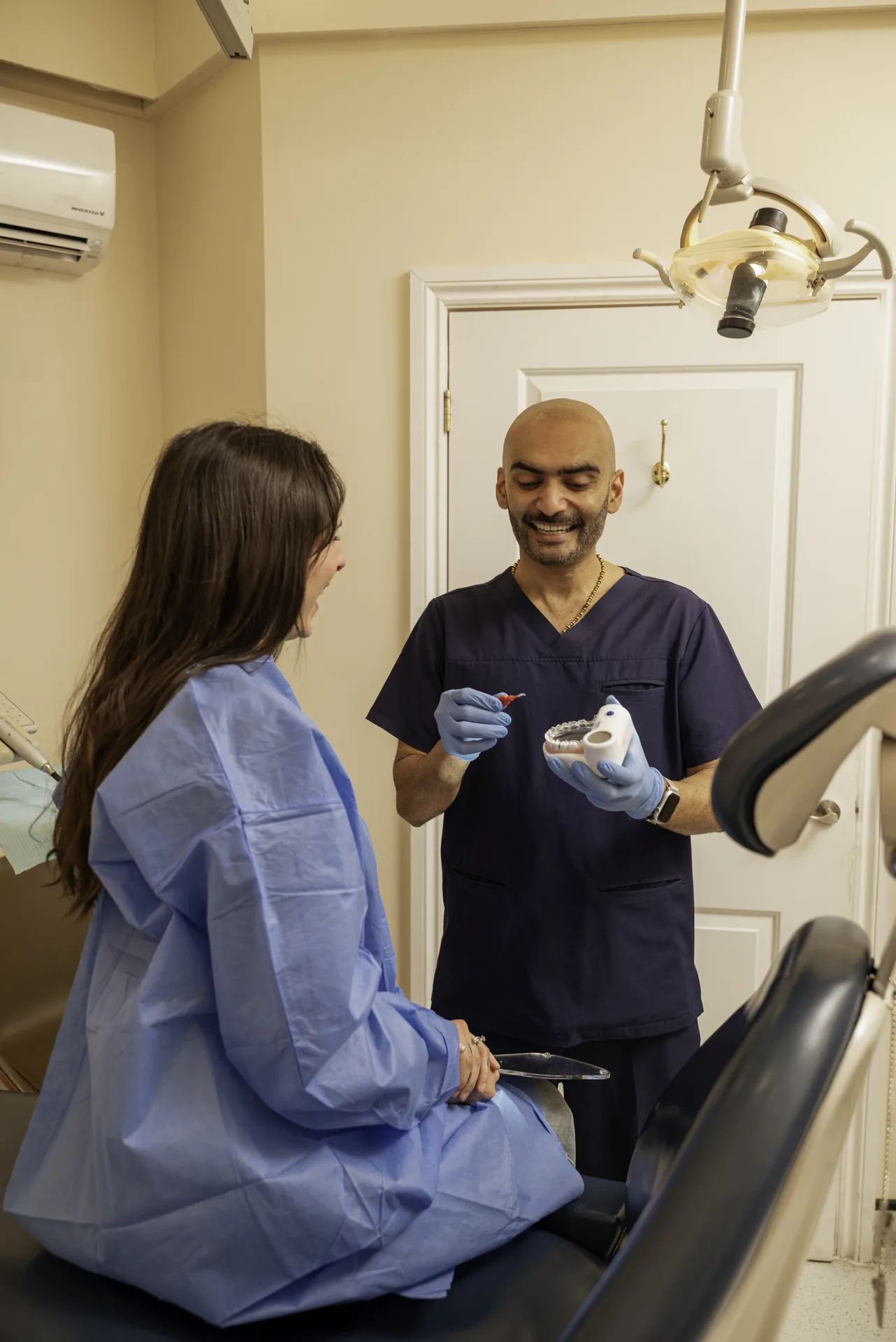
An honest assessment, first.
Consultation — £65
A skin assessment with an honest view of what will help. The fee is redeemable in full against treatment.
Course
Usually three to four sessions, a few weeks apart.
Review
Photographs at intervals to judge progress fairly.
Start with a consultation
- £65, redeemable in full against treatment
- Carried out by Dr Vishal Patel
- A written plan before treatment
Or call 020 8127 4567 · WhatsApp +44 7974 910222
222 Essex Road, Islington N1 3AP · Mon–Fri, 8am–7pm
Our happy patients,
in their own words
Transparent pricing
Prices are set out below. Your written plan confirms the fee before any treatment begins.
Clear prices, set out before you start.
Redeemable in full against treatment
Per session
Included
- Assessment and photographs
- A written plan
Quoted separately
- Maintenance, priced per session
Questions
people ask
If your question isn't answered here, call reception on 020 8127 4567 or email reception.
Do polynucleotides work for hair loss?
They may help early thinning where follicles are still active. Evidence is still developing, and they cannot regrow hair from inactive follicles.
How many sessions do I need?
Usually three to four, a few weeks apart, then maintenance.
Are polynucleotides better than PRP for hair?
They work differently, and evidence for both is still developing. We recommend the option that best suits your hair loss.
Is polynucleotide scalp treatment painful?
Most people find it manageable; we use measures to keep you comfortable.
Can women have polynucleotide scalp treatment?
Yes, after the cause of hair loss has been considered.
Will my hairline grow back?
Not where follicles have stopped working. Polynucleotides may help thinning areas where fine hairs are still present.