



TL;DR
- A dental bone graft restores the jawbone’s strength and structure when weakened by tooth loss, injury, or dental conditions.
- Bone is taken from your body, a donor, or made from synthetic graft material.
- The procedure involves imaging to assess the jawbone, local anaesthesia to numb the area, placement of the graft material in the weakened bone, and closure of the gums with sutures to promote healing.
- Postoperative care includes eating soft foods, applying ice packs, sleeping with the head slightly elevated, and avoiding smoking, alcohol, and strenuous activity.
- Recovery typically takes 3 to 6 months, with regular follow-ups and X-rays to monitor progress.
- Dental bone grafts are highly successful, but smoking and certain health conditions may increase the risk of failure.
- Complications include persistent pain, discharge, gum recession, or no improvement in bone density.
Dental Bone Grafts: An Overview
A healthy smile relies not only on strong teeth but also on a solid jawbone to support them. Over time, however, the jawbone can weaken, shrink, or lose its natural shape, often due to tooth loss, injury, or certain dental conditions. When this happens, a dental bone graft can help restore the bone’s strength and structure. This procedure supports your teeth, prepares the mouth for dental implants, and improves your overall oral health.
In this article, we will explain what a dental bone graft is, how the procedure works, the recovery process, and the many benefits it offers.
What is a Dental Bone Graft?
A dental bone graft is a procedure where a dentist or oral surgeon adds bone material to the jaw. This bone material can come from different sources, as outlined below:
- Autograft: Bone taken from your own body, usually from the mouth or hip
- Allograft: Donated bone from a human donor
- Xenograft: Bone from animals, typically bovine (cow) bone
- Synthetic Graft: Lab-made materials like calcium phosphates or ceramics
The Dental Bone Graft Procedure
Many people worry about surgeries, but a dental bone graft is not as scary as it may sound. It is a safe and well-tolerated procedure when done with a careful approach and modern techniques.
Here’s the step-by-step procedure:
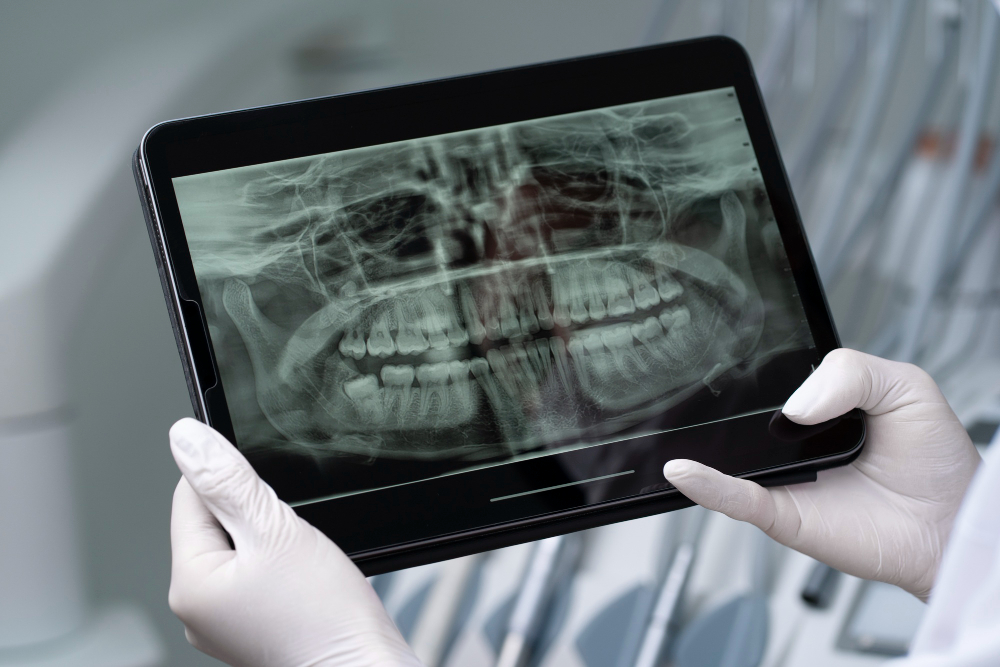
- Preparation: Your dentist will take X-rays or scans to see the condition of your jawbone. Based on the results, they plan where bone material is needed. You may also receive antibiotics to prevent infection.
- Numbing the area: To keep you comfortable, the dentist will use local anaesthesia to numb the area being treated. This means you will not feel any pain during the procedure.
- Placing the graft: The dentist will make a small opening in the gum and place the bone material in the weak area of the jaw. This can be natural bone or a substitute designed to encourage your body to rebuild bone.
- Closing the gum tissue: Once the graft is placed, your dentist will close the gums with stitches.
- Healing begins: Over the next few months, your body will absorb the graft material and naturally strengthen the bone.
Dental Bone Graft Recovery and Care
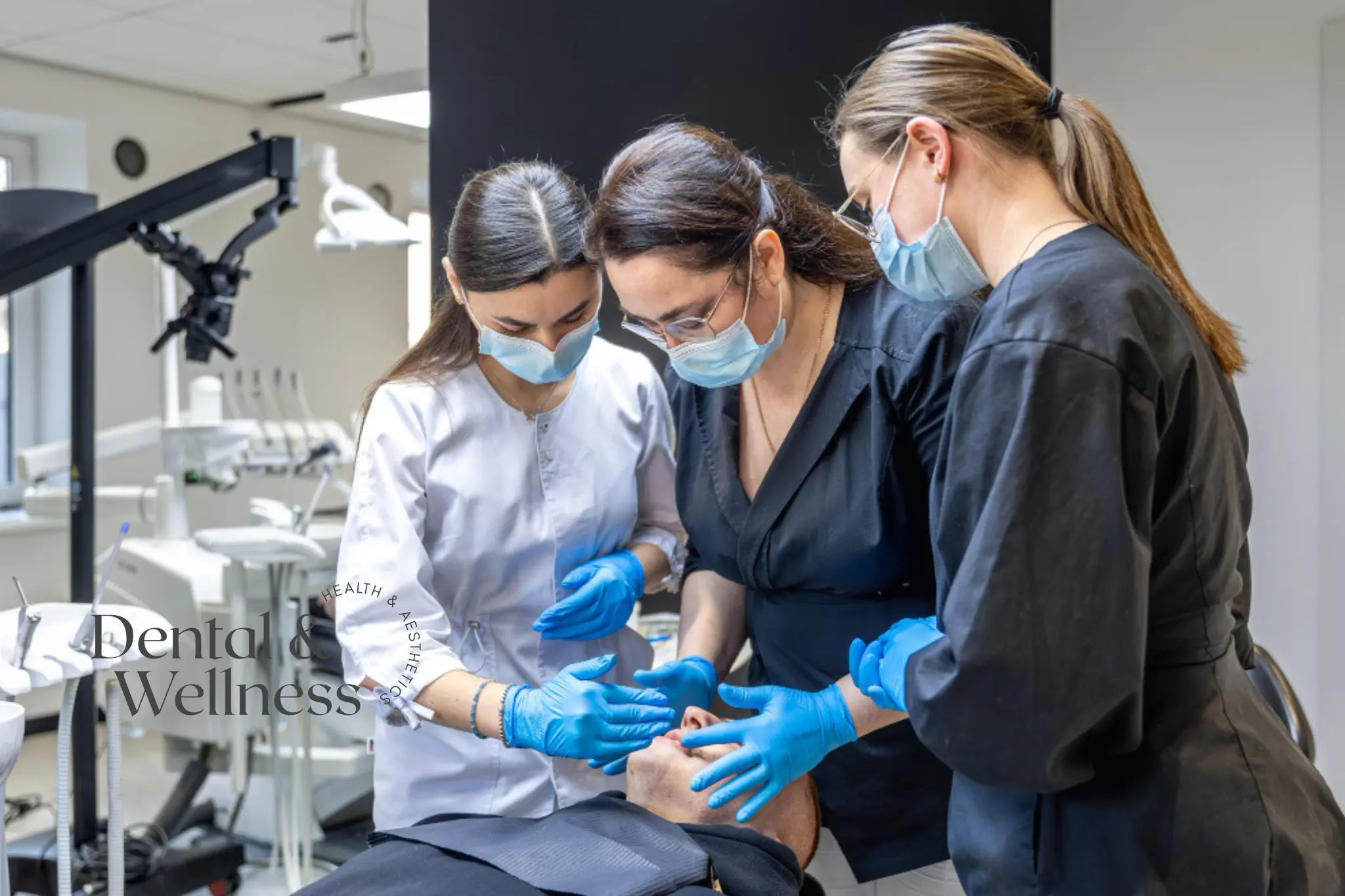
After a dental bone graft, you’ll leave the dentist with gauze at the surgical site. Your dentist will give instructions for changing it, along with antibiotics to prevent infection and pain relievers for discomfort.
Postoperative Care Tips:
Our specialists at Dental & Wellness London advise patients to follow the tips below for a smoother recovery:
- Eat soft foods only, such as yogurt, soups, or mashed foods
- Apply ice packs for the first 1 to 2 days to reduce swelling and pain.
- Sleep with your head slightly elevated to avoid blood pooling.
- Avoid smoking or drinking alcohol
- Avoid hot drinks or crunchy foods that can disturb the graft
- Avoid strenuous activity or contact sports.
Pain and swelling usually begin to improve within the first week, and your jaw should feel closer to normal after 2 to 3 weeks. Most of the initial healing occurs during this period, but it typically takes 3 to 6 months for the bone to fully strengthen and be ready for dental implants.
Your dental bone graft specialist will schedule regular follow-ups to monitor progress and ensure proper healing.
Benefits of Dental Bone Grafting
A dental bone graft procedure can help:
- Repair bone damaged by trauma
- Increase jawbone size and strength
- Treat bone loss from infections or gum disease
- Lift sinus cavities when needed for implants
- Provide a solid base for dental implants
- Rebuild the jaw before getting dentures
- Fill empty tooth sockets after extraction
- Support loose teeth
- Prevent facial sagging and maintain natural contours
- Promote long-term oral health by protecting remaining teeth
How Successful are Dental Bone Grafts?
Dental bone grafts are highly successful, with success rates reaching nearly 100% depending on the type of graft and patient factors. However, as with any surgical procedure, there is a small risk of failure. This risk is higher for individuals who smoke or have certain health conditions.
Possible signs of graft complications include:
- Persistent or increasing pain and swelling beyond the first week
- Discharge or pus from the graft site
- Gum tissue pulling away from the teeth (gum recession)
- Little or no improvement in jawbone density or volume
If any of these symptoms appear, it’s important to contact your dental bone graft specialist promptly to prevent further issues and ensure proper healing.

The Bottom Line
A dental bone graft is a procedure in which extra bone is added to your jaw to restore areas that have lost bone over time. Bone loss can occur due to tooth extraction, gum disease, or injury, and if left untreated, it can compromise the stability of your teeth and make future dental treatments more challenging.
By restoring the jawbone, a bone graft creates a strong foundation that is essential for procedures such as dental implants. At Dental & Wellness London, our team is skilled in caring for patients who need dental implants in Islington. They also provide clear aftercare instructions, so you know exactly how to take care of your mouth during recovery.
To know more, visit our dental clinic in Islington, London at 222 Essex Road, London N1 3AP. You can also call us at 020 8127 4567 or email [email protected] to book your appointment.
FAQs
How much is a dental bone graft in the UK?
A dental bone graft in the UK usually costs between £350 and £3,000 for each procedure. The price depends on how much bone needs replacing and the difficulty of the operation.
What is a dental bone graft?
A dental bone graft is a surgical procedure where a dentist adds bone material to your jaw to make it stronger. This strengthens your jaw, supports your teeth, and prepares the area for dental implants. It also helps maintain overall oral health.
When can I exercise after a dental bone graft?
After a dental bone graft, avoid exercise for at least 48 hours to reduce the risk of bleeding and swelling. Light walking can start after 3 to 5 days, but intense workouts should wait around two weeks.
How long does a dental bone graft take?
A dental bone graft surgery usually takes about 45 to 90 minutes to complete. After the surgery, the new bone needs several months to heal fully, often between 3 and 6 months, sometimes longer for bigger grafts.

Dr. Vishal Patel
Dr Vishal Patel has been transforming smiles and confidence since 2006. Trained by the AACD in the USA and holding an MSc from Manchester, he blends advanced dentistry with facial aesthetics, including Botox and dermal fillers. Having cared for patients across London, Essex and Melbourne, his calm, holistic approach builds trust and results that feel beautifully natural.