

Invisalign vs Braces: What's the Actual Difference?
If you've been thinking about straightening your teeth, you've almost certainly come across this question: Invisalign or braces? It sounds simple, but the right answer genuinely depends on your teeth, your lifestyle, and what matters most to you in the process.
At Dental Wellness London in Islington, we talk through this choice with patients every week. So here's our honest take — no fluff, no hard sell.
How Does Invisalign Work?
Invisalign uses a series of custom-made, clear plastic aligners that fit snugly over your teeth. You swap to a new set roughly every one to two weeks as your teeth gradually shift into position. Each aligner is virtually invisible, which is one of the main reasons adults and teenagers choose it over traditional braces.
The aligners are removable, so you take them out to eat, drink anything other than water, and clean your teeth. Most people wear them for 20 to 22 hours a day to stay on track.
How Do Traditional Braces Work?
Traditional fixed braces use metal or ceramic brackets bonded to your teeth, connected by wires that your orthodontist adjusts over time. They apply continuous pressure to move teeth into the correct position — and because they're fixed, you don't have to remember to put them back in.
For more complex tooth movements, braces have historically been the go-to option. That gap has narrowed considerably with modern Invisalign technology, but it's still worth discussing with your dentist.
Invisalign vs Braces: The Key Differences
Appearance
This is where Invisalign wins clearly. The clear aligners are barely noticeable in everyday life. Traditional metal braces are visible, though ceramic (tooth-coloured) braces offer a middle ground.
Comfort
Invisalign aligners are smooth plastic with no sharp edges. Traditional braces can cause some irritation to the inside of your cheeks, especially after adjustments. That said, both involve a degree of pressure as your teeth move — that's unavoidable.
Eating and Drinking
With Invisalign, you remove the aligners before meals, so there are no food restrictions. With fixed braces, you'll need to avoid sticky, hard, or chewy foods that can damage the brackets or get trapped in the wires.
Oral Hygiene
Brushing and flossing with Invisalign is exactly the same as normal — you take the aligners out. With braces, cleaning around the brackets and wires takes more care and time, though it's absolutely manageable with the right technique.
Treatment Time
Both options typically take between 12 and 24 months, depending on the complexity of your case. Simpler cases with Invisalign can be completed in as little as six months. Your dentist will give you a realistic timeframe after a full assessment.
Cost
In London, Invisalign and fixed braces sit in a similar price range, though costs vary depending on the complexity of treatment and the provider. At Dental Wellness London, we offer flexible payment plans so the investment in your smile works with your budget.
Is Invisalign Suitable for Everyone?
Invisalign works well for a wide range of cases — crowding, spacing, overbites, underbites, and crossbites. For very complex orthodontic cases involving significant jaw movement, traditional braces or a combination approach may still be the better clinical choice.
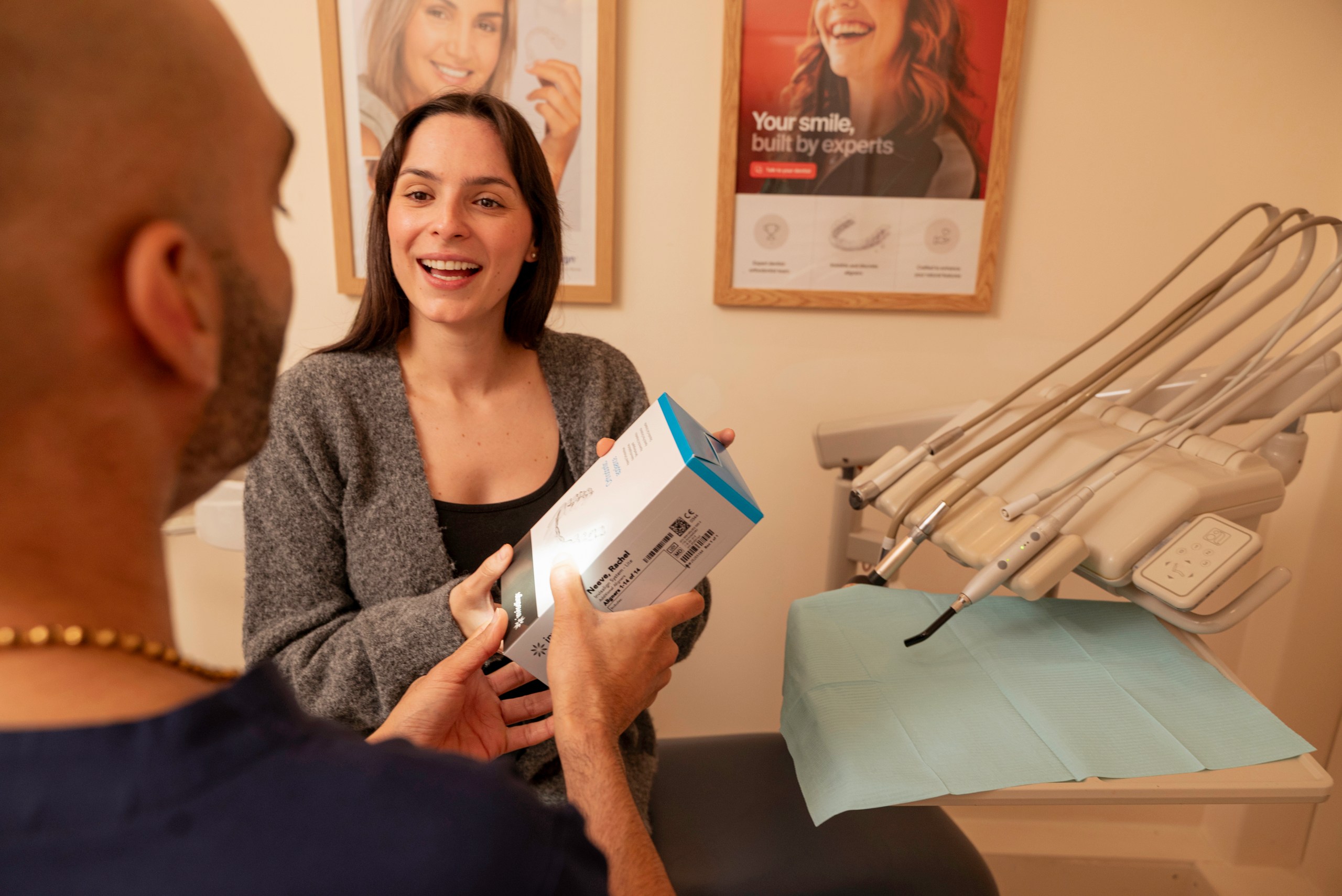
The only way to know for certain is a proper assessment with an experienced Invisalign provider. We use digital scanning — no messy impressions — to give you a clear picture of what's achievable before you commit to anything.
Which Should You Choose?
There's no single right answer, but here's a useful shortcut: if discretion, comfort, and flexibility matter to you, Invisalign is almost always the better fit for adults and working professionals. If your case is more complex or you know yourself well enough to worry about the discipline of wearing aligners consistently, braces might serve you better.
What we'd encourage is an honest conversation with your dentist rather than a decision based on price alone or what a friend chose. Every mouth is different.
Book a Consultation at Dental Wellness London
Our Islington practice offers free Invisalign consultations for new patients. We'll assess your teeth, show you a digital preview of your results, and walk you through all your options — with no pressure to proceed.
We're at 222 Essex Road, N1 3AP, a short walk from Angel and Highbury & Islington stations.
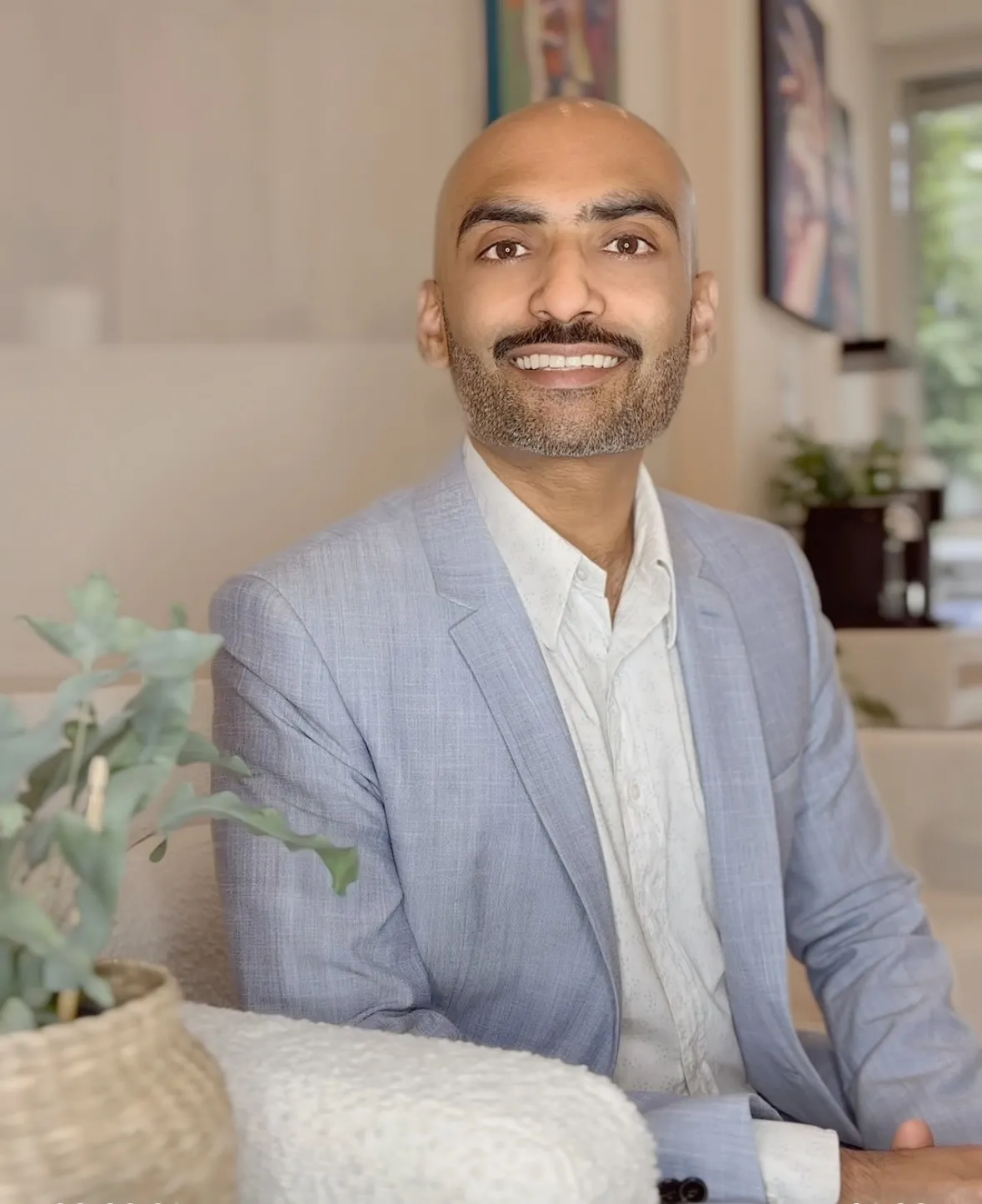
Dr. Vishal Patel
Dr Vishal Patel has been transforming smiles and confidence since 2006. Trained by the AACD in the USA and holding an MSc from Manchester, he blends advanced dentistry with facial aesthetics, including Botox and dermal fillers. Having cared for patients across London, Essex and Melbourne, his calm, holistic approach builds trust and results that feel beautifully natural.