

TL;DR
- Hyperpigmentation is when some skin areas get darker than others.
- It happens because the skin makes too much melanin.
- Causes include sun exposure, hormones, skin injuries, and certain medicines.
- Dry, oily, and sensitive skin types need different treatments to avoid harm.
- Treatments include creams, peels, lasers, and microneedling based on skin type.
- Protect your skin daily with sunscreen to help avoid dark spots.
- Talk to skin experts for the best treatment choice for your skin.
Your Guide to the Right Hyperpigmentation Treatment Based on Different Skin Types
Hyperpigmentation is a common skin problem that can affect people of all ages. It appears as dark spots or uneven skin tone caused by extra melanin in certain areas of the skin. For some, these spots may fade on their own, but many turn to topical and professional hyperpigmentation treatment to speed up the process. The challenge, however, is that not all approaches work equally well for everyone. Each skin type has different needs, making it especially important to choose the right treatment.
In this guide, we will explore how different skin types require unique care and what treatments may be most effective.
Causes of Hyperpigmentation
Hyperpigmentation results when your skin produces too much melanin. Below are the common reasons why this happens:
- Excessive sun exposure without proper protection.
- Skin injuries like cuts, acne, or rashes can leave dark spots after healing.
- Hormone changes during pregnancy or with some birth control pills cause patches called melasma.
- Some medicines can make the skin darker as a result of side effects.
- Some rare health issues, like Addison’s disease, can cause dark spots on the skin.
Topical Treatment Options by Skin Type
Treatments can react differently on dry, oily, sensitive, or combination skin. Here’s a closer look at the most suitable options for each:
Oily Skin
Oily skin is more vulnerable to clogged pores and frequent breakouts. This increases the chances of acne and post-inflammatory marks. The best treatment for hyperpigmentation in oily skin focuses on controlling oil while helping to fade dark spots.
Treatment options for oily skin may include:
- Salicylic acid to clear blocked pores and exfoliate skin.
- Retinoids (Retinol) to accelerate cell turnover, fade pigmentation, and prevent breakouts.
- Lightweight Vitamin C serums to brighten skin without adding excess oil.
Dry Skin
Dry skin often feels flaky, itchy, or cracked. Hyperpigmentation treatment for faces with dry skin should be gentle to avoid further irritation.
Treatment options include:
- Hyaluronic acid to deeply hydrate while supporting skin repair.
- Niacinamide (Vitamin B3) to restore the skin barrier and even out skin tone without causing dryness.
- Ceramide-rich creams to lock in moisture and protect the skin while treating hyperpigmentation.
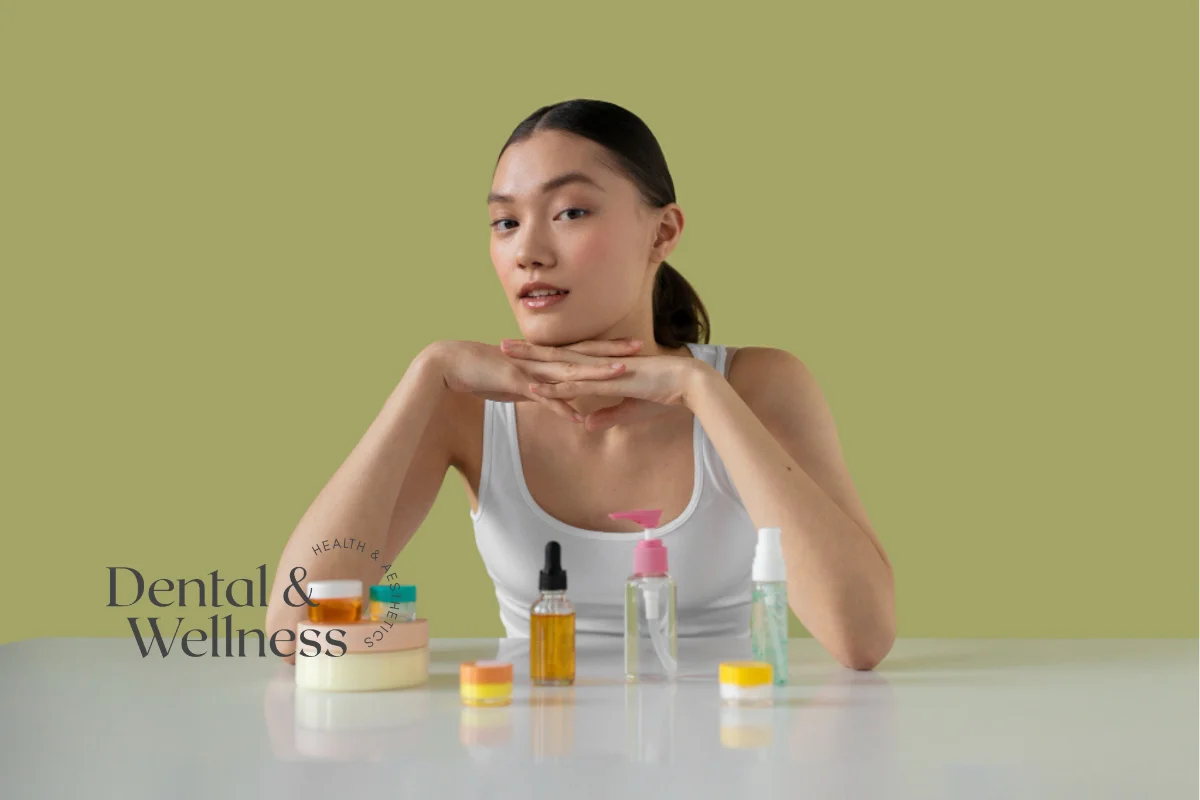
Sensitive Skin
Sensitive skin can react strongly to chemicals, fragrances, and even natural ingredients. Dark spots in this skin type need extra attention.
Safe options may involve:
- Licochalcone A to neutralise free radicals and prevent dark spots.
- Azelaic acid to gently lighten dark spots and improve overall skin tone.
- Lactic acid in low concentrations to exfoliate gently without causing irritation.
- Fragrance-free moisturisers with antioxidants to support the skin barrier and reduce sensitivity.
Combination Skin
Combination skin has both oily and dry sections, making it one of the most confusing types. Different parts of the face often need different solutions.
To treat hyperpigmentation on combination skin:
- Cleanse gently to remove oil without drying skin.
- Exfoliate 2-3 times a week with lactic or salicylic acid.
- Apply Vitamin C and Niacinamide serums for dark spots.
- Use a lightweight moisturiser to maintain hydration.
Note: It is important to consult a dermatologist before starting any new skincare treatment to ensure it is safe and suitable for your skin type.
Considerations for Skin Tone
People with darker complexions have more active melanocytes. Therefore, using strong treatments or harsh chemicals can worsen hyperpigmentation. Treatment options for different skin tones are:
Darker skin tones: Use gentle, non-irritating ingredients like vitamin C, kojic acid, or azelaic acid. Avoid strong chemical peels and always apply high-SPF sunscreen to prevent new dark spots.
Lighter skin tones: Mild exfoliation with lactic or glycolic acid can support even skin tone. Use sunscreen daily to protect against UV-induced pigmentation.
Professional Treatments Worth Considering
If topical products do not deliver the desired results, professional treatments may be an effective option. Here are some popular hyperpigmentation treatments:
- Chemical peels: In-office peels use a medical-grade chemical solution to gently remove the upper layer of the skin. This helps fade dark spots over time.
- Laser therapy: Uses concentrated light on dark spots to break down extra melanin in the skin.
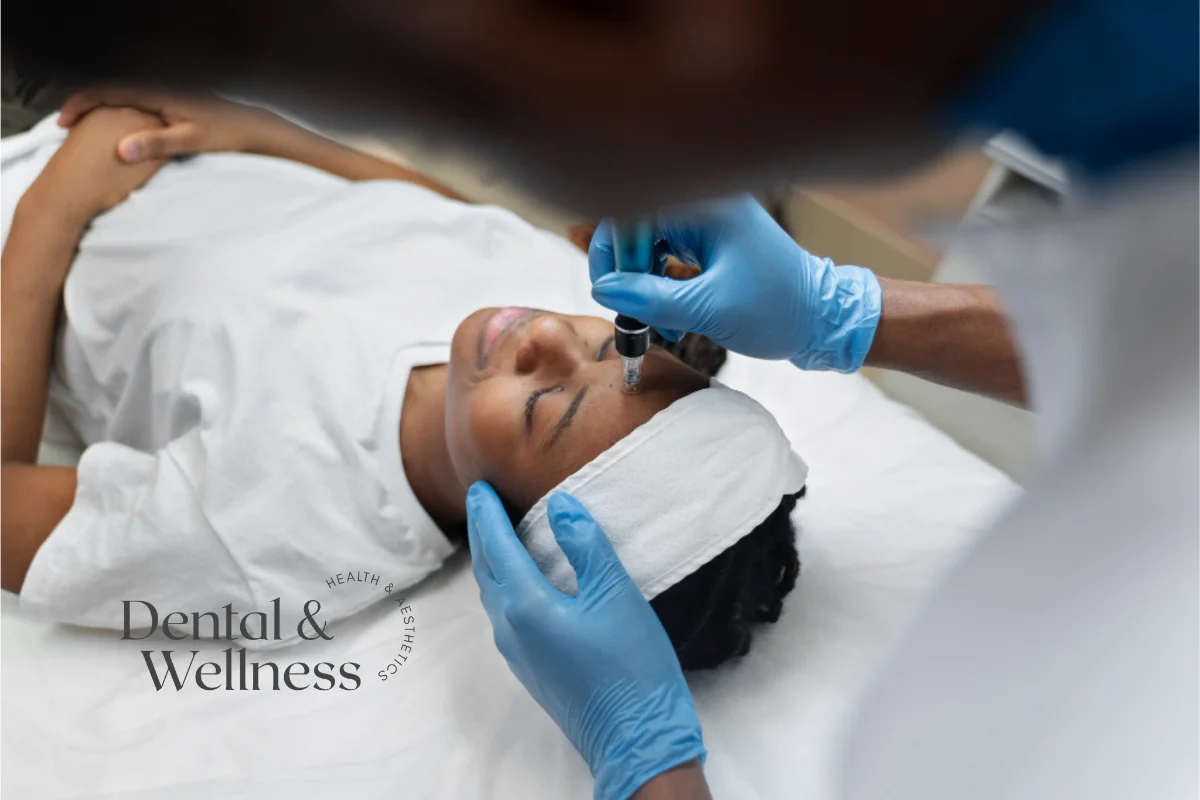
- Microneedling: Tiny needles create micro-punctures in the skin. This stimulates natural healing and boosts collagen and elastin production.
- Microdermabrasion: A hand-held device is used to spray tiny crystals on the skin. It helps remove the outer layer to reveal clearer skin.
- Intense pulsed light therapy (IPL): IPL uses special light to break up dark patches. It works well for dark spots and mild discolouration.
Everyday Habits That Support Hyperpigmentation Treatment
Supporting your skin after hyperpigmentation treatment is key to preventing dark spots from returning. Experts at Dental & Wellness London recommend:
- Applying sunscreen daily to block UV rays
- Eating a diet rich in vitamins and antioxidants
- Drinking enough water to keep skin hydrated
- Avoiding frequent touching or pricking at spots
The Bottom Line
Hyperpigmentation appears when certain parts of the skin become darker than the surrounding skin. It often appears as spots or patches. The right hyperpigmentation treatment depends on your skin type. A dermatologist can guide you on the most suitable options for your needs.
At Dental & Wellness, London, our experts carefully assess your skin type and choose a treatment that fits your skin, lifestyle, and goals. We offer options like laser therapy, microdermabrasion, and microneedling in Islington. Our experts will also guide you through aftercare and long-term prevention so your skin stays healthy and glowing.
For expert advice, book a visit to our skin clinic in Islington, London, at 222 Essex Road, London N1 3AP. You can also call 020 8127 4567 or email [email protected] to book your appointment today!
FAQs
Does laser treatment get rid of hyperpigmentation?
Laser treatment can reduce hyperpigmentation by breaking up dark spots using concentrated light. It works well for many skin types but may need several sessions.
How much does hyperpigmentation treatment cost?
Hyperpigmentation treatment cost can vary widely, often between £50 and £300 per session. The cost depends on the skin type, method, and area treated.
What facial treatment is best for hyperpigmentation?
The best treatment for hyperpigmentation includes gentle chemical peels, laser therapy, and microneedling. These can help lighten dark spots safely over time.
Does hyperpigmentation come back after laser treatment?
Pigmentation can come back after laser treatment. This may happen because of sun exposure, hormones, or skin reactions. Proper care helps reduce this risk.