

TL;DR
- Spider veins are tiny red, blue, or purple blood vessels that show on the skin
- They look like spiderwebs or tree branches
- Spider veins usually appear on the legs, face, cheeks, or nose
- Causes include weak vein walls, standing too long, ageing, pregnancy, hormonal changes, and sun damage, among others.
- Spider veins are mostly harmless, but can cause itching or burning sometimes
- Safe treatments like microsclerotherapy and laser can remove spider veins
- Staying active and protecting your skin helps prevent spider veins
What are Spider Veins?
Spider veins are tiny, twisted blood vessels that appear close to the surface of your skin. They can look red, blue, or purple and often show up on the legs or face. These veins develop when the valves inside them weaken or become damaged, causing blood to flow backwards and pool in one place. This pressure causes veins to enlarge and become visible as spider veins.
While spider veins are usually harmless, if they’re bothering you or showing up in areas you’d rather they didn’t, there are several treatment options to get rid of them. Now, let’s take a closer look at what spider veins are, what causes them, and how to treat them safely. We will also discuss simple ways to keep your veins healthy and reduce future risks.
What Causes Spider Veins?
Spider veins often appear in clusters and create a spiderweb, or tree branch-like pattern. Several factors can lead to the development of spider veins:
- Genetics: Family history plays a big role. If close relatives have spider veins, there is a higher chance of developing them.
- Age: As people age, their veins lose elasticity, and their valves can weaken, which increases the risk of spider veins.
- Sun exposure: Spending a lot of time in the sun, especially without protection, can damage skin and blood vessels, leading to spider veins on the face.
- Hormonal changes: Pregnancy, puberty, menopause, or hormone therapy can cause changes in circulation that trigger spider veins.
- Skin conditions: Conditions like rosacea can cause redness and visible veins, especially on the cheeks and nose.
- Injury and pressure: Cuts, bumps, or repeated pressure on certain areas can make small veins burst, creating spider veins.
- Lifestyle factors: Standing or sitting for long hours, obesity, and lack of exercise add pressure on the veins and contribute to spider veins.
Symptoms of Spider Veins
Spider veins are usually easy to recognise by their appearance. Some people may have other mild symptoms, especially if spider veins appear on the legs.
Check for these signs of spider veins:
- Thin red, blue, or purple lines that look like webs or branches
- Spider veins on legs may cause a heavy, tired feeling or mild aching
- Itching, burning, or mild discomfort near the veins
- Slight swelling or throbbing in affected areas after standing for a long time
- Spider veins on the face appear as small red clusters, mostly on the cheeks or nose
- Skin near spider veins might feel sensitive or look flushed
Safe Spider Vein Treatment Options
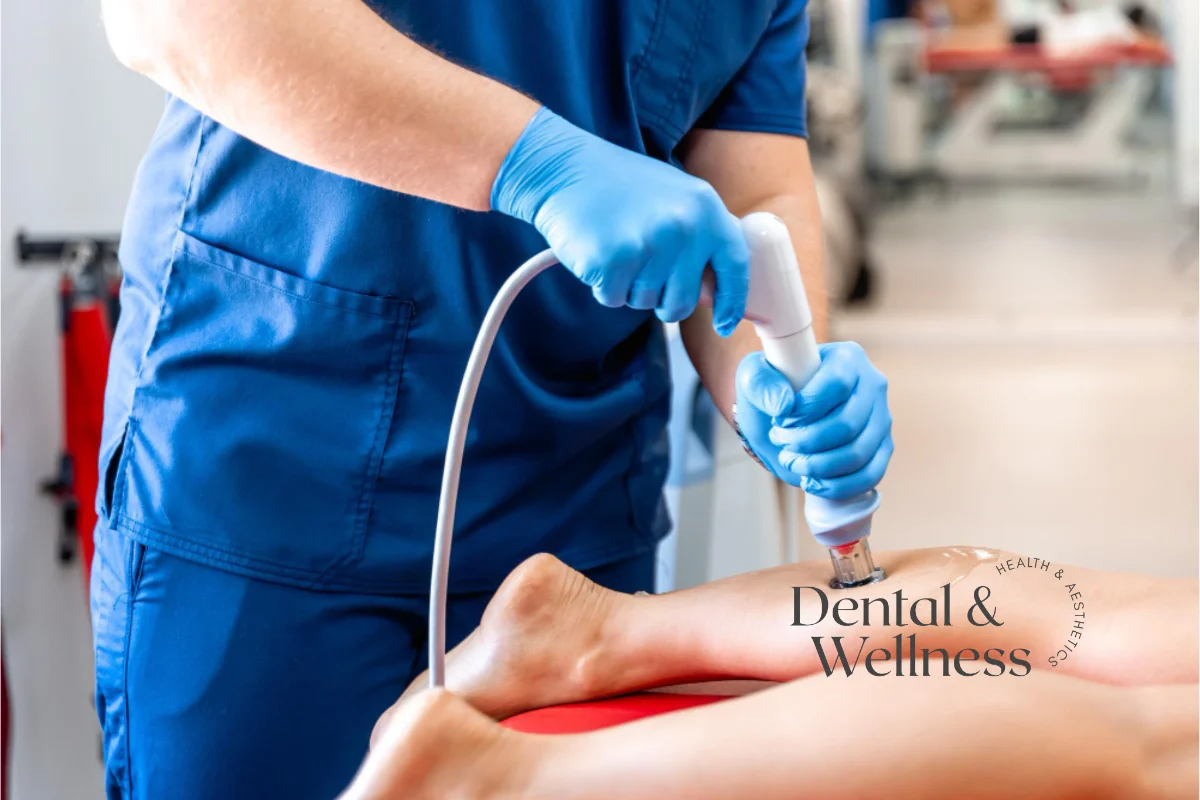
Doctors offer several safe and effective treatments for spider vein removal. These treatments aim to reduce visible veins while improving comfort.
Popular spider vein treatments include:
- Compression stockings: These socks support leg veins, improve blood flow, and reduce spider vein growth. They are often recommended before or after procedures.
- Microsclerotherapy: This common treatment involves injecting a special solution into spider veins. The solution causes the veins to shrink and disappear over weeks. It works well for spider veins on legs.
- Laser therapy: Laser light targets spider veins on cheeks, nose, and legs, making the blood vessels fade without harming the surrounding skin.
- Endovenous laser treatment (EVLT): This technique inserts a laser fibre inside larger veins to close them off and is mostly used for larger leg veins.
- Closure system therapy: A new method of sealing veins with special substances to reduce spider veins.
- Thermocoagulation: Uses heat to close small veins. This method is ideal for tiny spider veins on the nose or cheeks.
At-Home Care and Prevention
Taking good care of the skin and body can prevent spider veins from worsening or returning. Here are some expert tips from the team at Dental & Wellness London:
- Use sunscreen daily to protect the face and skin from harmful UV rays
- Avoid long hours standing or sitting; take breaks to walk and stretch
- Keep a healthy weight through a balanced diet and regular exercise
- Elevate legs while sitting to reduce leg vein pressure
- Use gentle skincare products suited for sensitive skin on the face
- Wear comfy shoes and avoid tight clothes that block blood flow
- Include leg-strengthening exercises such as walking, cycling, or calf raises to improve blood circulation

Final Words
Spider veins are small, thin lines that often appear on the legs, cheeks, or nose. They can be caused by weak vein walls, long periods of standing, age, or sun damage. While they are not harmful, many people choose to treat them for smoother, clearer skin. Safe treatments like microsclerotherapy and laser therapy help fade spider veins and improve skin tone when done by trained professionals.
At Dental & Wellness London, patients receive expert care for spider veins from trained specialists who use the latest technology for safe and effective treatment. Our skin specialist in Islington, London, focuses on excellent results, comfort, and friendly service, making sure every visit feels relaxing and caring.
If you are looking for spider vein removal in Islington, we are here to help. Visit us at 222 Essex Road, London N1 3AP today to enjoy healthier, brighter skin and feel your best every day. You can also call at 020 8127 4567 or email us at [email protected]
FAQs
How do you remove spider veins?
Spider veins can be removed with treatments like laser therapy or microsclerotherapy. These safe methods help fade visible veins, making your skin look smoother and clearer again.
What causes spider veins?
Spider veins occur when tiny blood vessels get weak or damaged. This can be caused by standing too long, ageing, sun exposure, or changes in blood flow.
Are spider veins dangerous?
Spider veins are usually not dangerous and are mostly a cosmetic procedure. They may sometimes cause slight itching or burning. However, if left untreated, they can lead to bigger vein problems like varicose veins, swelling, or pain.
When to worry about spider veins?
You should worry about spider veins if you feel pain, swelling, or burning near them. Also, if veins become red, warm, or have sores, see a doctor quickly. These signs may mean a bigger problem, so getting help early is important.