


Baby botox vs botox: know about baby botox in London and why baby botox is different
If you’re thinking about getting botox but you’re nervous about looking “frozen”, you’re not alone. A lot of people now ask about baby botox because it’s designed to feel softer and more natural — especially if you’ve never had botox before.
In this guide, you’ll know about baby botox, what it means in real life, and the practical differences between botox and baby botox so you can make a calm, informed decision — particularly if you’re considering baby botox in london at a trusted skin clinic.
(Quick UK note: Botox is a prescription-only medicine. Any treatment should include a proper consultation and appropriate prescribing.)
Baby botox treatment: what baby botox uses and how botox work
A baby botox treatment isn’t a different product. baby botox uses botulinum toxin (the same ingredient used across many botox treatments) — but the technique focuses on a smaller amount placed more precisely.
People often ask how botox work. In simple terms, botox blocks signals from nerves to the targeted muscles so they contract less strongly. That’s why botox is injected into facial muscles rather than into the skin itself: it’s about softening the movement that creates a wrinkle, fine lines, and lines and wrinkles over time.
If you’re still weighing up options, it can help to compare with broader anti-wrinkle injections treatment planning (which includes assessment, suitability, and aftercare):
→ Anti-wrinkle injections in Islington
Botox injections: doses of botox, amount of botox, and smaller doses of botox
A common myth is that baby botox is essentially a totally different product. The reality is: it’s mainly about the amount of botox and the injector’s technique.
With regular botox injections (and more regular botox treatments), your practitioner may use standard patterns and dosing to relax stronger muscles.
With baby dosing, the plan often uses small amounts of botox and smaller doses of botox to keep expression looking natural, while still improving botox results.
This is why the agreed-upon amount of botox matters. A skilled clinician will explain the plan clearly before they inject, including how many doses of botox are being used and what “subtle” will look like on your face.
Traditional botox vs regular botox: unlike traditional botox, baby botox aims for a natural-looking result
When people say traditional botox, they usually mean a more standard approach that can create a stronger smoothing effect. Unlike traditional botox, baby botox aims to soften expression lines while keeping movement — the goal is a natural-looking result, not a dramatic change.
This is the heart of baby botox vs a more standard approach: it’s not “better” or “worse”, it’s just a different style and a different end goal.
Difference between botox and baby: baby botox vs botox in real life
So what’s the difference between botox and baby?
- baby botox involves a smaller amount of botox placed in targeted points.
- A traditional botox treatment often uses more units (in many cases) for a stronger muscle relaxation effect.
- baby botox could be ideal when you want subtlety, or you’re easing into injectables.
In other words, baby botox is different because it’s a dosing strategy, not a new medicine — and it’s why botox and baby botox can look and feel quite different depending on the plan.
Baby botox procedure: what to expect during a baby botox appointment
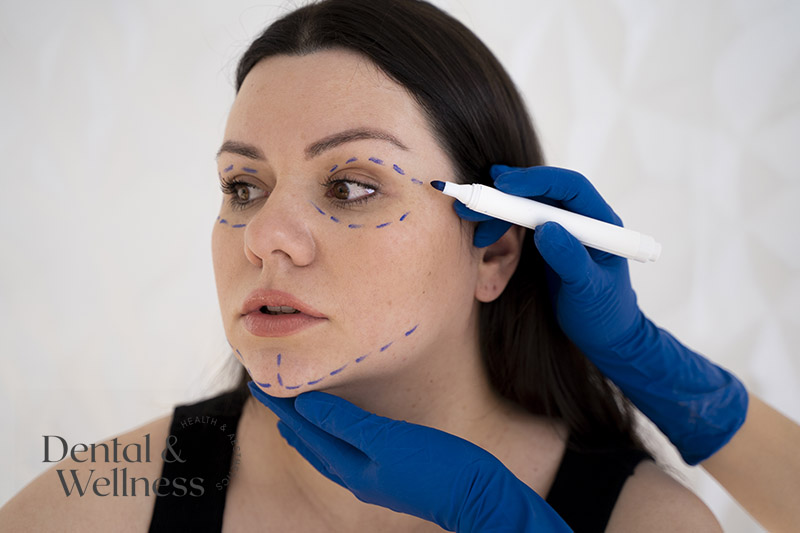
A typical baby botox procedure starts with a proper consultation and facial assessment. Then the clinician will inject small doses into specific areas of the face.
What you can expect during a baby botox appointment:
- A careful plan of injection points (often fewer units per point)
- Quick treatment time (the injection part is usually minutes)
- Clear aftercare instructions
- A discussion of your desired result before anything is done
This is still a medical cosmetic treatment, so the best clinics keep things calm, professional, and personalised.
Prepare for baby botox: getting botox when you’ve never had botox
To prepare for baby botox, you don’t need to overthink it, but you do want to be sensible:
- Arrive with a clean face if you can
- Avoid heavy alcohol the night before if you bruise easily
- Tell the clinician about medications/supplements and any medical history
If you’ve never had botox, it can help to bring photos of your face at rest and when smiling/frowning so you can explain what bothers you (or what you want to prevent).
Areas of the face and specific areas: where baby botox can be injected
baby botox can be injected into several areas of the face, depending on your expression pattern and goals. Common specific areas include:
- Forehead lines
- Frown lines (between the eyebrows)
- Crow’s feet (around the eyes)
A good practitioner will assess your muscle strength and how you naturally move — that’s how you achieve the best results without losing your “you-ness”.
And if part of your goal is also improving facial balance or supporting volume (which Botox doesn’t do), your clinician may discuss other options such as:
→ Dermal fillers in Islington
→ Cheek filler in Islington
(This matters because botox isn’t a filler — and baby botox isn’t either. They do different jobs.)

Results of baby botox: baby botox results, botox results, and effects of baby botox
The results of baby botox are meant to be subtle. Most people describe baby botox results as “fresh”, “rested”, and smoother — not tight or stiff.
A realistic way to think about it is this:
- It can soften early fine lines and expression-related wrinkle patterns.
- It may not erase deeper lines and wrinkles that are already etched in.
This is why a good consultation focuses on your desired result rather than copying someone else’s face.
Botox start: when botox results show
A common question is when botox start to show. Usually:
- Early changes can appear within a few days
- The full effect is often clearer at around 10–14 days
Because baby dosing is subtle by design, the improvement can feel gradual — which is often exactly the point.
Botox lasts and baby botox lasts: baby botox may not last as long as traditional botox
How long does it last? This is where people notice a difference.
For many people, botox lasts around 3–4 months in a standard botox treatment. baby botox lasts a similar range for some, but baby botox may not last as long for others because of the lighter dosing — particularly if the muscles are strong.
So yes, baby botox may not last long as traditional botox in some cases. Your clinician should explain what to expect for your face, rather than giving a one-size answer.
Benefit of baby botox: baby botox offers an alternative to regular botox
The benefit of baby botox is mainly about subtlety:
- A softer approach using a smaller amount of botox
- Less chance of that “overdone” look (when planned well)
- A great starting point if you’re nervous about getting botox
In that sense, baby botox offers an alternative to regular botox — especially if you want a gentle refresh that still looks like you.
Botox cost and cost of baby botox: baby botox is generally less expensive than traditional botox
People naturally ask about botox cost, the cost of botox, and the cost of baby botox.
In general, baby botox is generally less expensive than traditional botox because it often uses a smaller amount (fewer units). That said, pricing depends on:
- How many areas are treated
- Your muscle strength and the plan needed
- The clinician’s expertise
- Your location (for example, pricing can differ between a bristol botox clinic and a clinic in london)
So yes, baby dosing can be cheaper — but it’s still important to choose quality over bargains if you want safe, consistent botox results.
Baby botox in london: choosing a botox clinic or skin clinic (based in london)
If you’re looking at botox treatments in london and searching for a reputable botox clinic or skin clinic, prioritise safety, assessment, and expertise.
A clinic in london that’s properly set up should be able to:
- Assess your anatomy properly
- Set realistic expectations
- Explain the plan clearly, including the agreed-upon amount of botox
- Provide aftercare and follow-up
The best outcomes usually come from clinics that tailor their botox treatments rather than using a one-size-fits-all template.
If you’d like to add a simple trust link for readers, you can reference your team and ethos here:
→ About Dental & Wellness London
Risks and side effects: administering botox safely (like regular botox)
Even with smaller dosing, it’s still important to talk about risks and side effects. administering botox is a skilled medical procedure, and baby dosing isn’t risk-free.
Possible side effects can include temporary redness, swelling, bruising, headaches, or (more rarely) heaviness in an area if the product affects a nearby muscle.
A helpful mindset is: baby dosing is like regular botox in safety principles — the difference is the dose and technique, not the responsibility.

FAQs
What is “baby botox”?
“baby botox is a common term for Botox injections done with lighter dosing, using a smaller amount for a subtle, natural-looking finish.
Is baby botox different from regular botox?
Yes — mainly in the plan. baby botox is different because it uses smaller doses and more precise placement to keep movement looking natural.
Where can baby botox be injected?
Often in the forehead, frown lines, and crow’s feet — depending on the specific areas you want to soften.
How soon will I see results?
Some people see changes within a few days, with the full effect typically clearer at around 10–14 days.
Does baby botox last as long?
It varies. Some people find it lasts similarly to standard dosing; others find baby botox may not last as long because the dose is lighter.
Is baby botox a preventative option?
For some people, yes — it can be used as botox as a preventative measure when early expression lines start to form.
Related Botox treatments and how to book

Dr. Vishal Patel
Dr Vishal Patel has been transforming smiles and confidence since 2006. Trained by the AACD in the USA and holding an MSc from Manchester, he blends advanced dentistry with facial aesthetics, including Botox and dermal fillers. Having cared for patients across London, Essex and Melbourne, his calm, holistic approach builds trust and results that feel beautifully natural.