

Reinventing Your Best Self
If you’ve ever looked in the mirror and wished you could hold on to your memories without the lines they’ve left behind, you’re not alone. Many of us spend time wondering how best to refresh our appearance while still feeling like ourselves.
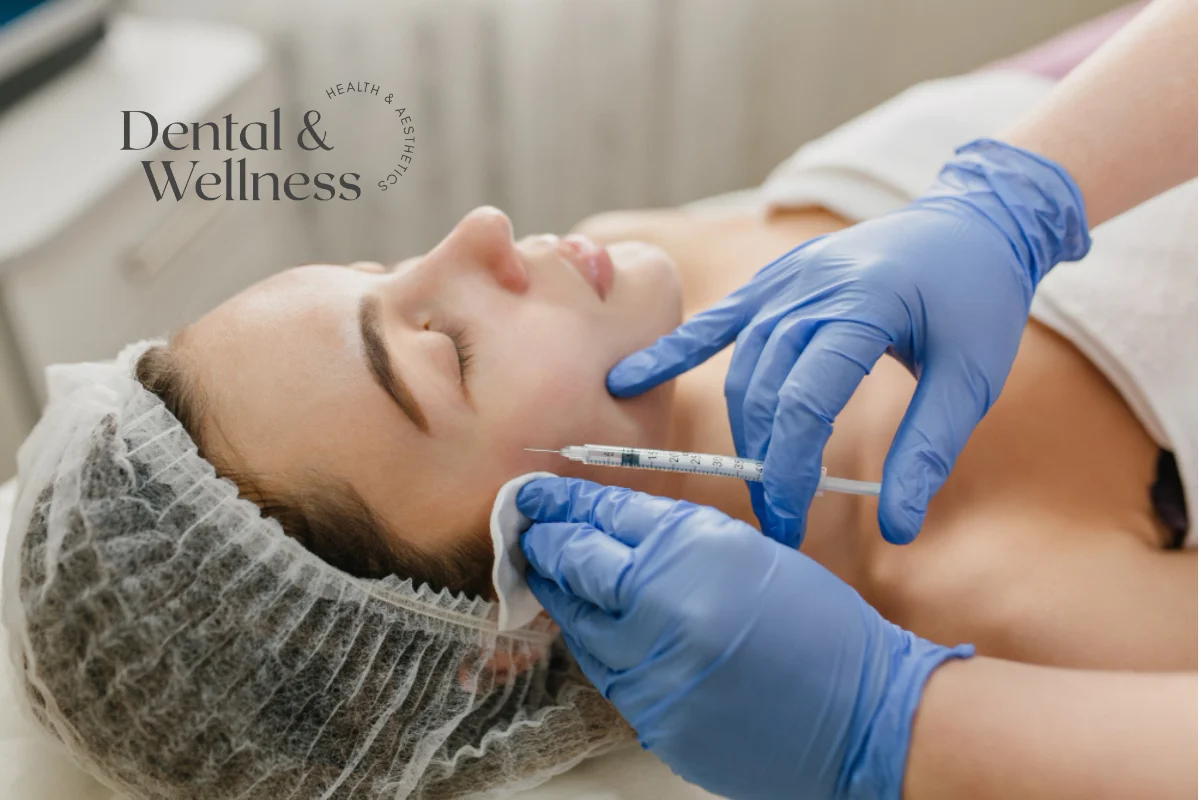
There’s definitely a spectrum with regards to anti-ageing treatments. Whether subtle is more your style or if you’re looking for something instantaneous, there’s a treatment out there that aligns with your vision. Botox and Dysport are often brought up as being the least invasive and most accessible types of treatments, helping to smooth deeper lines with much ease.
If you’ve been agonising over your choices, this article will walk you through the differences between Dysport vs. Botox, helping you compare the two and make the right choice for you.
What is Botox?
You’ve probably heard of Botox long before you ever considered it for yourself and there’s good reason why its reputation seems to precede itself.
Botox is an FDA-approved cosmetic treatment that has practically been the face of anti-ageing treatments for decades, thanks to its quick administration and results. Botox originates from the bacterium Clostridium botulinum and works by essentially blocking the nerve signals to the muscles in the target area, thereby “freezing” them. The treatment is a series of injections in the areas of concern, with the face taking on a smoother and more youthful appearance right after.
What is Dysport?
This one’s probably new to you but it’s remarkably similar to Botox. Also an injectable treatment, Dysport is derived from botulinum toxin type A. Also FDA-approved, Dysport works in a manner similar to Botox. It relaxes the muscles that cause those wrinkles from repeated movement, resulting in a smoother final look.
Although built for a similar purpose, Dysport is formulated in a different manner that affects how it spreads beneath the skin.
What is the Difference Between Botox and Dysport?
It’s precisely because the two treatments are so similar that they’re often brought up in the same conversation. Here’s how they compare to each other:
Treatment Area
Botox and Dysport share a purpose and even a lot of their ingredients. However, the minor compositional differences mean they spread differently when injected.
Dysport tends to diffuse with more ease under the skin, while Botox tends to affect more localised areas. At London Dental & Wellness, we usually use Botox when targeting a smaller area or when a more controlled effect is required, per our patients’ wishes.
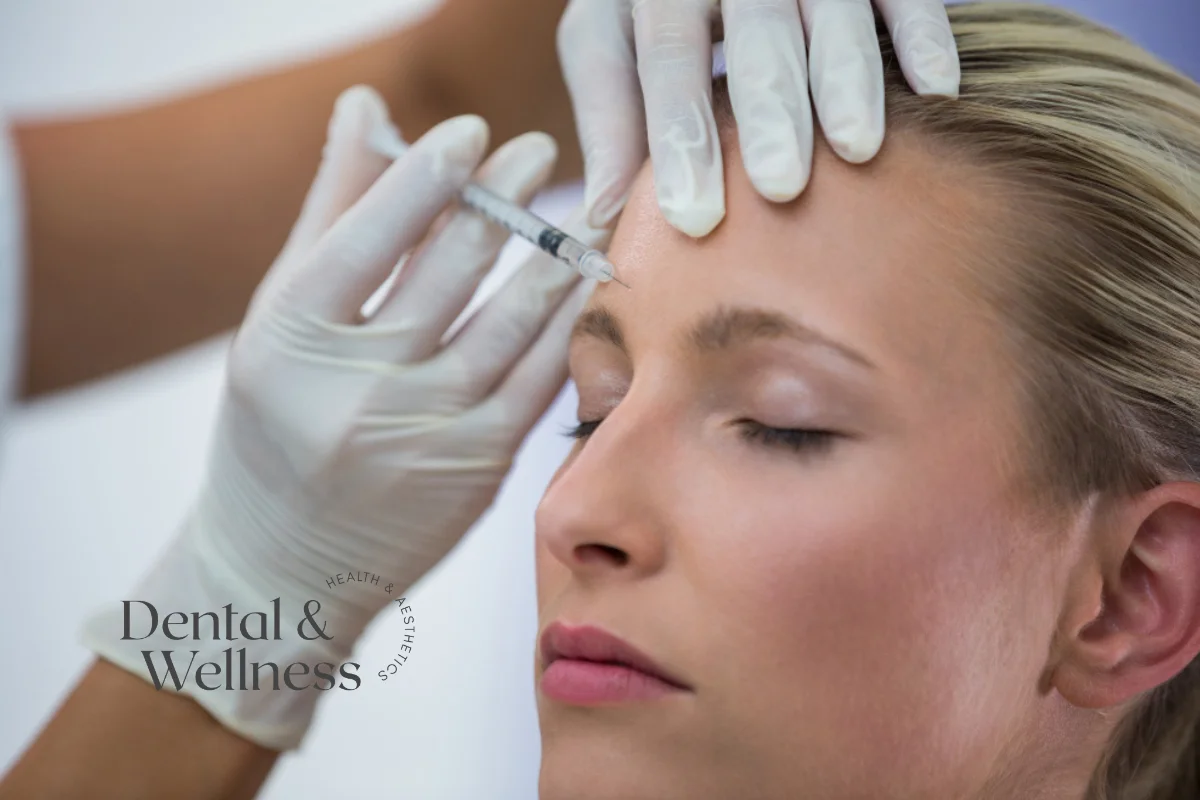
Dysport is usually used to treat more broad areas, such as the forehead.
Because of these best use cases, many specialists use the two in tandem with one another during a session.
Dosage
Dysport and Botox are not interchangeable during a procedure because of their varying dosage requirements. It’s been found that the dosage ratio is about 2.5:1, meaning it would take about 25 Dysport units to achieve results that 10 units of Botox would.
This does not mean one is more effective than the other. It is simply a difference resulting out of the formulation process. A skilled specialist will administer the appropriate dosage so you get the results you want.
Time To Notice Results
Dysport usually produces faster results than Botox. With Dysport, patients begin seeing notable differences within 2 to 3 days while Botox begins to take effect in about 5 to 7 days. That being said, both treatments last about 3 to 4 months, although this can differ by person. Consistent use of either treatment may even extend the duration of effectiveness.
Cost
Naturally, the cost for each treatment as well as the difference between the two will vary by your location and the amount of product needed for treatment. Dysport tends to be priced lower than Botox per unit. However, this evens out when you consider that Dysport usually needs more units to achieve the same results as Botox. It’s best to pick a treatment based on your concern area.
Dysport Vs. Botox for Different Treatment Areas
The most significant difference between the two treatments is ultimately their best use case scenario. Here’s how we recommend you use Botox or Dysport, based on your area of concern:
- Crow’s Lines or Glabellar Lines: Crow’s feet are fine lines by the corners of the eyes, while glabellar lines are the lines that form between the eyebrows due to frowning. Since both of these are smaller, specific areas, Botox offers a precise solution to smooth out their appearance.
- Forehead Wrinkles: Dysport’s ability to spread out more evenly makes it a better option for larger areas like the forehead.
- Masseter Muscle: This muscle lies in the cheek and usually bears the effects of repetitive movement. Dysport can reduce muscle activity and smooth out the area.
Depending on whether you have one or many areas of concern, your specialist will draw up a viable plan for your treatment and advise you on either treatment or a combination of both.
The Best Anti-Ageing Treatment
Ultimately, choosing between Botox and Dysport is a decision best made in the presence of a qualified specialist. Each treatment is designed with different uses in mind, so identifying the areas you’d like to treat first can help guide the right approach for you.
Remember to approach your appointment with any questions you may have, and give yourself the time you need to clarify your vision and goals. At London Dental & Wellness, we understand the concerns and sensitivities you may wish to address. Whether it’s your first appointment or one of many, we take pride in creating a comfortable space where you can clearly discuss your goals and any worries you may have.
You’re in safe hands with us. We’ve administered over 5,000 Botox treatments in Islington, London and would be happy to sit down with you for an honest, personalised conversation.
Contact Us: 02081274567 // reception@dentalwellnesslondon.co.uk
Address: 222 Essex Road, London N1 3AP
FAQs
1. What are the downsides of Dysport?
Dysport can spread a little more than Botox, which works great for some areas but may not be ideal for very precise treatment, making expert placement especially important.
2. Should I switch from Botox to Dysport?
If you’re beginning to notice that your Botox results aren’t lasting as long or your goals have changed, it may be time to have a conversation about switching your treatment with your specialist.
3. Which looks more natural, Botox or Dysport?
The results from Botox and Dyport are practically indistinguishable from one another. Botox may take a few more days to take effect, which makes it preferable for individuals looking for a subtle, gradual change. The best results usually come from choosing the treatment that suits your features and the areas you want to refresh.

Dr. Vishal Patel
Dr Vishal Patel has been transforming smiles and confidence since 2006. Trained by the AACD in the USA and holding an MSc from Manchester, he blends advanced dentistry with facial aesthetics, including Botox and dermal fillers. Having cared for patients across London, Essex and Melbourne, his calm, holistic approach builds trust and results that feel beautifully natural.