

TL;DR
- Flexible dentures are modern tooth replacements using a special resin material.
- They easily bend to adapt to the gum tissues, offering a perfect fit.
- Flexible dentures are used for patients with metal allergy, severe undercuts, and limited mouth opening.
- They offer excellent strength, perfect fit, and aesthetic benefits for patients with missing teeth.
- However, they are costly, hard to repair, and prone to staining.
- With good oral hygiene, denture cleaning, and regular dental visits, flexible dentures may last for 5 to 10 years.
- Flexible dentures typically cost £450 to £2,000 per arch.
What are Flexible Dentures?
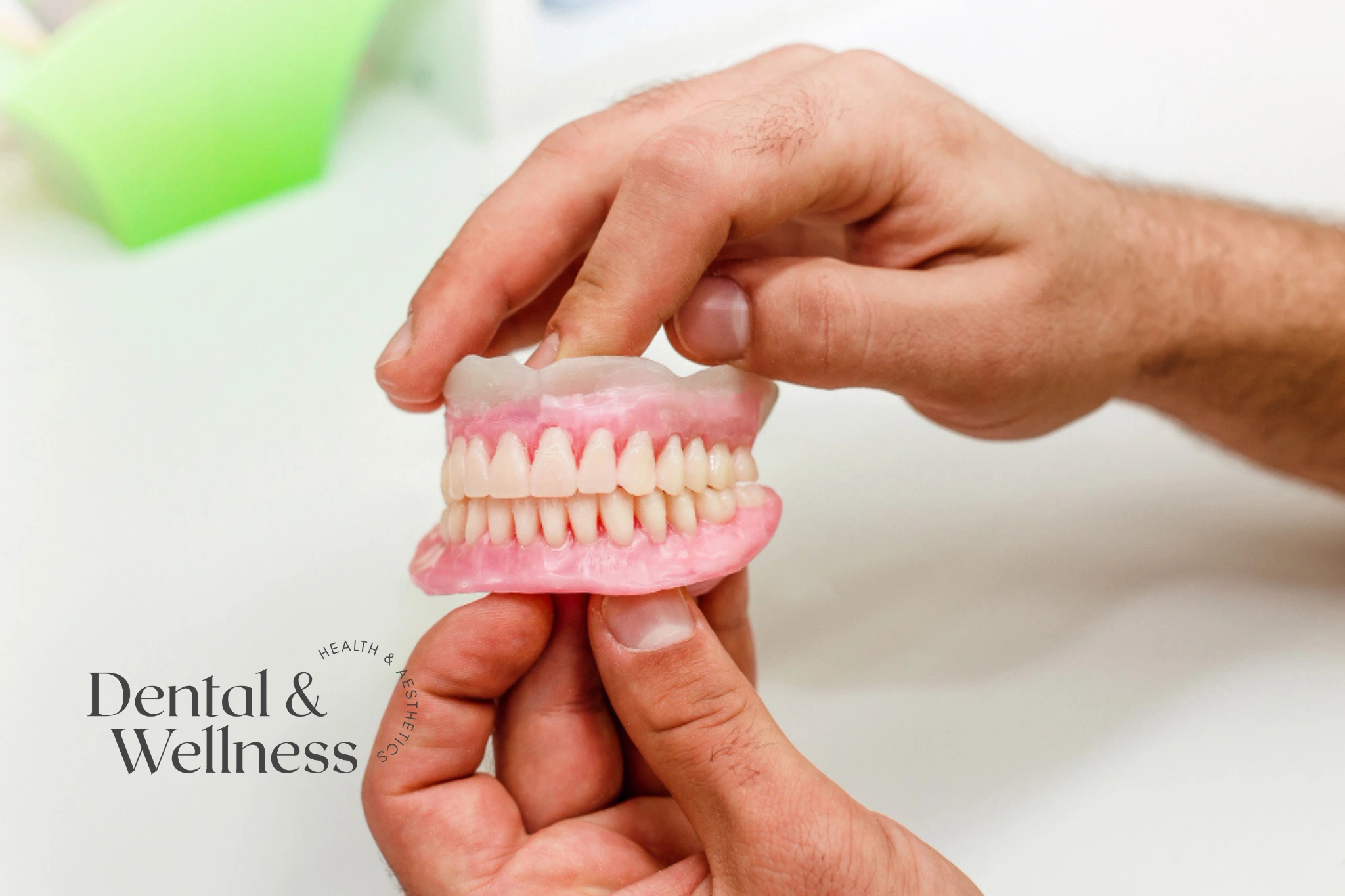
Flexible dentures are artificial teeth made from a soft, bendable material like nylon. They replace missing teeth and sit gently on the gums. The dentist shapes the flexible base to fit your mouth, so it feels light and comfortable. Moreover, these removable dentures do not need metal clips or sticky glue to stay in place.
The soft material bends with your mouth as you talk or chew. This reduces the chances of cuts, pressure spots, or mouth sores. Flexible dentures also blend well with your natural gums and are less likely to break if dropped. Many people choose them because they look natural, feel smooth, and are easy to wear every day.
In this article, you will learn the types of flexible dentures, their benefits, drawbacks, the steps involved in getting them, their cost, and simple tips to make them last longer.
Types of Flexible Dentures
Flexible dentures vary by material for comfort and fit. Each type uses special resins that bend easily:
- Valplast dentures: Use nylon resin for flexibility. They hold undercuts without being seen and blend well with the gums.
- DuraFlex dentures: These offer excellent strength through a special thermoplastic resin. They resist stains, stay odour-free, and allow dentists to add teeth if needed.
- TCS dentures: This type attaches well to the gum tissues. These dentures are ideal for aesthetics, with strong and thin clasps.
- AcryFlex dentures: These dentures use a non-toxic, allergen-free resin. They are easy to adjust, feel comfortable, and look natural.
- Flexite dentures: Use flexible nylon for daily strength. They adapt well to mouth movements and are less likely to crack or break.
When are Flexible Dentures Used?
Flexible dentures meet needs that regular dentures can’t. Dentists suggest them for comfort, looks, and allergy concerns:
- Allergy cases: They suit people with metal or acrylic allergies. The materials are gentle and safe for sensitive mouths.
- Undercut ridges: They work well for deep gum undercuts. The material bends over the gums without pressure.
- Limited mouth opening: They help patients who struggle to open their mouths wide. The thin design makes placement easier.
- Aesthetic needs: They give a cleaner look by hiding metal parts near the front teeth. The clasps are gum-coloured and blend in well.
- Comfort issues: They are useful when regular dentures cause sores or fit poorly.
- Partial tooth loss: Flexible partial dentures are ideal for replacing a few missing teeth.
- Temporary use: They act as a good option during implant healing or for maintaining space in the jaw.
Benefits of Flexible Dentures
Flexible dentures come with several benefits that make them popular among denture wearers. Experts at Dental & Wellness London have explained the benefits below:
- Excellent comfort: The thin and lightweight material sits gently on the gums. It reduces sores and pressure, making it comfortable for long hours.
- Natural look: The clear or gum-coloured base hides visible clasps. It blends well with the gums for a confident smile.
- No adhesives needed: The flexible clasps grip the teeth and gums firmly, so pastes or metal parts are not required.
- High strength: These dentures resist breaks, cracks, and accidental drops. They can last 5 to 10 years with minimal repairs.
- Odour-resistant: The smooth surface stays fresh and is easy to clean every day.
- Allergy-free: The BPA-free and metal-free design suits people with a history of allergies.
Disadvantages of Flexible Dentures
Some flexible denture disadvantages have been discussed below to help you make a wise decision before choosing them:
- Higher cost: Flexible dentures are more expensive because of the special materials used and the lab work involved.
- Hard to repair: The soft base used makes repairs difficult; it may often require a full replacement rather than simple adjustments.
- Risk of bacterial growth: The spongy materials can trap germs if not cleaned thoroughly, making them risky for patients with gum disease.
- Prone to staining: Absorbs colours from food/drinks over time, despite proper care.
- Adjustment difficulties: Dentists may find it hard to make any adjustments.
Step-by-Step Procedure for Flexible Dentures
Flexible dentures involve the following procedure:
Initial Examination
- During this first visit, your dentist will:
- Carefully examine your mouth, gums, and existing teeth.
- Take X-rays to assess your bone health.
- Discuss your specific dental needs.
- Create precise impressions of your mouth using a comfortable, soft putty-like material.
- The entire first appointment typically takes 30 to 60 minutes and helps determine if flexible dentures are right for you.
Laboratory Work
- Your mouth impressions are sent to a dental laboratory.
- The lab expert creates an ultra-thin denture (less than 1 mm thick).
- They carefully attach natural-looking acrylic teeth.
- Invisible clasps are designed for a comfortable fit.
Try-in Appointment
- Your dentist calls you for a trial to check the fit and comfort.
- The dentist checks:
- Colour, shape, and clasp grip
- Chewing and speech
- Minor adjustments in comfort and bite will be made.
Delivery and Adjustments
- The final denture will be inserted into your mouth.
- The dentist will polish your denture and advise on proper maintenance tips.
Long-term Follow-up
- Visit your dentist every six months for a regular oral checkup.
Aftercare and Maintenance Tips
Good care can help your flexible dentures last 5 to 10 years. Here are some tips from our experts at Dental & Wellness London to extend their lifespan:
- Clean the dentures with a soft brush and mild soap or denture paste.
- Avoid using toothpaste, as it can scratch the surface.
- Remove dentures before bed, and soak them in a cool cleaning solution at night to kill germs.
- Wash the denture after every meal with water to remove food particles. Do not use hot water.
- Brush gums and tongue daily.
- Keep the dentures dry when not soaking.
- Massage your gums at night.
- Skip coffee, tea, or tobacco right after cleaning.
- Use whitening solutions occasionally to remove stains and keep your dentures fresh.
- Visit a dentist every six to twelve months for fit checks.
How Much Do Flexible Dentures Cost?
Flexible dentures typically cost £450 to £2,000 per arch. The price may vary depending on factors like the number of missing teeth, material, type of denture, and repairs (if needed). The clinic location and the dentist’s experience can also affect the cost.
For a more accurate estimate, it is best to consult a dentist. They can examine your mouth, discuss your needs, and provide a personalised quote.
Conclusion
Flexible dentures are a comfortable and natural-looking solution for patients with one or more missing teeth. The bendable material makes them a reliable alternative to regular dentures. With proper care, flexible dentures can last up to 10 years.
At Dental & Wellness London, our dental hygienist in Islington works closely with other specialists to guide you on proper denture care. This helps keep your dentures clean, comfortable, and long-lasting.
As a leading provider of removable dentures in Islington, we offer personalised treatment plans and easy payment options. Contact us today and take the first step towards a healthier, happier smile. Call at 02081274567, or visit us at 222 Essex Road, London N1 3AP. You can email us at [email protected]
FAQs
Can I eat with flexible dentures?
Yes, you can eat with flexible dentures. Start with soft, small pieces of food and chew slowly on both sides. Avoid very hard or sticky foods at first. Over time, most foods can be eaten comfortably.
Can I have flexible dentures if I have gum disease?
It depends on the severity of your gum disease. Mild cases can often be treated, allowing you to get flexible dentures. However, active or severe gum disease must be treated first. A dentist will check your gums and recommend the best timing and care before fitting dentures.
Can I sleep with flexible dentures?
Avoid sleeping with flexible dentures. This allows the gums to rest, prevents bacterial growth, and reduces the risk of infection. You should remove them and soak them in a special denture solution at night.
Can flexible dentures be whitened?
Yes, flexible dentures can be whitened using gentle solutions like denture cleaners, hydrogen peroxide pastes, or baking soda. Avoid using bleach or harsh, rough products that could damage the flexible material.
Can flexible dentures be repaired by oneself?
No, flexible dentures should not be self-repaired. The nylon material used in the dentures requires good lab techniques to safely fix them.

Dr. Vishal Patel
Dr Vishal Patel has been transforming smiles and confidence since 2006. Trained by the AACD in the USA and holding an MSc from Manchester, he blends advanced dentistry with facial aesthetics, including Botox and dermal fillers. Having cared for patients across London, Essex and Melbourne, his calm, holistic approach builds trust and results that feel beautifully natural.