


TL;DR
- After an extraction, stick to soft foods that protect the blood clot in the socket and avoid disturbing healing.
- Good early choices include yoghurt, smoothies, eggs, mashed potato and cool soups or broths.
- Prioritise protein and nutrients such as vitamin C to support tissue repair.
- Avoid hot, spicy, crunchy or hard foods, which can dislodge the clot and cause pain or dry socket.
- Reintroduce normal foods gradually as swelling settles — most people are back to routine within 7–10 days.
- Food plays an important role in healing after extraction, providing all the essential nutrients.
- Dentists typically advise on soft foods to protect the blood clot formed after extraction.
- Choose foods like yoghurt and smoothies to ease chewing and aid recovery.
- Include protein-rich eggs or mashed potatoes for tissue repair without irritation.
- Sip cool soups and broths to stay hydrated and nourished during early healing.
- Avoid hot, spicy, crunchy items to prevent clot disruption and discomfort.
- Gradually add variety as swelling decreases for sustained nutrition.
Eating Guide for the First Few Days After Extraction
Tooth extraction leaves the sensitive socket open to infection and pain. The right food to eat after a tooth extraction speeds up the process of healing by protecting the blood clot and delivering key nutrients like protein and vitamin C.
A soft-food diet also reduces the strain of chewing, which is especially important when swelling and tenderness are at their peak. With the right meal choices, you can ease discomfort while giving your body what it needs for effective tissue repair.
This guide outlines the best foods to eat during each stage of recovery, helping you limit downtime and return to your routine within 7 to 10 days.
Why Diet Matters Post-Extraction?
Healing begins immediately after a tooth extraction as a blood clot forms in the socket. This clot acts as a natural protective layer, covering the exposed bone and nerves. If it becomes dislodged, often due to hard, hot, or sticky foods, it can lead to a painful condition known as dry socket.
A soft, nutrient-rich diet supports this early healing phase by reducing chewing pressure and supplying essential nutrients. Vitamin C contributes to collagen formation, which helps repair gum tissue, while minerals like zinc play a role in wound healing and immune function.
Hydration is also important. Clear liquids are recommended in the initial hours, followed by soft foods once comfortable. Patients tend to heal better when their diet remains balanced and gentle on the extraction site during the first week.
Foods to Eat After a Tooth Extraction
Experts at Dental & Wellness London recommend the following foods to eat after the extraction of a tooth for optimal healing:
Day 1: Liquids and Purees Only
Stick to cool, smooth options during the first 24 hours. These help soothe swelling and prevent clot disruption.
- Broths and blended soups: Chicken or vegetable broths offer minerals without solids. Blend tomato or pumpkin soup smooth for a vitamin A boost. Cool them first before consuming.
- Applesauce: Unsweetened cups of applesauce provide fiber and vitamin C. They are also easy to swallow and gentle on the mouth.
- Yoghurt or Greek yoghurt: Plain versions and full-fat kinds provide protein and probiotics, which help fight infection. The cold temperature numbs the soreness. Avoid adding any seeds or chunks.
- Smoothies: Blend bananas, spinach, and protein powder. Add yoghurt for creaminess. Do not use straws; sip slowly to protect the clot.
Day 2-3: Add Soft Solids
Swelling peaks here, but you can ease into mashable foods. Focus on proteins for tissue repair.
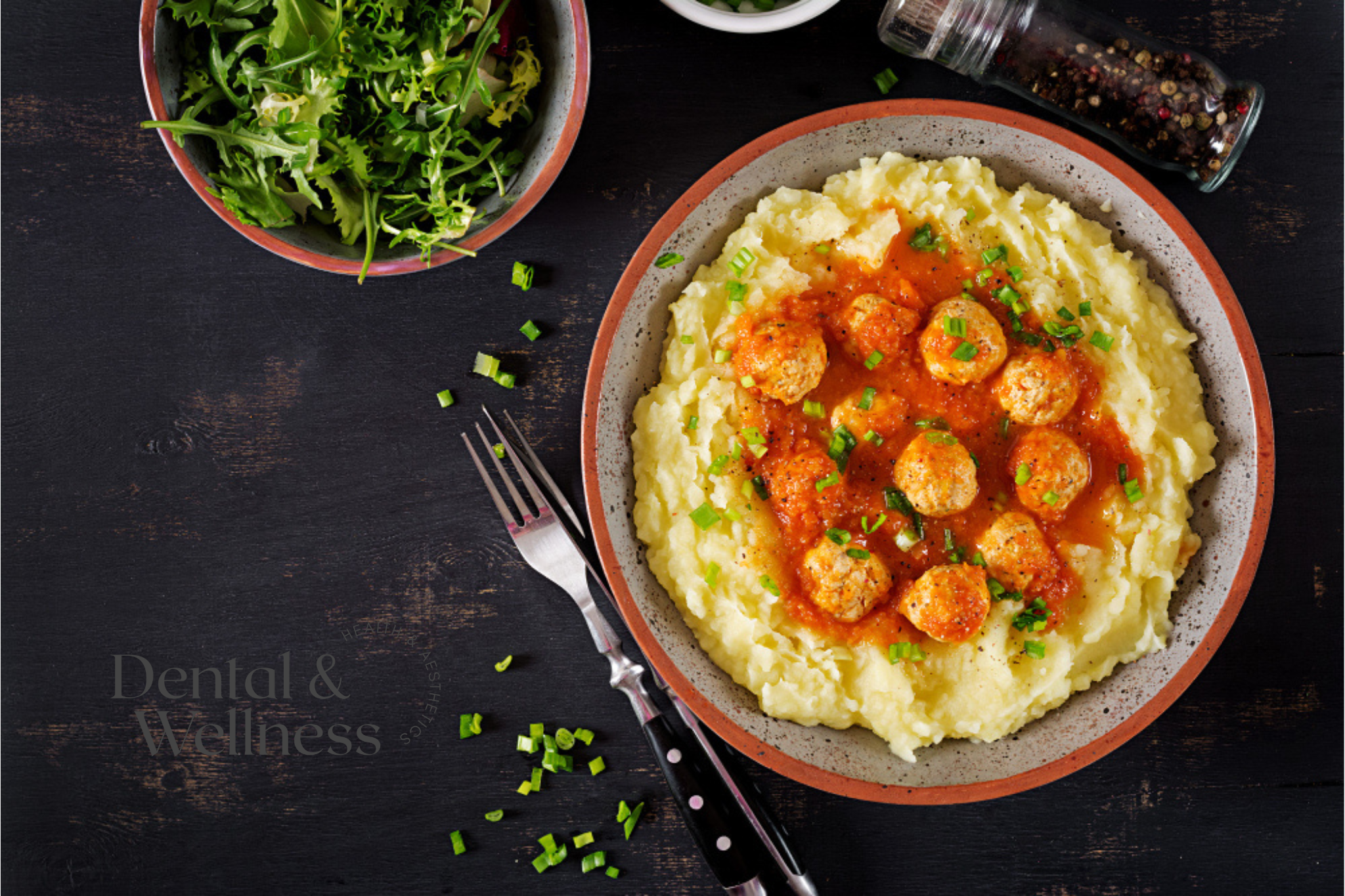
- Mashed potatoes: Use plain or sweet potatoes, blended until smooth. A little butter adds calories without irritating the site. Potassium helps maintain fluid balance.
- Scrambled eggs: Cook until soft with minimal seasoning. Eggs provide high-quality protein to support wound closure. Serve at room temperature.
- Oatmeal or porridge: Prepare instant oats until fully smooth. Add mashed banana for natural sweetness and extra B vitamins.
- Pudding or jelly: Protein-rich pudding supports healing, while jelly keeps you hydrated with minimal effort.
Day 4-7: Semi-Soft Transition
The clot is more stable now, so you can add soft chewables. Remember to chew on the opposite side of the extraction site.
- Cottage cheese: Soft curds offer calcium and protein; blend if you need a smoother texture.
- Avocado: Mashed ripe avocado gives healthy fats and vitamin E to support inflammation control. You can add it to soft bread later.
- Delicate fish: Flaked salmon or similar soft fish provides omega-3s that help reduce swelling.
- Well-cooked pasta: Slightly overcooked noodles or pasta in broth are easy to swallow and gentle on the mouth.
Foods to Avoid Post-Extraction
After tooth extraction, skip certain foods to protect the healing site and avoid issues like dry socket. These can irritate the wound, dislodge clots, or cause infection.
Hard and Crunchy Foods
Nuts, chips, popcorn, and hard candies require heavy chewing, which stresses the extraction area. Raw veggies like carrots also pose a risk of poking the socket.
Chewy and Sticky Items
Steer clear of caramels, gums, and dried fruits such as raisins. They cling to the extraction site, trap bacteria, and slow down recovery.

Spicy and Acidic Picks
Hot peppers, citrus fruits, tomatoes, and vinegar dressings sting sensitive tissues and spark inflammation. Carbonated drinks and alcohol further delay healing.
Other Risks
Skip seeds, grains, and hot foods for the first week. Opt for soft options to speed up your path to full comfort.
How Does Hydration Help in Healing After Extraction?
In addition to knowing which foods to eat after a tooth extraction, you must also understand the importance of proper hydration. Water keeps tissues moist and helps maintain normal saliva flow, which reduces bacterial growth and protects the healing site.
Adequate fluid intake (around 8 to 10 glasses) also supports circulation, which helps the body deliver nutrients needed for tissue repair. Sip water slowly throughout the day and avoid straws, as suction can disturb the blood clot. Staying well-hydrated keeps you comfortable and supports steady healing in the first week.
Healing Tips Recommended by Dentists
As per the experts at Dental & Wellness London, these simple daily steps can protect the socket, control pain, and speed healing after a tooth extraction:
- Rest for the first 24 to 48 hours and keep your head elevated to reduce bleeding and swelling.
- Bite gently on the gauze pad as instructed to form a stable blood clot and control oozing.
- Do not smoke, vape, or drink alcohol, as these slow healing and raise the risk of dry socket.
- Avoid straws, vigorous rinsing, or spitting to prevent the blood clot from dislodging.
- In the initial days, choose soft foods like yoghurt, broths, scrambled eggs, and smooth mashed potatoes.
- Drink plenty of water, but avoid very hot drinks that can irritate the area.
- Start with gentle, warm saltwater rinses after 24 hours to keep the mouth clean.
- Gently brush your teeth and floss, avoiding the extraction site.
- Use prescribed painkillers or antibiotics exactly as directed by your dentist.
Call your dentist at once if you notice severe pain, a foul taste, fever, or prolonged bleeding.

Final Words
Knowing which foods to eat after a tooth extraction can significantly promote faster healing and reduce discomfort. Opt for soft, cool, and nutritious foods like yoghurt, mashed bananas, scrambled eggs, and avocado. Avoid hot, spicy, or crunchy items that might aggravate the extraction area.
If you are preparing for a tooth extraction, our team at Dental & Wellness London is here to guide you through every step. Our expert team also provides emergency dental services in Islington, ensuring you receive prompt and professional care when you need it most.
For personalised advice on post-extraction care or to book a consultation, contact our Islington dentist on 02081274567 or email us at [email protected]. You can also visit us at 222 Essex Road, London N1 3AP.
FAQs
Is it safe to eat while my mouth remains numb?
Since a portion of your mouth could still be numb, eating after an extraction isn’t recommended. You might also mistakenly bite your tongue, cheek, or lip and not even feel it. You may also be susceptible to burning yourself with foods or beverages.
When can I start brushing my teeth?
Most dental professionals agree that you should avoid brushing the extraction site for at least 24 hours to avoid dislodging the blood clot. Afterwards, brush your other teeth lightly with a soft brush, avoiding the socket entirely until your dentist advises you when normal brushing can be resumed.
What drinks should I avoid?
Avoid hot drinks, such as coffee or tea, as heat can increase bleeding and may disturb the developing blood clot. You should also avoid carbonated beverages, acidic juices, or alcohol, as they may irritate tissues or delay healing.
Is caffeine alright after a tooth extraction?
Avoid caffeine for 24 to 48 hours after extraction, as hot coffee may dislodge or dissolve the blood clot, leading to dry socket. Caffeine increases blood pressure, increases the risk of bleeding, and delays healing by constricting blood flow.
Is alcohol consumption possible following tooth extraction?
No, it’s best to avoid alcohol following a tooth extraction for at least 72 hours and even a week. This is because it thins the blood, impairs blood clot formation, increases the risk of dry socket, dehydrates tissues, and doesn’t combine well with pain medicines; it can also cause dizziness or infection.

Dr. Vishal Patel
Dr Vishal Patel has been transforming smiles and confidence since 2006. Trained by the AACD in the USA and holding an MSc from Manchester, he blends advanced dentistry with facial aesthetics, including Botox and dermal fillers. Having cared for patients across London, Essex and Melbourne, his calm, holistic approach builds trust and results that feel beautifully natural.