


TL;DR
- Mouth guards protect teeth from sports injury, teeth grinding and jaw strain.
- Three main types of mouthguards include stock, boil-and-bite, and custom-made.
- Mouthguards offer many benefits, such as protecting teeth and gums from sports injury, reducing jaw pain, protecting crowns and fillings, and improving sleep quality.
- It is important to choose the right mouthguard based on the material, your dental needs, and your budget.
- Consult a dentist before you choose an appropriate mouthguard.
- Caring for the mouthguard can improve its function; remember to keep it clean through regular brushing and rinsing before and after use.
Mouthguards: A Comprehensive Guide
A mouth guard is an important tool for preventing injury to the teeth and gums. It is useful for active individuals who participate in sports, those who grind their teeth at night, and anyone seeking protection against tooth damage. This soft shield absorbs any impact, so your teeth won't fracture, and your mouth won't be lacerated. Mouth guards now come in a full range for all needs, enabling one to select just the right fit while ensuring safety.
Comfort, good fit, and individual dental needs determine the choice of a mouth guard. Some are specially made by the dentist for top comfort. Others you can buy ready-made from the store. Knowing the benefits of each type helps you choose the perfect mouth guard to save your smile and keep your jaw stable.
What are Mouth Guards?
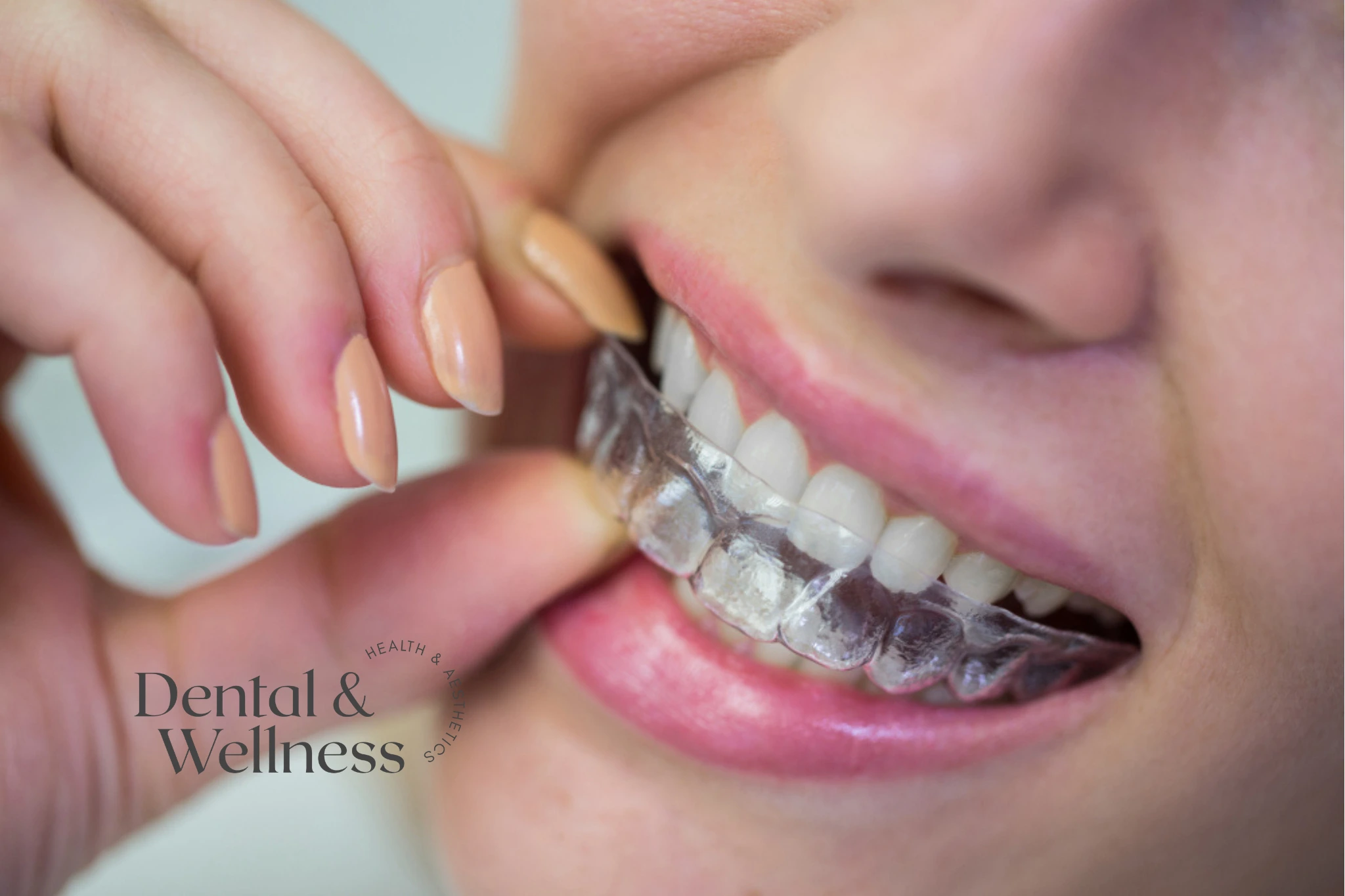
A mouth guard refers to a soft cover worn over teeth and gums for protection against injury from sports or while sleeping. It helps to cushion the blow to the face and reduces the risk of teeth fracture, laceration, or damage to the jaw.
A gum shield mouthguard fits comfortably over the upper or lower teeth, resting steadily and securely, especially for athletes or children with braces.
People wear a mouthguard for contact sports such as boxing or rugby, for grinding teeth at night (bruxism), or for sleep problems like sleep apnoea.
Types of Mouthguards
There are three main types of mouthguards available to fit different needs and budgets.
- Stock mouthguards: They are ready-made from the stores. They are affordable but have poor fit and comfort. These guards feel bulky, making breathing or talking hard. They are best for quick and cheap use.
- Boil-and-bite mouthguards: They soften in hot water; you bite them to shape them to your teeth. These fit better than stock mouthguards, but cost less than custom-made ones. They are recommended for sports players for short-term use.
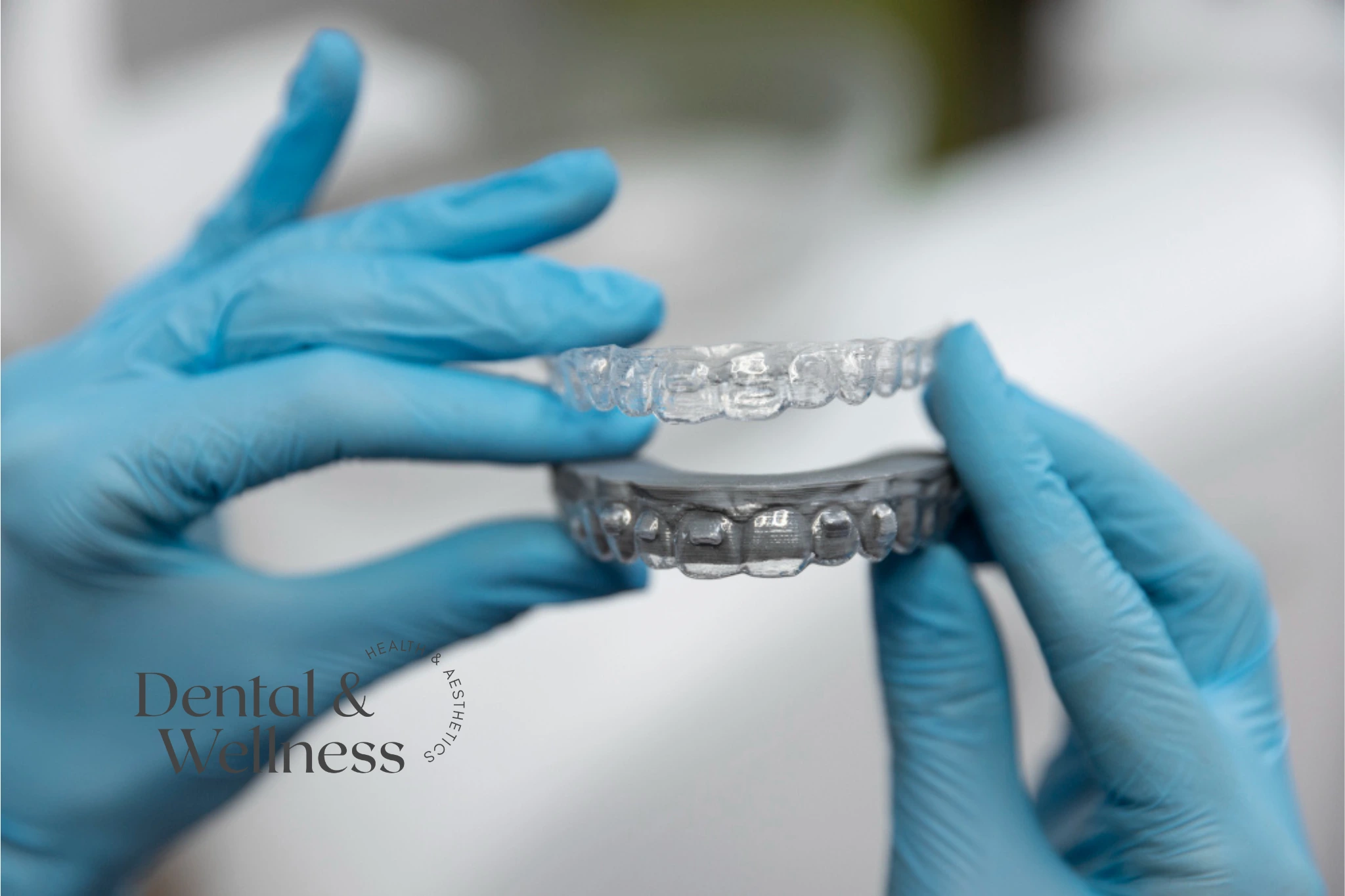
- Custom mouthguards: Dentists make these from the moulds of your teeth. They fit perfectly and thus provide the highest comfort and protection. They guard the teeth, gums, and jaws best but cost more.
Some mouth guards cover both top and bottom teeth. Called bimaxillary, they give more protection but are thicker. The common ones, the single-jaw types, are for the upper teeth.
Benefits of Mouthguards
Dentists at Dental & Wellness London point to many benefits of using mouthguards to improve your oral health and overall well-being. Here are the main advantages:
- Protects teeth from injuries: Mouthguards provide a cushion-like effect against heavy forces during sports activities or accidents that cause fractures or tooth chipping.
- Prevents soft tissue damage: They prevent the lips, tongue, and gums from cuts and bruises resulting from accidental biting or due to an external blow.
- Reduces teeth-grinding damage: If you have bruxism, a mouthguard protects your teeth from wear and tear during grinding or clenching in sleep.
- Reduces jaw pain and TMJ symptoms: A mouthguard helps to maintain proper jaw position, which reduces excessive force of the muscles involved in the jaw joint.
- Improves sleep quality: Special sleep apnea mouthguards help to keep the airways open, reduce snoring, and allow for better breathing through the night.
- Protects dental work: These prevent the crowns, implants, or braces from damage, thus keeping dental work safe.
- Improves athletic performance: Some athletes perform better because they are given proper protection to the mouth and jaw, which could increase confidence and focus.
- Custom fit comfort: Dentist-made mouthguards are well-fitted, hence increasing comfort and making them easier to wear continuously.
As per specialists at Dental & Wellness London, using a proper mouthguard, designed for specific needs, may protect oral health, prevent difficult dental repairs, and improve quality of life both during sports and while sleeping.
How to Choose the Right Mouthguard?
Picking the right mouthguard keeps your teeth safe and feels comfortable. Here are some useful tips to choose one:
- Match your needs: Pick a mouthguard for sports, grinding teeth, or sleep problems. Sports need thick guards, and nighttime use needs thin and soft types.
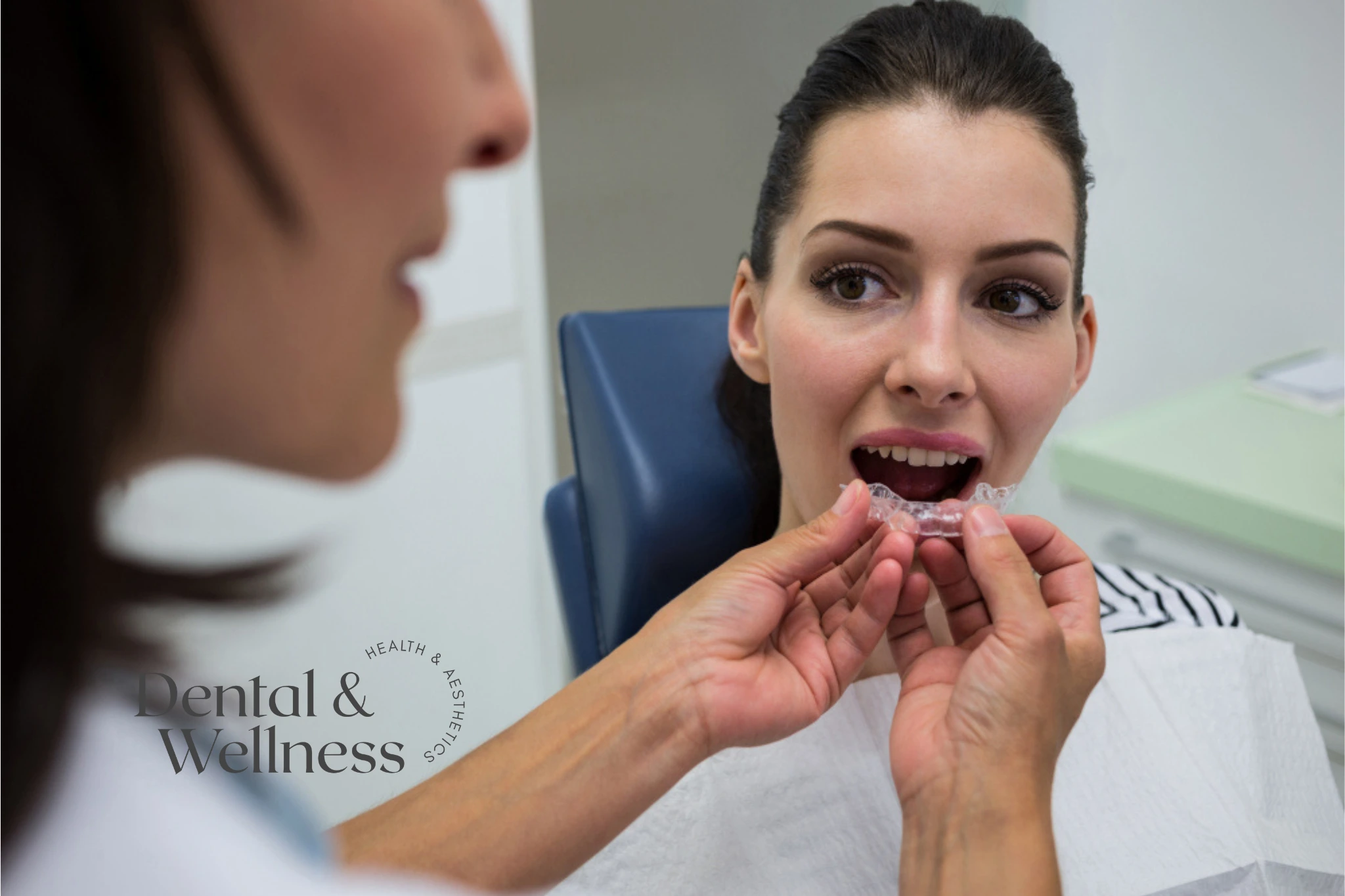
- Check the fit: It should stay comfortable and fit well. Test breathing and talking while wearing the guard to check the fit.
- Choose the type: Go for guards that meet your needs, like for sports or during sleep. Your budget should also be considered when choosing mouthguards; stock ones are usually cheaper.
- Check the material: Silicone guards work the best since they are comfortable, absorb pressure, feel soft, and are gentle on the gums. The material used should not cause any allergy or gum irritation.
- Test for comfort: You should not feel gagging or any pain when you wear the guards. It should cover teeth and gums, but not go too far back.
- Check the durability: Pick tear-proof ones because they are easy to clean and do not get damaged easily.
- Set a budget: Custom mouthguards are costlier but offer the best fit and can last up to a year.
How to Care for Your Mouthguards?
Proper care keeps your mouthguards clean, safe, and long-lasting. Follow these simple tips shared by experts at Dental & Wellness London:
- Rinse after every use with cold water to remove food particles.
- Brush the guard gently with a soft toothbrush and mild soap.
- Rinse properly after brushing the guard. Let it air dry on a clean cloth for a few minutes. No moisture should be left, as it can grow germs.
- Store in a tight-lid case that you clean often. Keep away from heat, sun, or pets.
- Deep clean weekly by soaking in vinegar, mouthwash or hydrogen peroxide for 30 minutes. Rinse well after cleaning.
- Check for cracks; replace every six to twelve months or as your dentist suggests.
- Brush teeth before wearing the guards.
- Never share your mouthguard with others.
Conclusion
A mouthguard is a simple yet powerful device for protecting your teeth and gums from injury during sports or night grinding. With various types available from stock to custom-fit, you can find one that offers comfort, durability, and the right level of protection for your needs. Using a mouthguard reduces dental damage and jaw pain and improves your overall oral health.
If you are looking for expert advice or a custom fit, Dental & Wellness London is the perfect choice. Offering specialised night and sports guards in Islington, we provide high-quality solutions designed for your lifestyle. Our team makes sure you get the best protection with a comfortable fit for maximum safety during any activity.
For trusted care from an experienced dentist in Islington, London, Dental & Wellness London combines expert service with individual attention. Visit us at 222 Essex Road, London N1 3AP, or call 02081274567 to book an appointment. You can email us at [email protected] for further details.
FAQs
When should I change my mouthguard?
Change your mouthguard every six to twelve months. Check for any signs of wear and tear. A damaged mouthguard won't protect your teeth and gums properly, so change it as needed to stay safe.
Can I talk easily with my mouthguard?
Yes, you can easily talk with a mouthguard inside. Initially, it might feel heavy, but most people adjust quickly. You might need to speak slowly at first, but your speech will become natural soon.
Can children use a mouthguard?
Yes, kids can use a mouthguard, especially during sports. Consult a dentist to choose the right type and fit. They will teach the kids about care and use accordingly.
Can I wear a mouthguard all day?
It's generally not advised to wear a mouthguard all day, especially if it's not designed for prolonged use. This can cause jaw discomfort, tooth shifting, or gum irritation. Use it only as directed.
Will a mouthguard help with snoring?
A mouthguard can reduce snoring if it's caused by mild sleep apnea or improper tongue position. Check with your dentist or doctor before getting one.

Dr. Vishal Patel
Dr Vishal Patel has been transforming smiles and confidence since 2006. Trained by the AACD in the USA and holding an MSc from Manchester, he blends advanced dentistry with facial aesthetics, including Botox and dermal fillers. Having cared for patients across London, Essex and Melbourne, his calm, holistic approach builds trust and results that feel beautifully natural.