Bunny lines — the nose wrinkles that often appear after aesthetic treatment
Reviewed By
Last Updated
October 1, 2026
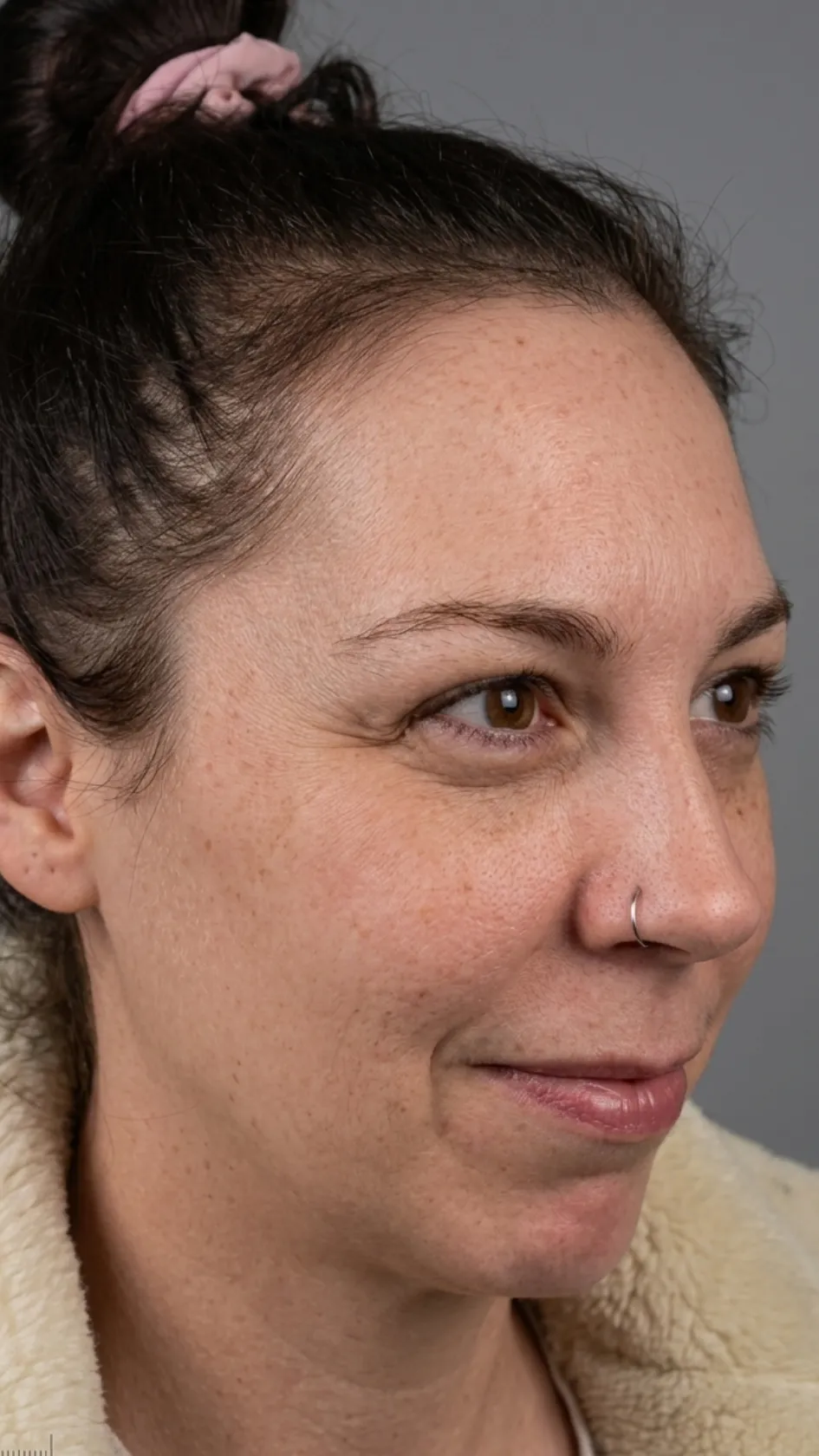
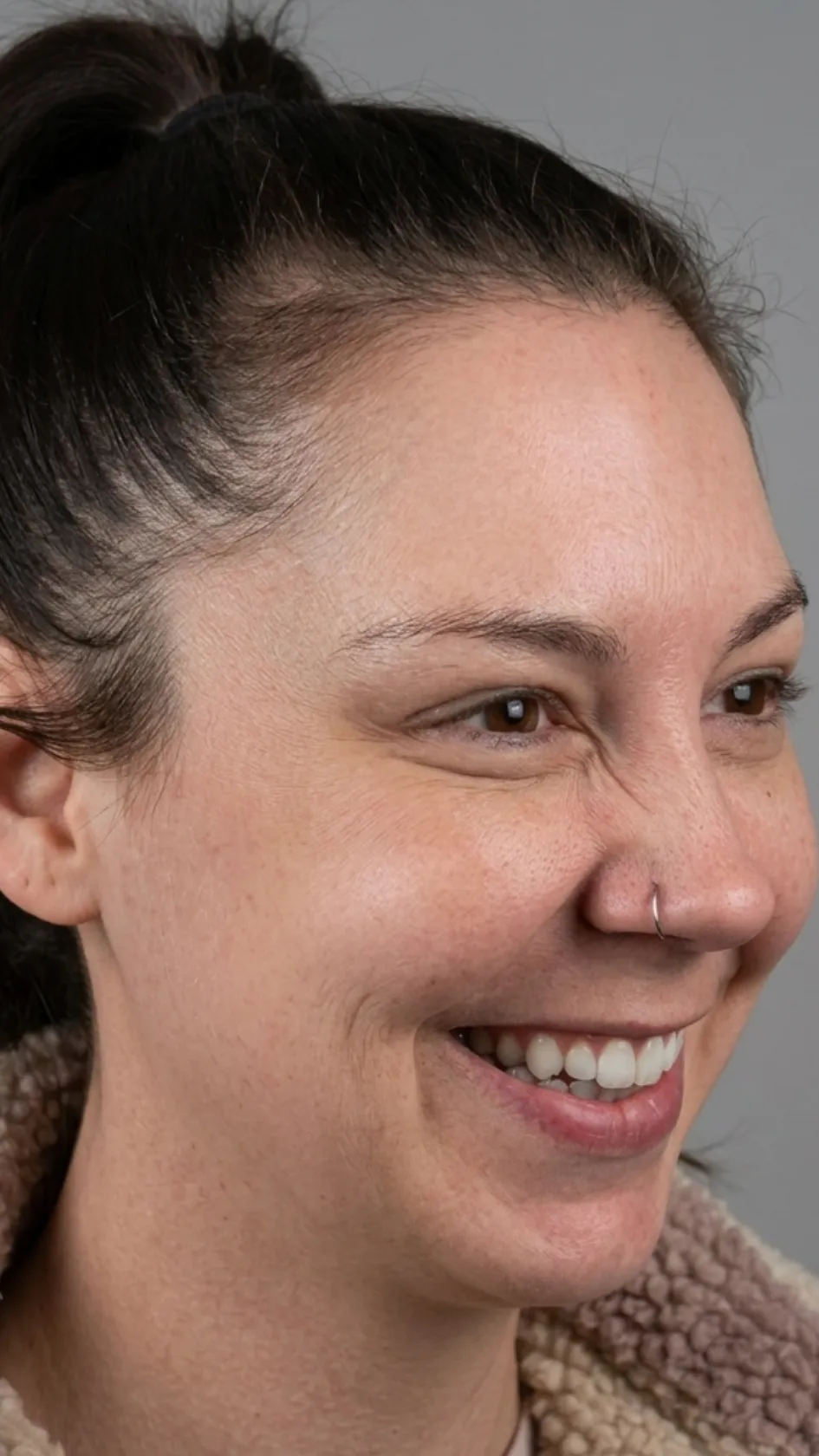
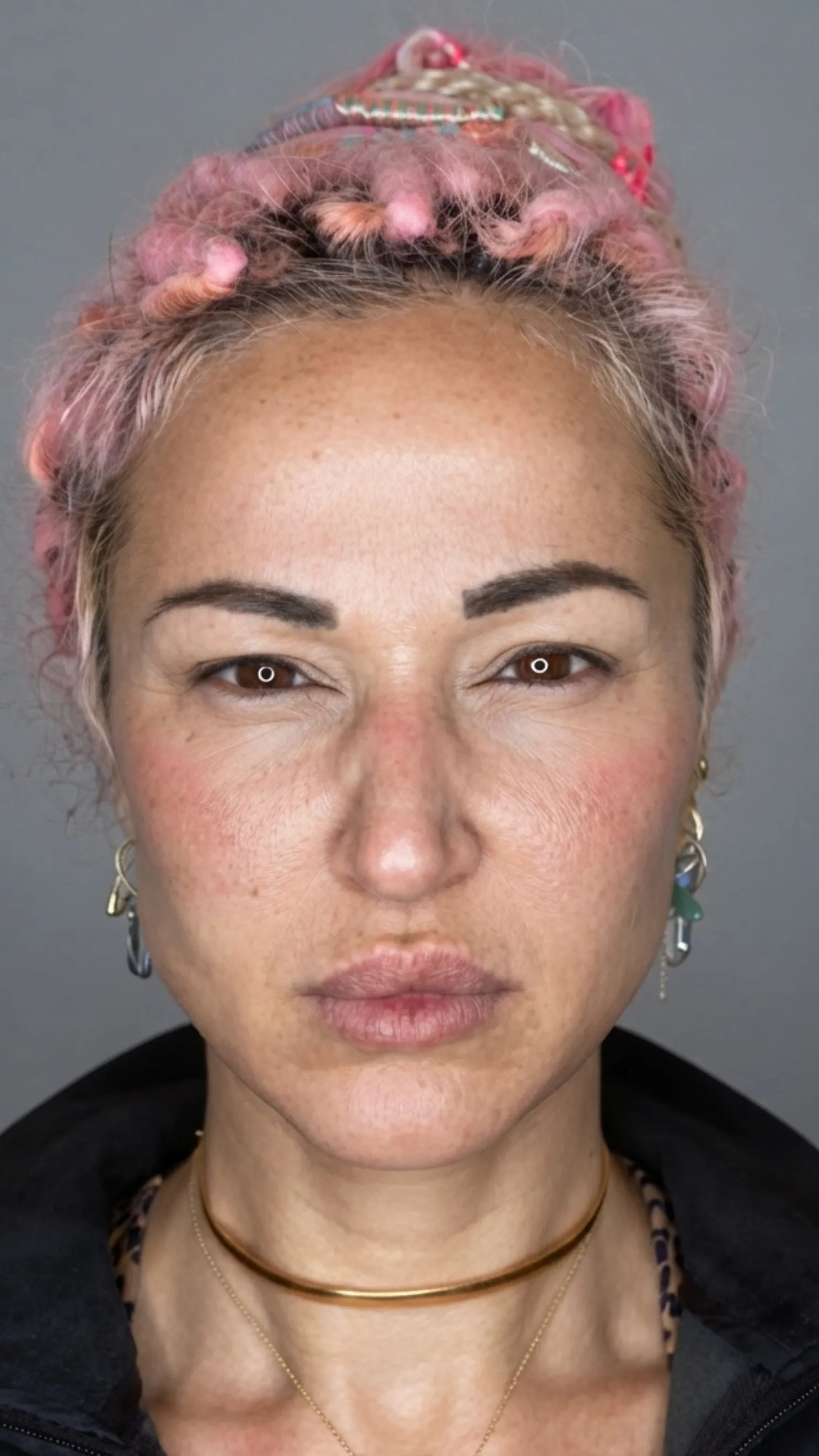
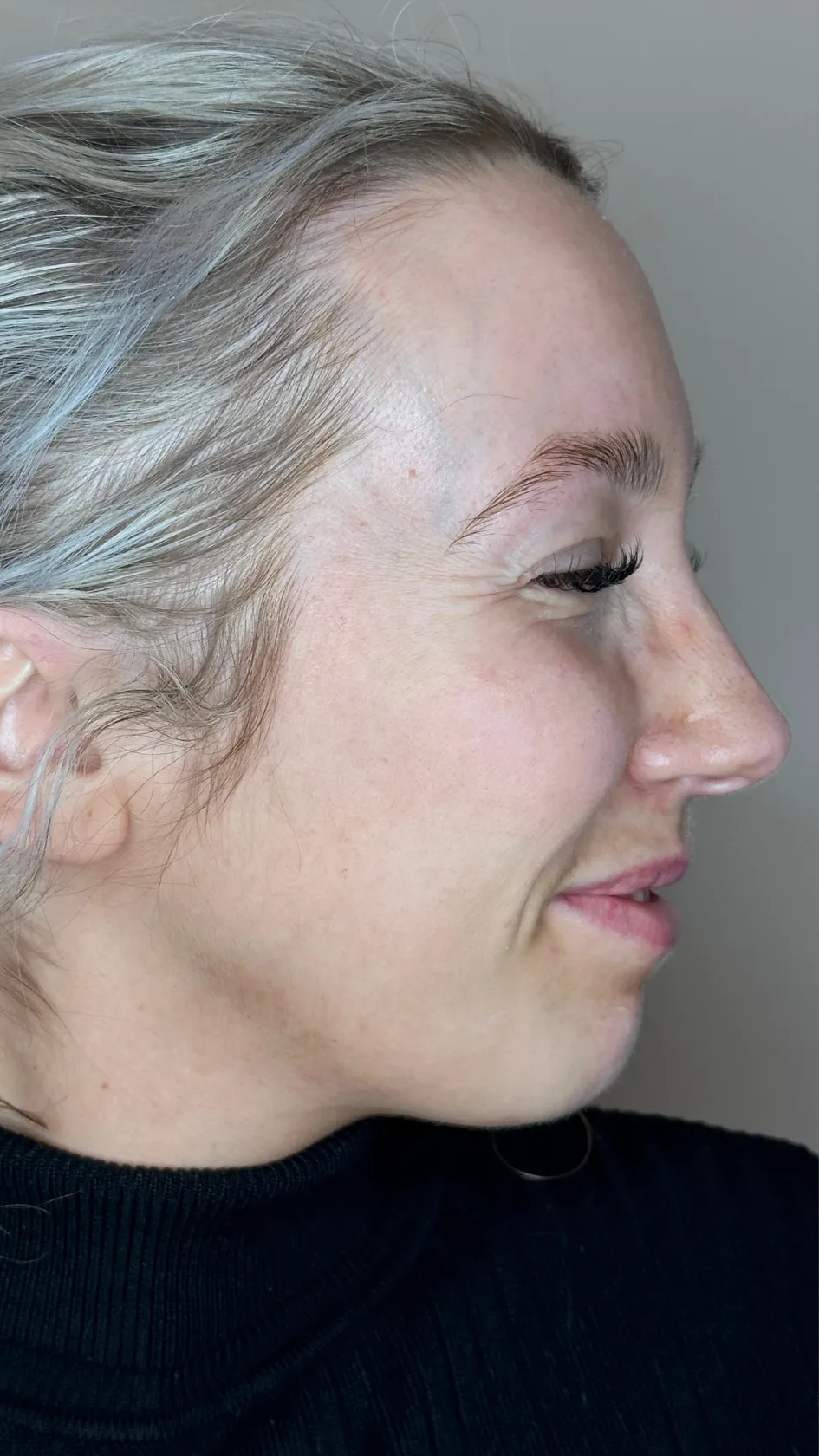
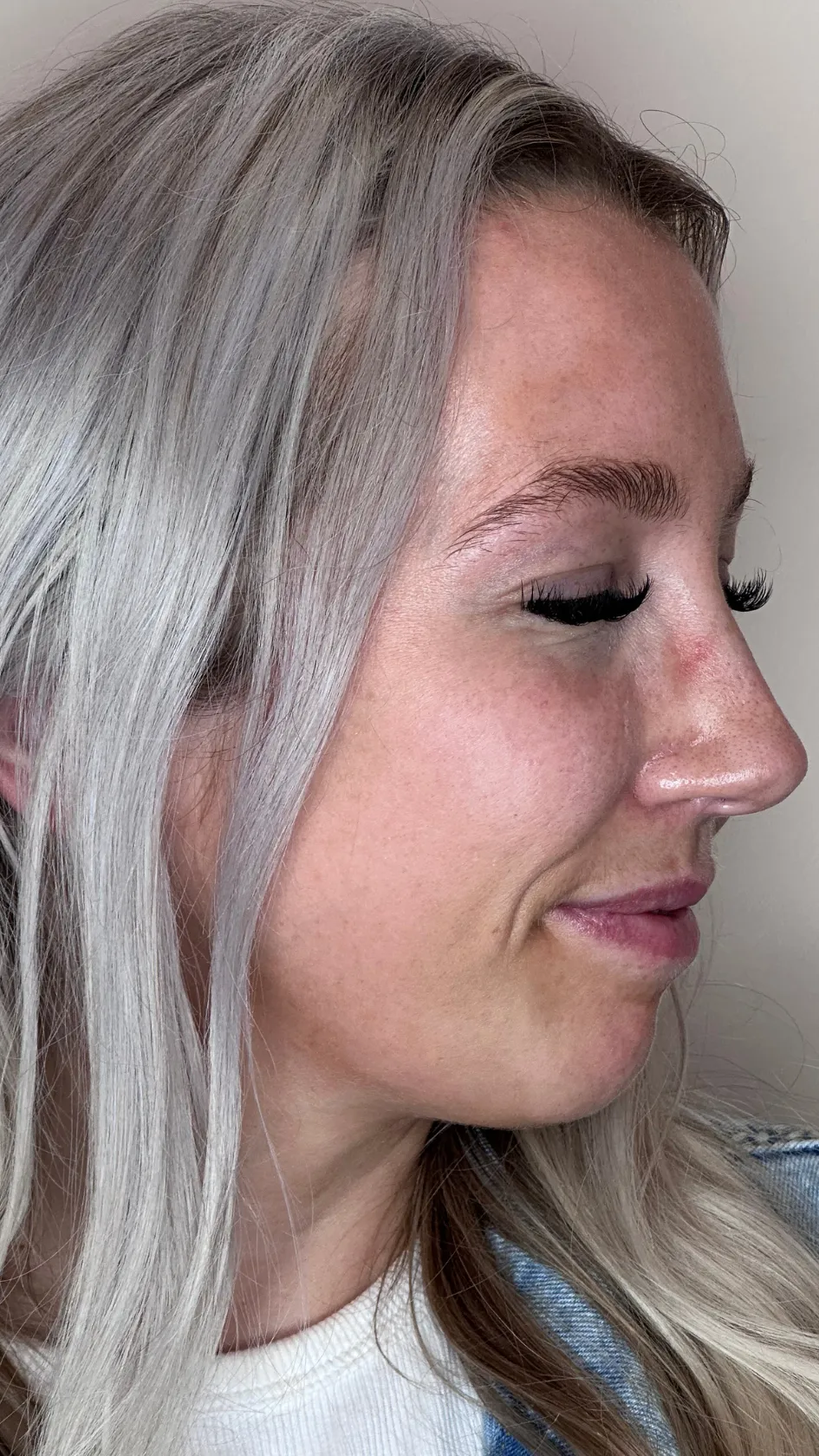
Bunny lines are the diagonal wrinkles that fan across the bridge and sides of the nose when you scrunch or smile, produced by the nasalis muscle. They often become more visible after muscle-relaxing treatment elsewhere on the face. Where they bother you, a small dose of anti-wrinkle treatment or skin-quality treatment can help, after a consultation at our Islington clinic.
Visible Signs & Symptoms
Bunny lines are the short diagonal creases that appear across the bridge and upper sides of the nose during animation: when you laugh, scrunch, sniff, or pull a "bunny" expression. They are produced by the nasalis, a small muscle that wraps over the upper part of the nose and helps it move with your expressions.
They are a normal feature of an expressive face rather than a flaw. Plenty of people who notice them do not need any treatment, and that is a reasonable starting point for any conversation about them.
Signs you may notice
- Fine diagonal lines fanning out from the bridge of the nose towards the inner corners of the eyes when you smile or laugh.
- Lines that are clear in photographs taken mid-laugh but invisible when your face is at rest.
- Lines that seem to have appeared recently, often a few weeks after treatment to the forehead, frown lines or crow's feet.
- In some people, faint lines that remain visible at rest, suggesting the skin over the nose is beginning to crease.
Dynamic or setting in
The distinction we care about most is whether the lines are dynamic, visible only in movement, or beginning to set in at rest. A dynamic line is mainly a muscle question. A line etched at rest is partly a skin-quality question. The two are approached differently, and confusing them is a common reason treatment disappoints.
Bunny lines often sit alongside other expression lines, such as crow's feet and frown lines, and they are best considered as part of how the whole face moves rather than as a single line in isolation. You can read more about expression lines in general on our fine lines and wrinkles page.
Clinical Root Causes
Bunny lines come from the nasalis muscle doing its ordinary work. How visible they are depends on how strongly that muscle recruits, how the surrounding muscles behave, and the quality of the skin over the nose.
Compensatory muscle recruitment
The muscles of facial expression work as a connected system. When the muscles around the eyes or between the brows are relaxed by aesthetic treatment, the nasalis is freed of some of its usual competition. It can then recruit more strongly during a smile or scrunch, and lines that were previously hidden become visible. This is the most common reason people first notice bunny lines. It is not a complication; it is anatomy, and it is largely foreseeable when the whole face is planned together.
Natural expression habits
Some people simply scrunch the nose more when they laugh, squint or concentrate. Over years, repeated movement in the same place encourages a crease to form.
Loss of skin elasticity
With age, the skin over the nose gradually loses collagen and elasticity. Lines that once smoothed out as soon as the face relaxed begin to linger, and eventually some may remain at rest.
Other contributing factors
- Sun exposure: ultraviolet light accelerates the breakdown of collagen, so daily sun protection matters for the nose as much as anywhere else.
- Smoking: associated with earlier and deeper facial lines.
- Squinting: uncorrected vision or bright light can encourage frequent scrunching.
- Genetics and facial anatomy: the shape of the nose and the strength of the nasalis vary from person to person.
Why you might notice them after other treatment
Bunny lines are harmless. They carry no health risk, and leaving them alone is entirely reasonable. The question is whether they bother you, and if so, what is driving them.
Why the cause matters
If bunny lines appeared after treatment elsewhere on the face, chasing the single line in isolation can lead to a cycle of small top-up treatments, each prompting the next. A whole-face plan usually works better. Equally, treating a skin-quality problem as if it were a muscle problem, or the reverse, tends to give a disappointing result.
Leaving them untreated
Dynamic lines may gradually become more visible at rest as the skin ages. That progression is slow and varies widely between people. Daily sun protection and good skincare help, whatever you decide about treatment.
Prevention is often simpler than correction
If you have not yet had any anti-wrinkle treatment and would like to avoid bunny lines appearing later, the most useful step is to have the face assessed as a whole before any single area is treated. Planning in proportion allows the nasalis to be considered from the outset, so compensation is anticipated rather than discovered afterwards. Treating one region at a time, without regard to its neighbours, is the most common route to new lines appearing. We design with your future in mind, which on the face means a balanced, natural result rather than a series of corrections.
When to seek advice
- You have noticed new lines after aesthetic treatment and want to understand why.
- Lines are beginning to remain at rest and you would like to discuss skin-quality options.
- You are planning anti-wrinkle treatment for the first time and would like the face assessed as a whole beforehand.
If you have unexpected effects after aesthetic treatment, such as drooping, asymmetry or changes to your vision, contact the clinic that treated you promptly, or your GP. Our role at consultation includes an honest view on whether you need any treatment at all.
The treatment routes, explained honestly
This page is informational. The right route for you is decided in consultation, where any prescription-only option is assessed individually and explained in writing.
Dynamic lines that bother you: anti-wrinkle treatment of the nasalis
Where bunny lines appear in movement and trouble you, a small, carefully placed dose of anti-wrinkle treatment can soften the pull of the nasalis. Many people know this medicine as "Botox". The dose is deliberately small: the nasalis sits close to muscles that shape the whole expression, and over-treating it can flatten a natural smile. The effect is temporary, typically wearing off over a period of months, and results vary. It is a prescription-only medicine, so it is only considered after a face-to-face consultation, and it is prescribed and administered by Dr Vishal Patel.
Lines setting in at rest: skin-quality treatment
Where the skin over the nose has lost elasticity, treatment that improves skin quality may be more relevant than relaxing the muscle, or may sit alongside it. Profhilo is one option we may discuss; skin boosters are another. These aim to improve hydration and texture across an area rather than to stop movement.
Bunny lines after treatment elsewhere: a whole-face plan
If the lines followed treatment to the forehead or around the eyes, we look at how the face moves as a whole and plan any adjustment in proportion, rather than adding a single treatment to one area.
Doing nothing
For a meaningful number of people this is our recommendation. If the lines appear only in full expression and did not bother you until someone pointed them out, leaving an expressive face expressive is often the most considered choice.
What happens at DWL
Your consultation is with Dr Vishal Patel, a dentist with an MSc in Aesthetic & Restorative Dentistry, around ten years in facial aesthetics, and training in facial anatomy including a cadaver course at the University of Amsterdam. He is the clinic's sole aesthetic prescriber. We watch the face at rest and in expression, look at how the nasalis interacts with surrounding muscles, review any previous treatment, and assess skin quality. We then explain whether treatment is likely to help and which route suits you, with costs, before anything is booked. Bunny lines can also relate to the upper lip and smile, which we cover on our gummy smile page.
Cost
- Skin and aesthetic consultation: £65, redeemable in full against treatment
- Anti-wrinkle treatment: from £169, including a two-week refresh
- Profhilo: £350 for one session / £625 for two sessions
- Skin boosters: from £250
0% APR finance over 12 months is available on eligible treatment.
Getting here: we are at 222 Essex Road, Islington, N1, two minutes from Essex Road station on the Great Northern line. Buses 38, 56, 73, 341 and 476 stop on Essex Road, and many patients arrive by bike or Lime and Forest e-bike, with Dalston around ten minutes away. We are open Monday to Friday, 8am to 7pm, by appointment.
Frequently asked questions
If your question isn't here, call reception on 020 8127 4567 or book a free discovery call.Text Link
View all FAQs →Why did bunny lines appear after my other treatment?
Compensatory muscle recruitment. When other facial muscles are relaxed by aesthetic medicine, the nasalis muscle is freed of competition and becomes more visible in animation. Comprehensive facial planning prevents this; treating muscles in isolation often produces it.