A breathing pattern is also a jaw pattern
Habitual daytime mouth-breathing correlates with a different jaw posture, tongue resting position, and, in children, a different developmental trajectory of the face. By the time it shows up as snoring or bruxism in adulthood, the breathing pattern has often been the silent driver for half a lifetime.
How a normal breath uses the jaw and tongue
In healthy nasal breathing, lips are gently closed, the tongue rests against the palate, and the jaw sits slightly forward. Mouth-breathing drops the tongue to the floor of the mouth and rotates the jaw down and back to compensate.
The cluster of conditions that travel together
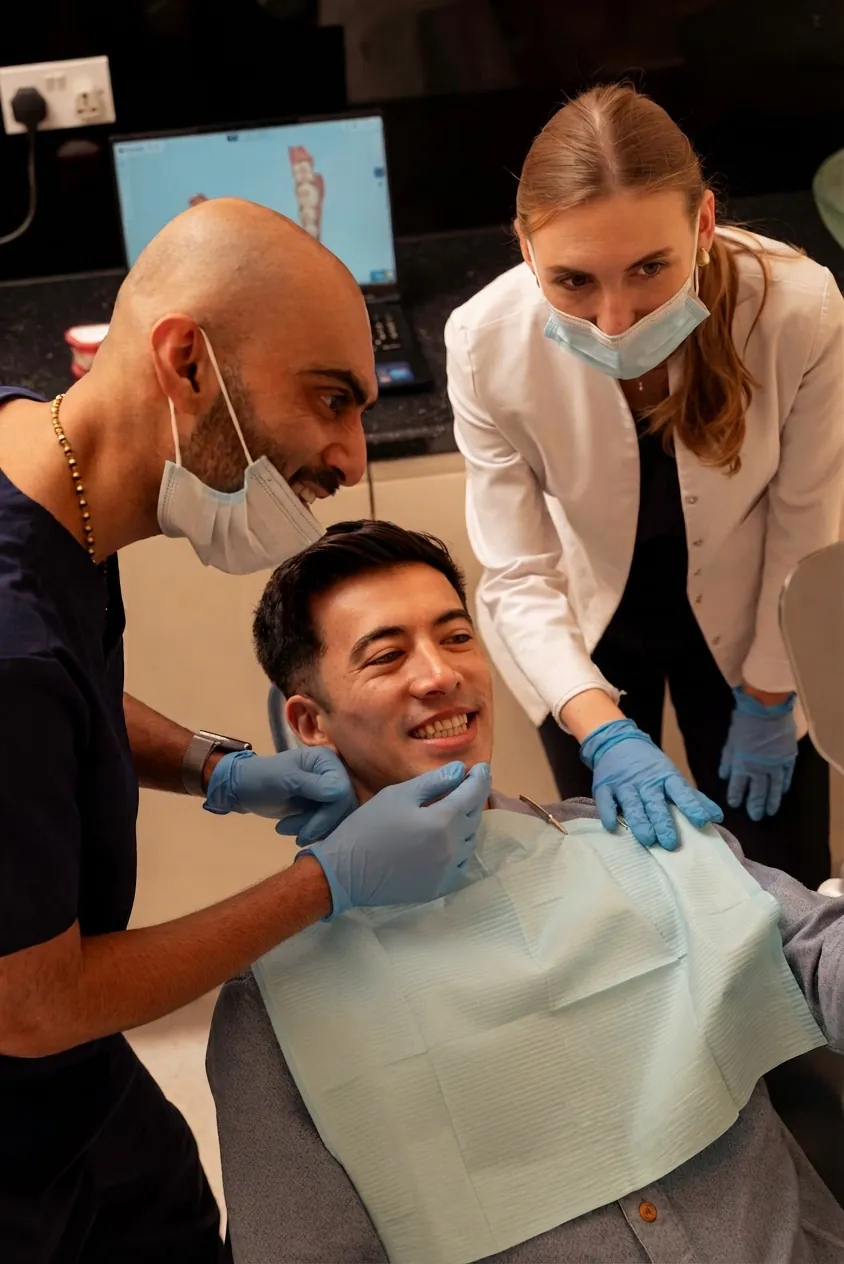
Daytime mouth-breathing, snoring, bruxism, a recessed jaw, sometimes a long facial profile, poor sleep quality, and increased gum inflammation risk often present together — the same underlying pattern recreating multiple consequences.
What this looks like in children — and why it matters lifelong
The upper jaw grows under the influence of tongue position during development. Mouth-breathing children tend toward narrower upper jaws, higher palates, more crowding, and sometimes longer facial profiles — consequences that carry into adulthood.
What this looks like in adults — and what can still change
The developmental window has closed, but functional patterns are still modifiable: addressing the underlying nasal cause, breath-pattern retraining, conscious jaw-posture work, and a mandibular advancement device to support the night-time consequences while the daytime pattern shifts.
The boundary that matters most
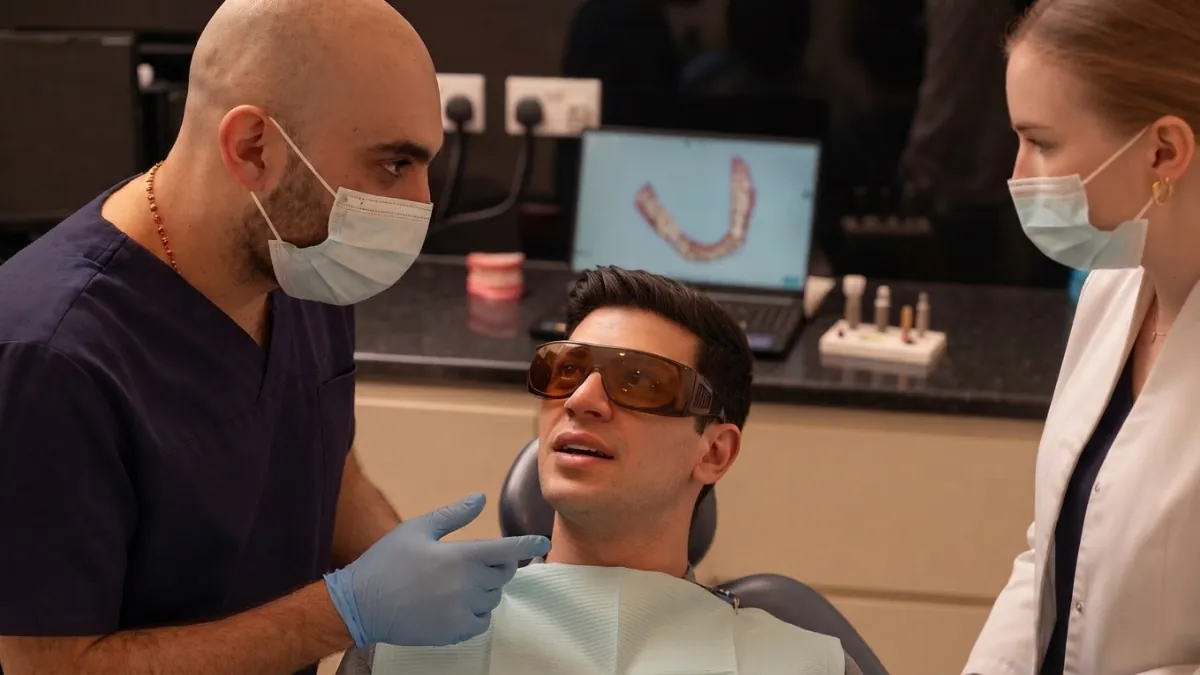
Snoring and disturbed sleep can have many causes, and obstructive sleep apnoea is a medical condition requiring medical diagnosis. We do not diagnose or treat sleep apnoea — where breathing or sleep is the concern, we refer to the appropriate specialist.
Book the discovery call or call reception on 020 8127 4567. 222 Essex Road, Islington.
Written by Dr Vishal Patel, Principal Dentist & Clinical Director. Last reviewed: 11 May 2026. Sleep apnoea is a medical diagnosis requiring sleep-medicine assessment.