TL;DR
- Nasal devices (nose clips, nasal strips) only help when snoring originates in the nose — and the nose is not the most common cause of snoring.
- Nasal strips are adhesive strips that pull the nostrils open to improve airflow, most useful when congestion or a blocked nose is the trigger.
- Nose clips are small, often magnetic inserts that hold the nostrils open to reduce the vibration behind snoring.
- They are a simpler alternative for people who don't get on with mouth-based (oral) appliances.
- If snoring persists, the cause may sit lower in the airway (mouth or throat) — worth a professional assessment rather than relying on nasal gadgets alone.
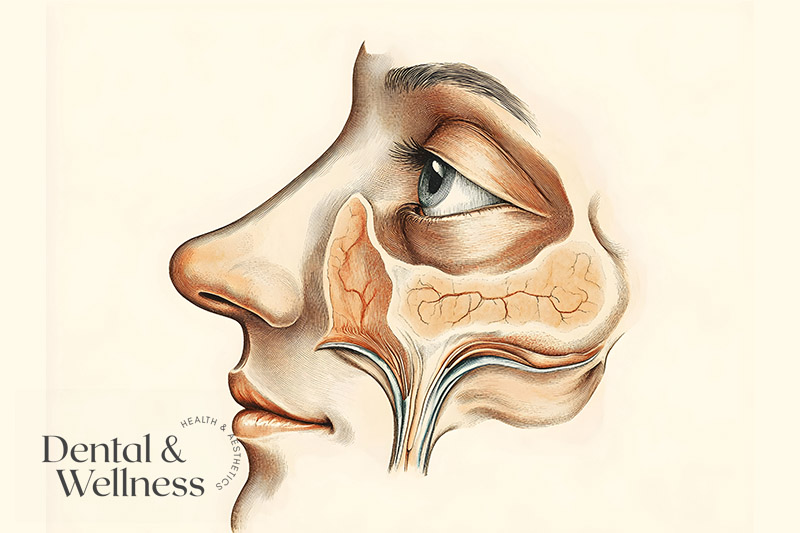
Let's look at anti-snoring devices, understand their pros and cons, utilising educational research available today. One must understand that nasal airway is not the most common cause for snoring. This article focuses on just the nose related issues and devices. The nasal devices are an alternative for individuals who find mouth-based solutions less suitable.
What Are Anti-Snoring Devices and How Do They Work?
Snoring solutions come in various forms, including nasal strips, nose clips, and other oral appliances. These devices work by improving airflow, keeping nasal passages open, or repositioning parts of the mouth and throat to prevent snoring.
What Is a Nose Clip and How Does It Help?
A nose clip is a small, often magnetic, device that fits into the nostrils. It is designed to reduce snoring by keeping the nasal passages open, allowing for smoother airflow and minimizing vibration in the back of the throat.
How Do Nasal Strips Work to Reduce Snoring?
Nasal strips are adhesive strips placed on the nose to gently pull open the nostrils. This helps increase airflow, which can prevent snoring and improve sleep health. These strips are particularly useful for people whose snoring is caused by nasal congestion or restricted nasal passages.
What Is a Magnetic Nose Clip and Its Benefits?
A magnetic nose clip is a device that uses small magnets to help keep the nostrils open. It is one of the most comfortable and non-invasive devices for snoring. There are many causes of snoring, some are extrinsic and some are anatomy related. Magnetic nose clips focuses on ensuring an open nasal passage.
Do Nasal Strips and Nose Clips Really Help Stop Snoring?
While nasal strips and nose clips can be effective, their success depends on the cause of snoring. They are best suited for individuals whose snoring is due to nasal obstruction rather than issues related to the back of the throat or obstructive sleep apnea.
Can Nasal Strips for Snoring Open the Airway?
Yes, nasal strips are designed to reduce snoring by opening the airway and preventing airflow restriction. However, they may not work for individuals whose snoring originates from the mouth and throat rather than the nasal passages.
Do Anti Snoring Devices Reduce Snoring Effectively?
The effectiveness of these devices depends on individual factors, such as the cause of snoring and sleep position. Some individuals find significant relief, while others may require additional treatment options to fully prevent snoring. Our honest dentist's guide to anti-snoring devices compares the main options.
What Do Customer Reviews Say About These Products?
Customer reviews are mixed. Many users report experiencing less snoring and better sleep quality when using nasal strips or nose clips. However, others find that these solutions do not address the root cause of their snoring and sleep apnea.
What Are the Causes of Snoring and How Can Devices Help?
What Are Common Causes of Snoring?
Snoring normally occurs due to obstruction in the airway. Some common causes include:
● Nasal congestion
● Sleeping on your back
● Excess throat tissue
● Weak throat muscles
● Obstructive sleep apnea
How Do Nasal Congestion and Airflow Affect Snoring?
When nasal passages are blocked, breathing through the nose becomes difficult, increasing the likelihood of mouth breathing and snoring. Anti snoring devices like nasal strips help keep the airway open. If mouth breathing is a habit, our mouth breathing treatment page explains the usual causes.
Can Anti-Snoring Devices Address Obstructive Sleep Apnea?
Some devices, such as the ApneaRx sleep apnea mouthpiece, are designed specifically to treat snoring and sleep apnea by repositioning the lower jaw. However, nasal strips and nose clips may not be sufficient for obstructive sleep apnea patients. Sleep apnoea is diagnosed and managed by a GP or sleep physician; see our page on snoring and sleep apnoea.
What Are the Different Types of Anti Snoring Devices Available?
Devices come in various forms, including:
● Nasal Strips: Help open nasal passages.
● Nose Clips: Prevent nasal collapse.
● Internal Nasal Dilators: Expand the nostrils internally.
● Mandibular Advancement Devices (MADs): Move the jaw forward to improve airflow.
● Tongue Retaining Devices (TRDs): Hold the tongue in place to prevent airway obstruction.
What Are the Features of Nose Clips and Magnetic Nose Clips?
Nose clips and magnetic nose clips are:
● Small and portable
● Easy to use
● Non-invasive
● Reusable
How Do Snore Strips Compare to Other Anti Snoring Solutions?
Snore strips are a great snoring treatment option for nasal-related snoring, but they do not address issues related to the mouth and throat. In contrast, mouth-based devices like MADs or TRDs are often more effective for snoring that originates in the mouth and throat.
What Is the Effectiveness of Internal Nasal Dilators?
Internal nasal dilators are designed to keep nasal passages open by placing a small, flexible device inside the nostrils. They are effective for nasal-related snoring but may not help with other snoring issues.
Are There Any Side Effects or Considerations When Using Anti Snoring Devices?
What Should You Know Before Using a Nose Clip?
A nose clip should be properly fitted to avoid discomfort. Some users may experience minor irritation when first using the device.
Are There Any Potential Risks with Nasal Strips?
Nasal strips are generally safe, but they can cause skin irritation or leave adhesive residue on the nose. They are not recommended for individuals with sensitive skin.
What Are Some Alternative Ways to Stop Snoring?
What Lifestyle Changes Can Help Reduce Snoring?
● Sleeping in a different sleep position (avoiding sleeping on your back)
● Maintaining a healthy weight
● Avoiding alcohol before going to sleep
● Keeping nasal passages clear with humidifiers or nasal sprays
Are There Other Snoring Treatments Besides Devices?
Yes, alternative snoring solutions include:
● CPAP therapy: For severe obstructive sleep apnea
● Surgery: For extreme cases where other methods fail
● Natural sleep aids: Herbal remedies or essential oils
Final Thoughts
Anti-snoring devices like nose clips and nasal strips can be effective for certain types of snoring. However, their success depends on the cause of snoring and the unique dimensions of your mouth and throat. If you're susceptible to snoring and looking for a solution, testing different devices and consulting with sleep health professionals can help you find the best options for a better night's sleep. Our guide on how to stop snoring explains when it is medical.
If snoring and sleep apnea are affecting your sleep health, consider consulting sleep health experts to find the right treatment for you.