Masseter treatment side effects are usually mild and temporary: tenderness, mild bruising, and brief chewing fatigue in the first one to two weeks. Less common effects — an asymmetric smile, a hollow or "bulging" look, or chewing weakness — are almost always down to dose and placement, which is why who injects the muscle matters. This briefing, reviewed by Dr Vishal Patel (GDC 103127) at Dental & Wellness London, explains each one honestly.
Why most side-effect lists for this treatment are useless
Search "masseter botox side effects" and you get two unhelpful extremes. One is the clinic page that lists "mild bruising" and stops, because it is trying to sell you the treatment. The other is the horror thread that treats a rare, technique-related complication as if it were the expected outcome. Neither tells you what you actually want to know: which effects are normal, which are avoidable, how long each lasts, and what the difference is between a side effect and a mistake.
That is the honest version, and it is the one we can give, because we provide masseter treatment every working day. Dentists have full understanding of vital facial structures — we perform oral surgery, and we understand blood vessels, nerves, muscle function in this region in a way a general injector usually does not. The single most useful thing to understand before reading any list is this: the masseter is a working muscle, and almost every avoidable side effect comes from putting the wrong amount of medicine in the wrong part of it. Side effects are not random. They track dose and placement.
The common side effects — expected, mild, temporary
These affect a meaningful share of patients, resolve on their own, and are not a sign anything has gone wrong.
Tenderness and mild bruising
The most common effect by far. Fine needles still cross small blood vessels, so a little tenderness at the injection points, or a small bruise, is normal for a few days. It is more likely if you have taken aspirin, ibuprofen, fish oil, or alcohol in the day or two beforehand — all of which thin the blood slightly. Avoiding those where you safely can is the simplest way to reduce it.
Chewing fatigue in the first one to two weeks
As the muscle begins to relax, some people notice their jaw tires more quickly when chewing tougher foods — steak, crusty bread, chewing gum. This is the treatment working, not failing. The masseter is generating less force, and your jaw is adjusting to that. It settles within a couple of weeks as the other chewing muscles take up the slack, and it is one reason we suggest going gently on very hard foods at first, as set out in our masseter aftercare guide.
A feeling of tightness or "heaviness"
A vague sense of the lower face feeling different — not painful, just present — is common in the first week. It passes.
None of these need treatment. They are the body adjusting to a muscle that has been asked to work less hard.
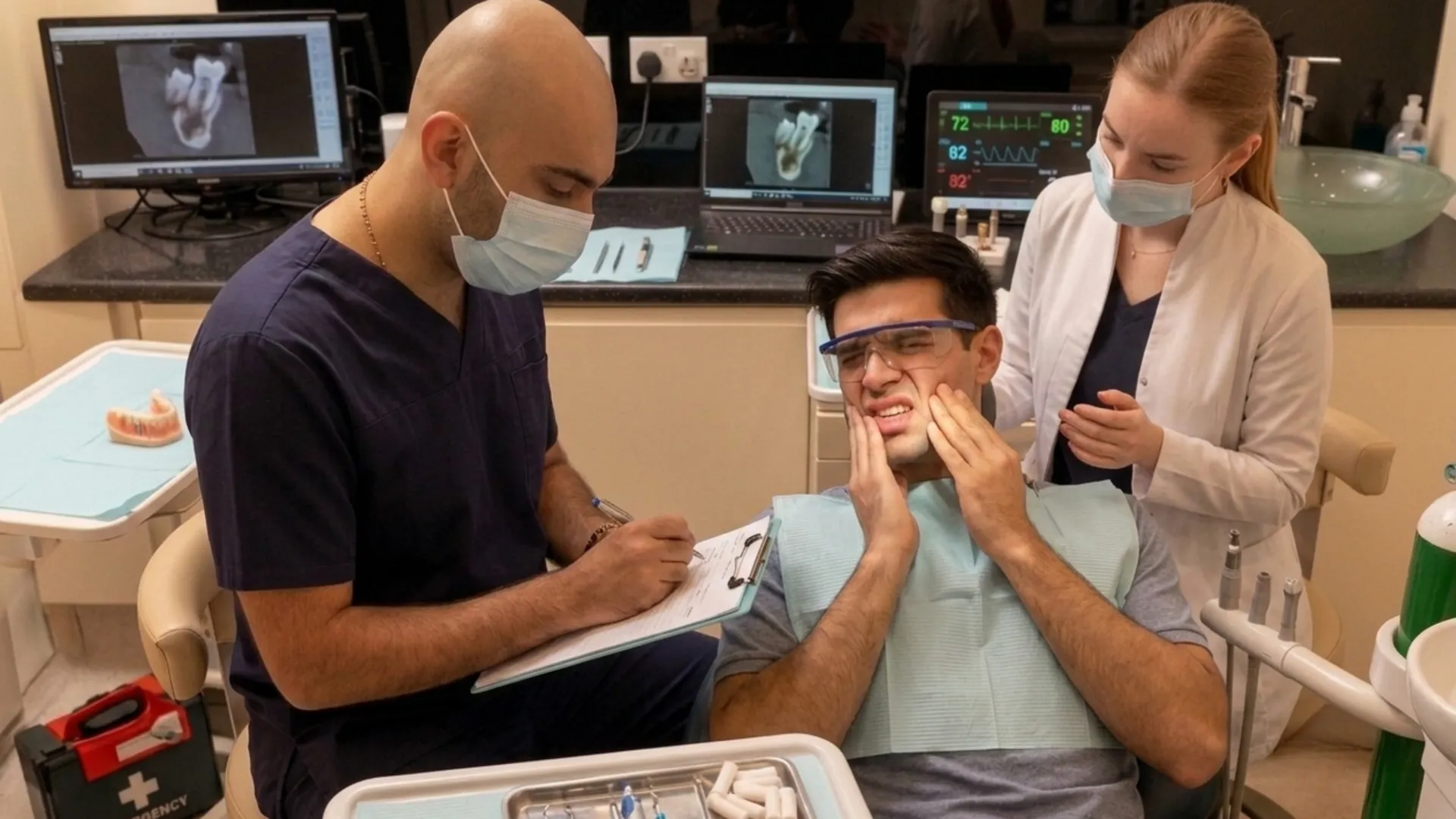
The less common side effects — usually dose and placement
These are uncommon, and the honest framing matters: most are not random bad luck. They are what happens when the dose is too high, too low, or placed in the wrong part of the muscle. This is the section that explains why we are so particular about assessment.
An asymmetric or changed smile
The muscles that lift the corners of the mouth sit close to the upper edge of the masseter. If medicine is placed too high or migrates upward, it can weaken one of them and produce a slightly lopsided smile for a few weeks. It is temporary, but it is avoidable — it comes from injecting outside the safe zone of the muscle. Knowing exactly where that zone sits, and where the smile muscles run, is anatomy we work with daily. Background in Aesthetic & Restorative Dentistry, with its grounding in proportionate treatment and facial symmetry, is precisely about not disturbing the muscles that create a natural smile.
A hollowed or "bulging" appearance
Two opposite problems, both about dose distribution. Over-relaxing the lower part of the muscle can make the cheek look slightly hollow. More talked-about is the "bulge" — where, after treatment, a small portion of the muscle appears to pop outward on clenching. This happens when the deeper or upper fibres are relaxed but a superficial band is left active; that band then does the visible work. It is correctable, and it is far less likely when the muscle is mapped and dosed across its full body rather than with a one-size template. Natural aesthetics and perfect balance are not slogans here — they are the difference between a smooth result and a visible one.
Chewing weakness beyond the normal settling period
If too much medicine is used, chewing fatigue can be more pronounced and last longer than the usual one to two weeks. It still recovers fully as the medicine wears off, but it is uncomfortable, and it is a dosing issue. The right approach is the conservative one: start at the dose your muscle needs, review, and add later if required — never the reverse. We would rather under-treat and top up than chase a fast result and overshoot. We say no often to the "more is better" request for exactly this reason.
Headache
A short-lived headache in the day or two after treatment is occasionally reported and settles with simple pain relief.
The rare ones — worth naming, not worth fearing
Serious complications from masseter treatment are rare in trained hands. Allergic reactions to botulinum toxin are very uncommon. The widely feared idea of the medicine "spreading" to cause swallowing or breathing problems applies to large therapeutic medical doses, not the small aesthetic doses used in the masseter. Naming these honestly is part of informed consent; presenting them as likely would be scaremongering. The realistic risk profile of this treatment, done well, is mild and temporary.
What is genuinely worth your caution is not the medicine — it is the injector. Almost every alarming masseter story online traces back to dose and placement, which is to say, to who held the needle. Our guide to choosing a masseter clinic near you sets out what to look for.
How to avoid the avoidable side effects
Most of the effects worth worrying about are preventable, and the prevention is not on your side of the needle — it is in the assessment.
- Be assessed before you are treated. The muscle should be examined and palpated while you clench, so the dose is matched to your actual muscle, not a standard recipe. A clinic that quotes a flat price without examining you is dosing blind.
- Choose an injector who knows this muscle's anatomy. The smile muscles, the safe zone, the layered structure of the masseter — these are what keep the result smooth and symmetrical. This is full-face anatomy, vital facial structures, blood vessels, nerves and muscle function — the territory dental training covers in depth.
- Start conservative. A lower starting dose with a review beats an aggressive dose you cannot undo. The medicine wears off, but the weeks in between are real.
- Avoid blood-thinning foods and drinks for a day or two beforehand to reduce bruising, where it is safe for you to do so.
- Treat the cause, not just the muscle. If you clench and grind (teeth grinding), the masseter is a symptom. A protective splint and a look at the stress underneath often matter more than the injection — and reduce how often you need it.
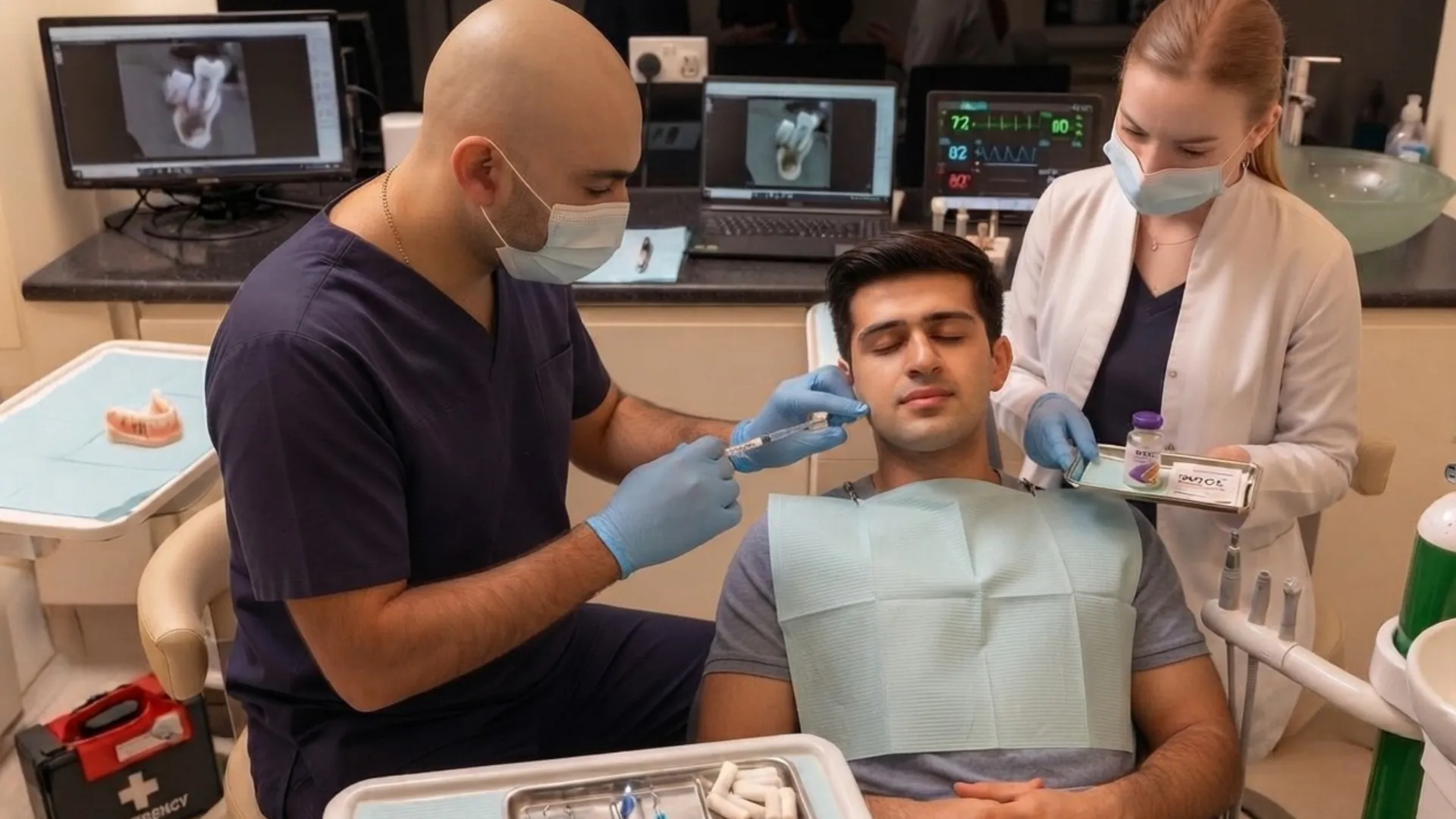
Side effect, or mistake? The honest distinction
A side effect is something that can happen even when everything is done correctly — a bruise, a week of chewing fatigue. A complication is usually a consequence of dose or placement — an asymmetric smile, a bulge, prolonged weakness. The first is the cost of any injection. The second is, in most cases, avoidable. The reason this distinction sits at the centre of how we think about the treatment is that it puts the responsibility where it belongs: not on the patient's luck, but on the assessment and the hand that does the work.
What this costs to get right
At Dental & Wellness London, masseter treatment starts from £300 per session, set by the size and activity of your muscle after a clinical assessment (a skin and aesthetic consultation, £65, redeemable in full against treatment). The reason the price follows an examination rather than a fixed menu is the whole point of this article: the right dose, placed in the right part of the muscle, is what keeps the side-effect list short. We set the plan and cost out in writing before anything is decided; the masseter cost guide explains what the price includes.
Frequently asked questions
What are the most common masseter treatment side effects?
Mild tenderness or bruising at the injection points and brief chewing fatigue in the first one to two weeks. Both are normal, temporary, and a sign the muscle is relaxing as intended.
Can masseter treatment change my smile?
It can, temporarily, if medicine is placed too high or migrates toward the smile muscles. This is avoidable with correct placement inside the safe zone of the muscle — it is a placement issue, not an expected outcome.
What is the masseter "bulge" and is it permanent?
A small portion of the muscle appearing to pop outward on clenching, caused when part of the muscle is left active while the rest is relaxed. It is not permanent and is far less likely when the muscle is mapped and dosed across its full body. It can be corrected at review.
Will I struggle to chew?
You may notice your jaw tires more quickly on hard foods for a week or two — this is the treatment working. Pronounced or lasting weakness suggests too high a dose and recovers fully as the medicine wears off; the way to avoid it is to start conservative.
Are masseter treatment side effects dangerous?
In trained hands they are almost always mild and temporary. Serious complications are rare. The realistic risk is a short-lived bruise or chewing fatigue, not the dramatic outcomes some forums describe — those nearly always trace back to dose and placement.
How do I lower my risk of side effects?
Be properly assessed first, choose an injector who knows the muscle's anatomy, start with a conservative dose, avoid blood-thinners beforehand where safe, and treat any underlying clenching cause alongside the muscle.
If you are weighing this up
The point of reading a side-effect list is to make a calm, informed decision — not to be sold to, and not to be frightened off. If you want that conversation in person, with the muscle examined and the realistic risks for your jaw explained, that is what the assessment is for.
Skin and aesthetic consultation: £65, redeemable in full against treatment.
Phone: 020 8127 4567
WhatsApp: +44 7974 910222 (8am–7pm)
Hours: Monday–Friday, 8am–7pm, by appointment. No Saturday or walk-in appointments.
Address: Dental & Wellness London, 222 Essex Road, Islington, London N1 3AP.
Masseter treatment is prescribed by Dr Vishal Patel, BDS, MSc Aesthetic & Restorative Dentistry, GDC 103127, and administered after clinical assessment. Rated 4.7★ from 300+ Google reviews.
Reviewed by Dr Vishal Patel · BDS, MSc Aesthetic & Restorative Dentistry · GDC 103127. Last reviewed 5 June 2026.