NHS dentistry provides clinically necessary treatment at fixed, subsidised band charges, and is the right choice for many people. Private dentistry costs more but typically buys longer appointments, a wider choice of materials and treatments, faster access, and a stronger focus on prevention. The right answer depends on your priorities, your budget, and what you want from your dental care.
The question behind the question
Almost nobody actually wants to know, in the abstract, whether private or NHS dentistry is "better". What they want to know is: given my teeth, my time, and my money, which one is right for me? The NHS dental service makes clinically necessary care available to everyone at a fixed, subsidised cost, and a great deal of excellent dentistry is done within it.
What the NHS gives you
Treatment is grouped into fixed bands, so cost is predictable and substantially subsidised, and certain groups receive care free. Its limits: funding and time per patient are constrained, appointments are typically shorter, material and treatment choices are limited to what the band covers (cosmetic work falls outside NHS provision), and finding an NHS dentist taking new patients has become difficult in many areas.
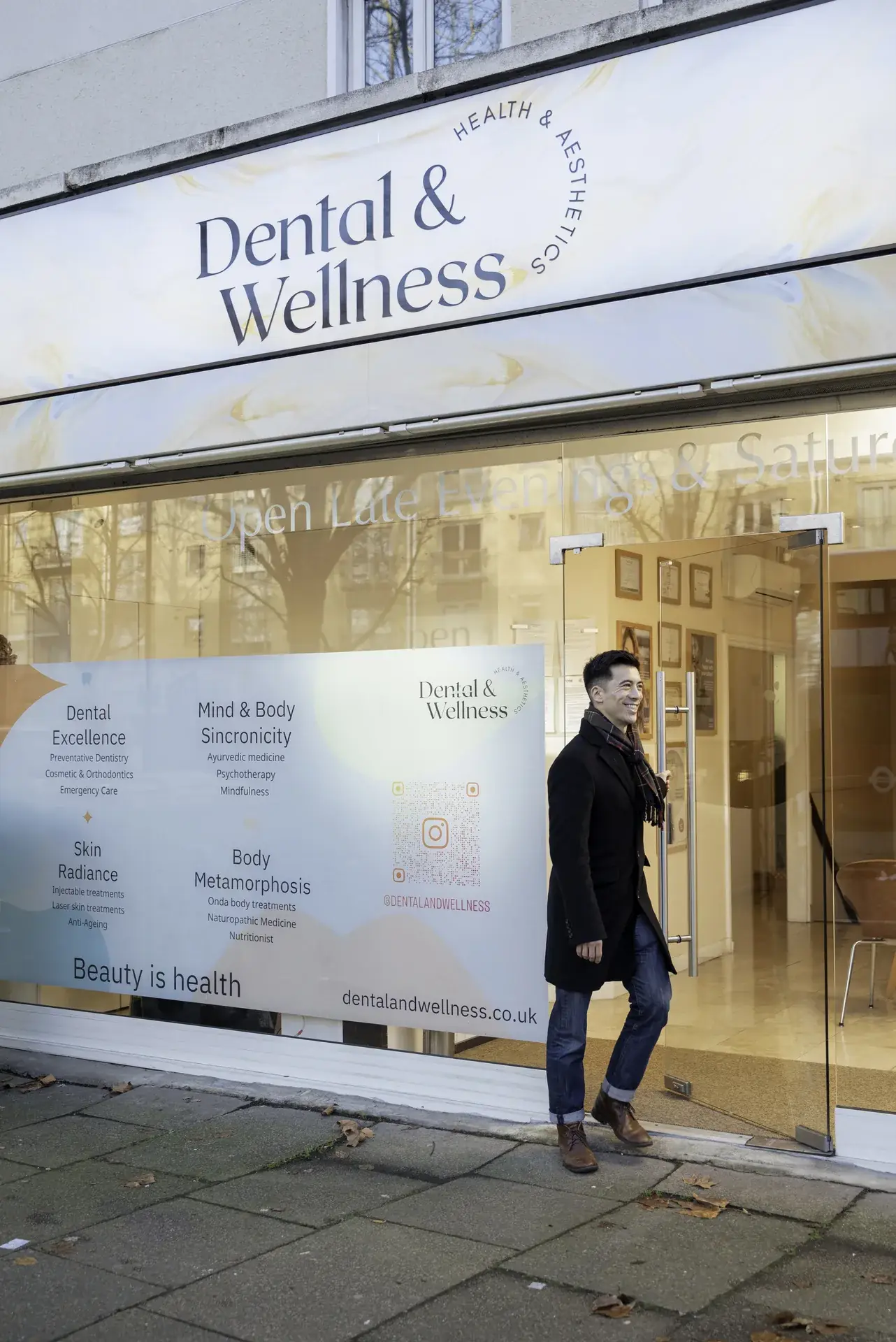
What private dentistry gives you
Time — longer appointments, unhurried explanation. Choice — materials and treatments outside NHS provision, including implants and Invisalign. Access — earlier appointments, continuity with the same clinician. Prevention emphasis — more time for gum assessment and early intervention. The obvious cost is cost — private fees are higher and not subsidised.
The honest cost comparison
For simple, essential needs, the NHS is almost always cheaper. The picture changes when you want things the NHS doesn't provide at all — that's not "private is more expensive", it's offering something unavailable elsewhere. Dental implants, for example, are provided privately from £2,200 including the crown. Dentistry that invests in prevention tends to cost less over a decade than dentistry that waits for problems to become urgent.
How to decide — four honest questions
What do you need right now? How much does time and continuity matter? Do you want treatments the NHS doesn't offer? What's your prevention philosophy? There's no universally correct answer — many people sensibly use both routes at different stages of life. If you are weighing up what a private visit involves, our guide to what to expect at a dental check-up sets it out.
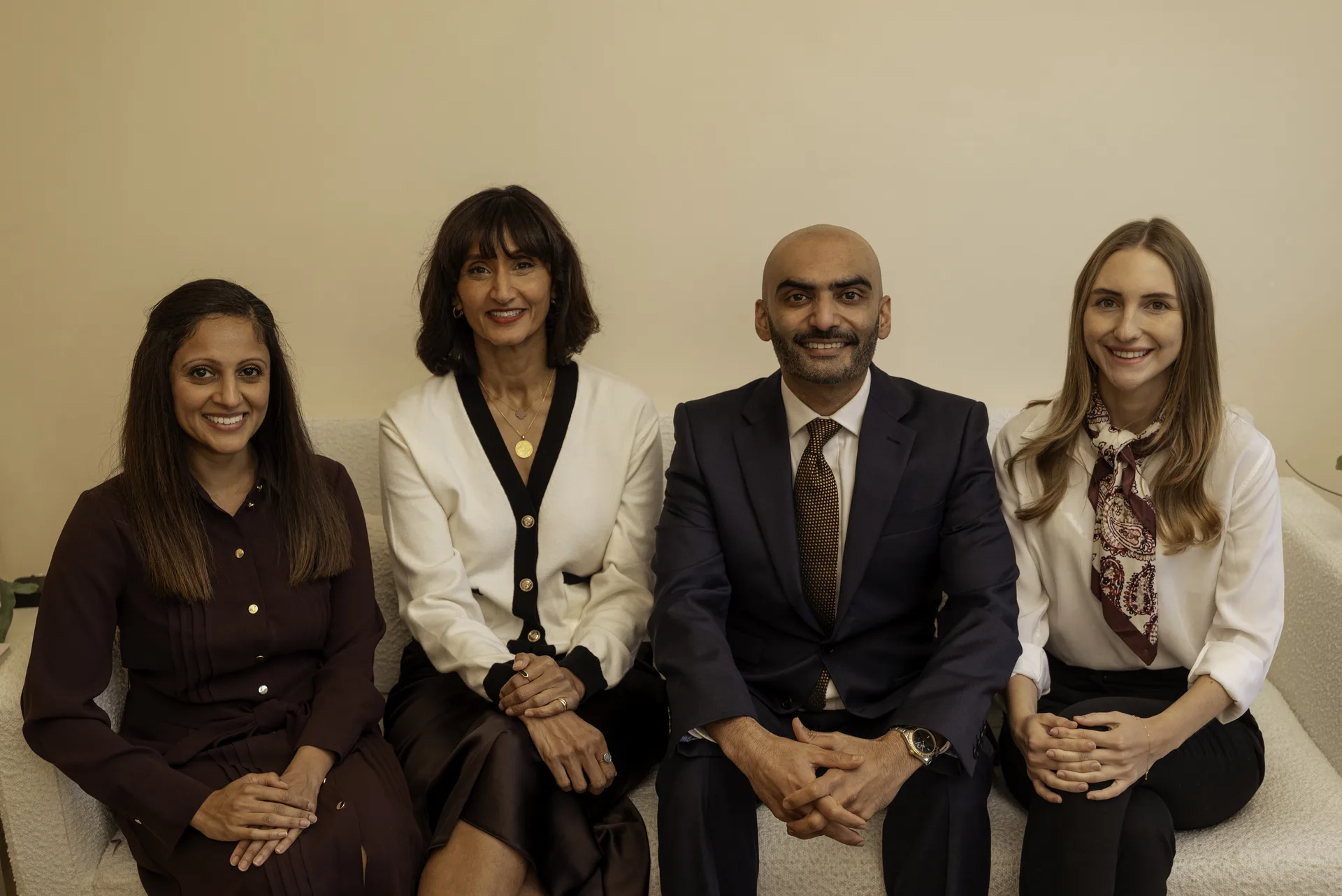
Where Dental & Wellness London fits
A private practice offering integrative, whole-health care where the bite is considered alongside sleep, stress, gut, and posture, with appointments long enough for that conversation. For frequency, see how often to go to the dentist for a check-up. Not better than the NHS at the NHS's job — a different job.
Frequently asked questions
Is private dentistry actually better quality? Not inherently — the clinical standard can be identical; the difference is time, choice, access, and prevention emphasis.
Can I be both an NHS and a private patient? Often, yes.
Why is it hard to find an NHS dentist? A systemic funding and capacity issue, not a reflection on individual dentists.
Will going private save me money long-term? Sometimes, through prevention, but not guaranteed.
Do I lose anything by leaving the NHS? Mainly the subsidised pricing — not any clinical entitlement to good care.
Talk it through with us
Call 020 8127 4567 or WhatsApp +44 7974 910222. Dental & Wellness London, 222 Essex Road, Islington, London N1 3AP.
Reviewed by Dr Vishal Patel · BDS, MSc Aesthetic & Restorative Dentistry · GDC 103127. Last reviewed 5 June 2026.