Somatic Coaching and Biodynamic Massage in London: An Honest 2026 Guide
Reviewed By
Dr Vishal Patel
BDS Liverpool · MSc Aesthetic & Restorative Dentistry Manchester · GDC 103127 · AACD Member · Invisalign provider since 2014 · Spark, 32Co, Six Month Smiles and Fastbraces provider · Myobrace certified · IFAAS (International Fellowship in Advanced Aesthetic Science) · Facial anatomy & cadaver course, Dr Ali Pirayesh, University of Amsterdam · Harley Academy foundation training in injectable aesthetics · IBSA-trained (Profhilo) · NeoStrata-trained (skin peels) · Lynton Lasers trained, incl. ONDA
Last Updated
October 28, 2026
What somatic work actually is, who it helps, and how to choose a practitioner, from a clinic that refers out as readily as it takes you on.
Somatic work is body-based practice that addresses stress, chronic tension and nervous-system dysregulation through gentle physical attention and awareness. At Dental & Wellness London it is offered by Laura-Maria Schober (MSc Applied Positive Psychology, EMCC Senior Practitioner, Somatic Experiencing trained) in two forms: somatic coaching, which works through awareness, breath and movement, and somatic or biodynamic massage, a gentle, body-led massage that works with the nervous system rather than deep tissue. Somatic coaching: first session £75, 20-minute reviews £35, free 20-minute discovery call. Massage sessions are quoted at booking.
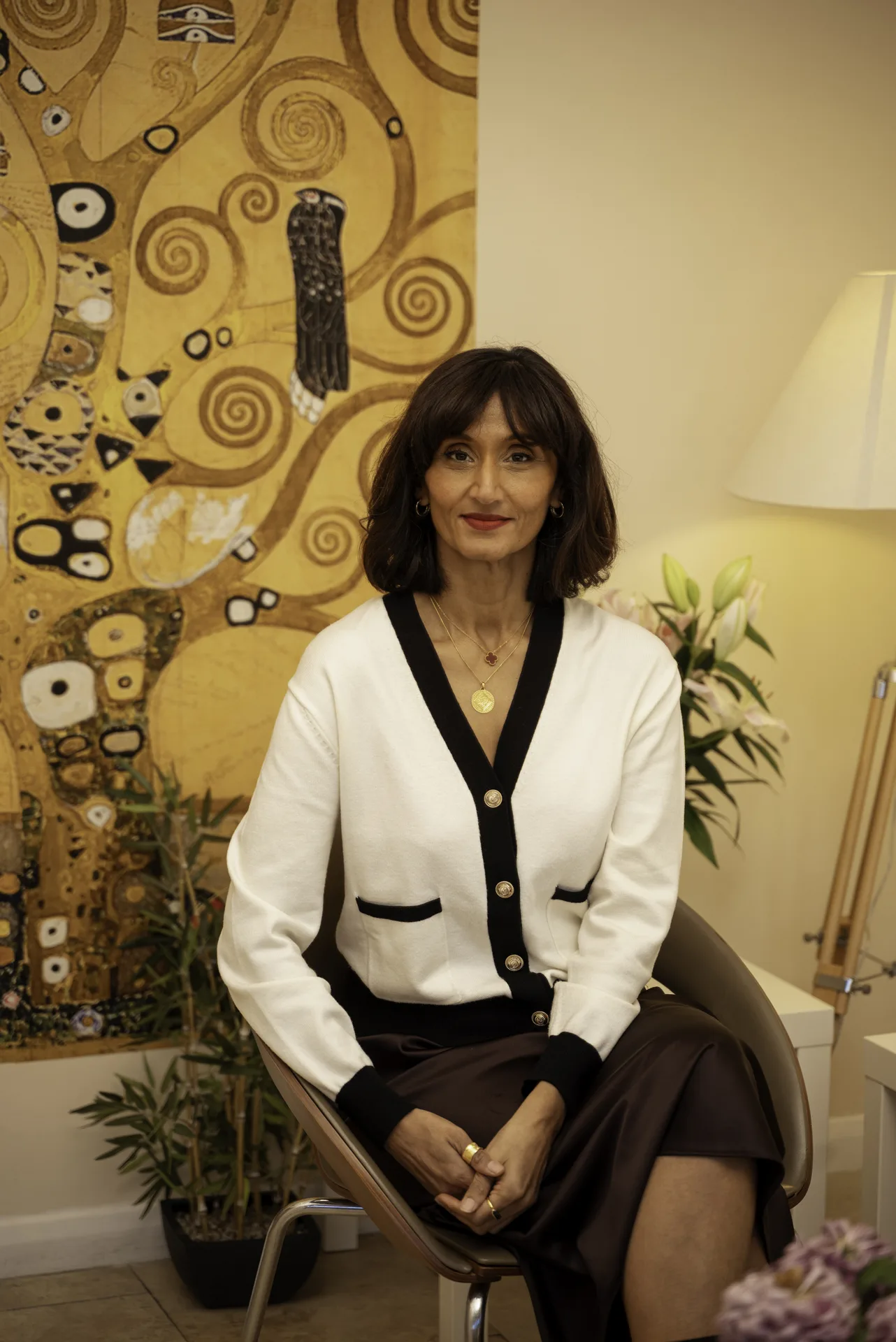
Somatic Coaching & Biodynamic Massage London
- Body-based practice for stress, tension and nervous-system regulation
- Two forms at DWL: somatic coaching, and somatic / biodynamic massage
- Led by Laura-Maria Schober — MSc Applied Positive Psychology, EMCC Senior Practitioner, Somatic Experiencing and biodynamic massage trained
- Somatic coaching: first session £75 · 20-minute reviews £35
- Biodynamic massage: quoted at booking
- Free 20-minute discovery call
- Distinct from psychotherapy; not a substitute for clinical care
What somatic coaching and biodynamic massage actually are
Two routes into the same work
Indications
Contraindications
Somatic work sits alongside, not instead of, clinical care. A trustworthy practitioner assesses fit and refers on when it isn't the right tool.
| Check-in (10-15 minutes) | What brings you in, your current physical state, recent context. Sometimes seated, sometimes standing or walking — whatever fits. |
| Settling and orientation (10 minutes) | Establishing a sense of safety in the room: awareness of breath, of the ground, of the body in the space. This is not filler. For a nervous system running in chronic alert, simply settling into the room is meaningful work. |
| Main exploration (30-50 minutes) | The specific work for that session — following physical sensations as they shift, gentle movement experiments, imaginal work paired with body awareness, specific SE techniques for trauma-related material, breath-aware exploration, or boundary and resource work. Sessions are usually fully clothed, often seated, sometimes lying down. Touch may be offered for specific techniques but is never routine and is always explicitly consented. |
| Integration (5-10 minutes) | Time to settle the work before you leave, a brief note of what to watch for over the following days, sometimes a small home practice. |
Transparent pricing
Prices are set out below. Your written plan confirms the fee before any treatment begins.
| Service | Price with Laura-Maria Schober |
|---|---|
| Discovery call (20 min) | Free |
| Somatic coaching: first session | £75 |
| Somatic coaching: 20-minute review | £35 |
| Somatic / biodynamic massage | Quoted at booking |
0% APR finance over 12 months via Tabeo, subject to status.
Questions
people ask
If your question isn't answered here, call reception on 020 8127 4567 or email reception.
Is somatic coaching the same as massage?
No, though at DWL you can have either. Somatic coaching works through awareness, breath and movement, fully clothed, with touch only by explicit consent for specific techniques. Somatic or biodynamic massage is hands-on: slow, gentle massage that follows the breath and held tension to settle the nervous system, rather than deep-tissue work. Laura-Maria offers both and will suggest where to start.
Is somatic coaching the same as psychotherapy?
No, though they overlap and can complement each other. Psychotherapy works mainly through conversation and cognitive frameworks; somatic work goes through physical awareness and sensation. Laura-Maria is a coach and massage practitioner, not a registered psychotherapist, and says so.
How many somatic therapy sessions does it take?
Variable. For specific stress patterns or recent issues, six to twelve sessions across three to six months often produces meaningful change. Longer-standing patterns can take longer — sometimes twelve to twenty-four months at fortnightly or monthly cadence.
Will I have to talk about trauma in somatic therapy?
Not unless you choose to and the work calls for it. Somatic work can address stress, tension, and nervous-system regulation without any specific trauma narrative. For trauma-specific work, we would refer to trauma-trained practitioners.
Is somatic work covered by health insurance?
Most UK private health insurance does not cover coaching or massage. Check your specific policy.
Book a somatic coaching or massage session
The right starting point is the free 20-minute discovery call with Laura-Maria, followed by a first session if it is the right fit. We will discuss what you are hoping to address, assess fit honestly, and decide together whether somatic coaching, biodynamic massage, or a referral elsewhere is the better route.
Contact Us