What DTC aligners are
Direct-to-consumer (DTC) aligner companies operate a model where:
- Patient takes impressions at home (with kit) or visits a single "scanning" appointment
- A clinician somewhere remote reviews the impressions/scan
- Aligners are sent to the patient at home
- No in-person clinical examination of bite, gums, or teeth
- No imaging (X-rays) before treatment
- No regular monitoring during treatment
- Limited or no professional intervention if problems arise
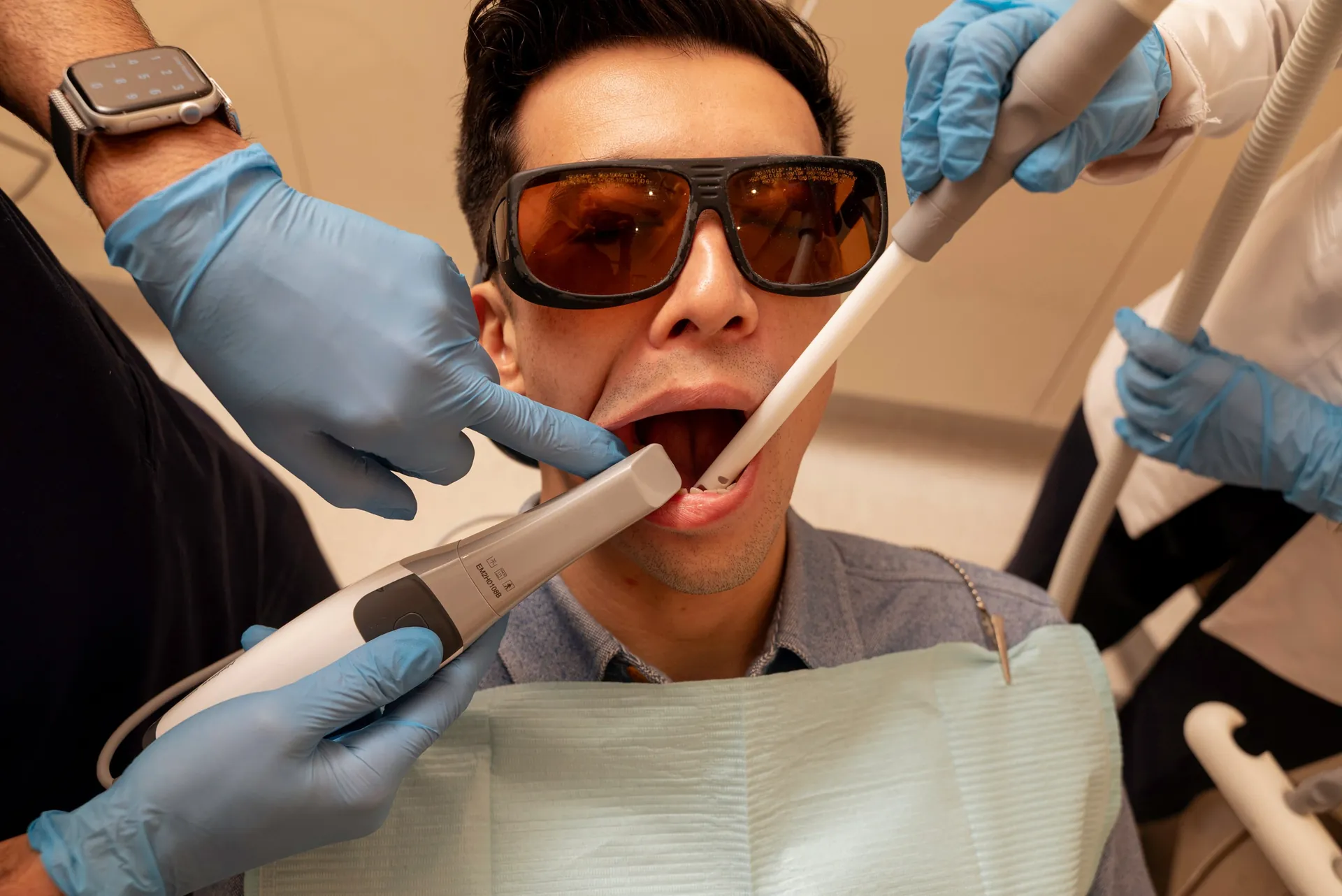
This model conflicts with established orthodontic clinical standards in ways that concern us substantially. Our own Invisalign treatment in Islington is supervised in person from start to finish.
Why this model is problematic
No in-person examination
Orthodontic treatment changes the bite and tooth position. Pre-treatment assessment of:
- Periodontal (gum) health
- Tooth structural integrity
- TMJ joint function
- Existing dental work
- Underlying conditions
...all matter for safe treatment. Remote assessment via photos and impressions misses substantial clinical information.
No pre-treatment imaging
Standard orthodontic care includes radiographs to assess root position, root length, bone support, and underlying skeletal patterns. DTC models typically don't include these. Treatment without this assessment carries real risks.
No monitoring during treatment
If teeth aren't tracking to plan, if problems develop (pain, mobility, gum recession), the patient has limited access to professional intervention. Adverse outcomes can develop without being addressed.
No qualified hands-on management
When treatment doesn't go to plan — and orthodontic treatment often needs adjustment — the patient has no qualified clinician monitoring or intervening.
Limited refinement options
Most orthodontic cases need refinement aligners beyond the initial plan. DTC providers typically don't offer this responsively.
Documented outcomes concerns
DTC aligner models have substantial documented concerns:
- Class-action litigation in the US and UK against multiple DTC providers for clinical outcomes
- GDC enforcement action against UK-registered dentists associated with DTC providers
- ASA rulings against misleading DTC aligner advertising
- Patient complications including tooth loss, irreversible bite changes, root resorption, gum recession
- British Orthodontic Society warnings about DTC aligner models
This isn't theoretical risk. Documented outcomes have prompted regulatory and legal action.
What Invisalign offers that DTC doesn't
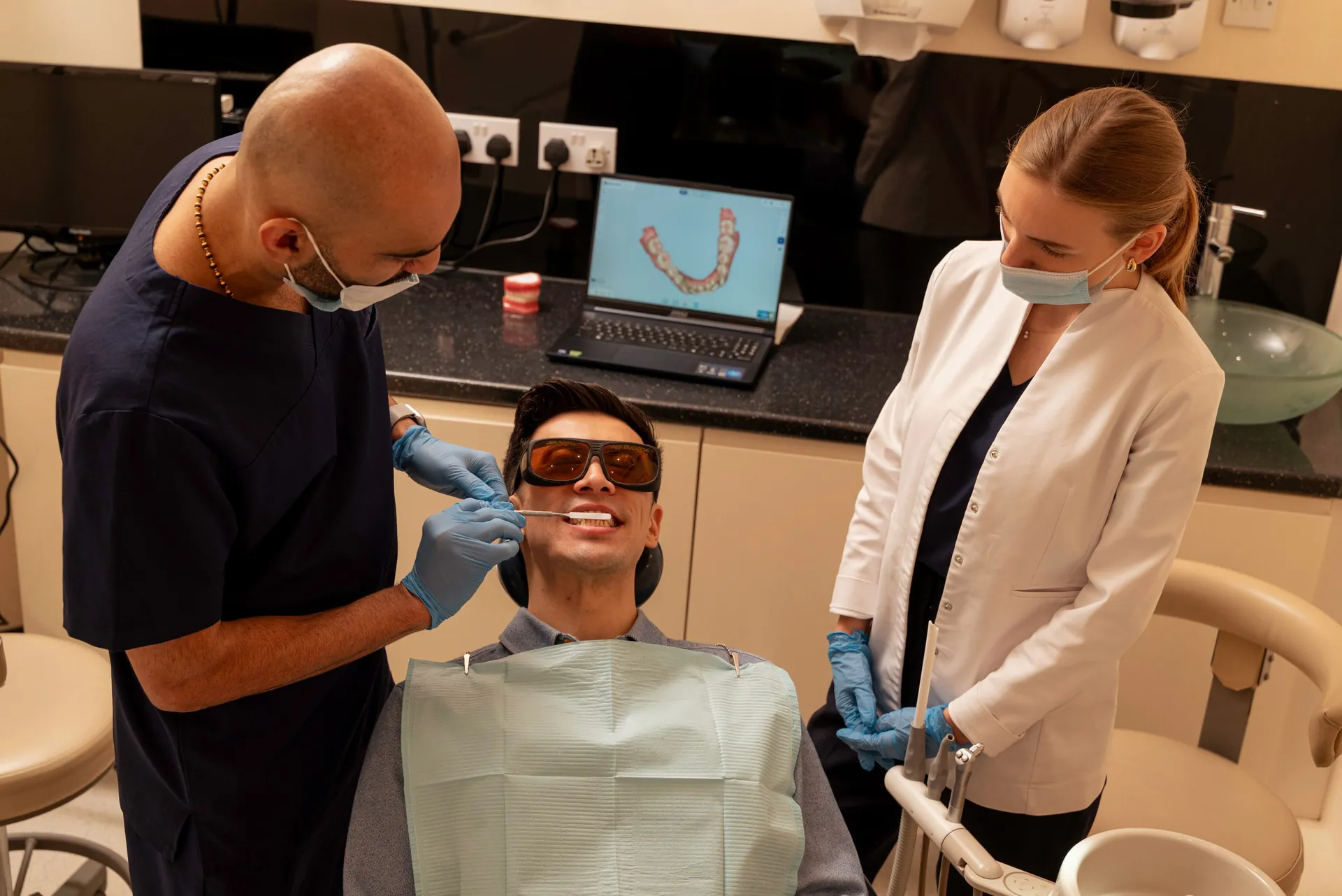
In-person examination
Clinical assessment including bite, gum health, tooth condition, TMJ, underlying patterns.
Pre-treatment imaging
Standard radiographs as needed; iTero scan or impressions taken in-clinic with professional accuracy. See also our guide to the risks of DIY aligner kits.
ClinCheck plan with clinical adjustment
Diamond II Provider adjustment of default treatment plan based on case-specific clinical assessment.
Progress appointments
Regular monitoring every 4-8 weeks. Attachments adjusted, refinements planned, complications addressed responsively.
Refinement coverage
Refinement aligners are planned where needed, and the Unlimited plan includes multi-year aligner cover (full terms and conditions apply).
Direct professional access
If problems develop between appointments, direct contact with the clinical team. Same-day or next-day intervention available.
Retention strategy
Vivera retainers fitted and reviewed. Long-term retention plan discussed.
Cost framing
DTC providers market on price advantage — often substantially cheaper than in-clinic treatment:
- DTC typically £1,500-£2,500 for treatment
- DWL Invisalign from £2,200 (Express) to £4,500–£4,900 (Unlimited)
For mild cases that genuinely suit Invisalign Express, the DTC vs Invisalign cost gap is smaller than headline marketing suggests. For moderate-to-complex cases, the DTC model isn't appropriate regardless of cost.
For any patient considering DTC for cost reasons: in-clinic Invisalign Express (£2,200) is a real alternative offering proper clinical care at competitive pricing. The long-term smile view recognises that £500 saved upfront against a £3,000+ remediation cost later is not a saving — it's a deferred cost with worse outcomes.
Our position
We don't recommend DTC aligners for any case. The clinical model conflicts with safe orthodontic standards in ways that aren't justified by cost savings. We say no often to over-treatment when proportionate intervention will do — but we also say no to under-treatment when the case genuinely needs proper clinical care.
For patients arriving at DWL having had DTC treatment problems, we assess and discuss options. Some cases can be addressed with comprehensive Invisalign re-treatment (compare Spark aligners and Invisalign); some have substantial damage requiring restorative work. Design with your future in mind: choosing the lower-supervision path now often produces the higher-cost remediation path later.
We say no to DTC aligners. We say yes to in-person orthodontic care with proper clinical standards.

Frequently asked questions
Why don't you recommend DTC aligners?
Clinical concerns: no in-person examination, no pre-treatment imaging, no monitoring during treatment, no qualified hands-on management of complications. The model conflicts with safe orthodontic standards.
Are DTC aligners cheaper?
Often yes — typically £1,500-£2,500 vs DWL Invisalign £2,200-£4,900. For mild cases the cost gap is smaller than headline marketing suggests. For moderate-to-complex cases the DTC model isn't appropriate regardless of cost.
Has anyone had problems with DTC?
Documented outcomes concerns include tooth loss, irreversible bite changes, root resorption, gum recession. Class-action litigation in US and UK against multiple DTC providers. GDC and ASA regulatory action.
What if I've already had DTC treatment?
Assessment at consultation. Some cases addressable with comprehensive Invisalign re-treatment; some have substantial damage requiring restorative work alongside re-treatment.
Is there a cheap in-clinic alternative to DTC?
Yes — Invisalign Express (£2,200) offers proper clinical care at competitive pricing for mild cases. Real alternative to DTC for cost-conscious patients.
What does the GDC say about DTC?
GDC has taken enforcement action against UK-registered dentists associated with DTC providers for failing to meet clinical standards. The professional body's position is consistent with our concerns.
Book a consultation
If you're weighing DTC against in-clinic treatment, or if you've had DTC treatment that didn't go to plan, we assess honestly at consultation.
Orthodontic and Invisalign consultations are free, including an iTero scan and ClinCheck plan. Call 020 8127 4567 or WhatsApp +44 7974 910222. Appointments Monday-Friday 8am-7pm by appointment.
Reviewed by Dr Vishal Patel · BDS Liverpool · MSc Aesthetic & Restorative Dentistry (Manchester) · GDC 103127 · Invisalign Diamond II Provider · AACD Member · 20 years · 15,000+ cases. Last reviewed 2026-06-03.