How long does laser hair removal last? — quick answer
After a full course of 6-8 sessions of clinic laser, most patients see substantial reduction lasting 6-12 months between maintenance sessions, sustained indefinitely with periodic touch-ups. The realistic outcome at course end is 80-90% long-term reduction — remaining hair is finer, lighter and sparser, with most follicles permanently damaged.
Session-by-session timeline
Session 1 (Week 0): Treatment delivered, mild redness for a few hours, no immediate visible change.
Week 1-3 after Session 1: "Shedding phase" — treated hairs detach and fall out as skin sheds them. Treated hairs do not regrow from those follicles.
Session 2 (Week 4-8): Hair density visibly reduced, with newly active follicles producing some new growth — session 2 captures these.
Session 3 (Week 8-16): Continued reduction; patients typically notice the change here.
Session 4-5 (Week 16-32): Results begin to plateau; significant cumulative reduction achieved; remaining hair finer and lighter.
Session 6-8 (Week 32-56): Final sessions capture remaining active follicles; 80-90% long-term reduction achieved by course end.
Months 12-24 post-course: Sustained low density; first maintenance session typically 6-12 months after final treatment.
Years 2-5 post-course: 1-2 maintenance sessions per year; density remains substantially below baseline.
Years 5-10 post-course: Continued sustained reduction with periodic maintenance; hormonal changes (menopause, PCOS, pregnancy) may require more frequent touch-ups.
This is the average picture — individual outcomes vary by hair colour/thickness, skin tone, hormonal picture and course completion.
When does hair start falling out?
The shedding phase begins 1-3 weeks after each session and continues 1-2 weeks. Hair appears to grow normally at first; around days 7-21, treated hairs detach and slough off with normal skin shedding — often noticed while showering or exfoliating. New growth from non-treated follicles continues as normal during this window.
Shedding is the expected, positive response, not a sign treatment has failed. It's more visually dramatic in coarse dark hair on lighter skin; in finer hair or darker skin the same biological process happens less visibly.
When will you see durable results?
Most patients see clear, durable results by session 4-5. Visible reduction by session 3 ("I shave less often"); substantial reduction by session 4-5 (often described as the turning point); plateau by session 5-6 (remaining sessions add increment, not transformation); end-of-course reduction by session 8 (the realistic 80-90%). Our guide to sessions for laser hair reduction covers the numbers by area.
For facial work (lip, chin, jawline) the plateau is typically a session later — sessions 5-6 rather than 4-5 — because facial hair has more dormant follicles and faster hormonal cycling.
Maintenance schedule
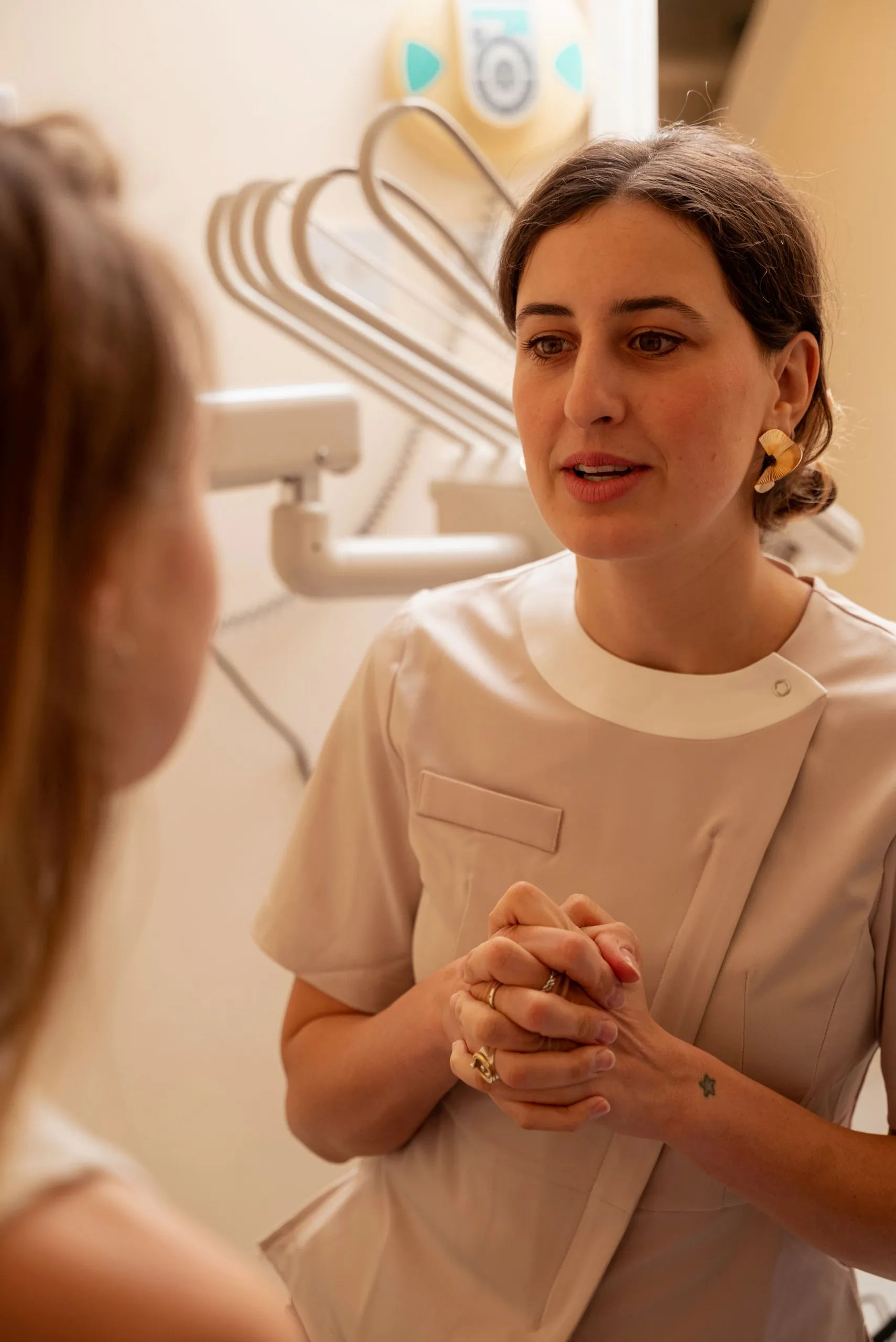
Light-touch (1 session/year): suitable for most patients without significant hormonal drivers.
Standard (2 sessions/year): moderate hormonal regrowth or preference for stronger maintenance.
Active hormonal maintenance (every 3-4 months): PCOS, perimenopause or ongoing hormonal drivers, especially facial areas.
Maintenance cost at DWL: small areas £45–£75, medium areas £95–£165 and large areas £195–£295 per session. The plan is discussed at the end of the initial course and tailored to your hair pattern, hormonal picture and preference.
What affects how long results last — 5 factors
1. Course completion. Completing the full 6-8 sessions produces substantially longer-lasting results than stopping at 4-5.
2. Hair colour and thickness. Dark, coarse hair on lighter skin sees the most durable results; grey or blonde hair sees no laser response.
3. Skin tone and device. A correctly matched device (the Lynton Nd:YAG laser for darker skin or Lynton IPL for lighter skin with dark hair, chosen by skin type) produces the most durable result. See laser hair treatment by skin type.
4. Hormonal picture. Stable hormones produce stable post-laser patterns; PCOS, perimenopause, pregnancy and hormonal medication changes shorten how long results last.
5. Maintenance compliance. Annual maintenance sustains near-baseline reduction indefinitely; skipping for 3-5 years often sees some regrowth.
Hormonal life events that can shorten results
Pregnancy: androgen surge can re-stimulate previously-treated follicles; post-pregnancy the picture often partially reverses and maintenance laser restores results.
Perimenopause and menopause: androgenic shift produces new coarse facial hair; maintenance laser every 3-4 months is common.
PCOS: requires ongoing maintenance — most patients plan for indefinite maintenance every 3-4 months for facial areas. See laser hair reduction with PCOS.
Hormonal contraception changes and androgen-affecting medications can also transiently or persistently affect hair patterns.
We tell new patients realistically — an active hormonal picture means the plan includes ongoing maintenance, not one-and-done removal.
What if your hair comes back faster than expected?
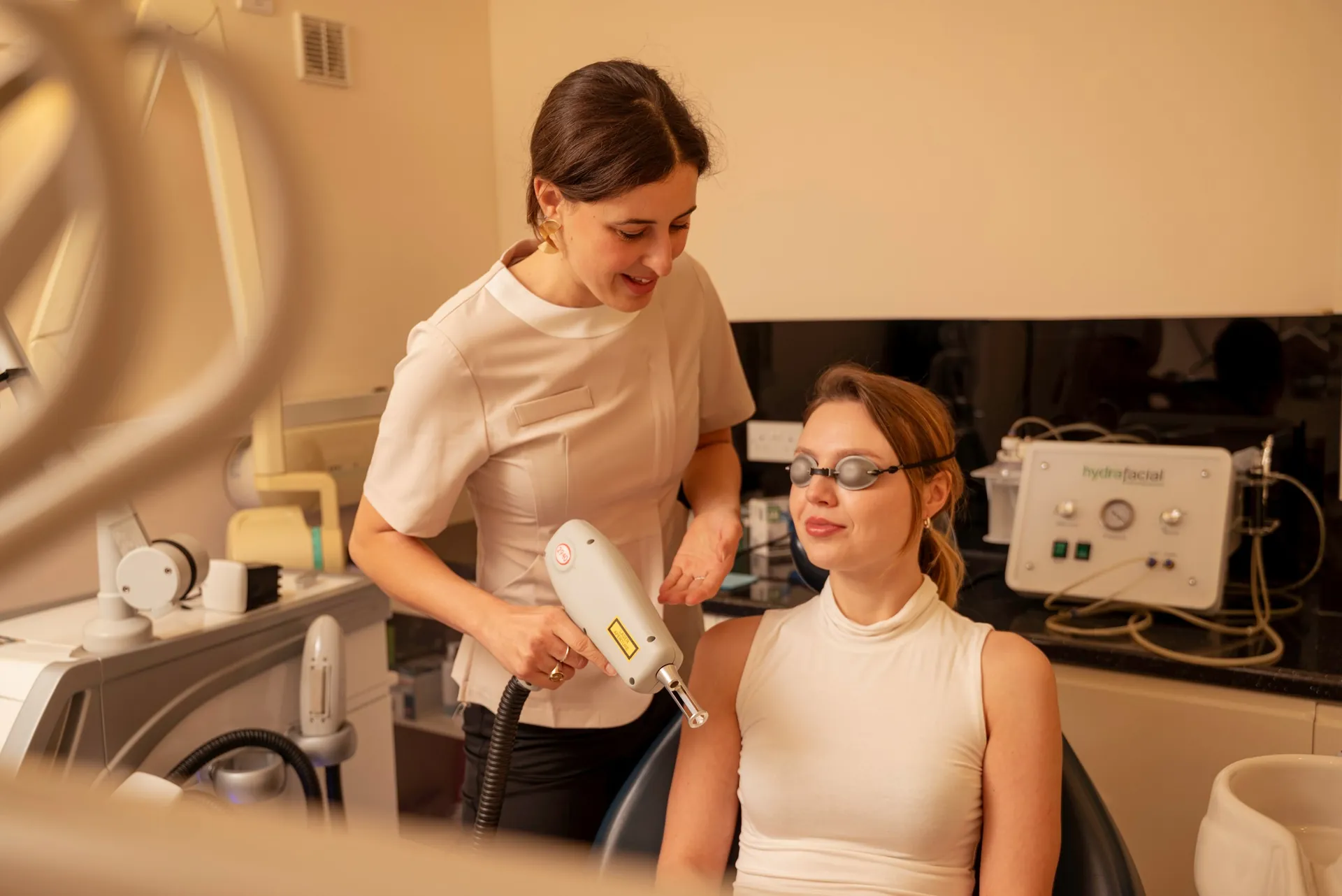
1. A single top-up/maintenance session catches active follicles and restores reduction — often the simplest answer. 2. Technique adjustment — settings titrated up if the previous response was sub-optimal. 3. Device reconsideration — switching between the Lynton Nd:YAG laser and Lynton IPL for borderline skin tones. 4. Hormonal assessment — GP referral where regrowth suggests a hormonal driver. 5. Maintenance schedule update — reflecting new clinical reality (e.g. perimenopause, PCOS diagnosis). Our comparison of laser hair removal vs IPL explains the difference between the two devices.
We don't tell patients faster regrowth is "their fault" — the honest clinical response is to investigate and adjust.
DWL's typical patient timeline
StageTimingWhat happensConsultation + patch testWeek 0Consultation (£65, redeemable against treatment), plan, free patch testSession 1Week 0-2First treatmentSessions 2-4Months 1-6Building reductionSessions 5-6Months 6-10Plateau emergingSessions 7-8Months 10-14Course complete, 80-90% reduction achievedFirst maintenanceMonths 14-26Single touch-upYear 2-5Years 1-5Annual or twice-yearly maintenanceYear 5+OnwardsPeriodic maintenance; hormonal events may change pattern
Book a consultation + free patch test
The initial consultation (£65, redeemable in full against treatment) covers the realistic timeline for your case — including how your hair colour, skin tone and hormonal picture affect what you can expect.
Call 020 8127 4567 · WhatsApp +44 7974 910222 · Visit 222 Essex Road, Islington N1 3AP. Mon-Fri 8am-7pm by appointment.
FAQs
How long does it last after the first session?
Treated hairs detach 1-3 weeks after each session and don't regrow from those follicles. New growth from non-treated follicles continues until later sessions capture them.
When will I see results?
Visible reduction by session 3; substantial by session 4-5; end-of-course 80-90% reduction by session 8.
Why is my hair growing back fast?
Most commonly hormonal change, undertreatment, or new follicles becoming active — worth investigating at your next consultation.
Will I need laser forever?
Most patients need 1-2 maintenance sessions a year for the first 5-10 years, less frequently after. Active hormonal drivers may need ongoing maintenance.
Do all hairs fall out at the same rate?
No — follicles are at different growth-cycle stages, so shedding occurs over a 1-2 week window and the pattern varies across the area.
Should I shave between sessions?
Yes — shaving doesn't affect efficacy. Don't wax, pluck or thread; the follicle needs to be intact for the laser to work.
Does it last forever?
The clinical reality is "permanent reduction" — most follicles permanently damaged, 80-90% long-term reduction, with periodic maintenance for hormonal regrowth. See our is laser hair removal permanent guide.