Rosacea — integrated across triggers and treatment
Reviewed By
Dr Vishal Patel
BDS Liverpool · MSc Aesthetic & Restorative Dentistry Manchester · GDC 103127 · AACD Member · Invisalign Diamond II Provider · IFAAS (International Fellowship in Advanced Aesthetic Science) · Facial anatomy & cadaver course, Dr Ali Pirayesh, University of Amsterdam · Harley Academy foundation training in injectable aesthetics · IBSA-trained (Profhilo) · NeoStrata-trained (skin peels) · Lynton Lasers trained, incl. ONDA
Last Updated
September 16, 2026
Rosacea is a chronic inflammatory condition with vascular and inflammatory components. We address each through integrated protocols — IPL, skincare, trigger management, referral where needed.
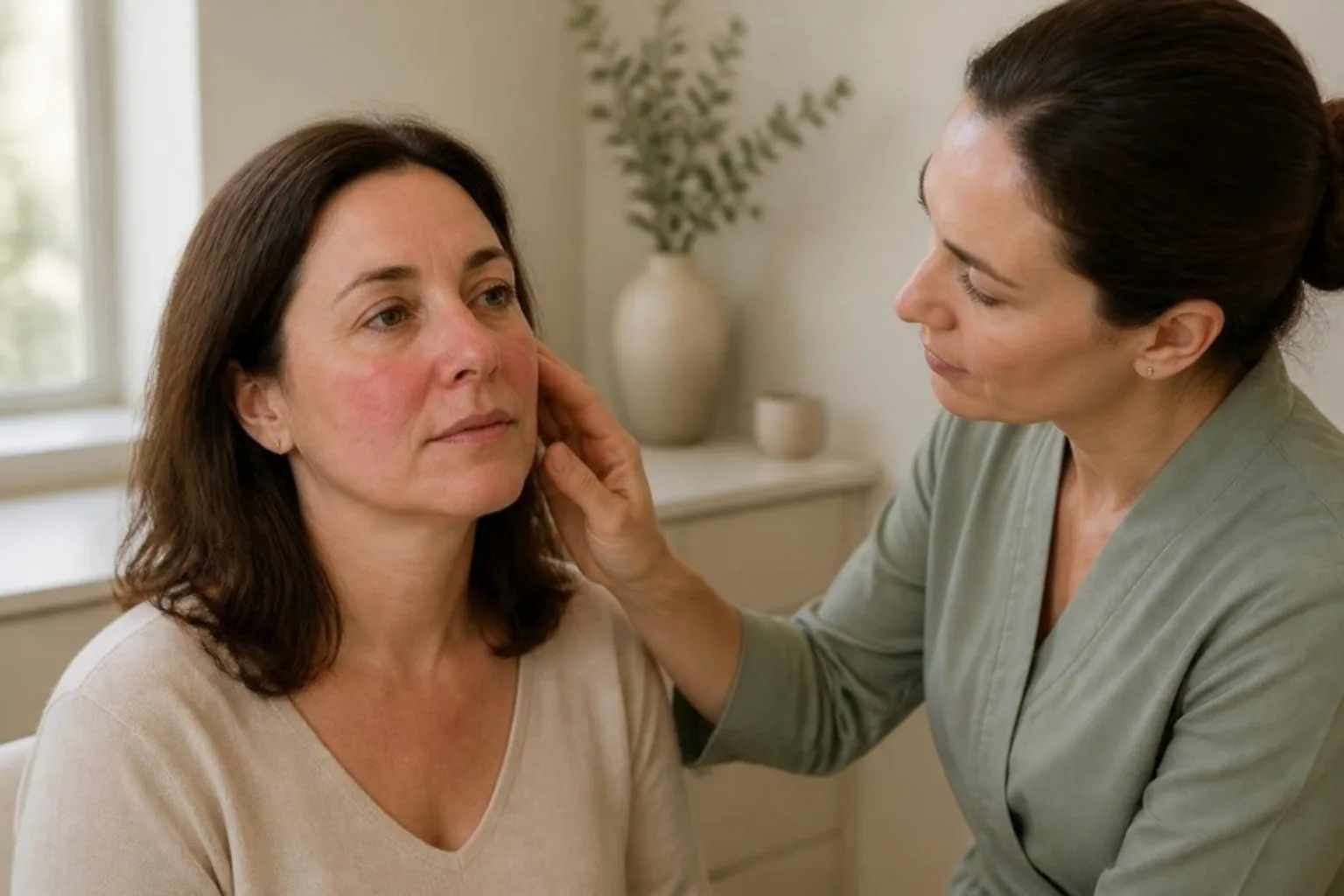
Who this is for, what's involved, and what to expect
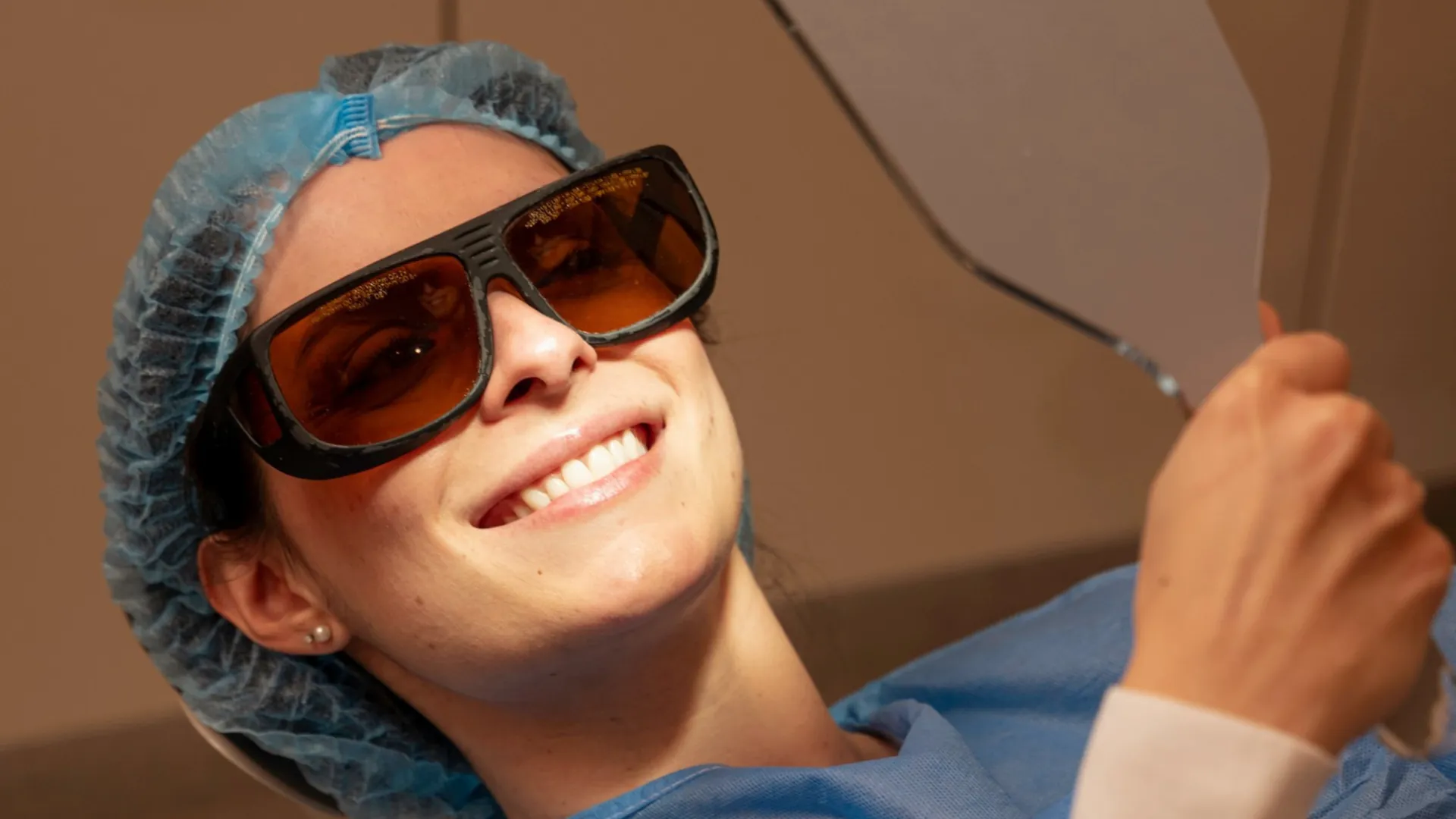
What rosacea is
Rosacea is a long-term inflammatory skin condition that mainly affects the centre of the face. It usually shows as a mix of flushing, persistent redness, visible small blood vessels, and sometimes acne-like bumps. Some people also have gritty, irritated eyes. It is common in fair skin but occurs in all skin types, and it can be harder to recognise on darker skin.
Rosacea is managed rather than cured. The aim is to calm the skin, reduce redness and flare-ups, and give you a routine you can keep.
Who this is for
Adults with established rosacea: the vascular type (redness and visible vessels), the papulopustular type (inflamed bumps), or a mix. It suits people who are ready to look at their triggers as well as their treatment. Severe eye symptoms are not managed here; we refer you on.
Common rosacea triggers
Triggers are personal, and finding yours is often the most useful part of treatment. Common ones include:
- Alcohol, particularly red wine
- Hot drinks and spicy food
- Heat, hot baths and saunas, and strenuous exercise
- Sun exposure and wind
- Stress
- Some skincare ingredients, including fragrance and harsh exfoliants
We give you a simple trigger diary to help identify patterns over a few weeks.
How we assess rosacea
Your consultation (£65, redeemable in full against treatment) includes a clinical examination, photography, a conversation about your triggers and patterns, and a review of your current skincare. We work out how much of your rosacea is vascular and how much is inflammatory, because the two respond to different treatments.
Treatment options
- Facial thread vein treatment with IPL or laser for persistent redness and visible vessels. Most people need a course of sessions, around four weeks apart. Our comparison of IPL vs BBL explains how the two light-based options differ.
- Clinical skincare: a gentle, barrier-supporting routine with daily SPF, prescribed for your skin.
- LED light therapy as a gentle supporting treatment for redness-prone skin.
- Nutrition support: our nutritional therapist can help if you suspect food triggers, alongside your medical care.
- Prescription medication: where tablets or prescription creams may help, we refer you to your GP or a dermatologist.
What results to expect
Patients describe meaningful improvement across the treatment course — IPL typically produces a visible reduction in redness by session 2-3, with continued improvement through the course. The inflammatory component responds to skincare and trigger management over weeks to months. Rosacea is managed, not cured — patients who maintain skincare and trigger awareness see the best long-term outcomes, and flares that do occur are addressed with maintenance protocols. Our IPL aftercare guidance explains what to expect between sessions.
When to see your GP or a specialist
Please see your GP promptly if your eyes are sore, red or sensitive to light, if your symptoms change quickly, or if the skin on your nose is thickening. These need medical assessment, and we will refer you if we see them at consultation.
“Rosacea management requires telling patients honestly what triggers their flares. Most don’t want to hear that alcohol is the culprit. We say it anyway.” — Dr Vishal Patel, Principal Dentist & Clinical Director
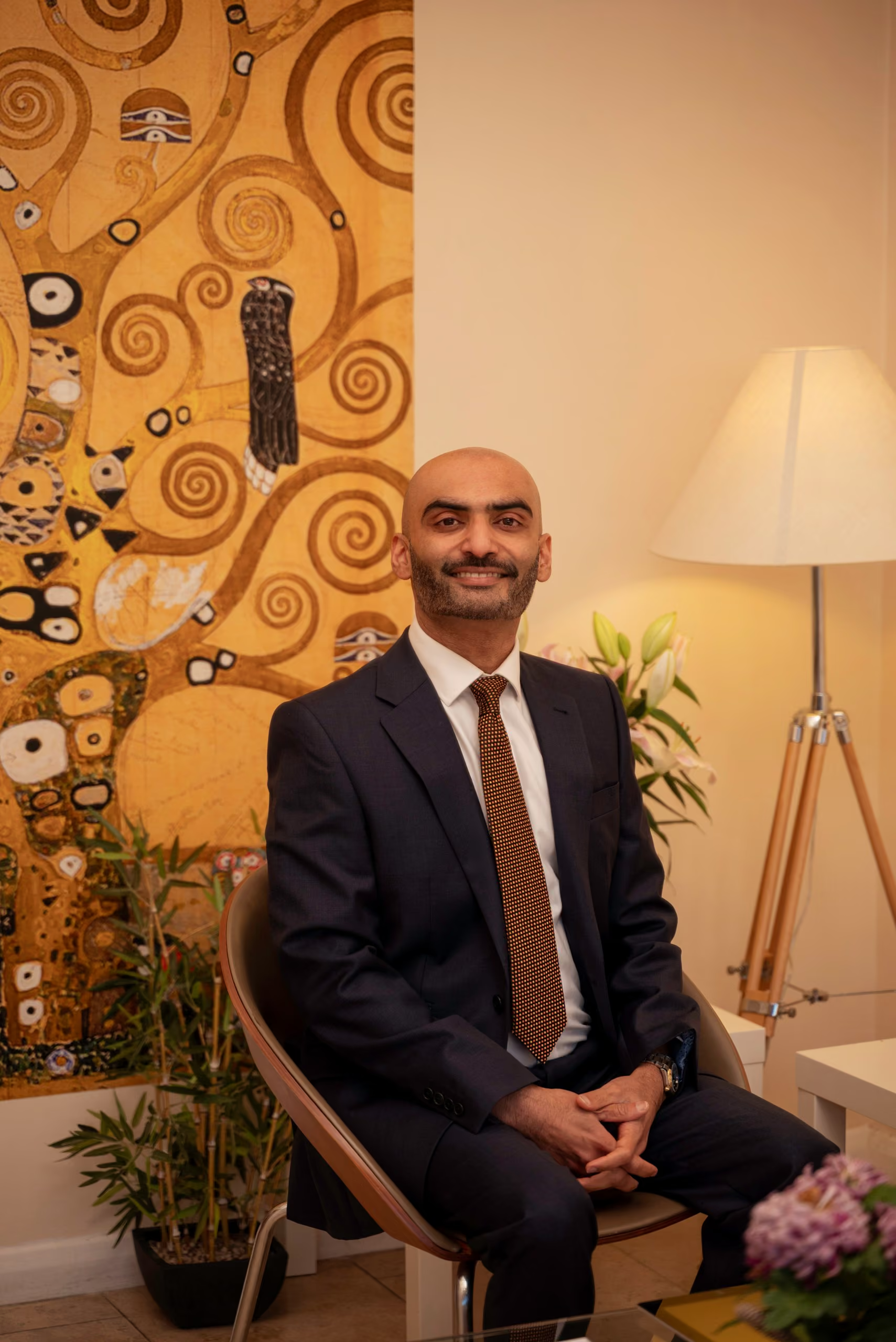
Dr Vishal Patel
Principal Dentist · Sole aesthetic prescriber · 10 years in facial aesthetics
BDS Liverpool · MSc Aesthetic & Restorative Dentistry (Manchester) · GDC 103127 · International Fellowship in Advanced Aesthetic Science (IFAAS) · Facial anatomy and cadaver course with Dr Ali Pirayesh, University of Amsterdam · Harley Academy · IBSA and NeoStrata trained
We will tell you when a treatment is not the right answer. That honesty is part of the treatment.
Read Dr Patel’s profile →Calmer skin, one step at a time.
Discovery call — free, 20 minutes
A phone call to answer your questions before you book.
Consultation — £65
Examination, photography, a trigger conversation and a skincare review. Redeemable in full against treatment.
Your plan
Skincare, a trigger diary and, where suitable, a course of facial vessel treatment.
Reviews
We review your skin at around 6 weeks, 3 months and 6 months, and adjust the plan.
Start with a rosacea consultation
- £65, redeemable in full against treatment
- Vascular and inflammatory components assessed
- Referral to your GP or a dermatologist where medication may help
Or call 020 8127 4567 · WhatsApp +44 7974 910222
222 Essex Road, Islington N1 3AP · Mon–Fri, 8am–7pm
If you are still weighing up your options, our overview of IPL photofacial brings them together in one place.
IPL photofacial in London
Intense pulsed light for sun spots, uneven tone and fine surface redness, using the Lynton IPL platform at our Islington clinic.
Medical-grade facials in London
Clinical facials built around professional skincare and your skin concern, overseen by Dr Vishal Patel.
LED light therapy — wavelength-specific support
LED light therapy uses specific wavelengths — red for collagen support, blue for acne bacteria, infrared for inflammation — as standalone or as add-on amplifier to other treatments. Painless and considered, no downtime.
Transparent pricing
All prices include consultation, treatment, and aftercare. No hidden fees. 0% APR finance available on plans over 12 or 24 months.
Clear prices, set out before you start.
20 minutes by phone
Redeemable in full against treatment
Per session; most people need a course
Included
- Examination and photography
- Trigger diary and skincare review
- A written plan before treatment
Quoted separately
- Skincare products, priced at consultation
- Prescription medication, via your GP or a dermatologist
0% APR finance over 12 months via Tabeo, subject to status.
FAQ
If your question isn't here, call reception on +442081274567 or book a free discovery call.
View all FAQs →Which is better for rosacea — IPL or BBL?
Both work well for vascular indications. Vascular IPL is well-established for rosacea management. We use Lynton IPL for our rosacea pathway. Whether you choose IPL or BBL clinically equivalent results are achievable. Consultation quality and clinician experience matter more than device brand.
Which is better for rosacea?
IPL typically. Vascular IPL is a mainstay rosacea management treatment — broad-spectrum protocol targets dilated capillaries. Pulsed-dye laser also effective but tends to produce more bruising than IPL.