LED light therapy — wavelength-specific support
Reviewed By
Dr Vishal Patel
BDS Liverpool · MSc Aesthetic & Restorative Dentistry Manchester · GDC 103127 · AACD Member · Invisalign Diamond II Provider · IFAAS (International Fellowship in Advanced Aesthetic Science) · Facial anatomy & cadaver course, Dr Ali Pirayesh, University of Amsterdam · Harley Academy foundation training in injectable aesthetics · IBSA-trained (Profhilo) · NeoStrata-trained (skin peels) · Lynton Lasers trained, incl. ONDA
Last Updated
October 1, 2026
LED light therapy uses specific wavelengths — red for collagen support, blue for acne bacteria, infrared for inflammation — as standalone or as add-on amplifier to other treatments. Painless and considered, no downtime.
LED light therapy at Dental Wellness London uses medical-grade LED panels delivering specific wavelengths: red light (around 633nm) for collagen support and rejuvenation, blue light (around 415nm) for acne-bacteria reduction, near-infrared (around 830nm) for deeper inflammation and tissue repair. Used as standalone treatment for specific indications, or as add-on amplifier to facials, microneedling, peels, or PRP protocols. Painless, no downtime. From £45 per session as add-on, or £80 as standalone treatment.
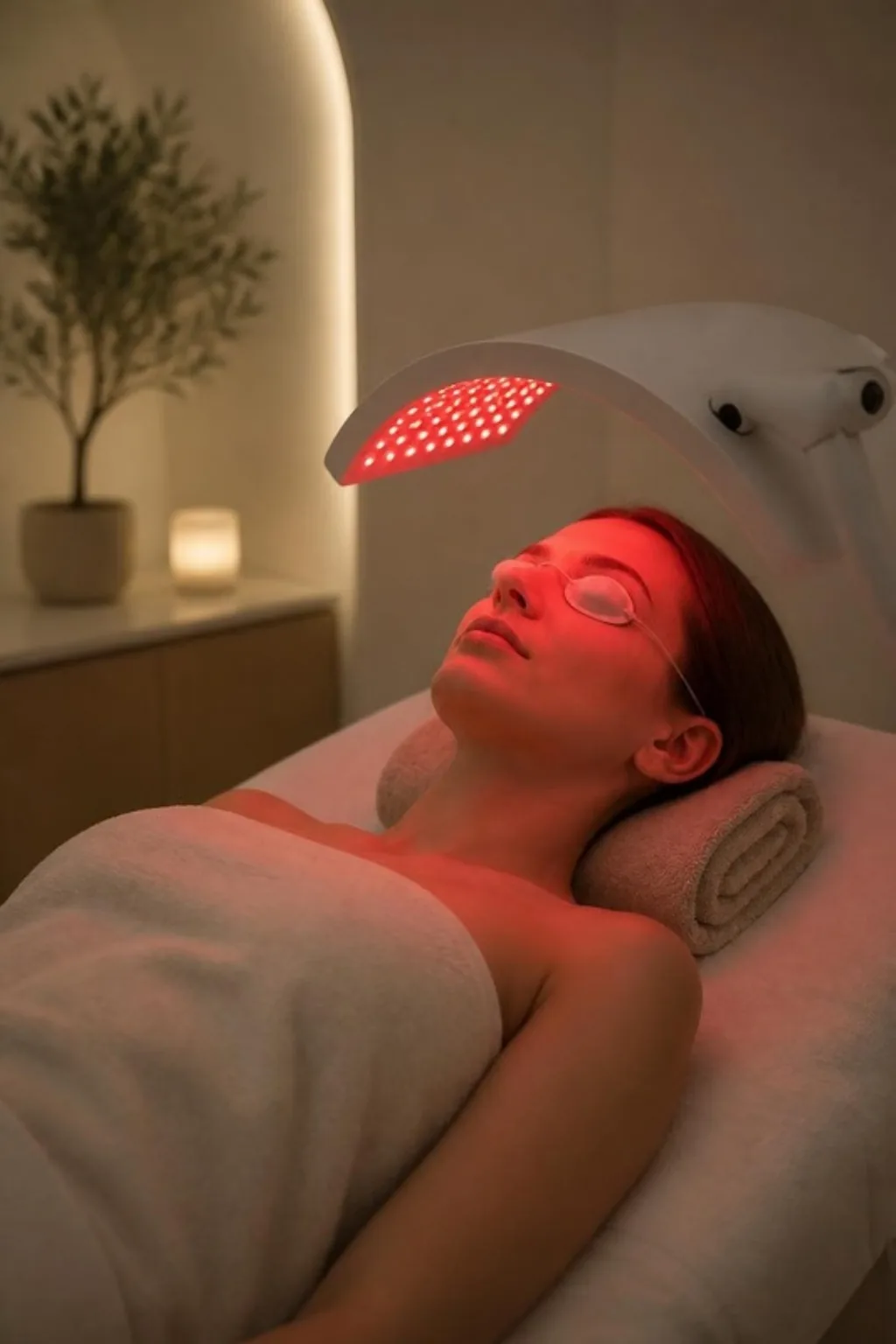
- Wavelength-specific therapy: red, blue, infrared
- Standalone or add-on to other treatments
- From £45 as add-on · £80 as standalone
- Multi-session protocols typically 6-10 sessions weekly
- Treatable: face, scalp (hair), localised body areas
- No downtime · no discomfort
- Suitable for all skin types · safe in pregnancy
LED light therapy at our Islington clinic
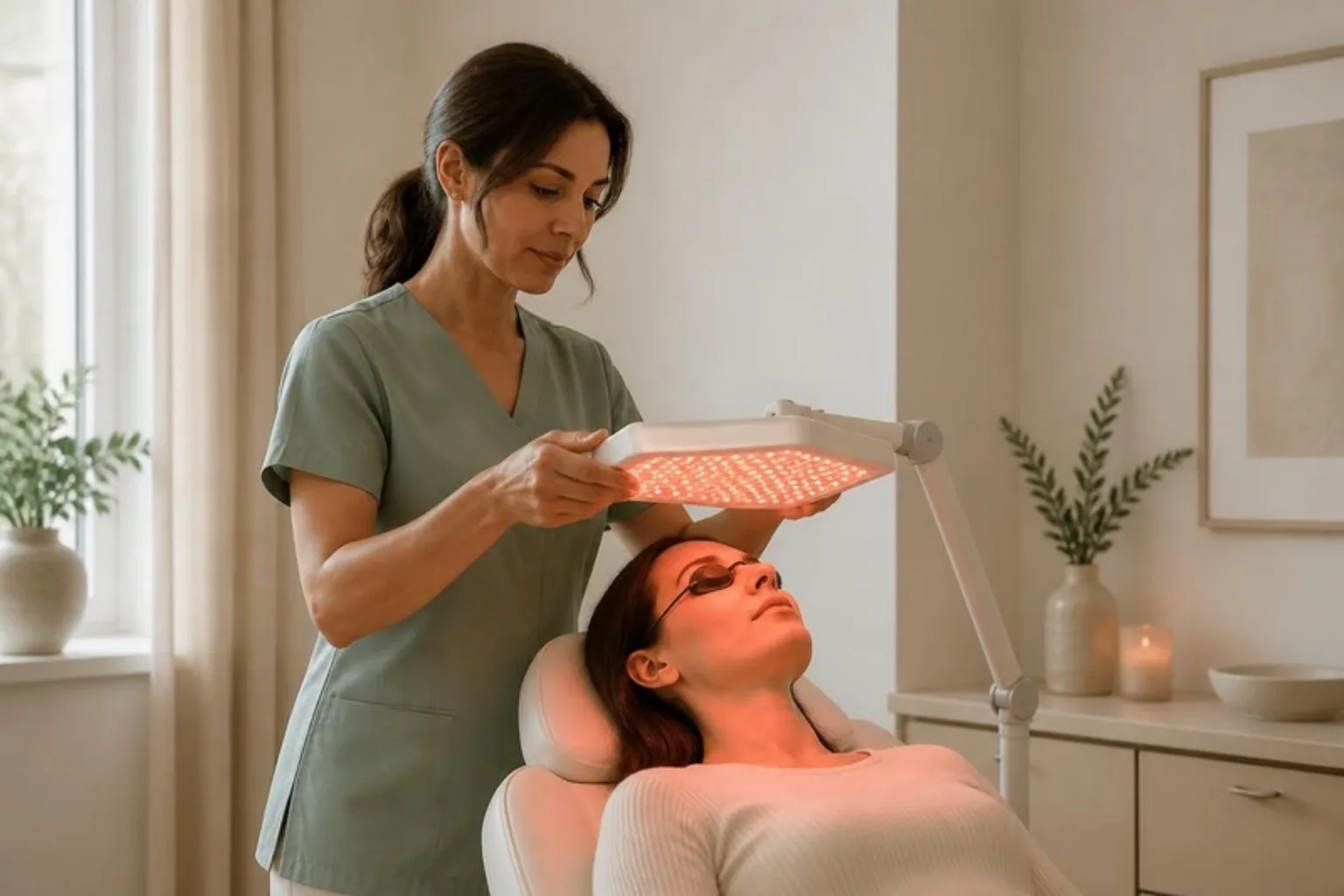
What LED light therapy is
LED light therapy uses panels of light-emitting diodes at specific wavelengths. Unlike lasers, LED light is non-thermal: it does not heat or injure the skin, so there is no discomfort and no recovery time. Different wavelengths are absorbed at different depths and are used for different goals.
- Red light (around 633nm) is used to support collagen production and skin repair, for dull or tired skin and early fine lines.
- Near-infrared light (around 830nm) reaches deeper tissue and is used to calm inflammation and support healing, including after other treatments.
- Blue light (around 415nm) targets the bacteria involved in inflammatory acne.
The evidence for LED is strongest as part of a plan, for example alongside clinical skincare, a skin peel or microneedling, rather than as a stand-alone answer. We will tell you honestly what it can and cannot do for your skin.
How LED light therapy works
The idea behind LED treatment, sometimes called photobiomodulation, is that certain wavelengths of light are absorbed by cells in the skin and may influence how those cells behave. Red and near-infrared light are thought to support the cells' normal repair processes, which is why they are used for tired-looking skin and for calming skin after more active treatments. Blue light acts nearer the surface, where it affects the bacteria associated with inflammatory spots.
Because the light is delivered at low intensity and does not heat the tissue, LED does not cut, peel or resurface the skin. That is both its strength and its limit. It is gentle enough for most skin types and can be used regularly, but its effects are modest and gradual. It does not lift sagging skin, remove deep lines, clear pigmentation or replace volume, and we would not suggest it for those concerns. For light-based treatments that do address pigmentation or redness, see IPL vs BBL.
We think of LED light therapy as a supportive treatment: something that can help skin that is otherwise being well looked after, and that can make the recovery from other treatments more comfortable. It is not a medical treatment for skin disease.
Who LED light therapy suits
- Dull, tired or uneven skin that needs support rather than correction
- Mild to moderate inflammatory acne, alongside skincare
- Skin that is calming down after microneedling, a peel or HydraFacial
- Redness-prone skin, as a gentle supporting treatment
It also suits people who want a calm, low-commitment treatment that fits into a working day. Patients from around Islington often book LED alongside another appointment, so that one visit to N1 covers both a more active treatment and a soothing finish.
For persistent, severe or scarring acne, the right first step is usually your GP or a dermatologist, because prescription treatment may be needed. LED can sit alongside that care if your doctor agrees, but it should not delay it.
When LED is not the right choice
At your consultation we check for anything that makes light treatment unsuitable, including light-sensitive conditions, photosensitising medication (for example recent isotretinoin), light-triggered migraine or epilepsy, eye conditions, and any skin lesion that needs a medical opinion first. Pregnancy is also discussed. If LED is not right for you, we will say so and suggest what is.
LED is also not the right choice when the concern needs a different kind of treatment altogether. Loss of volume, deeper lines, laxity and pigmentation are better addressed by other options, which we explain below. We would rather point you to the treatment that matches your concern than sell a course that cannot deliver what you are hoping for.
Your consultation
Before any LED treatment you have a skin consultation (£65, redeemable in full against treatment). We ask about your skin history, current skincare, medication and any treatments you have had recently or have planned. We look at the skin closely, discuss what you would like to change, and agree whether LED has a sensible place in your plan.
If it does, we explain which wavelength we would use and why, how many sessions are likely to be useful and how LED fits with your other care. If it does not, we tell you. Your plan and its costs are confirmed in writing before you begin, and pricing for LED is set out at that appointment.
What a session involves
Your skin is cleansed, your eyes are protected with shields, and you rest under the LED panel for the set time for your wavelength. Most people find it relaxing. You can return to work straight away. A course is usually 6 to 10 sessions, once a week, and LED can also be added to a facial, HydraFacial, skin peel or microneedling appointment.
In a little more detail, a typical appointment runs like this:
- Preparation. We remove make-up and sunscreen so that the light reaches the skin evenly.
- Positioning. The panel is placed close to, but not touching, the face. You wear eye shields throughout.
- Treatment. You lie still while the light runs for the agreed time. It is painless; some people feel mild warmth from the panel, and others feel nothing at all.
- Finishing. We apply a suitable moisturiser and sunscreen, and you can leave and carry on with your day.
Aftercare and what to expect
There is no downtime after LED. Some people notice slight, short-lived warmth or pinkness, which settles quickly. You can wear make-up afterwards and return to work, exercise and normal routines the same day.
Daily sunscreen and a sensible skincare routine remain important, because LED supports good skin care rather than replacing it. If you are using active ingredients such as retinoids or acids, we will advise whether to adjust them around your sessions, particularly when LED is combined with a peel or microneedling.
Results, where they occur, tend to be subtle and build gradually over a course. Some people notice their skin looks calmer and brighter; others notice little change. Results vary, and we do not promise a particular outcome. Any improvement is maintained, if at all, by continuing good skin care.
Risks and how we reduce them
LED is among the lowest-risk treatments we offer, but it is not without considerations. Bright light can be uncomfortable for the eyes, which is why eye protection is used every time. Light-sensitive skin and certain medicines can increase the chance of a reaction, which is why we take a full medical history first and ask you to tell us about any new medication between sessions.
We also look out for anything on the skin that should be assessed by a doctor before treatment. A changing mole or an unexplained mark is referred to your GP or a dermatologist rather than treated.
How LED compares with other treatments
Because LED is supportive, it is often discussed alongside more active treatments that can do more for specific concerns:
- Microneedling creates controlled micro-injuries to prompt the skin's own repair, and is used for texture, acne marks and fine lines. LED can follow it to help the skin settle.
- HydraFacial cleanses, exfoliates and hydrates in one appointment, and LED can be added as a calming finish.
- Skin boosters and Profhilo work on hydration and skin quality from within, for skin that looks thin or crepey.
- PRP facial uses a concentrate prepared from your own blood to support skin quality.
At home, consumer LED masks are widely available. They are generally lower in power than clinic panels and are used without a skin assessment, so we suggest discussing any home device with us, especially if you are using active skincare or have sensitive skin.
Why have LED at Dental & Wellness London
Every skin plan at the clinic is overseen by Dr Vishal Patel, who has worked in facial aesthetics for ten years. His training includes the International Fellowship in Advanced Aesthetic Science, a facial anatomy course with Dr Ali Pirayesh at the University of Amsterdam, and manufacturer training with IBSA and NeoStrata. You can read more on Dr Patel's profile.
Being overseen by a clinician matters even for a gentle treatment like LED, because the value lies in choosing it for the right reason, at the right point in a plan, and recognising when something else is needed. Our wider range of skin treatments, from skin boosters to fillers, means we are not limited to recommending the one device in the room.
Getting here
The clinic is at 222 Essex Road, Islington, London N1 3AP, two minutes from Essex Road station, with Highbury & Islington one stop away by train. Angel is a 15 to 20 minute walk, and buses 38, 56, 73, 341 and 476 stop on Essex Road. Many patients cycle or use a Lime or Forest e-bike; Dalston is around ten minutes by bike. See our pages for Angel, Canonbury and Highbury for directions.
We are open Monday to Friday, 8am to 7pm, by appointment only.
Clinically reviewed by Dr Vishal Patel · BDS · MSc Aesthetic & Restorative Dentistry · GDC 103127. Last reviewed 1 October 2026.
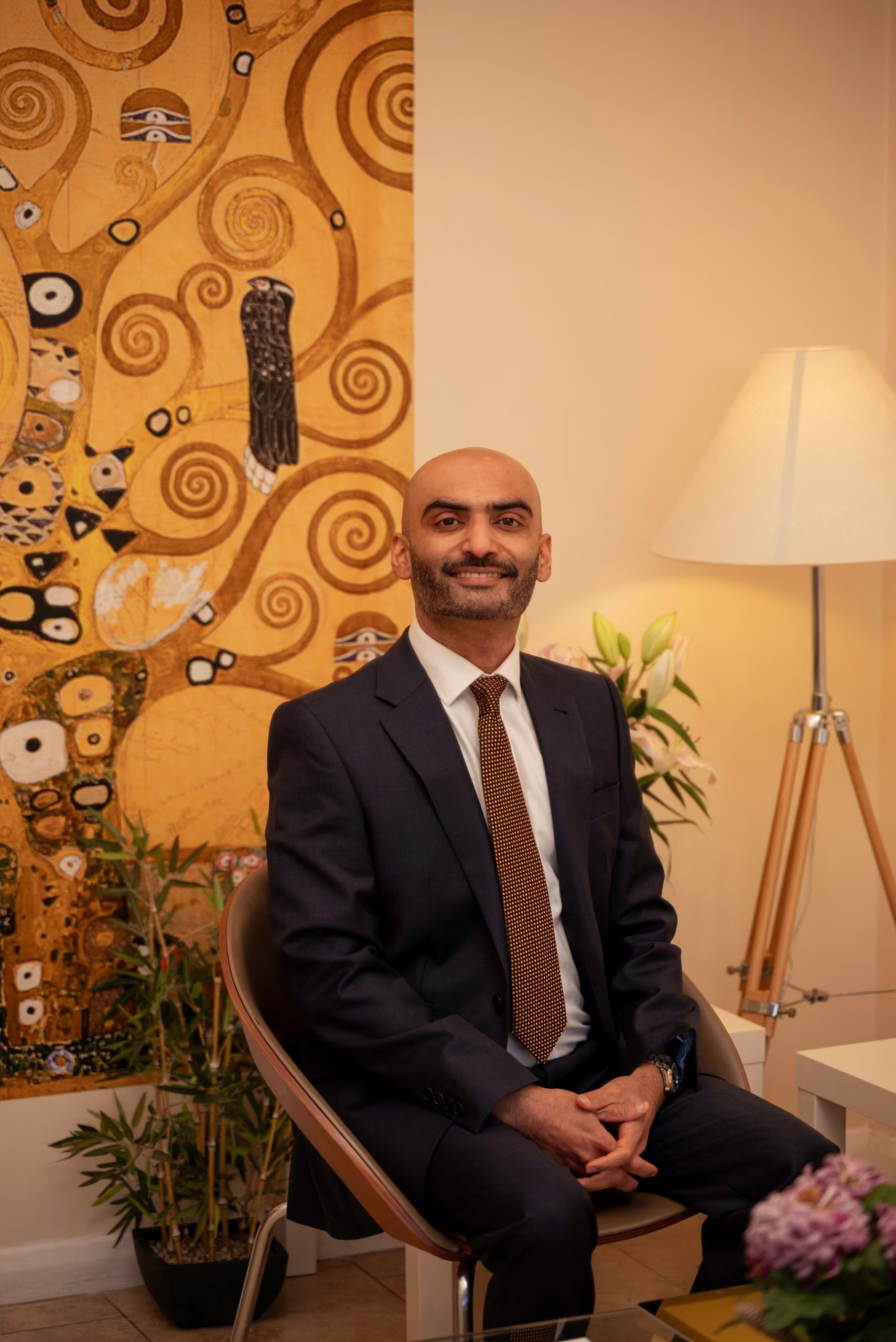
Dr Vishal Patel
Principal Dentist · Sole aesthetic prescriber · 10 years in facial aesthetics
BDS Liverpool · MSc Aesthetic & Restorative Dentistry (Manchester) · GDC 103127 · International Fellowship in Advanced Aesthetic Science (IFAAS) · Facial anatomy and cadaver course with Dr Ali Pirayesh, University of Amsterdam · Harley Academy · IBSA and NeoStrata trained
We will tell you when a treatment is not the right answer. That honesty is part of the treatment.
Read Dr Patel’s profile →A gentle course, matched to your skin.
LED is chosen by wavelength for your goal. It starts with an assessment, not a session.
Consultation — £65
A skin assessment and an honest view on whether LED, another treatment or a combination is right for you. The fee is redeemable in full against treatment.
Your first session
Eyes protected, 10 to 20 minutes under the panel at the wavelength chosen for your goal. No discomfort and no downtime.
A course of 6–10 weekly sessions
Most plans run once a week. LED can also be added to a facial, peel or microneedling appointment.
Review
We review your skin at the end of the course and agree whether maintenance sessions make sense.
Start with a skin consultation
- £65, redeemable in full against treatment
- Assessment of your skin and goals
- An honest answer, including when LED is not the right treatment
Or call 020 8127 4567 · WhatsApp +44 7974 910222
222 Essex Road, Islington N1 3AP · Mon–Fri, 8am–7pm
Results build gradually over a course.
Many people notice skin looks calmer and brighter straight away.
Blue and near-infrared light support calmer, less inflamed skin.
Red light supports gradual improvement in skin quality over the course.
Occasional sessions can help maintain the result, agreed at review.
Before and After
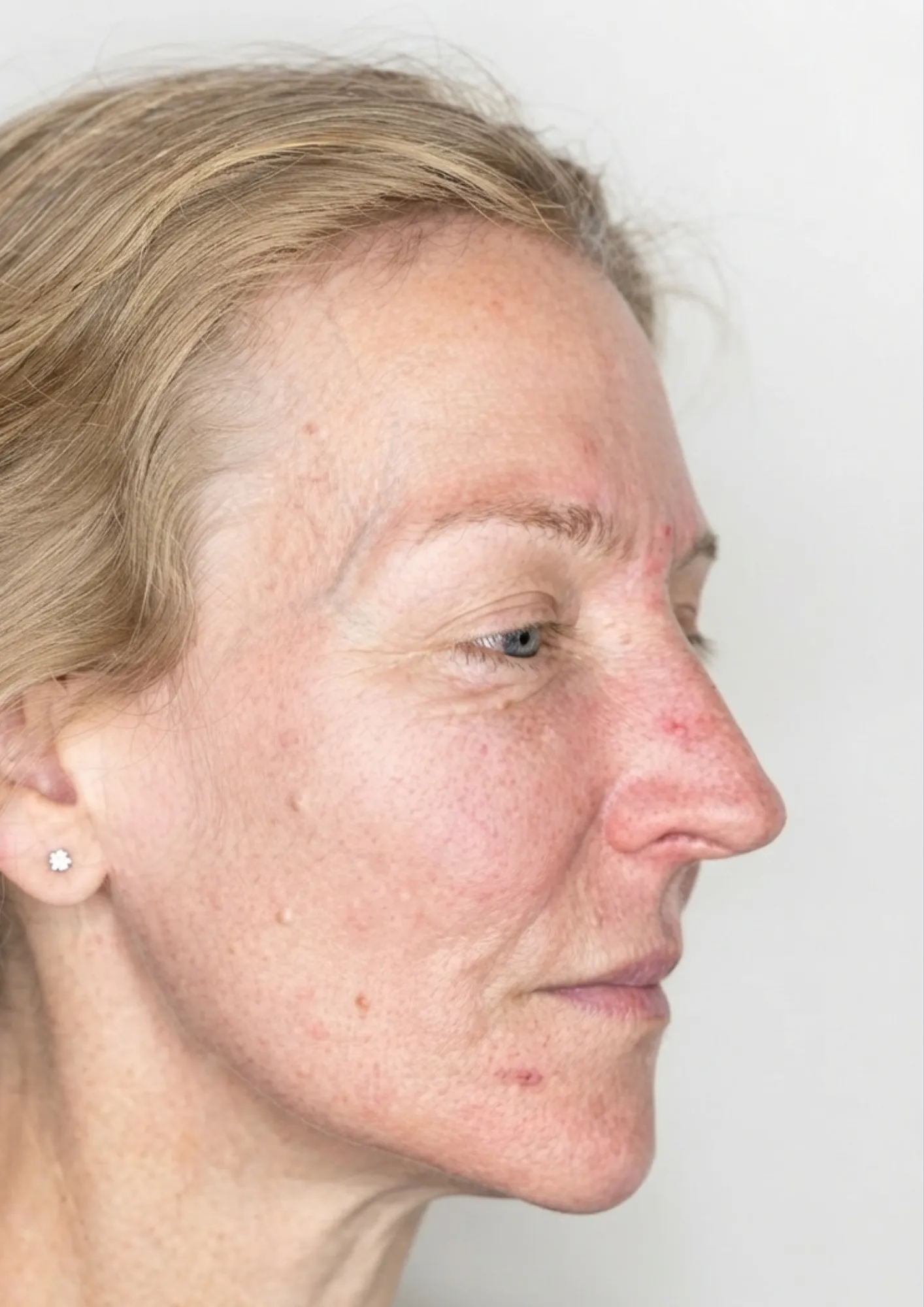
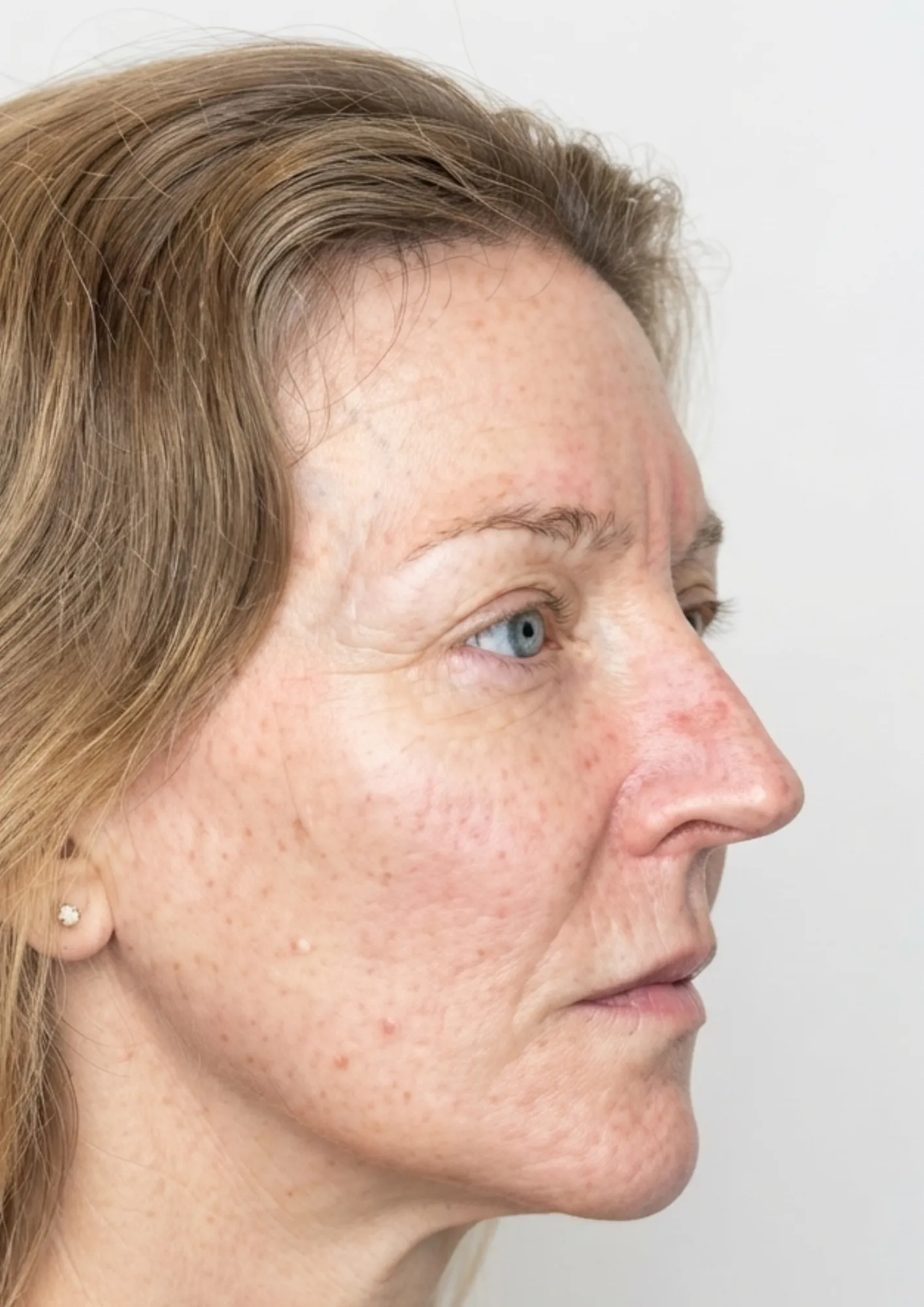
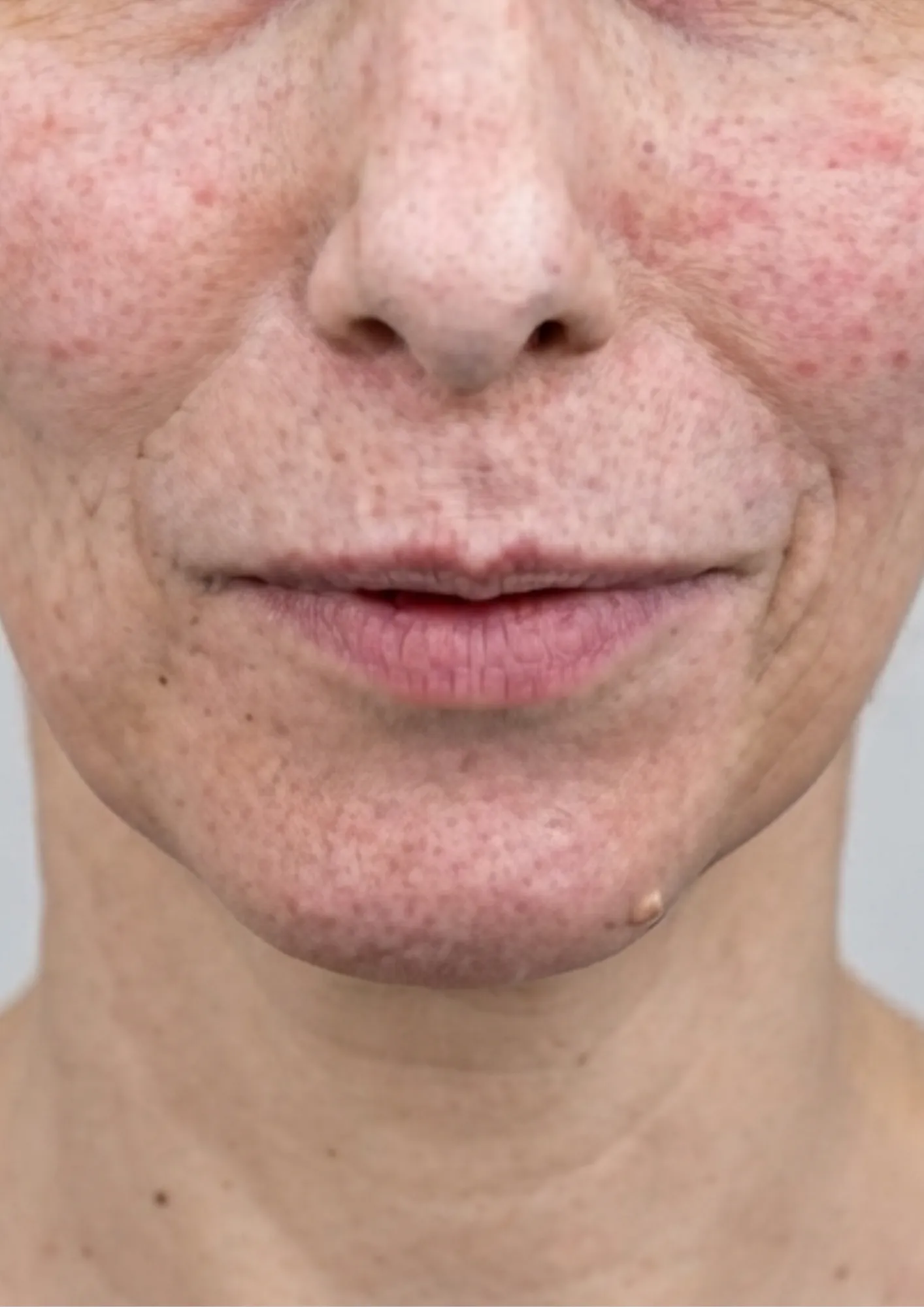
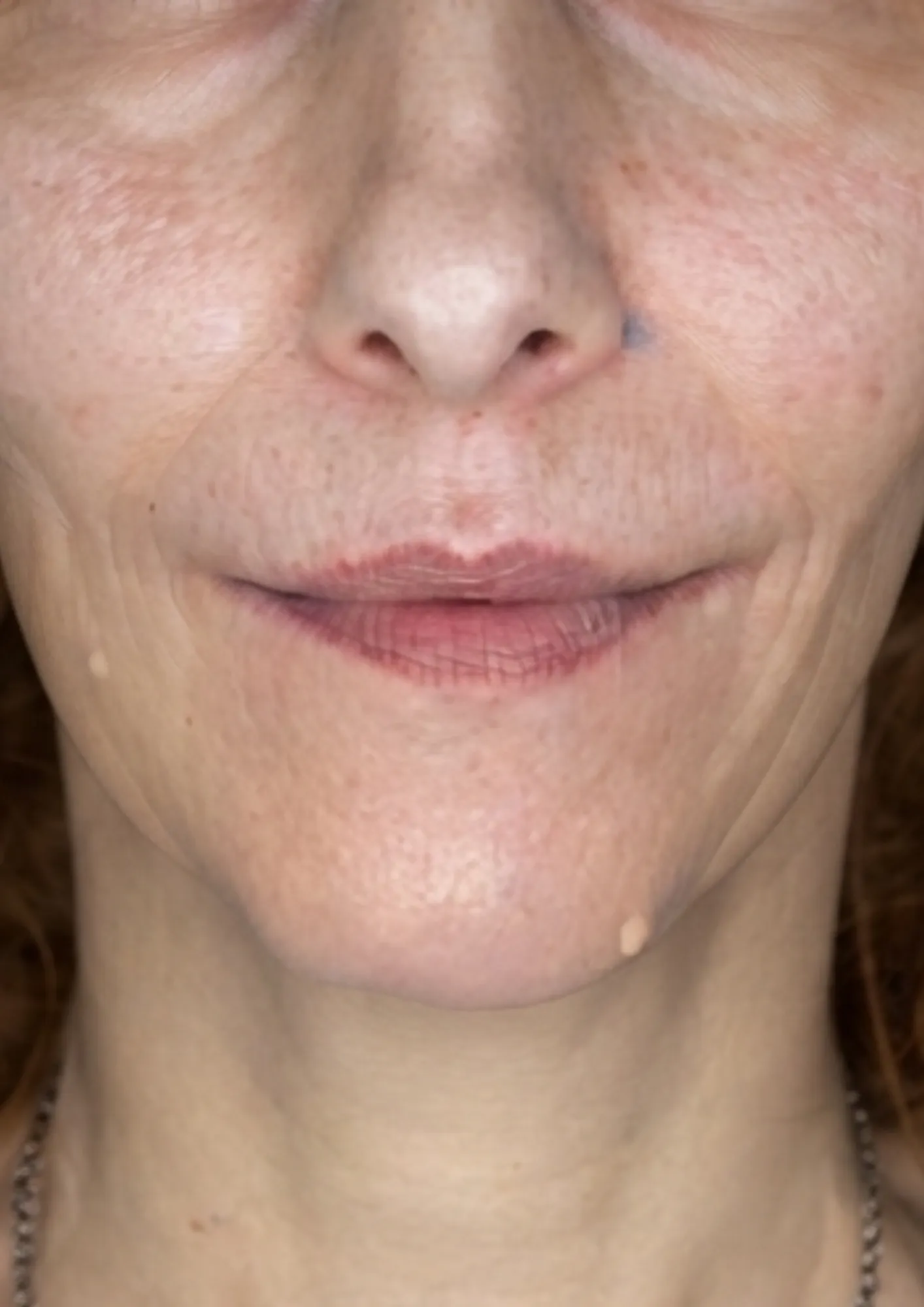
Our happy patients,
in their own words
Transparent pricing
Prices are set out below. Your written plan confirms the fee before any treatment begins.
Clear prices, for each option.
Redeemable in full against treatment
Stand-alone
Added to a facial, peel or microneedling
Stand-alone sessions
Included
- Skin assessment at consultation
- Eye protection and aftercare advice
- A written plan before your course
Quoted separately
- Other treatments combined with LED, priced separately
Questions
people ask
If your question isn't answered here, call reception on 020 8127 4567 or email reception.