Transformational Coaching in London with Binta Patel (ICF ACC)
Reviewed By
Dr Vishal Patel
BDS Liverpool · MSc Aesthetic & Restorative Dentistry Manchester · GDC 103127 · AACD Member · Invisalign Diamond II Provider · IFAAS (International Fellowship in Advanced Aesthetic Science) · Facial anatomy & cadaver course, Dr Ali Pirayesh, University of Amsterdam · Harley Academy foundation training in injectable aesthetics · IBSA-trained (Profhilo) · NeoStrata-trained (skin peels) · Lynton Lasers trained, incl. ONDA
Last Updated
September 16, 2026
Why the word "transformational" is overused — and what genuinely deep, lasting coaching actually involves.
Transformational coaching in London is a deeper form of coaching aimed at lasting change in how you think, relate and live — not just hitting a single goal. It works at the level of beliefs and patterns rather than tactics. Sessions typically cost £90–£250, run as a programme of three to six months, and suit significant life change.

Heading
- Discovery call free
- Sessions £90–£250
- Programme 3–6 months
- ICF ACC coach
- Integrative body-mind approach
- Free 20-minute call
The most over-promised word in coaching
"Transformational" is the most inflated word in the coaching industry. It gets stamped on weekend retreats, three-session packages and Instagram programmes that promise to change your life by Friday. I'd rather start by deflating it, because real transformation is quieter, slower and far more worth your money than the version being sold.
Two honest facts the market tends to skate past. First, "transformational coach" is an unprotected title in the UK — no compulsory qualification, no legal register, no minimum standard, so anyone can claim it. Second, genuine transformation is not an event you buy; it is a process you commit to. The coach's job is not to perform a breakthrough on you but to walk alongside a real change in how you think, relate and live. Anything promising it faster than that is selling the feeling of transformation, not the thing.
I run the wellness side of a dental and wellness clinic, so I have no incentive to oversell the room next door. Coaching is one resource in a wider network, and a good practitioner is as quick to tell you when the right answer is therapy, or your GP, as when it is coaching. That honesty is the whole point of what follows.
What transformational coaching actually is
Transformational coaching is distinguished from ordinary coaching by the level it works at. Most coaching is transactional — it helps you achieve a defined goal: get the promotion, leave the job, run the marathon. Transformational coaching works one layer down, on the beliefs, identity and patterns that shape which goals you set and why you keep hitting the same walls. The goal still matters, but the real work is the shift underneath it.
A useful way to see the difference: transactional coaching changes what you do, transformational coaching changes who you are being while you do it. That is why it takes longer, why it can be uncomfortable, and why — done well — it holds. You are not learning a new tactic; you are updating the operating system the tactics run on.
It is the right tool when something larger than a single goal is in play: a sense that you've outgrown a version of your life, a recurring pattern across relationships or roles, a transition that asks you to become someone slightly different. It is the wrong tool — and a coach worth trusting will say so — when what is really present is trauma, depression, or a mental-health difficulty that needs clinical care. We say no often, and we'd rather you spent your money in the right room.
Why people come for transformation specifically
A recognisable set of reasons brings people to this deeper work, and naming yours precisely is most of the job.
- Outgrowing a life that still looks fine. The job, relationship or routine isn't broken, but it no longer fits who you are becoming. The discomfort is real even when nothing is obviously wrong.
- The same pattern, different costume. A recurring dynamic that follows you across relationships, jobs and decisions — a sign the work is at the level of pattern, not circumstance.
- A threshold moment. A divorce, a milestone birthday, a loss, a career reinvention — a point where the old way of being has stopped working and a new one hasn't yet formed.
- A felt sense of "there must be more." Successful, capable people who have done what they were supposed to and feel oddly hollow. Transformation here is about realignment, not addition.
How Binta works with transformation
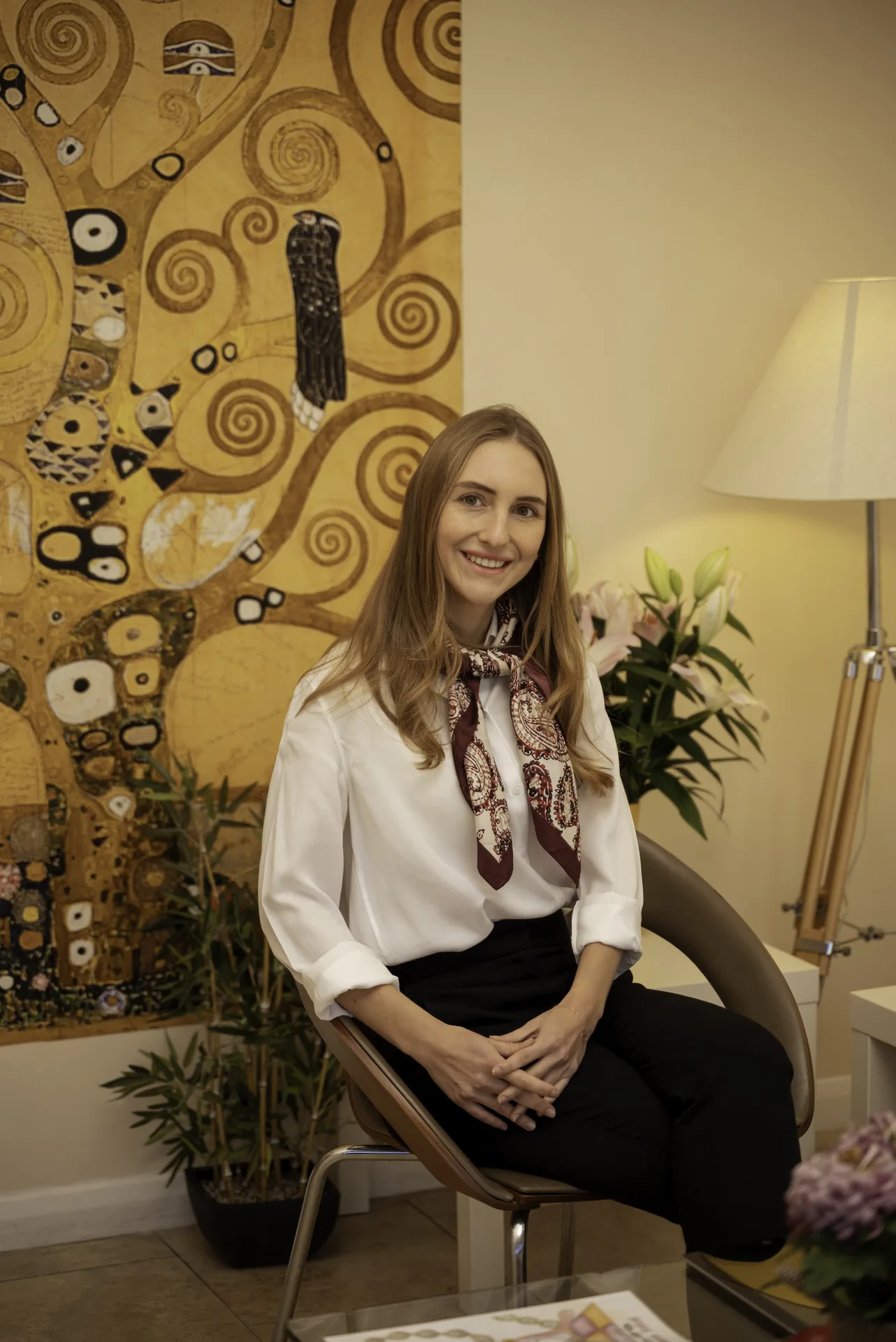
Our coaching is led by Binta Patel, a Life and Relationship Coach accredited at ACC level with the International Coaching Federation (ICF). Within the clinic, Binta's focus is life direction, relationships and the deeper patterns that shape both. Her approach to transformation is structured rather than mystical — depth without the theatrics.
- Name what's really being asked. Transformation usually announces itself vaguely — restlessness, dissatisfaction, a sense of "more." The first work is turning that fog into something specific enough to move on.
- Find the pattern, not just the problem. Rather than solving the presenting issue, the work traces it back to the belief or identity producing it — because changing the pattern changes everything downstream of it.
- Work at the level of being, not just doing. New behaviour that isn't anchored in a genuine internal shift tends to snap back. The work builds the shift first, so the behaviour follows naturally rather than by force.
- Anchor change in real life. Each session closes with something concrete to live out between meetings, so transformation is rehearsed in your actual days, not just discussed in the room.
Why transformation involves the body, not just the mind
Here is the part most transformational coaching misses. Deep change is not only a cognitive event. The patterns you are trying to outgrow are held in the body as much as the mind — in a nervous system that braces for the old threat, a breath that shortens under pressure, a jaw that clenches when you step toward the unfamiliar. You can decide to change and still feel your body pulling you back to the known.
That is the integrative philosophy that runs through the whole clinic: the body is connected to the conversation, not separate from it. As a clinic, we meet the physical residue of stuck patterns in the most literal place — the jaw, where our dentists see clenching and grinding worn into the teeth of people holding their lives together by force. Where it serves you, transformational coaching can sit alongside somatic and breathing work, which helps settle the nervous-system response that keeps pulling you back to the old way of being. Addressing both together tends to produce change that holds, where mindset work alone can stall the first time it's genuinely tested. Few clinics can offer both halves under one roof. We can, and that is why this work lives here.
Frequently asked questions
What's the difference between transformational coaching and life coaching?
Life coaching is the broad category; transformational coaching is a deeper slice of it. General life coaching often works on a specific goal or area, while transformational coaching works on the underlying beliefs and identity that shape many goals at once. If you want to solve a defined problem, life coaching may be plenty. If you sense the issue is larger than any single goal, transformational work is the better fit.
Is transformational coaching the same as therapy?
No. Coaching works forward from where you are, with people who are functioning and want deeper change. Therapy works with the roots — often the past — and is the right answer when difficulty is tied to trauma, depression or a clinical condition. They can run in parallel, and a good coach refers you toward therapy when that's what your situation needs.
How long does transformation really take?
There's no honest fixed answer, but genuine transformation rarely happens in fewer than three months, and often takes six. The slow part isn't the insight — that can come quickly — it's letting the change be lived into your actual life until it holds. We'll size it honestly at the discovery call rather than promise a timeline we can't guarantee.
Why does transformational coaching at DWL involve the body?
Because the patterns you're outgrowing are held physically as well as mentally — in the nervous system, the breath, the jaw. Working only on mindset while the body keeps pulling you back to the familiar tends to stall. Holding the work inside a clinic where somatic and breathing support are next door lets us address both.
Is transformational coaching covered by health insurance?
Most UK private health insurance does not cover coaching, as it is classed as personal development rather than medical treatment. Some workplace wellbeing programmes include it, so it's worth checking your employer's offering. Otherwise it is typically self-funded.
Book a free discovery call
If you sense something larger than a single goal is asking to change, the right first step is a 20-minute discovery call to test fit. We'll talk through what's really being asked, describe how we work, and decide together whether to go ahead — with no pressure either way.
Discovery call free of charge. Call 020 8127 4567 or WhatsApp +44 7974 910222 (8am–7pm). Appointments Monday–Friday, 8am–7pm, by appointment at 222 Essex Road, Islington, London N1 3AP. We are an appointment-only clinic — there is no Saturday clinic and no walk-in service. Rated 4.7★ across 300+ Google reviews.
Coaching delivered by Binta Patel · Life and Relationship Coach · ICF ACC (Associate Certified Coach, International Coaching Federation). Integrative wellness oversight by Dr Reena Sohal · BDS Liverpool · GDC 104355. Last reviewed 2026-06-05.
For the full picture, including how this compares with the alternatives, see our guide to wellness coaching.
| Discovery Call — 20 min, free | A mutual read on what is actually being asked, and whether coaching is the right vehicle for it. |
| Intake Session — ~90 min | Mapping the pattern, the belief underneath it, and what genuine change would look and feel like. |
| Regular Sessions — 50–60 min, fortnightly across 3–6 months | Frequent enough to build momentum, spaced enough to let real life test the change. |
| Review Points — honest stocktakes | Recalibrating the work rather than assuming the plan still fits. |
| Integration Close — consolidating the shift | Consolidating what shifted and how to hold it without ongoing sessions. |
Our happy patients,
in their own words
Transparent pricing
Prices are set out below. Your written plan confirms the fee before any treatment begins.
| Metric | ICF ACC Newer Practitioner |
|---|---|
| Hourly rate | £90–£130 |
| 3-month programme | £700–£1,200 |
| 6-month programme | £1,300–£2,200 |
Questions
people ask
If your question isn't answered here, call reception on 020 8127 4567 or email reception.
What's the difference between transformational coaching and life coaching?
Life coaching is the broad category; transformational coaching is a deeper slice of it. General life coaching often works on a specific goal or area, while transformational coaching works on the underlying beliefs and identity that shape many goals at once.
Is transformational coaching the same as therapy?
No. Coaching works forward from where you are, with people who are functioning and want deeper change. Therapy works with the roots — often the past — and is the right answer when difficulty is tied to trauma, depression or a clinical condition. They can run in parallel.
How long does transformational coaching really take?
There's no honest fixed answer, but genuine transformation rarely happens in fewer than three months, and often takes six. The slow part isn't the insight — it's letting the change be lived into your actual life until it holds.
Why does transformational coaching at DWL involve the body?
Because the patterns you're outgrowing are held physically as well as mentally — in the nervous system, the breath, the jaw. Working only on mindset while the body keeps pulling you back to the familiar tends to stall.
Is transformational coaching covered by health insurance?
Most UK private health insurance does not cover coaching, as it is classed as personal development rather than medical treatment. Some workplace wellbeing programmes include it, so it's worth checking your employer's offering.